
Hear from Our Customers
Your kids go outside without you doing a full-body check every time they come back in. Your dog rolls in the grass and you don’t spend the next ten minutes combing through their fur. That’s what this is really about getting your yard back so it feels like yours again.
North Bellport’s location changes the math on tick risk in a real way. The Wertheim National Wildlife Refuge covers 2,550 acres just south of here, and the U.S. Fish and Wildlife Service runs an active deer management program there because the population pressure is that significant. White-tailed deer are the primary hosts for blacklegged ticks the ones that carry Lyme disease and when those deer move through the wooded edges and drainage corridors that border residential properties in North Bellport, they’re dropping ticks directly into your yard. This isn’t a generic Long Island problem. It’s a South Shore problem, and it’s more concentrated here than in most other parts of Suffolk County.
The other thing most people don’t realize is how long tick season actually runs on the South Shore. Long Island’s maritime climate keeps temperatures mild longer than inland areas, which means ticks are active from early April well into November. A one-time spray in June isn’t going to cover that window. A properly timed, season-long program will.
We’ve been operating in Suffolk County since 1987. That’s not a talking point it means the people treating your property have been doing this work here longer than most of the competition has existed. Every technician is a licensed pesticide professional under the New York State Department of Environmental Conservation. Not a labor-only crew. Not a trainee following a script. Someone who actually knows what they’re doing and is legally certified to do it.
The South Shore has its own set of conditions the maritime climate, the wildlife corridors, the sandy soil, the mature housing stock with decades of leaf litter and shaded borders built up around it. We know this area because we’ve been working in it for close to four decades, serving communities from Port Jefferson Station down through Patchogue, Bayport, and the Bellport corridor where North Bellport sits. If you’ve lived here long enough to know what the Carmans River looks like in the fall, you already understand why tick pressure here is different. Our programs are built around that reality.
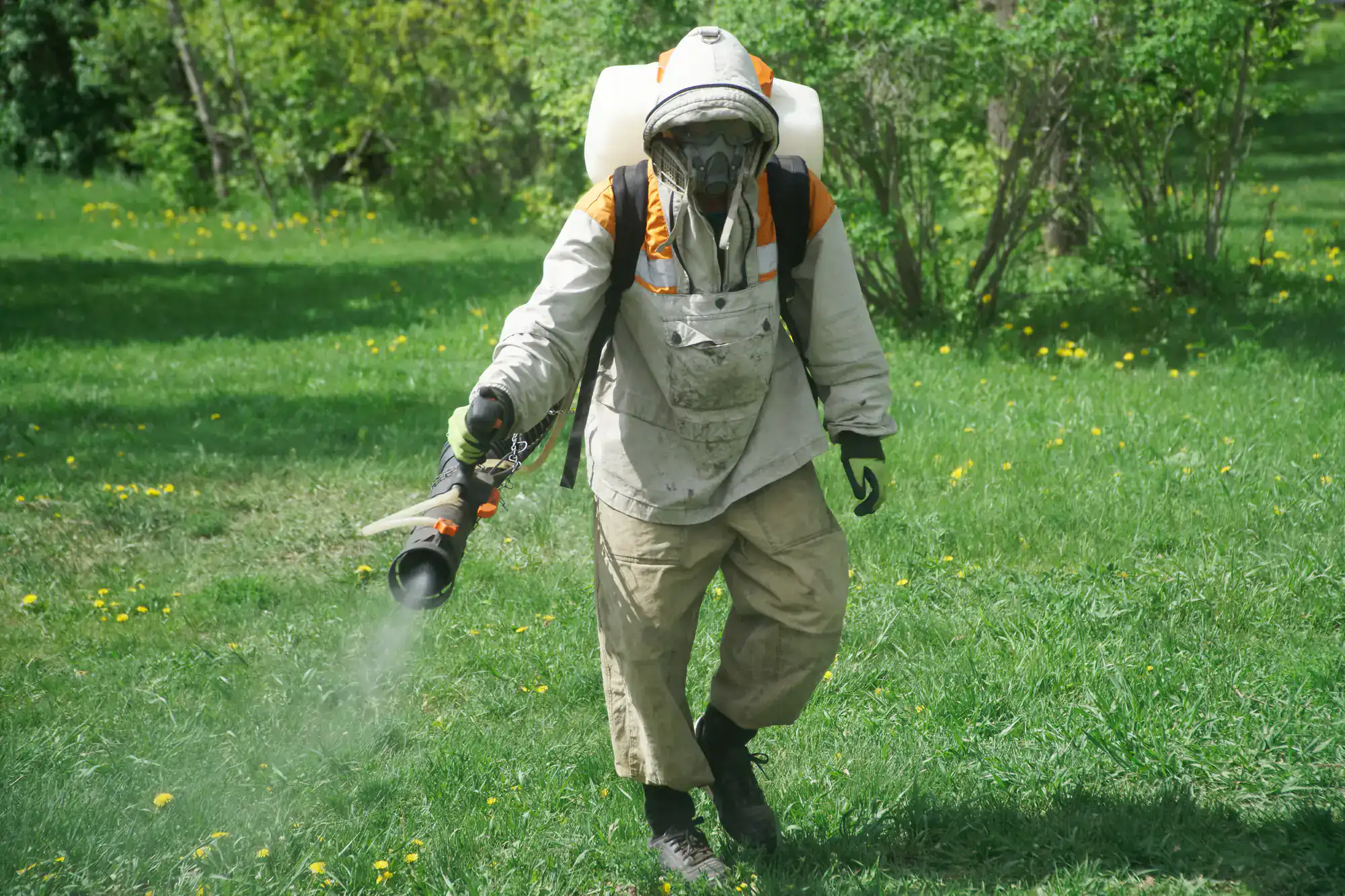
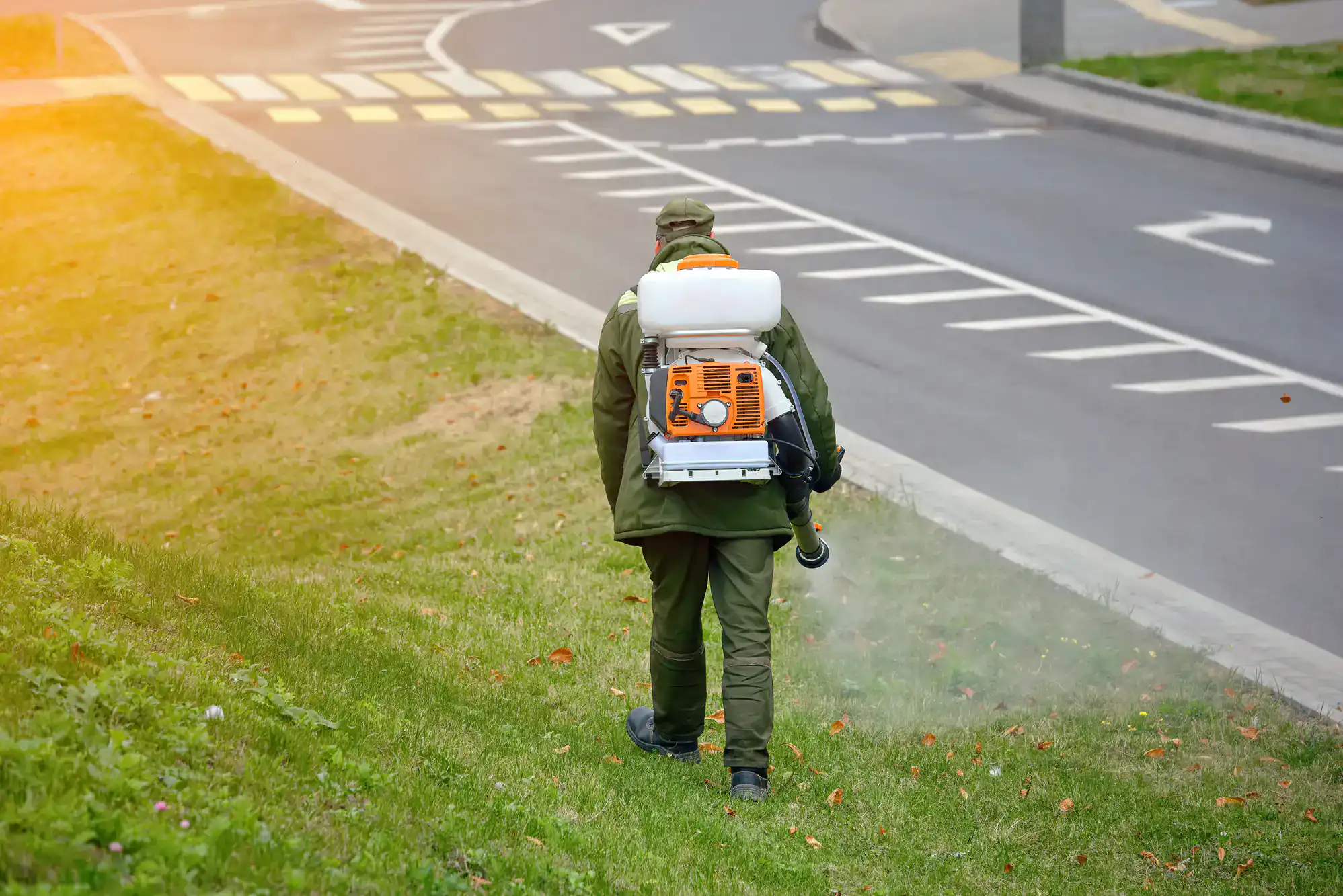
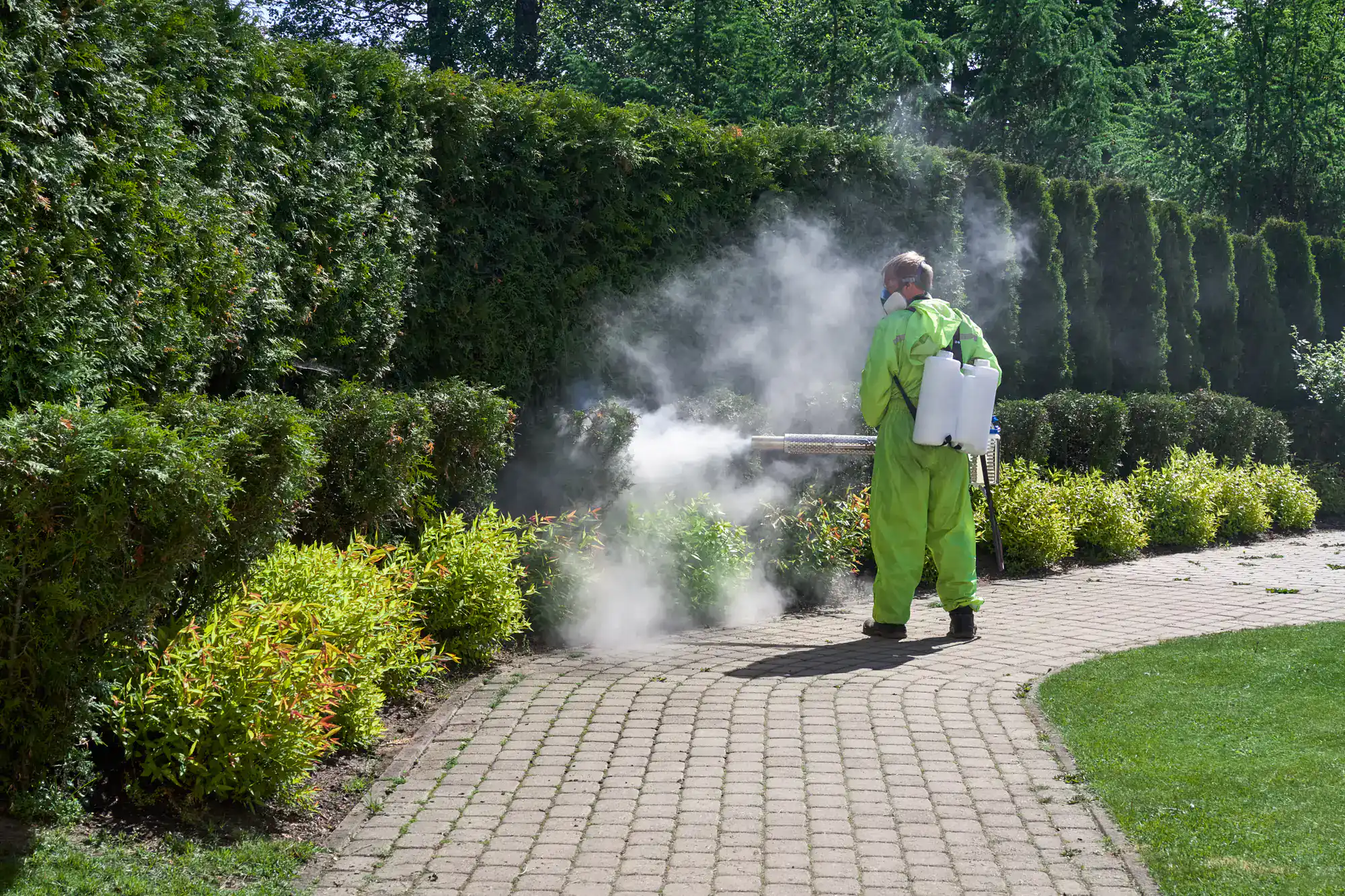
It starts with a property assessment. Before anything gets applied, a licensed technician walks your yard and identifies the specific conditions driving your pest pressure wooded borders, shaded north-facing edges, leaf litter accumulation along fence lines, proximity to drainage areas or the Carmans River corridor. That assessment determines where treatment is actually needed, not just where it’s easy to spray.
From there, the first application goes down in early April right as temperatures on the South Shore consistently clear 40 degrees and tick activity resumes. That timing matters because nymphal ticks, which are the hardest to detect and the most likely to transmit Lyme disease, peak in late May and June. Getting ahead of that window is the whole point of starting early. Maintenance applications follow every three to four weeks through the summer, with a fall treatment in September or October to knock down the adult tick surge and reduce what’s overwintering in your yard.
Fleas get treated as part of the same program. The shaded, damp areas where fleas breed under decks, along fence lines, in ornamental plantings overlap heavily with tick harborage zones. One targeted treatment covers both. After each visit, re-entry is typically safe within 30 to 60 minutes once the product has dried. You’ll know when we’re coming, and you won’t have to chase anyone down to find out.
Ready to get started?
Every visit covers the areas where ticks and fleas actually live not just a quick pass across the open lawn. That means the wooded buffer zones along your property line, the shaded understory beneath ornamental shrubs, the leaf litter that accumulates along fences and under decks, and the transition zones between maintained turf and naturalized areas. Those edges are where the problem concentrates, and that’s where the treatment goes.
For North Bellport properties specifically, the wooded rear borders and drainage corridors that connect to the Carmans River watershed get particular attention. Deer moving through those corridors don’t just deposit ticks at the tree line they bring them right up to the edge of where your family spends time. Treating that 20-to-30-yard buffer is what separates a program that actually works from one that just looks like it does.
Our approach also integrates tick and flea control within a broader lawn health framework. A properly maintained lawn aerated, fertilized with our custom-blended formula, and seeded where needed creates less of the damp, thatchy, low-light habitat that ticks and fleas prefer. You’re not just spraying a symptom. You’re improving the conditions that let the problem exist in the first place. That’s something a standalone pest sprayer can’t offer, and it’s a meaningful difference for homeowners who want results that last.
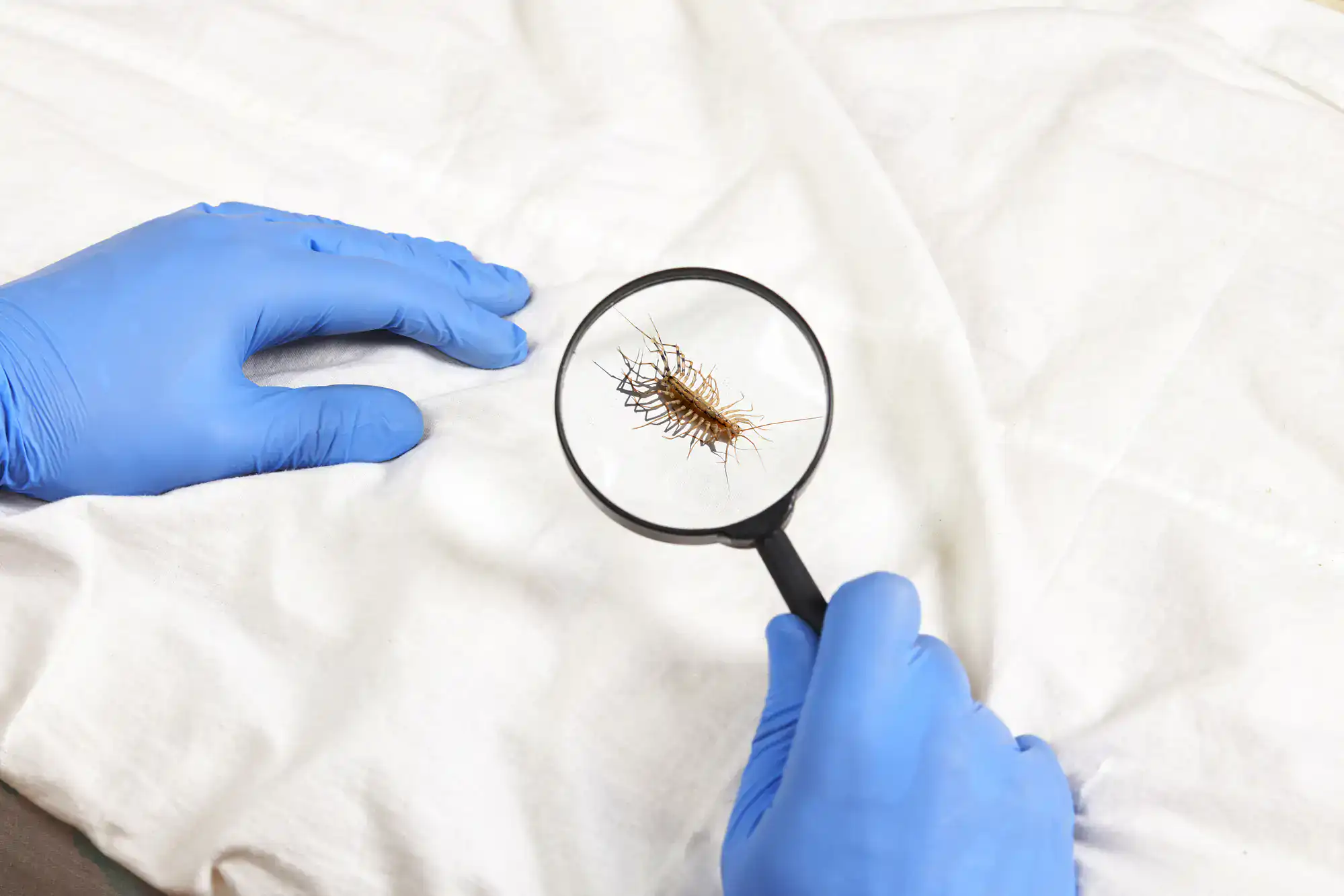
For the South Shore, and specifically for communities like North Bellport near the Carmans River corridor, the honest answer is yes the conditions here are more concentrated than in many other parts of Suffolk County. The Wertheim National Wildlife Refuge in nearby Shirley covers 2,550 acres of oak-pine woodland and wetland habitat, and the U.S. Fish and Wildlife Service explicitly acknowledges that adjacent landowners deal with elevated Lyme disease risk because of the deer population pressure coming off that refuge. White-tailed deer are the primary reproductive hosts for blacklegged ticks, and when they move through the wooded edges and drainage areas that border North Bellport neighborhoods, they’re seeding your yard with ticks whether you see them or not.
A Columbia University study found that more than 56% of ticks on Long Island carry Lyme disease. Suffolk County’s south shore communities are identified as areas where that rate may be even higher than the county average. That’s not a reason to panic, but it is a reason to treat this seriously and consistently not just once in the summer when you remember to call someone.
On Long Island’s South Shore, the realistic window for tick activity runs from early April through November. The maritime climate here keeps temperatures moderate longer than inland areas, which means ticks don’t go dormant as early as people assume. A single treatment in June covers maybe six to eight weeks of that window. A properly structured program covers the whole season.
The standard approach we recommend is an initial application in early April, followed by maintenance treatments every three to four weeks through the summer, and a fall application in September or October. That fall treatment is one most homeowners skip, and it’s a mistake adult blacklegged tick populations surge in the fall, and treating them before they overwinter in your yard directly reduces the population you’re dealing with the following spring. Flea pressure peaks in the warmer months, so the summer maintenance schedule covers both. If you have pets that spend time outdoors, or if your yard backs up to wooded or naturalized areas, the full seasonal program is the right call.
This is the question almost every parent asks, and it’s the right one to ask. The short answer is yes when applied correctly by a licensed professional, the products we use in professional tick and flea control programs are safe for children and pets once dry. Re-entry is typically safe within 30 to 60 minutes after the application has dried, which in normal weather conditions happens fairly quickly.
The more important point is that licensed applicators the kind New York State requires for any commercial pesticide application are trained to apply products in targeted ways, not broadcast-sprayed across every inch of your yard. Treatment goes to tick harborage areas: the shaded edges, the wooded borders, the ornamental plantings, the transition zones. That targeted approach keeps application volumes low and keeps product away from the open areas where kids and pets actually play. The risk of Lyme disease, babesiosis, or anaplasmosis all documented in Suffolk County ticks is substantially greater than the risk of a properly applied, professionally managed treatment. That’s the honest comparison.
A pest exterminator is focused on eliminating a specific pest problem. That’s useful, but it’s treating the symptom. A lawn care company that integrates tick and flea control into a broader lawn health program is also working on the conditions that allow the problem to exist in the first place.
Ticks and fleas thrive in specific microhabitats shaded, damp areas with dense thatch, leaf litter, and low-light ground cover. A lawn that’s properly aerated, fertilized, and maintained has less of that habitat. Thatch depth decreases, moisture retention improves, and the dense, overgrown edges that serve as tick harborage get reduced through better overall turf health. For North Bellport properties with mature landscaping most homes here were built in the late 1970s and early 1980s and have decades of established plantings that integrated approach makes a real difference. You’re not just spraying the problem every few weeks. You’re gradually making your yard a less hospitable place for it to exist.
You can buy over-the-counter tick sprays, and some of them will knock down surface populations temporarily. What they won’t do is reach the harborage areas where ticks actually concentrate, apply at the correct concentrations to be effective across a full season, or include insect growth regulators that interrupt the flea life cycle at the egg and larval stage. Most hardware store products are formulated for general consumer use, which means lower concentrations and broader application instructions not the targeted, property-specific approach that actually moves the needle.
In New York State, commercial pesticide application requires a valid NYSDEC Commercial Pesticide Applicator license. That certification requires passing a state exam and completing required training hours. It exists because pesticide application done incorrectly wrong product, wrong concentration, wrong location can be ineffective at best and harmful at worst. When you hire a licensed professional, you’re not just paying for the product. You’re paying for the knowledge of where to put it, how much to use, and how to time it against the actual pest pressure in your specific yard.
There are other companies serving North Bellport and the surrounding Bellport corridor some focused on tree care, some general exterminators, some regional pest control chains. What most of them don’t offer is the combination of nearly 40 years of Suffolk County experience, NYSDEC-licensed applicators on every job, and an integrated lawn care approach that addresses the conditions driving your pest problem not just the pests themselves.
We’ve been operating in this county since 1987. That means the people writing your treatment plan have been working the South Shore’s specific conditions the Carmans River corridor, the Wertheim Refuge adjacency, the maritime climate, the mature housing stock for close to four decades. That’s not something a company that’s been in business for ten years can replicate. Every program is built around your specific property, not a template. And because we handle fertilization, aeration, seeding, and pest control under one roof, your lawn is being managed as a system not just spot-treated when something goes wrong.
Useful Links
Other Services we provide in North Bellport