
Hear from Our Customers
Finding a tick on your child after they’ve played in the backyard changes how you think about your outdoor space. It stops being somewhere you enjoy and starts being somewhere you manage. That shift from relaxed to cautious is exactly what a well-executed seasonal flea and tick program is designed to reverse.
Ronkonkoma’s geography makes this more pressing than most people realize. The wooded buffer zones around Lake Ronkonkoma, the deer corridors that cut through established residential neighborhoods, and the mature tree canopy that covers much of the hamlet’s housing stock all create ideal tick harborage conditions. These aren’t abstract risk factors they’re the physical features of the streets and properties where Ronkonkoma families live and walk their dogs.
What changes when the program is in place is straightforward. Your yard stops being a source of anxiety. The kids go outside without a post-play tick check turning into a stressful ritual. Your dog comes back from Hidden Pond Park, and you’re not combing through their fur wondering what they brought home. That’s the outcome. Not a perfect yard on paper a yard you actually feel good about using.
We’ve been operating in Suffolk County since 1987. That’s not a tagline it’s the reason our technicians understand how tick pressure moves through a neighborhood like Ronkonkoma differently than it moves through a cleared suburban lot in Holbrook or a south shore property in Sayville. The wooded lot borders near the lake, the deer traffic through residential streets, the mature landscaping that holds moisture and leaf litter we’ve been treating these conditions for decades.
Every technician on a Lawn Master job is a licensed pesticide professional, certified through the New York State Department of Environmental Conservation. That’s a legal requirement that more companies quietly skip than homeowners realize. Our fleet of five fully wrapped professional trucks shows up on schedule, and the person accountable for your program isn’t a franchise manager in a call center it’s the owner of this business.
We also use a custom-blended fertilizer formulated specifically for our programs, which means the lawn care side of what we do directly supports the pest control side. A healthier, properly maintained lawn is less hospitable to ticks and fleas. That’s an argument no standalone pest control company in Ronkonkoma can make.
It starts with understanding your property. Not every Ronkonkoma yard carries the same risk profile. A home on a wooded street near the Lake Ronkonkoma shoreline has different treatment needs than a property near the Veterans Memorial Highway corridor. Before anything gets applied, we assess the specific conditions on your lot wooded borders, shaded areas, ornamental beds, fence lines, and any zones where deer or wildlife are likely moving through.
From there, we build a seasonal program around Long Island’s actual tick calendar, not a generic national schedule. Treatments begin in early April when overwintered adult ticks become active, ramp up through May and June when nymphal deer ticks the stage responsible for most Lyme disease transmissions are at peak density, and continue through the fall surge that catches most homeowners off guard in September and October. Each application is timed to the tick lifecycle, not to a convenient billing interval.
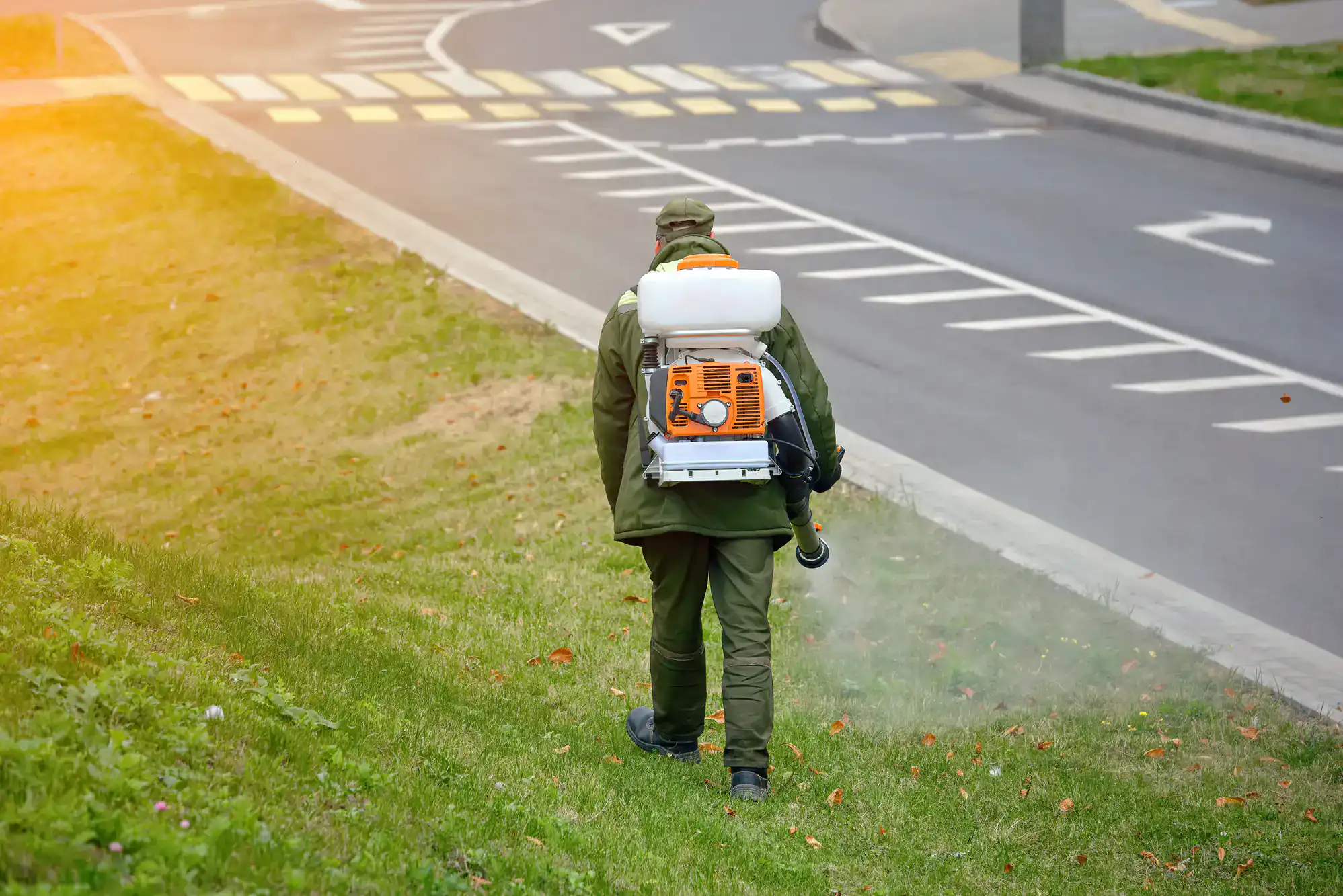
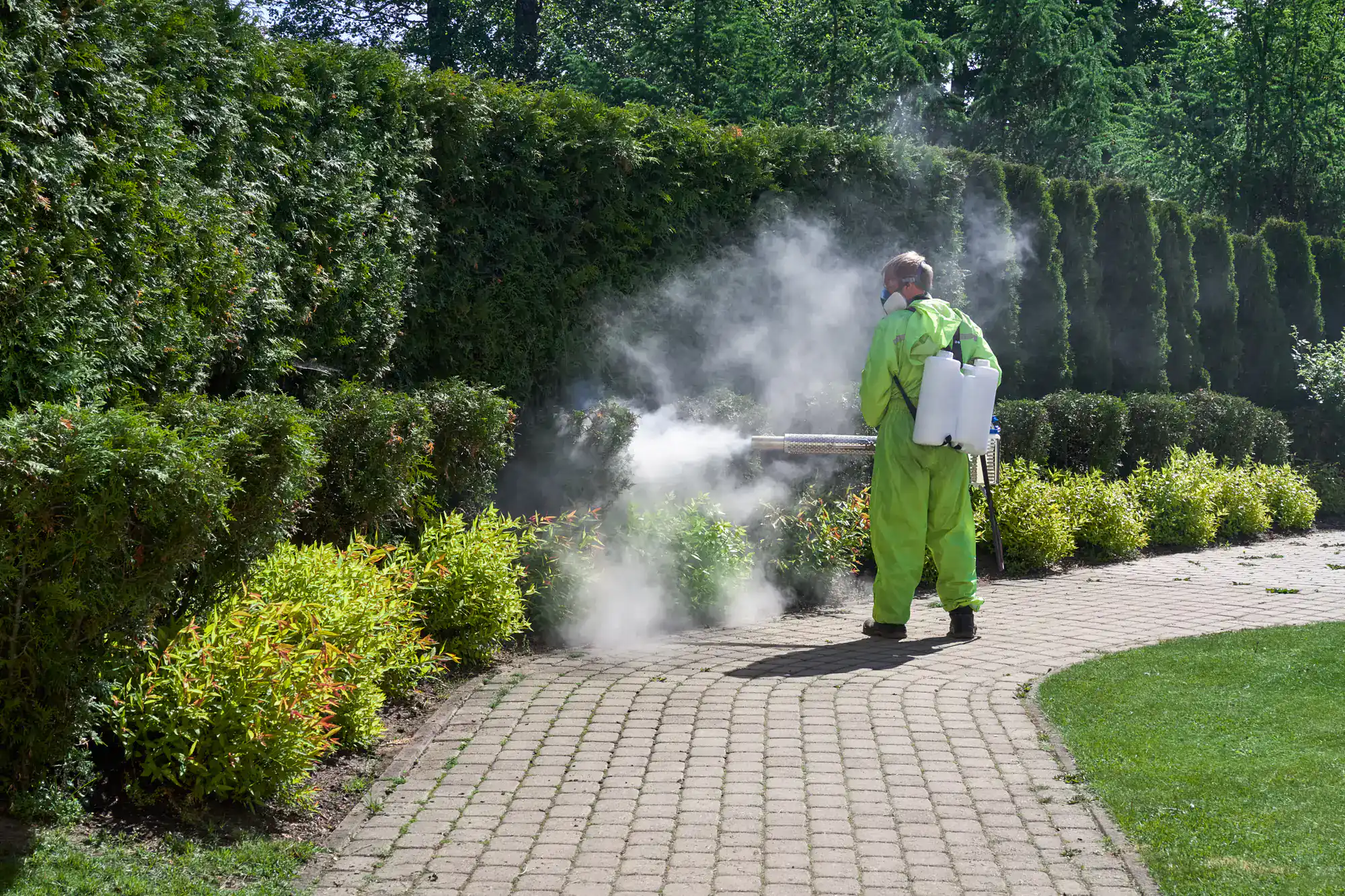
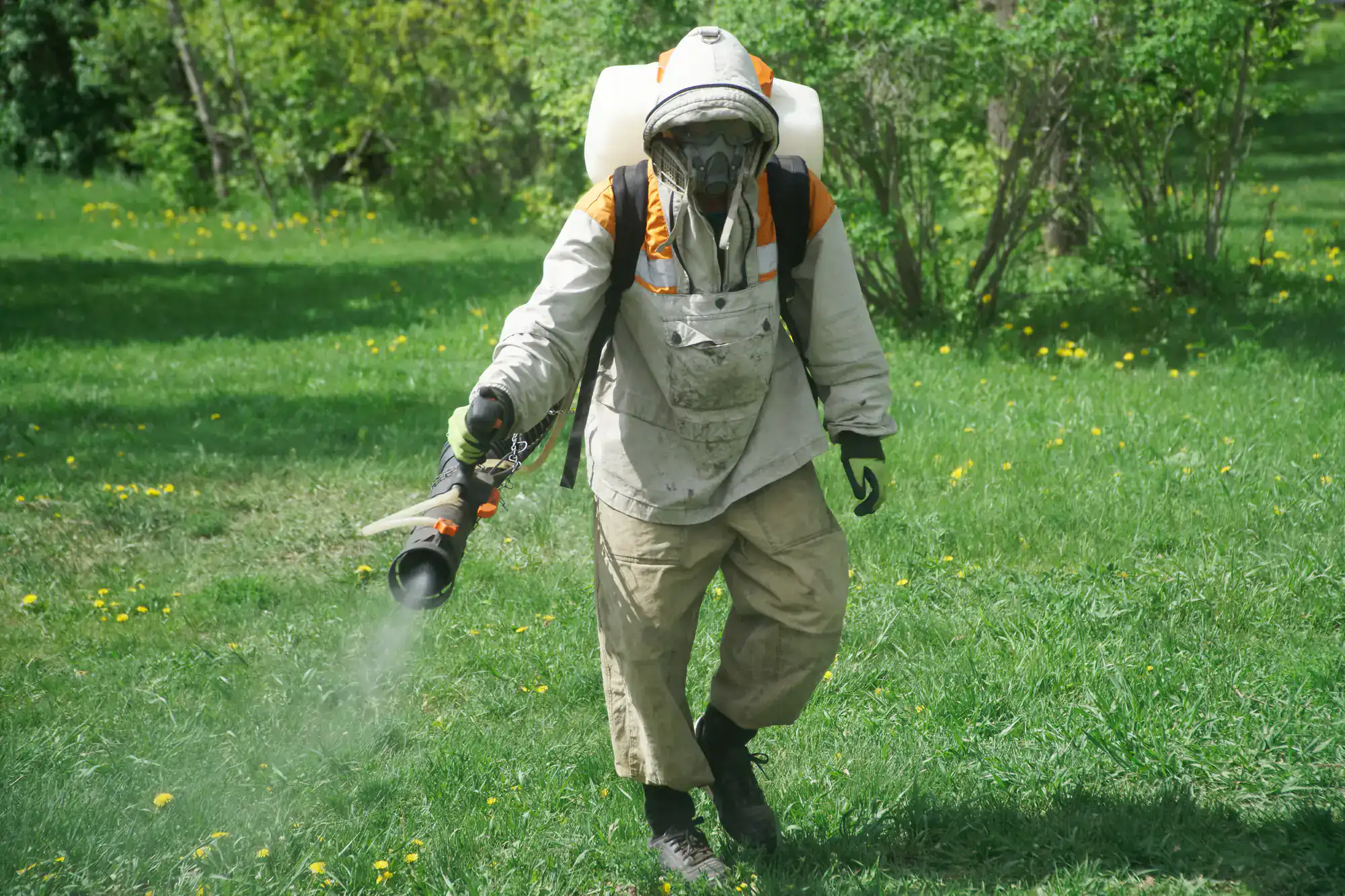
When we treat, we go where ticks actually live. That means working along lawn edges, into ornamental beds, under decks, along fence lines, and for properties with wooded borders treating 20 to 30 yards into the transition zone between your lawn and the tree line. That’s where the population is concentrated. Every technician on your property is NYSDEC-licensed, and re-entry after treatment is safe within 30 to 60 minutes of drying. Scheduling, seasonal reminders, and online payment are all handled professionally so you’re not managing the relationship on top of everything else.

Ready to get started?
Flea and tick control for a Ronkonkoma property isn’t the same as treating a cleared quarter-acre lot with no shade and no wooded borders. The homes near Lake Ronkonkoma many of them built between the 1950s and 1970s have mature landscaping, established trees, and the kind of shaded, moisture-retaining environments where tick populations thrive. Our programs are built to address those conditions directly, not to apply a standard perimeter spray and move on.
For flea control specifically, we use professional-grade products that include insect growth regulators compounds that interrupt the flea lifecycle at the egg and larval stage. Store-bought products almost never include IGRs, which is why DIY flea treatments tend to knock down the adults you can see while the other 95% of the population eggs, larvae, and pupae living in the yard continues developing. If you’ve tried treating your yard yourself and the problem came back within a few weeks, that’s almost certainly why.
Because we manage both lawn care and pest control, your flea and tick program can also be paired with aeration, fertilization, and lawn health services that reduce the thatch buildup and overgrown edges that create tick harborage in the first place. Properties near the Lake Ronkonkoma watershed are treated with full attention to proper application practices our licensed technicians are trained in exactly this. The full-season program runs April through October, with applications timed to each activity window and online invoicing so the administrative side takes care of itself.
It’s more significant than most homeowners expect, and the lake is a big part of why. Lake Ronkonkoma is the largest freshwater lake on Long Island 243 acres surrounded by mature trees, natural buffer zones, and wooded lot borders that create some of the best tick habitat in central Suffolk County. The deer that move through those wooded corridors are the primary host for adult deer ticks, and where deer go, ticks follow directly into residential yards throughout Ronkonkoma.
The homes closest to the lake shoreline tend to carry the highest risk, particularly properties with wooded rear lots, dense ornamental plantings, and significant shade and leaf litter accumulation. But the risk extends well beyond the immediate shoreline deer corridors run through established neighborhoods throughout the hamlet, and any property backing up to natural areas or unmaintained borders is going to see meaningful tick pressure. If you walk your dog near Hidden Pond Park or the Connetquot River State Park Preserve, you’re also bringing that exposure back into your yard every time you come home.
One treatment is not enough and this is probably the most important thing to understand before you decide how to approach tick control. A single application provides roughly four to six weeks of protection. On Long Island, tick season runs from early April through November. That means a single treatment covers a fraction of the window when your family is actually at risk.
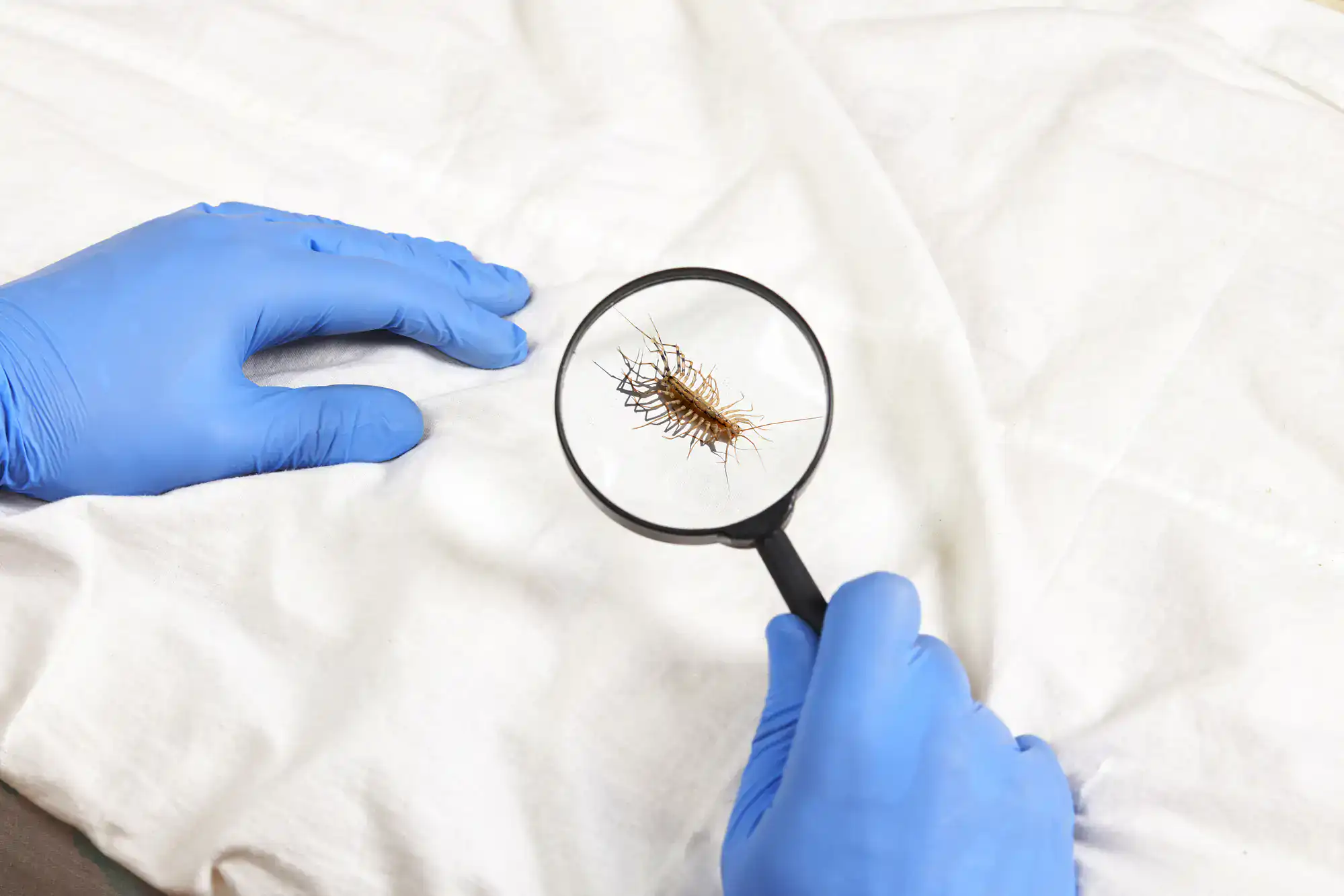
There are also two distinct peak activity windows in the Ronkonkoma area that a single treatment can’t address. The first is May through June, when nymphal deer ticks poppy-seed-sized and nearly impossible to spot are at their highest densities and responsible for the majority of Lyme disease cases. The second is September through October, when adult blacklegged ticks surge again heading into fall. Many homeowners stop thinking about ticks after summer, which is exactly when the fall population peaks. A properly structured seasonal program covers both windows, with applications timed to each, rather than leaving a gap that undoes everything the earlier treatments accomplished.
Yes when applied correctly by a licensed professional, the products used in flea and tick control are safe for children and pets once they’ve dried, which typically takes 30 to 60 minutes. The key phrase there is “applied correctly.” NYSDEC-licensed applicators are trained in targeted application meaning products go where ticks actually live, like lawn edges, ornamental beds, and wooded borders, rather than being broadcast indiscriminately across the entire yard.
This is one of the clearest arguments for using a licensed professional over a DIY approach. Store-bought tick sprays often come with vague application instructions and no guidance on concentration or placement. Our licensed technicians know how much product to use, where to put it, and how to apply it in a way that’s effective against ticks without creating unnecessary exposure for your family or your pets. For properties near the Lake Ronkonkoma watershed, proper application practices also matter from an environmental standpoint something our technicians are specifically trained to handle.
They target different pests with overlapping but not identical strategies, and understanding the difference helps you know what you’re actually getting from a program. Tick control focuses heavily on barrier treatments along the edges of your property lawn borders, wooded transition zones, fence lines, and ornamental beds where ticks wait for a host to pass by. The goal is to create a treated perimeter that reduces the tick population before they reach the areas where your family spends time.
Flea control requires a different emphasis because fleas reproduce and develop differently. Adult fleas are only about five percent of the total flea population in an infested environment the other 95% are eggs, larvae, and pupae living in the yard. Effective flea treatment uses products that include insect growth regulators, which disrupt the flea lifecycle at the developmental stage rather than just killing the adults you can see. In Ronkonkoma, where dog owners regularly visit places like Hidden Pond Park and come home with pets that may have picked up fleas along the way, addressing the full lifecycle in your yard is the only way to actually break the reinfestation cycle.
Earlier than most people think. On Long Island, overwintered adult deer ticks become active as soon as temperatures consistently reach the mid-40s Fahrenheit which typically happens in early April. Waiting until you see a tick, or until the weather feels like summer, means you’ve already missed the beginning of the exposure window and given the population a head start on your property.
For Ronkonkoma homeowners, starting in early April is the right call. The first application targets the overwintered adult population before they’ve had a chance to feed and reproduce on your lawn. From there, a well-structured seasonal program carries you through the nymphal surge in May and June, the summer flea peak, and the fall adult tick resurgence in September and October. If you’re starting a program mid-season because you’ve already found ticks on your property or your pets, it’s still worth doing you’ll reduce the population significantly, even if you can’t recover the time you’ve already lost.
In the Ronkonkoma market, full-season tick and flea programs typically run between $500 and $1,000, depending on property size, the number of applications included, and the specific conditions on your lot. Individual one-time treatments generally fall in the $100 to $250 range, though a single treatment won’t provide meaningful season-long protection for most properties in this area.
For homeowners near the Lake Ronkonkoma shoreline or properties with significant wooded borders and deer pressure, investing in a full seasonal program is almost always the more cost-effective decision over time. A one-time spray that wears off in six weeks and leaves you starting over is money spent without a lasting result. A properly structured program timed to Long Island’s tick calendar, applied by licensed professionals, and covering both the spring and fall activity peaks is what actually moves the needle. Our programs are custom-tailored to your specific property, which means you’re not paying for applications your yard doesn’t need or skipping coverage it does.
Useful Links
Other Services we provide in Ronkonkoma