
Hear from Our Customers
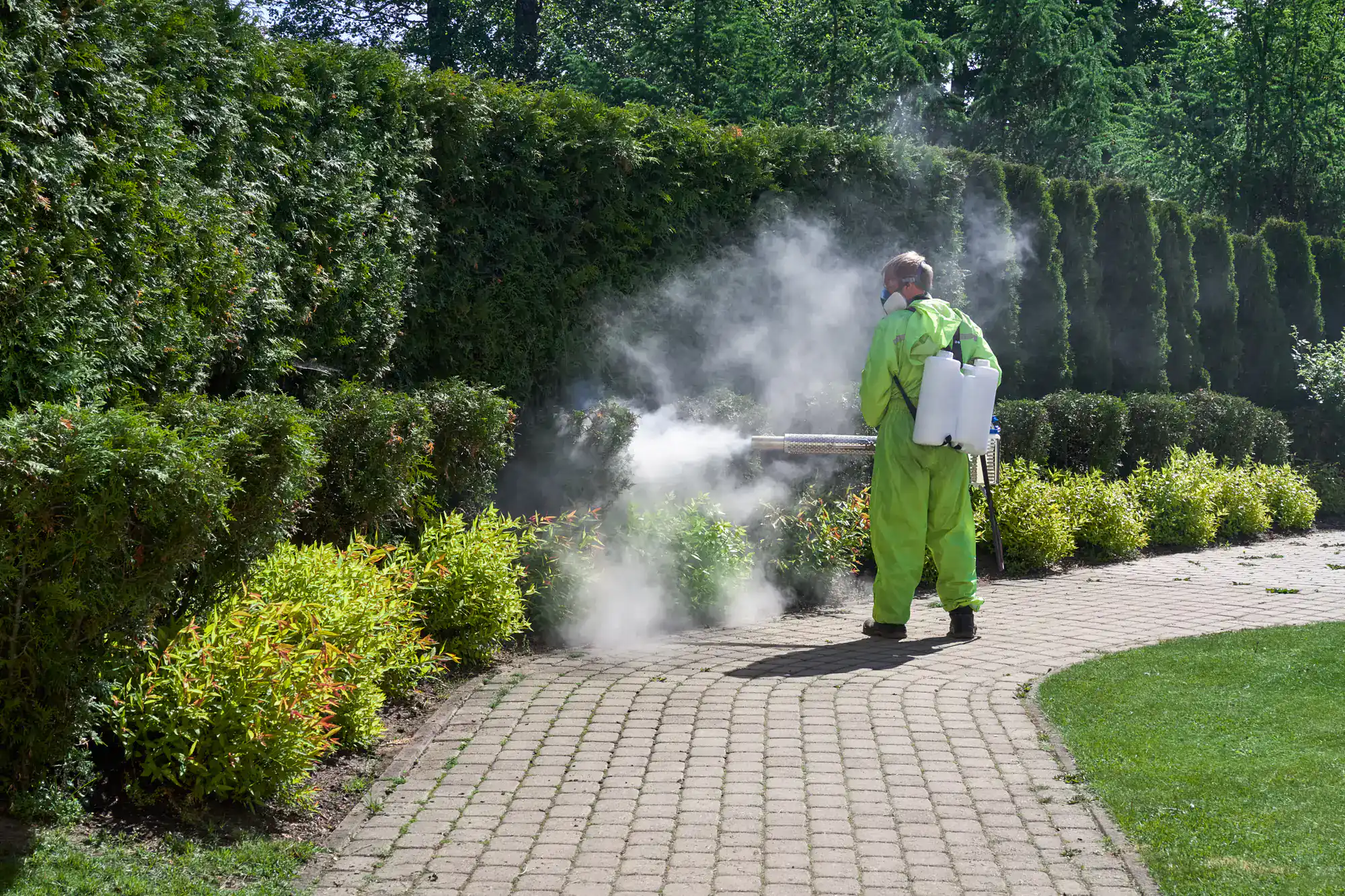
When you live in Brookhaven hamlet, your property isn’t a typical suburban lot. You’ve got wooded edges, mature trees, and in many cases, a backyard that transitions directly into the kind of dense brush where ticks thrive. That’s just the reality of living in one of the most naturally beautiful parts of Suffolk County. And it means the stakes for flea and tick control are higher here than in most places.
The Carmans River corridor runs along the eastern edge of Brookhaven, connecting central Long Island all the way down to the Great South Bay. White-tailed deer, red fox, raccoon, and other wildlife use that corridor constantly and every one of them can carry ticks directly into your yard. When the Wertheim National Wildlife Refuge sits on your doorstep, no amount of DIY spraying is going to keep up with that kind of pressure. What actually works is a professionally applied, seasonally timed program that targets the zones where ticks concentrate: wooded borders, fence lines, shaded beds, and the areas under your deck where your dog likes to hang out.
After a proper flea and tick treatment program, the difference is real. You’re letting the kids play outside without checking every inch of them when they come in. You’re not pulling ticks off the dog after every walk. That’s what this is actually about getting your yard back so you can use it the way you intended when you bought this property.
We’ve been serving Suffolk County since 1987, which means our technicians have been treating South Shore properties, including the large-lot wooded communities around Brookhaven hamlet, through decades of changing tick seasons and shifting pest pressure. We know what works here because we’ve been doing it here.
Every technician is a licensed pesticide professional under the New York State Department of Environmental Conservation not a general laborer handed a sprayer. That matters everywhere, but it matters especially in a community that borders protected federal land like the Wertheim National Wildlife Refuge and a state-designated wild, scenic river like the Carmans. You need someone who knows what they’re doing near those boundaries, and our team does.
We also don’t just treat for pests and leave. Our integrated approach means we’re building a healthier lawn at the same time because dense, properly maintained turf is itself less hospitable to fleas and ticks. It’s the kind of thinking that only comes from a company that has been doing this for a long time.
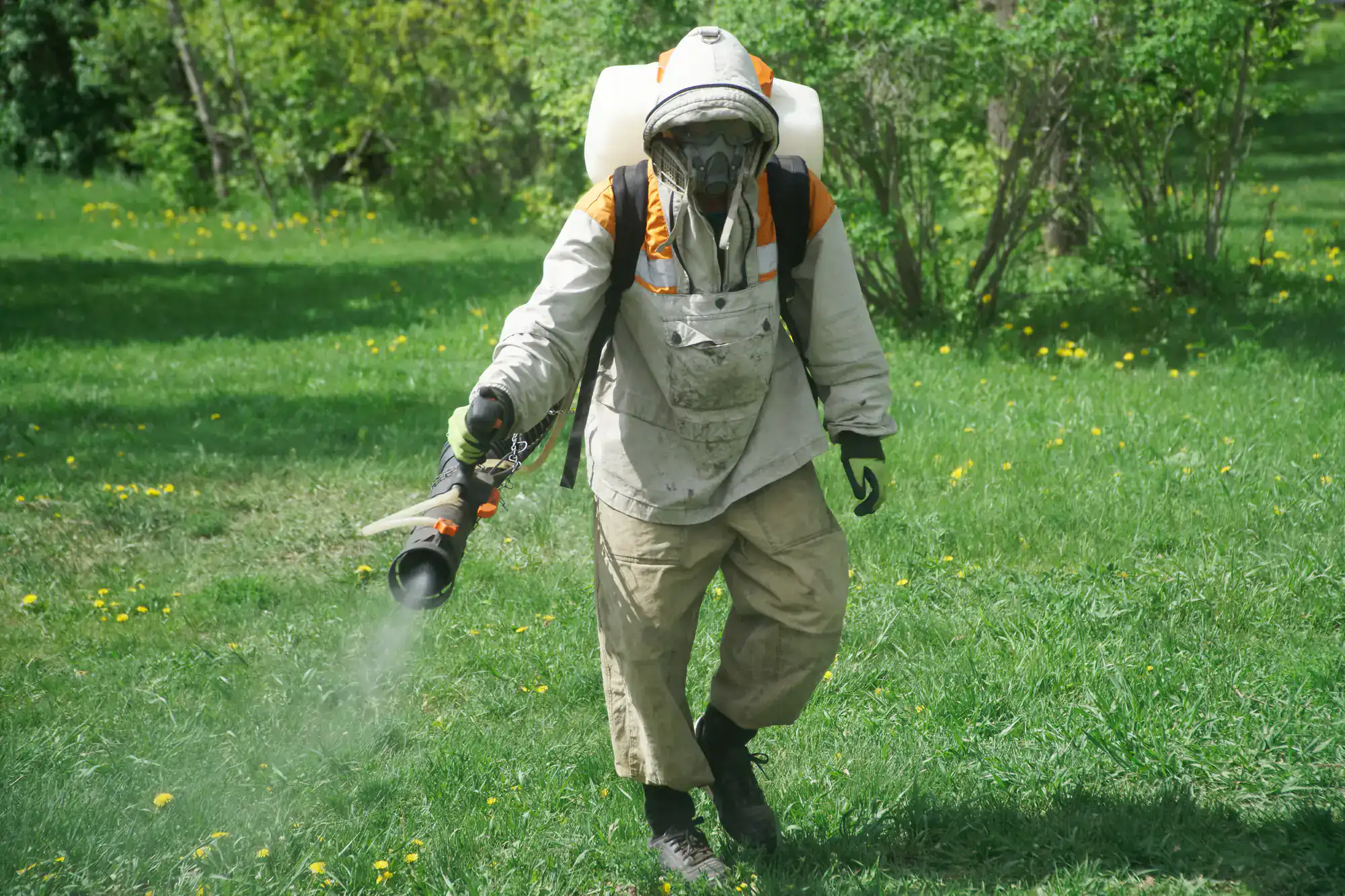
It starts with an honest look at your property. Brookhaven hamlet lots aren’t cookie-cutter many have significant wooded borders, mature ornamental plantings, and transition zones where maintained lawn meets natural brush. That edge is exactly where ticks concentrate, and it’s the first thing our licensed technicians assess before any product is applied. A property that backs up toward the Wertheim Refuge needs a different approach than one on a cleared lot along South Country Road.
Once we understand your property, treatment begins in the critical zones: wooded edges, fence lines, areas of leaf litter, shaded ornamental beds, and the spaces under decks and porches where fleas tend to harbor. Open lawn areas where your kids and pets spend time are treated with precision. We’re not broadcasting product across your entire property we’re targeting where the problem actually lives. On Long Island’s South Shore, where the maritime microclimate can extend tick activity into late fall, timing matters too. Programs typically begin in early April and continue through October, with applications spaced four to six weeks apart to stay ahead of both the spring nymph peak and the fall adult deer tick surge.
After each visit, re-entry is typically safe within 30 to 60 minutes of drying. You’ll receive advance notice before each scheduled treatment, and our online invoice system makes payment simple no chasing anyone down, no paper checks. You just get the service, and it works.
Ready to get started?
Our flea and tick control program is designed for the kind of property that actually exists in Brookhaven not a postage-stamp lot, but a real piece of land with wooded borders, established landscaping, and genuine exposure to the wildlife corridors that define this part of Suffolk County. The Carmans River, the Wertheim National Wildlife Refuge, and the low-density, large-lot character of this hamlet create tick pressure that a one-time perimeter spray simply cannot address.
Your program includes seasonal applications timed to the two peak windows on Long Island: the spring nymph surge from April through June, and the fall adult tick activity from September through November. Lone star ticks, which are active from spring through the end of fall, mean coverage needs to stay consistent across the entire season. Every application is performed by a NYSDEC-licensed professional using commercial-grade equipment the same standard we’ve held since 1987. Custom-tailored programs are built around your specific property, accounting for wooded edges, deer pressure, shaded zones, and proximity to natural areas.
Because we’re also a full-service lawn care company, your flea and tick program can be paired with fertilization, aeration, and lawn restoration services that reduce the thatch and overgrowth that create harborage zones in the first place. That’s something no standalone exterminator can offer you.
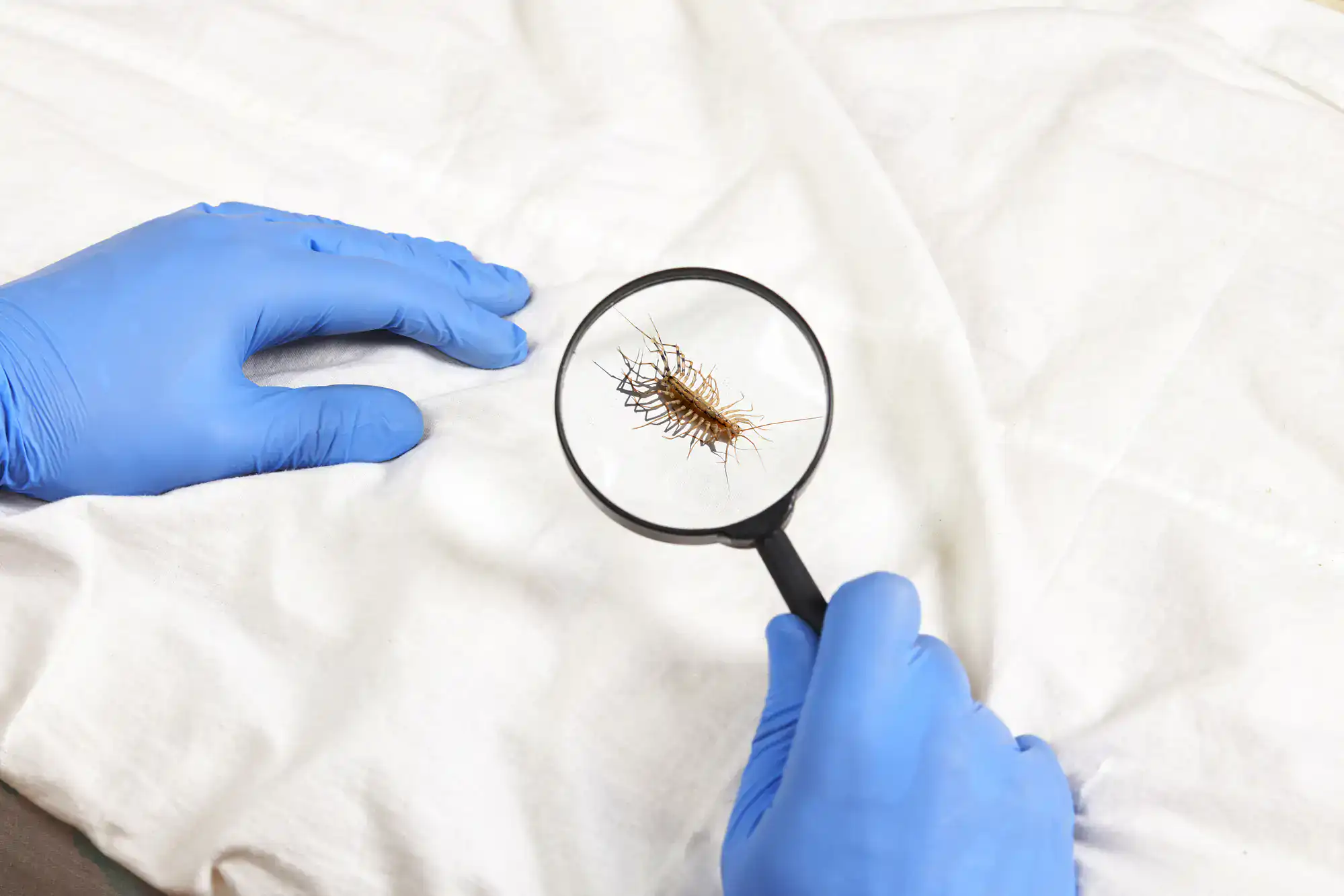
Honestly, yes and the refuge is exactly why. The Wertheim National Wildlife Refuge covers 2,400 acres of woodlands, marshes, and Carmans River waterways directly on Brookhaven hamlet’s eastern boundary. It supports documented populations of white-tailed deer, red fox, raccoon, mink, and other wildlife that carry ticks freely into adjacent residential yards. The refuge cannot be treated or managed for tick populations it’s federally protected land. That means the tick reservoir next door is permanent.
What professional treatment does is create a meaningful barrier between that wildlife corridor and the areas where your family actually spends time. DIY sprays applied to open lawn areas don’t address the wooded edges, brush borders, and transition zones where ticks actually concentrate. A properly designed, seasonally timed program applied by licensed professionals to the right zones makes a measurable difference even when you’re living adjacent to a federal wildlife refuge. The goal isn’t to eliminate every tick in the ecosystem. It’s to protect your property specifically, and that’s entirely achievable.
The short answer is early April, before the nymph population peaks. On Long Island’s South Shore, the maritime influence from the Great South Bay can bring warmer shoulder seasons, which means tick activity can start earlier in spring and persist later into fall than in more inland communities. Waiting until you see a tick on your dog or your child means you’ve already missed the most important treatment window.
Blacklegged deer tick nymphs are at their highest density from late April through June, and they’re the hardest to detect about the size of a poppy seed. That spring window is when most Lyme disease transmission happens. A first application in early April gets ahead of that surge. From there, applications every four to six weeks through October keeps coverage consistent through the fall adult tick activity period. Lone star ticks, which are also present in Brookhaven, are active across nearly the entire season, so consistent seasonal coverage isn’t optional if you want real protection.
Re-entry is typically safe within 30 to 60 minutes after the product has dried. Our NYSDEC-licensed technicians apply product to tick harborage zones wooded edges, brush borders, fence lines, shaded ornamental beds, and areas under decks not broadcast across the open lawn areas where children and pets spend most of their time. Targeted application means your family’s primary play areas receive minimal product contact while the zones where ticks actually live are treated directly.
The documented health risk of untreated tick exposure in Brookhaven, given the hamlet’s proximity to the Wertheim Refuge and Carmans River wildlife corridor, is measurably greater than the risk of professionally applied, properly targeted pest control. Our team will walk you through exactly what was applied and where after every visit.
Most standalone pest control companies treat the symptom. They apply product to your yard and move on. What they can’t address is the underlying lawn conditions that make your property more hospitable to fleas and ticks in the first place excess thatch, overgrown edges, poor drainage, and weak turf that creates the moist, shaded microhabitats ticks prefer.
We approach this differently because we’re a full-service lawn care company, not just a pest applicator. Our flea and tick control program can be paired with fertilization, aeration, and lawn restoration work that builds a denser, healthier turf one that’s less attractive to pests from the ground up. For Brookhaven properties with large wooded borders and established landscaping, that integrated approach matters. You’re not just suppressing the current tick population you’re making your property structurally less inviting to the next wave. No exterminator-only company can offer that combination, and it’s one of the clearest reasons why working with a company that has nearly 40 years of Suffolk County lawn expertise is different from calling a pest control franchise.
For most properties in Brookhaven, a minimum of three to four applications per season is the baseline but properties with significant wooded edges, deer pressure, or proximity to the Carmans River corridor often benefit from five to six. Applications spaced four to six weeks apart maintain consistent coverage across the full active season, from the spring nymph peak through the fall adult deer tick surge.
A single treatment does provide short-term knockdown, but tick populations rebound quickly especially on properties that border wildlife habitat. New ticks are introduced continuously by deer, small mammals, and birds moving through the Wertheim Refuge and the Carmans River riparian corridor. Without consistent seasonal coverage, you’re essentially starting over after each gap in treatment. The right number of applications for your specific property depends on your lot size, the extent of your wooded borders, and how much deer activity you see. We assess all of that before recommending a program, so you’re not paying for more than you need or getting less than your property actually requires.
It comes down to geography. Brookhaven hamlet has three overlapping factors that most other communities in Suffolk County don’t share simultaneously. First, the Wertheim National Wildlife Refuge sits directly on the hamlet’s eastern boundary 2,400 acres of protected land that functions as a permanent, untreatable tick reservoir. Second, the Carmans River runs along that same eastern edge, and the riparian vegetation, moist soil, and dense wooded banks along the river are some of the most favorable tick harborage conditions that exist on Long Island. Third, Brookhaven hamlet has some of the lowest population density in Suffolk County under 600 people per square mile which means large lots with significant wooded borders and natural areas that give ticks abundant habitat right inside residential properties.
The Metropolitan Area region of New York, which includes Long Island, recorded the highest blacklegged tick nymph density in the state between 2020 and 2024, and Suffolk County is consistently among the top three counties statewide for confirmed Lyme disease cases. Brookhaven hamlet, sitting at the intersection of a federal wildlife refuge, a wildlife river corridor, and a low-density, wooded residential landscape, sits at the high end of that already elevated regional risk.
Useful Links
Other Services we provide in Brookhaven