
Hear from Our Customers
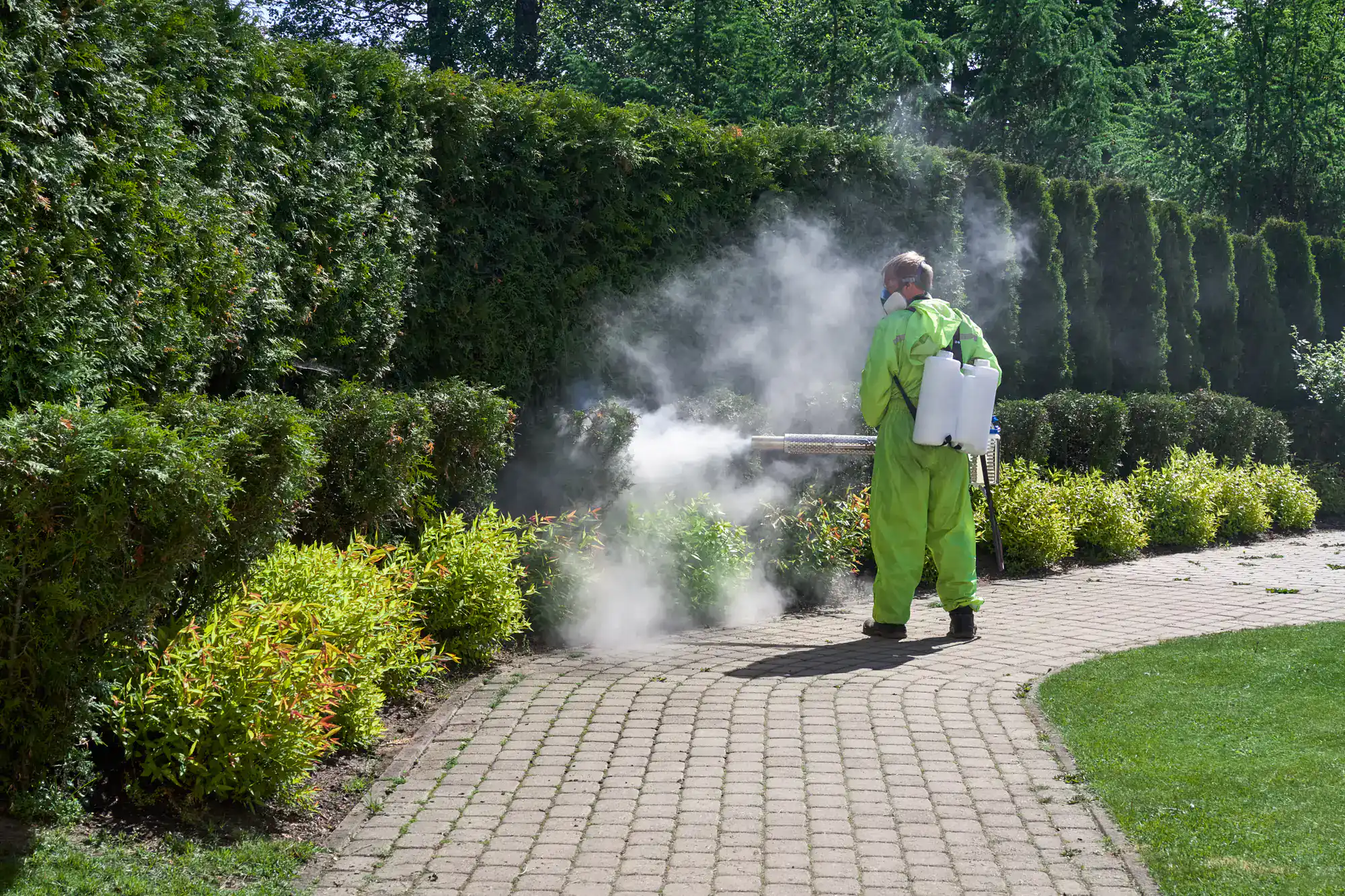
Right now, if you’re thinking twice before letting your kids run out back or your dog roam the yard, that’s the problem we solve. Ticks don’t announce themselves. The nymphal deer ticks active in May and June are the size of a poppy seed nearly impossible to spot before they’ve already bitten. In Gordon Heights, the pressure is real. Cathedral Pines County Park sits directly adjacent to this community, and the deer that move through that 320-acre wooded corridor don’t stop at your property line.
What changes after a proper seasonal program isn’t just the pest count it’s how you use your outdoor space. Kids playing near Bartlett Pond Park, dogs coming in from the backyard, evenings on the patio without checking yourself head to toe afterward. That’s what this is actually about. A yard that works for your family instead of one you’re quietly avoiding.
The other thing worth knowing: a healthy, well-maintained lawn is a less hospitable environment for ticks from the ground up. Thatch buildup, overgrown borders, and moisture-retaining turf are exactly the conditions fleas and ticks thrive in. Treating the pest without addressing the lawn is a short-term fix. We handle both.
We’ve been serving Gordon Heights and central Suffolk County since 1987. That’s not a tagline it means our team has treated lawns in this area through decades of seasonal shifts, changing tick populations, and the kind of local knowledge that only comes from actually being here. Gordon Heights and the surrounding Longwood Central School District communities Middle Island, Coram, Medford, Ridge are part of the territory we’ve worked for years.
Every technician we send to your property holds an active NYSDEC pesticide applicator license. That’s a legal requirement in New York State, and it’s not something every company in this market takes seriously. We do. Licensed applicators are trained in product selection, proper application rates, and how to identify the harborage zones that matter most like the wooded transition areas along the Cathedral Pines border.
Owner-level expertise is on every job. Not a seasonal crew member following a checklist someone who actually understands your lawn and what it needs.
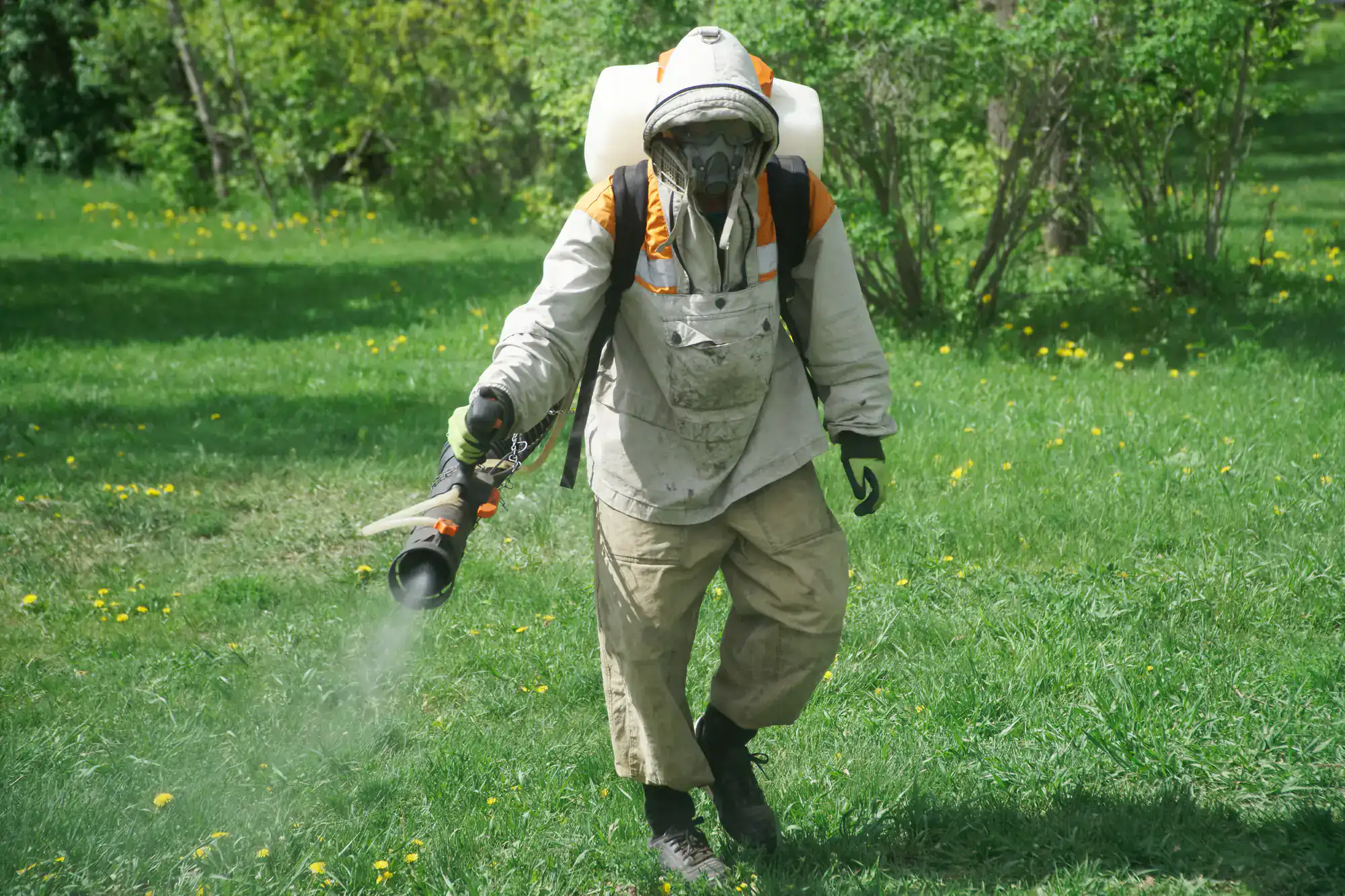
It starts with understanding your specific property. A yard in Gordon Heights that backs up to the wooded edge near Cathedral Pines needs a different approach than one on an open residential street. We look at your wooded borders, shaded areas, ornamental beds, fence lines, and any spots where deer activity is likely because those are the zones where ticks concentrate, not just the middle of your lawn.
From there, we build a seasonal program around Long Island’s actual tick calendar. The first application goes down in early April, targeting the spring buildup before nymphal deer ticks hit their peak in May and June. Applications continue on a roughly 30-day cycle through the season, with coverage maintained through the fall adult tick resurgence in September and October. Each treatment holds for four to six weeks, which is why consistent scheduling matters a single spray and done approach leaves your family exposed for most of the year.
The products we use are applied at professionally calibrated rates to the areas that actually need treatment. Re-entry is typically safe within 30 to 60 minutes of the application drying. After each visit, you know what was done and when the next treatment is scheduled. No chasing anyone down for updates.
Ready to get started?
Flea and tick control in Gordon Heights isn’t a one-size approach. Properties near the Cathedral Pines and Prosser Pines wooded corridor carry a different risk profile than more open suburban yards elsewhere in Suffolk County. Our treatment program reflects that targeting the brush borders, ornamental plantings, fence lines, shaded beds, and lawn perimeter zones where ticks actually live, not just the open turf where they don’t.
Our programs are built for season-long protection, not a single-visit fix. The seasonal structure covers the two documented tick activity peaks on Long Island: nymphal deer ticks in late spring and adult deer ticks in the fall. Lone star ticks increasingly common across central Brookhaven Town extend the active window, which is why programs run from early spring through October. Three applications provide a solid foundation; six applications provide the most complete coverage through the full season.
Because we also handle fertilization, aeration, and full lawn care, the program can address the lawn conditions that make your yard more inviting to pests in the first place. That’s something a standalone pest control company simply can’t offer. You get a healthier lawn and a more defensible one at the same time.
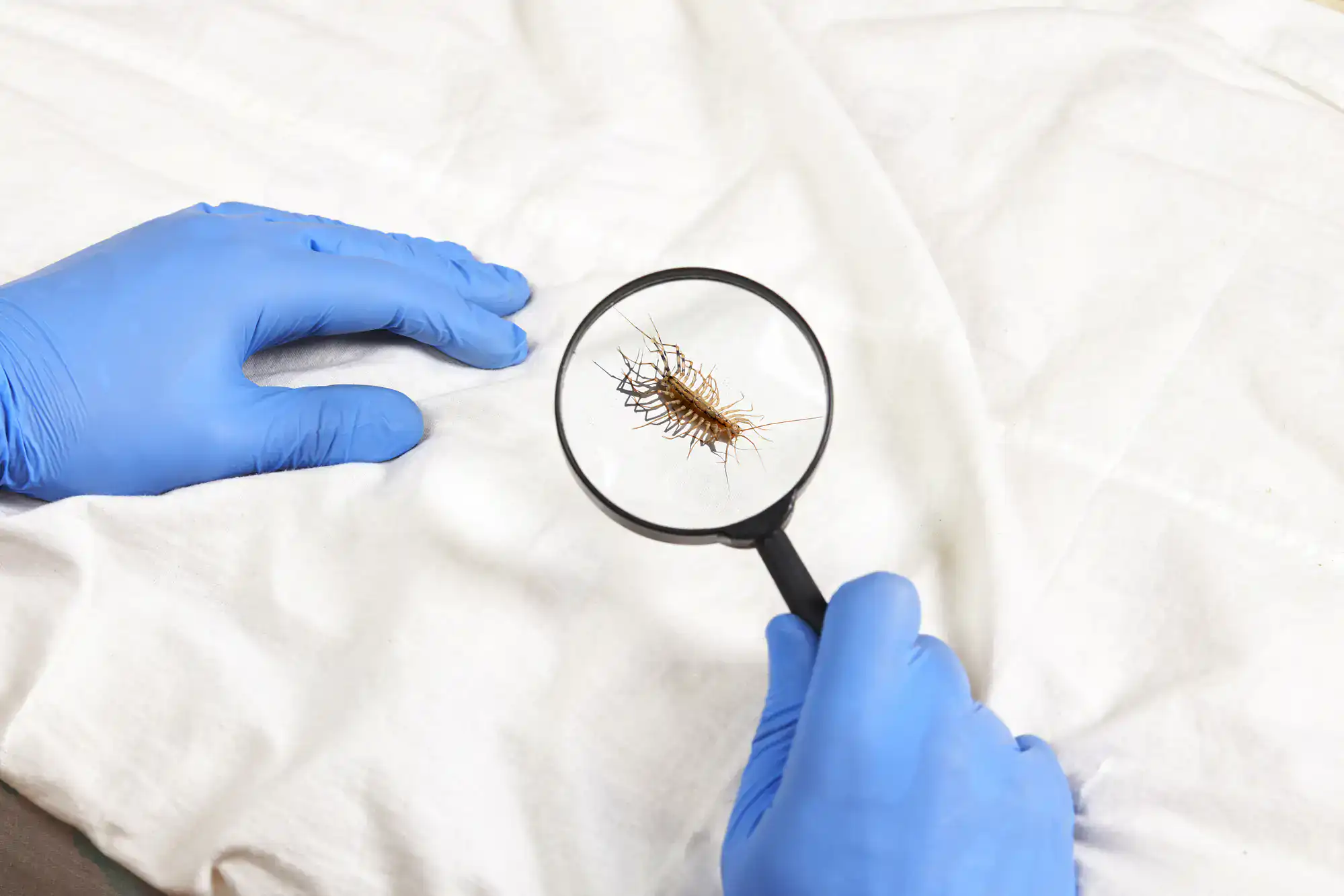
Gordon Heights sits in one of the higher-risk tick zones in all of Suffolk County. Cathedral Pines County Park a 320-acre forested area that runs directly adjacent to the community along Yaphank Middle Island Road is a documented tick habitat. AllTrails reviewers specifically flag ticks as a known hazard in that park, and the white-tailed deer that move through that corridor regularly cross into Gordon Heights residential yards, bringing ticks with them.
Columbia University research found that 56% of ticks on Long Island carry Lyme disease, and the Suffolk County Department of Health Services has noted that rates in central Brookhaven Town the area where Gordon Heights is located may run even higher than the county average. New York State recorded over 19,000 Lyme disease cases in 2023 alone. For a community positioned right at the edge of a large wooded corridor, that’s not background noise. It’s a real, local risk that warrants a real seasonal program.
This is the first question most Gordon Heights families ask, and it’s the right one. When applied by a licensed professional at properly calibrated rates, the treatments we use in our programs are safe for children and pets once the application has dried which typically takes 30 to 60 minutes depending on conditions. NYSDEC-licensed applicators are trained specifically in safe, targeted application: treating the harborage zones where ticks concentrate, not broadcast-spraying across areas your family uses most.
It’s also worth putting the risk in context. Lyme disease, babesiosis, and Powassan virus are all documented in Suffolk County ticks. Babesia microti the pathogen behind babesiosis was found in 17% of nymphal ticks in Suffolk County in a Columbia University study, more than double the rate found in Connecticut. The risk of an untreated yard, especially one near wooded areas like the Cathedral Pines corridor, is significantly greater than the risk of a professionally managed, properly applied seasonal program.
On Long Island, tick season runs longer than most people expect. Activity starts as early as late February or March during warm stretches, builds through spring, peaks with nymphal deer ticks in May and June, dips slightly in midsummer heat, and surges again with adult deer ticks in September through October. Lone star ticks increasingly common across central Brookhaven Town stay active through the end of fall, extending the window further.
A single application holds for roughly four to six weeks. Three seasonal applications provide meaningful protection across the major activity windows. Six applications provide the most complete coverage from spring through fall. For Gordon Heights properties that border or sit near the Cathedral Pines wooded corridor, the higher-frequency program is worth considering deer pressure in that area is consistent, which means tick introduction into residential yards happens throughout the season, not just in one window.
You can, and a lot of Gordon Heights homeowners have tried it. The Home Depot at Coram Plaza is about two miles away, so the products are accessible. The honest answer is that consumer-grade tick sprays work to a degree, but they fall short in a few consistent ways. The concentrations are lower than what licensed professionals use. The application is typically less targeted most homeowners spray the lawn surface and miss the brush borders, ornamental beds, shaded fence lines, and woodland edges where ticks actually spend most of their time. And the timing and frequency required for real season-long protection is harder to manage without a scheduled program.
For a yard with modest tick pressure, DIY might be enough. For a property in Gordon Heights particularly one near the wooded transition zones along Cathedral Pines the gap between a store-bought spray and a professionally managed seasonal program is meaningful. Licensed applicators know where to treat, what to use, and how to time it across the season.
Earlier than most people think. Deer ticks can become active on Long Island as early as late February or early March when temperatures stay consistently above freezing. By the time most homeowners start thinking about tick control in May, nymphal deer ticks are already at peak density and those nymphs are the most dangerous ones because they’re the size of a poppy seed and nearly impossible to find before they’ve already bitten.
The right time to start a program in Gordon Heights is early April. That gets the first application down before the nymphal peak, which is the highest-risk window for Lyme disease transmission. From there, the program runs on a roughly 30-day cycle through the season, with the fall applications covering the adult deer tick resurgence in September and October. Starting late means you’ve already missed the most critical window and in a community sitting next to Cathedral Pines, that’s not a gap worth taking.
Yes Gordon Heights falls within our service area in central Brookhaven Town, and we’ve been operating throughout central Suffolk County since 1987. The surrounding communities that share Gordon Heights’s school district Middle Island, Coram, Medford, and Ridge are all part of the territory we’ve worked for years. For a tight-knit community like Gordon Heights, where neighbors talk and referrals carry real weight, that existing presence in the Longwood Central School District area matters.
What’s also worth knowing is that we don’t subcontract or send rotating labor crews. Every technician holds an active NYSDEC pesticide applicator license, and the owner is directly involved in the work. For a community with a long history of having to advocate for quality service, that level of accountability isn’t something to take for granted it’s exactly what you should expect, and it’s what we deliver.
Useful Links
Other Services we provide in Gordon Heights