

Hear from Our Customers
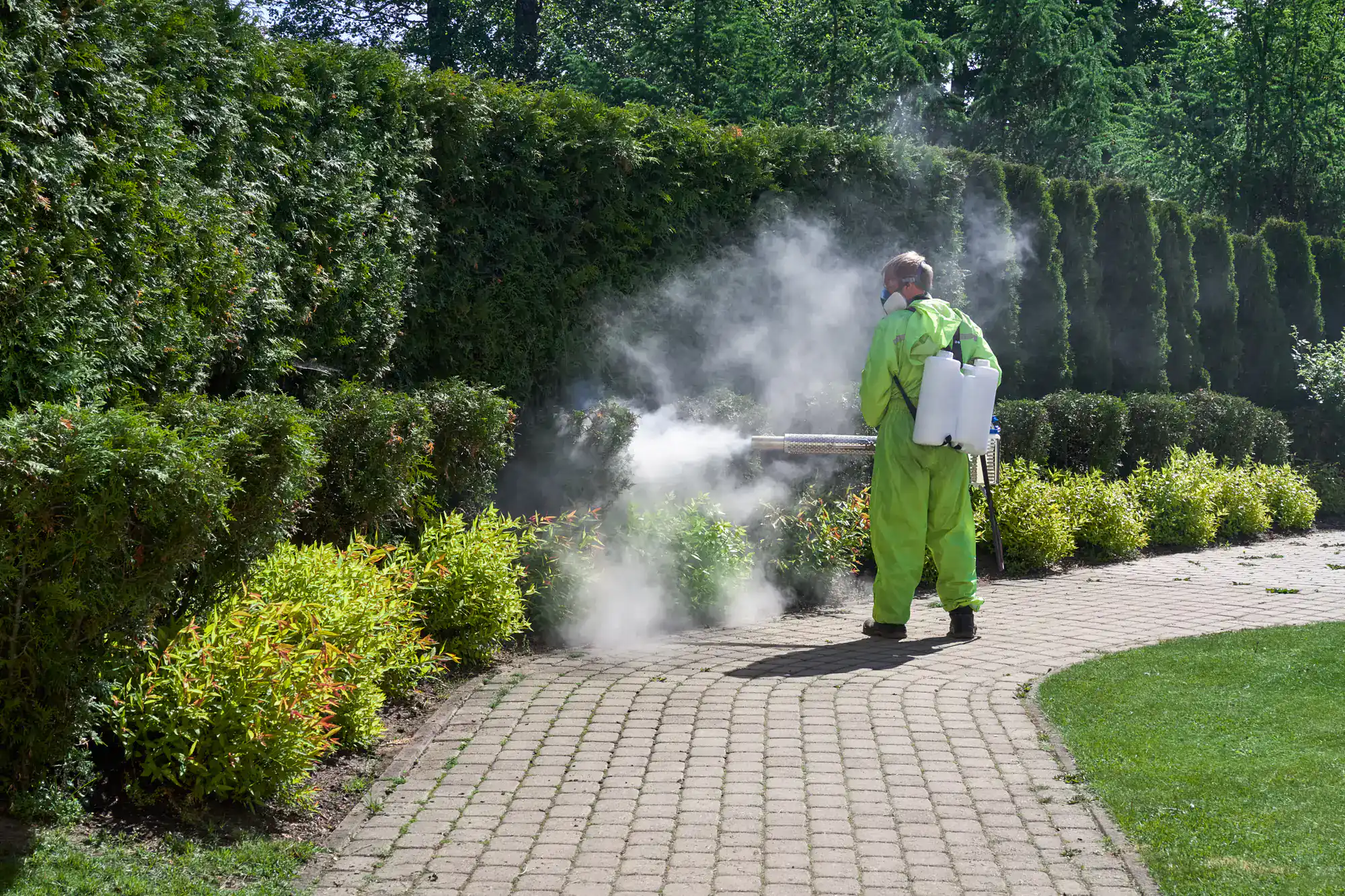
When flea and tick pressure is real, you start making small compromises without realizing it. You keep the dog off the back lawn. You tell the kids to stay near the porch. You check everyone’s legs after they come inside. That’s not how you should be using your yard especially when you’ve put real money into the property.
Lake Ronkonkoma sits around a glacial lake with no surface outlet, which means the shoreline vegetation is dense and permanent year-round. That’s not a seasonal problem. The wooded buffer zones, the mature trees, the leaf litter that builds up along the property edges these are exactly the conditions ticks thrive in. If your lot backs up toward Lake Ronkonkoma County Park, the Robert J. Henke Nature Preserve, or the lake’s edge itself, you’re dealing with continuous reinfestation pressure, not a one-time issue a single spray can solve.
A properly executed seasonal program changes the equation. You stop reacting and start getting ahead of it. The yard becomes usable again for your kids, your pets, your summer. That’s the actual outcome here.
We’ve been treating Suffolk County properties since 1987. That’s not a tagline it’s just the truth. Long before most pest control companies operating in this area existed, we were already learning the specific conditions, seasonal rhythms, and pest pressure patterns that define Lake Ronkonkoma and the surrounding communities.
The Sachem Central School District headquartered right here on School Street in Lake Ronkonkoma connects this community in ways that make reputation matter. Families talk. Neighbors compare notes. A company that’s been trusted in Sachem households for nearly four decades has earned that standing the hard way: by showing up, doing the work right, and being accountable when something needs attention.
Every job runs through owner-level expertise. We send licensed pesticide professionals not labor-only crews and use custom-tailored programs built around your specific property, not a one-size-fits-all spray schedule.
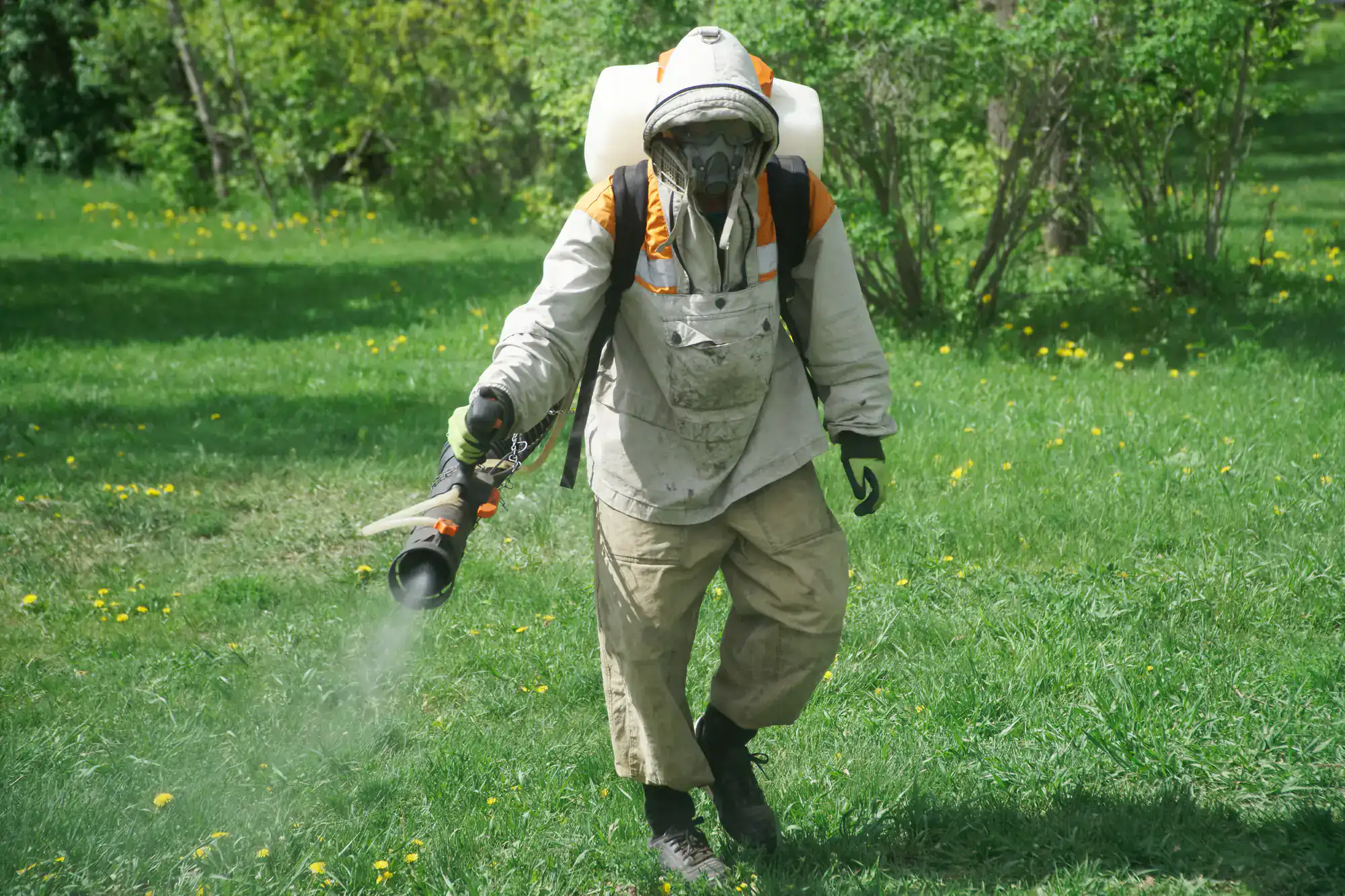
It starts with an honest look at your property. Lake Ronkonkoma’s older housing stock many of these homes were originally resort-era cottages from the 1920s and 1950s, converted to year-round use tends to have established landscaping, dense ornamental beds, and natural transition zones that create tick harborage. A licensed professional walks the property, identifies the actual risk zones, and builds the program around what’s there, not a standard template.
From there, treatments are timed around how ticks actually behave on Long Island. Nymphal deer ticks peak in May and June they’re roughly the size of a poppy seed and responsible for the majority of Lyme disease transmissions. That’s your most critical window, and it needs to be covered before it arrives, not after. Adult ticks surge again in the fall, so a complete seasonal program includes a late-season application as well. Flea pressure tends to follow warm months but can persist indoors year-round in established homes with pets and carpeting.
After each treatment, re-entry is typically safe within 30 to 60 minutes of the product drying. The program runs on a schedule, and you’ll receive seasonal reminders so nothing slips through. Online invoice payment is available no phone tag, no paperwork.
Ready to get started?
Flea and tick control in Lake Ronkonkoma isn’t the same as treating a flat, open lot in a newer development. The glacial kettle terrain around the lake creates pockets of moisture retention and dense vegetation that support tick survival even during dry stretches when inland tick populations drop. Properties near Raynor Beach County Park, the lake’s shoreline, or the wooded edges of established neighborhoods face a different level of pressure than a comparable home in Holbrook or Holtsville and the program needs to reflect that.
We target the specific harborage zones where ticks actually live: the wooded border at the property’s edge, the undersides of shrubs, the transition areas between maintained lawn and natural growth, and the deer pathways that run through established neighborhoods. All three tick species documented in Suffolk County deer ticks, American dog ticks, and lone star ticks are treated as part of the program. New York State requires NYSDEC Commercial Pesticide Applicator certification for any commercial pesticide application, and every one of our technicians holds that license.
Because we also handle full lawn care fertilization, aeration, seeding a well-maintained turf is part of the long-term pest management picture. Thatch buildup and overgrowth create flea and tick habitat. A healthy lawn reduces it. That’s an advantage no standalone pest control company in this area can offer.
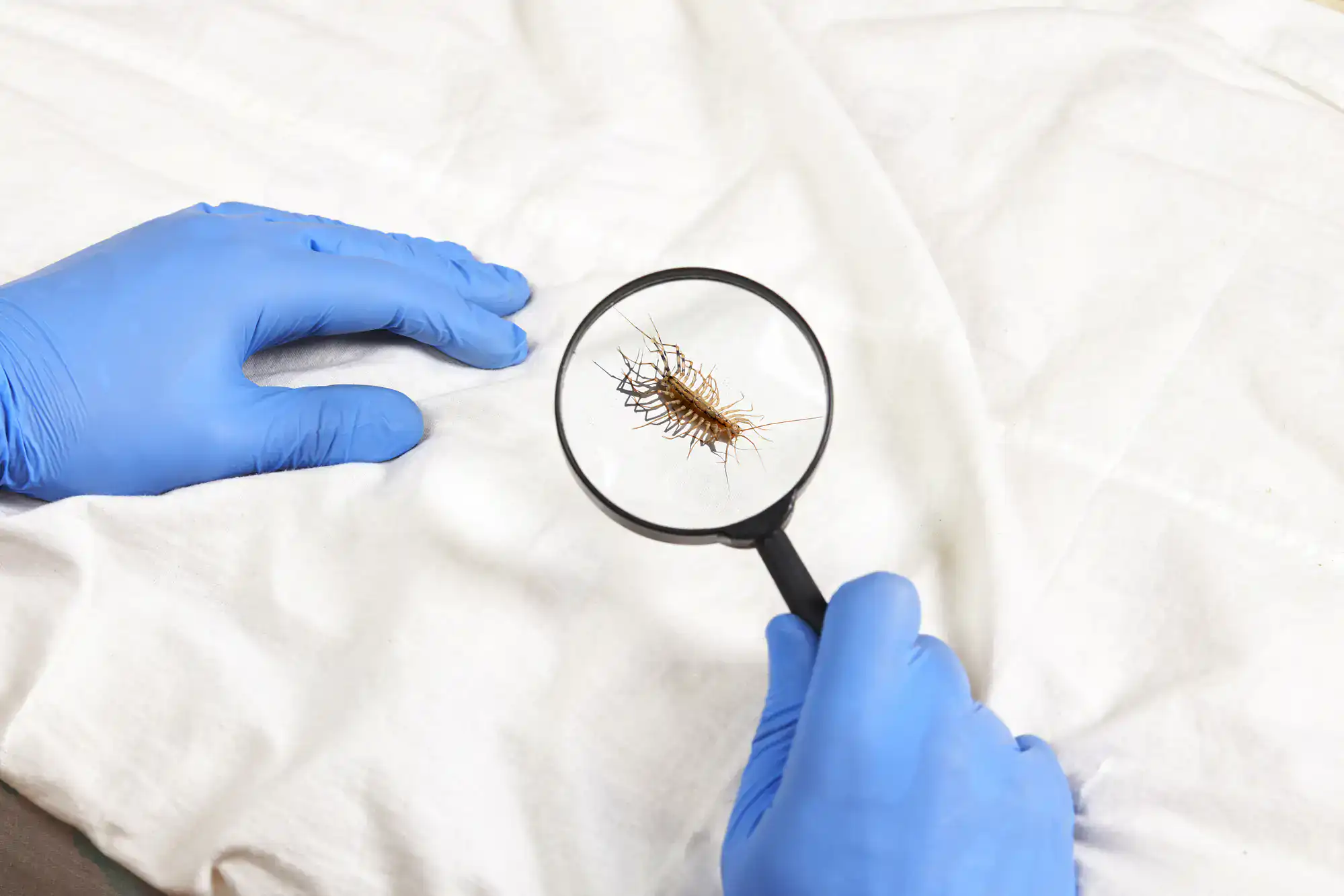
Lake Ronkonkoma sits around Long Island’s largest freshwater lake a glacial kettle hole that has no surface outlet, meaning its shoreline vegetation is dense and permanent regardless of the season. That creates a year-round wildlife corridor. Deer, white-footed mice, and other small mammals move through the area constantly, and those animals are the primary hosts that carry ticks directly into residential yards. The wooded buffer zones and mature trees that characterize the older properties around Lake Ronkonkoma add to that pressure significantly.
Compare that to a newer development in Farmingville or Holtsville, where lots are more open and the landscaping is younger. Lake Ronkonkoma’s established, resort-era housing stock many homes originally built as summer cottages in the 1920s through 1950s sits on lots with decades of leaf litter accumulation and natural transition zones that are ideal tick harborage. It’s a genuinely different environment, and it requires a program that accounts for those specific conditions rather than a standard perimeter spray.
The short answer is earlier than most people think. On Long Island, nymphal deer ticks become active in late April and peak through May and June. These are the ticks responsible for the majority of Lyme disease transmissions, and they’re roughly the size of a poppy seed small enough that most people never see them before they bite. By the time you notice a problem, the peak window has already passed.
For Lake Ronkonkoma specifically, the lake’s moderating effect on the local microclimate can extend the effective tick season at both ends slightly warmer in fall, slightly cooler in spring compared to more inland communities. That means the treatment window here is a bit wider than in areas further from the water. A complete program typically covers a spring application before nymph season peaks, a summer maintenance treatment during peak outdoor use, and a fall application targeting the adult tick surge in September through November. Starting the conversation in late winter or early spring before the season opens is the right move.
This is a fair question, and it comes up often in this community. Lake Ronkonkoma has no surface outlet it’s fed entirely by groundwater which means whatever goes into the local environment eventually interacts with the water table. The recurring harmful algal blooms the lake has experienced in recent summers, linked in part to nutrient runoff from surrounding properties, have made residents here more attuned to what’s being applied on their lawns and how.
We use EPA-registered products applied by NYSDEC-licensed professionals in targeted amounts to specific harborage zones. This isn’t a broadcast spray across your entire yard. It’s a precision application to the areas where ticks actually live wooded borders, shrub undersides, transition zones which minimizes the total volume of product used and reduces the risk of runoff. That approach is both more effective for tick control and more responsible from an environmental standpoint. If you have specific concerns about a particular product or application method near your property’s edge, that’s a conversation worth having before the first treatment.
Yes, and the difference matters more than most people realize. A standalone pest control company comes in, sprays for ticks, and leaves. That’s the beginning and end of their involvement with your yard. We approach the property differently because lawn health and pest pressure are connected. Thatch buildup, overgrown ornamental beds, poor drainage, and unmanaged transition zones between your maintained lawn and natural areas all create habitat where fleas and ticks thrive. Treating for pests without addressing those conditions is like mopping the floor while the faucet is still running.
Because we handle full lawn care fertilization with a custom blended formula, aeration, seeding, weed control a healthier, better-maintained turf is part of the long-term pest management picture. Fewer harborage zones mean less reinfestation pressure between treatments. For Lake Ronkonkoma properties with established landscaping, mature trees, and the kind of dense vegetation that comes with older lots, that integrated approach makes a real difference over the course of a season.
New York State requires a NYSDEC Commercial Pesticide Applicator certification for any company applying pesticides commercially on residential properties. This isn’t a registration or a general business license it’s a specific credential that requires passing state examinations, completing required training hours, and maintaining active certification through renewal every three years. Any company that can’t confirm their technicians hold this certification is operating outside state law, and it’s more common than most homeowners expect.
You can verify a company’s NYSDEC pesticide applicator license directly through the New York State Department of Environmental Conservation’s online database. It takes about two minutes and gives you a straightforward answer. In Lake Ronkonkoma where families are conscious of what’s being applied near the lake’s watershed and near their children this isn’t a minor detail. It’s the baseline. We employ licensed professionals on every job, and that’s something you can verify before you ever pick up the phone.
Yes, ticks can reinfest after treatment and in Lake Ronkonkoma, the reinfestation pressure is higher than in many other communities. The lake, the adjacent county parks, and the wooded corridors running through established neighborhoods create a constant source of new tick introduction. Deer cross property lines. Wildlife moves through yards. A single treatment in May doesn’t hold through October, especially on a property with wooded borders or proximity to the lake’s shoreline.
That’s why a seasonal program not a one-time spray is the standard recommendation for properties in this area. A properly structured program typically includes three to four applications timed around the biological activity of each tick species: a spring treatment before nymph season, a midsummer maintenance application, and a fall treatment targeting adult ticks. Between applications, basic yard habits help extend the protection: keeping grass cut, clearing leaf litter from property edges, and trimming back vegetation along fence lines and wooded borders. The goal is to make your yard a genuinely inhospitable environment for ticks throughout the season, not just for a few weeks after a single visit.
Useful Links
Other Services we provide in Lake Ronkonkoma