
Hear from Our Customers
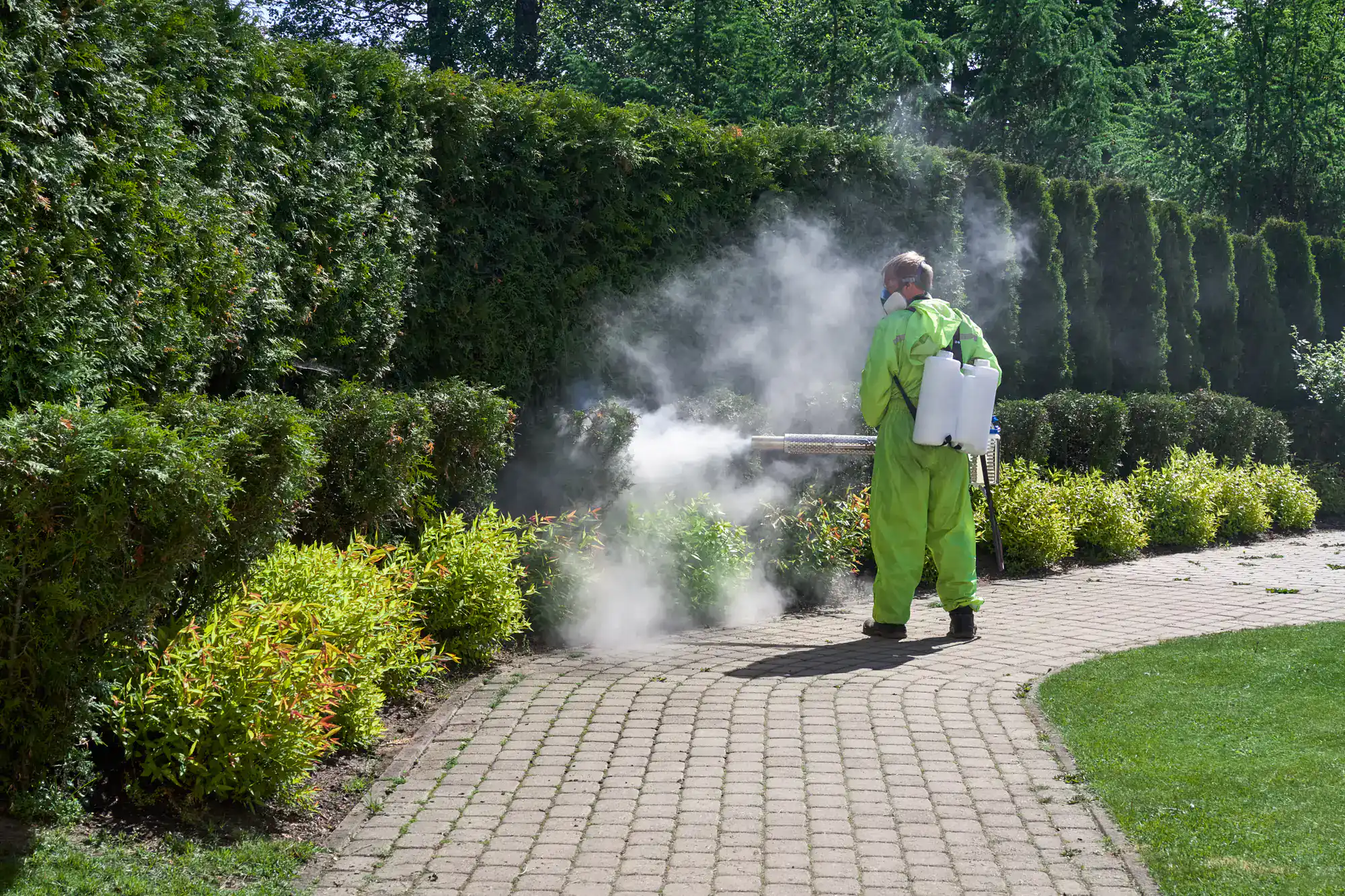
There’s a reason tick pressure in Ridge hits differently than in most Long Island towns. Your property backs up to scrub oak, mature pine, and the kind of dense wooded edges that deer move through freely and every deer that crosses your yard is carrying ticks with it. The Rocky Point Pine Barrens State Forest sits just outside your door. That’s just geography.
What a proper seasonal program actually gives you is the ability to use your yard again. Let your dog out without scanning every inch of their coat. Let your grandkids play on the grass without running them through a tick check the moment they come inside. That’s the real outcome not just a treated lawn, but a yard that feels safe to be in.
For homeowners in the Leisure communities north of Route 25, there’s something worth knowing: your HOA handles the lawn, but they’re not sending out a licensed pesticide applicator for targeted tick treatment. That’s a separate service, and it’s one most residents don’t think about until they find a tick on the patio. The wooded perimeters around those private units carry the same pressure as any wooded lot in Ridge. We provide the professional program that covers what the HOA doesn’t.
We’ve been operating in Suffolk County since 1987. That’s not a number we throw around lightly it means we’ve been treating properties along Middle Country Road and the William Floyd Parkway corridor long before most of Ridge’s current housing developments were finished. We know this area because we’ve worked it, season after season, for decades. Ridge residents have trusted us for nearly four decades because we’re here, we’re local, and we understand the specific tick pressure that comes with living this close to the Pine Barrens.
Every job is handled by a licensed pesticide professional not a labor-only crew sent out with a sprayer and a clipboard. New York State requires NYSDEC certification for any commercial pesticide application, and every Lawn Master technician meets that standard. That matters when you’re talking about products being applied near your kids, your pets, and your property near protected Pine Barrens land.
We’re not a franchise. We’re not a national chain with a Suffolk County phone number. We’re a local company with five fully wrapped professional trucks, a proprietary fertilizer blend, and an owner who’s accountable for every property we touch.
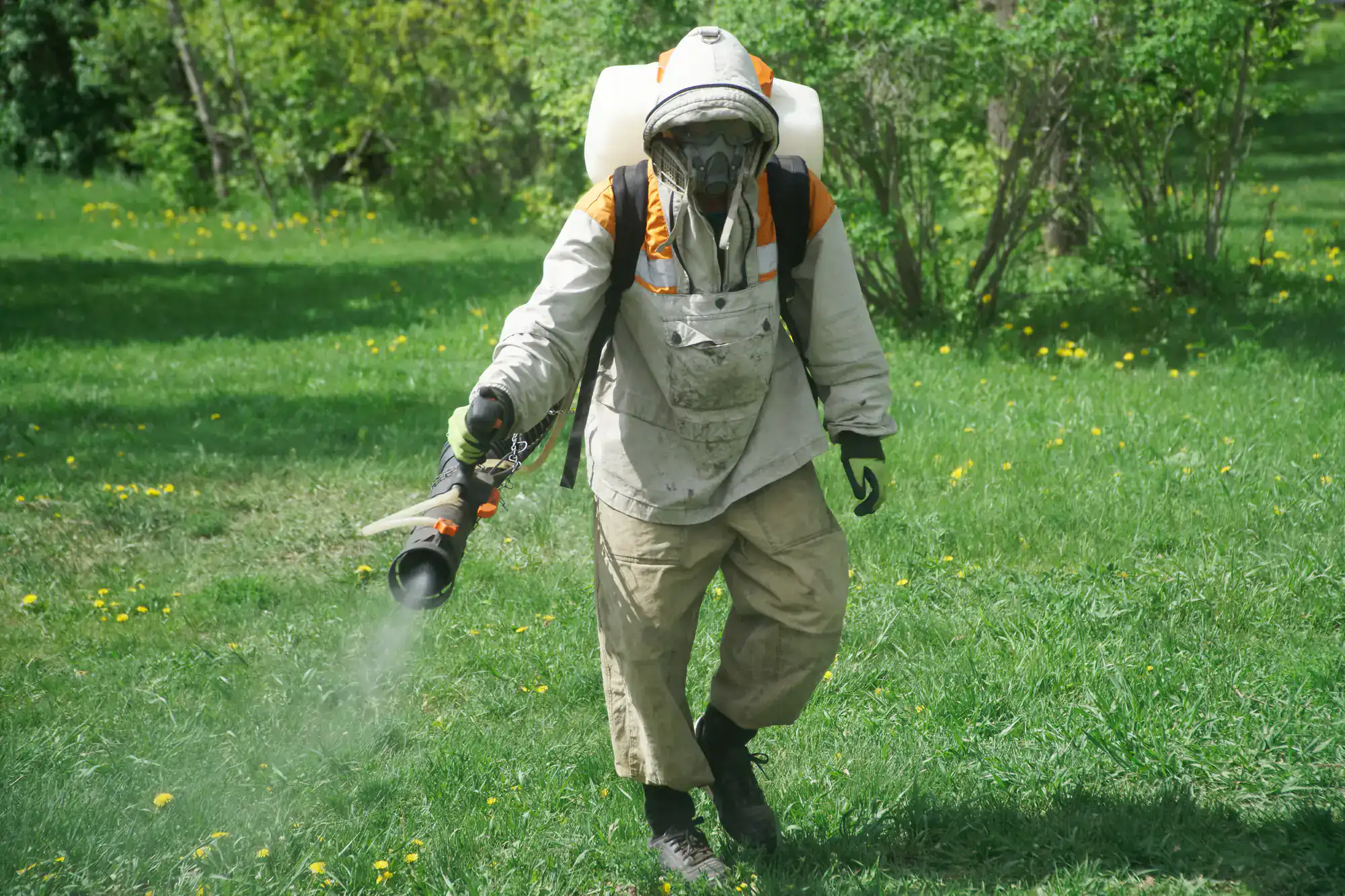
It starts with a property assessment. Ridge lots vary a lot a wooded split-level south of Route 25 has a completely different tick pressure profile than a patio unit in Leisure Glen. Before anything gets applied, we look at your specific property: where the wooded margins are, where deer are likely moving through, where leaf litter and shrub beds are creating harborage zones. That assessment drives everything else.
From there, we build a seasonal program around Long Island’s actual tick calendar. Treatments begin in early April before nymphal deer tick populations peak in May and June. That timing matters because nymphal ticks are the size of a poppy seed. By the time you’re finding them, you’ve already been exposed. A fall treatment round targets the adult tick surge that runs from September through November, which is especially relevant in Ridge given the Lone Star Tick activity documented in the surrounding Pine Barrens scrub oak habitat.
Each application is handled by a licensed professional using commercial-grade equipment. We treat the full property lawn surface, shrub beds, wooded transition zones, fence lines, and leaf litter margins not just the perimeter. After treatment, we’ll tell you exactly when it’s safe to re-enter the yard with your pets and family. No guesswork, no vague timelines.
Ready to get started?
Flea and tick control in Ridge isn’t a single spray and done. The Pine Barrens proximity means tick pressure comes from multiple directions the wooded border behind your property, deer moving through your yard, and the vast undeveloped habitat that sits directly adjacent to residential streets on both sides of Route 25. A program that doesn’t account for that isn’t really a program.
What we deliver is a custom-tailored seasonal treatment plan not a package pulled off a shelf. We use professional-grade products that include Insect Growth Regulators to interrupt the flea life cycle at the egg and larval stage, which consumer sprays from the hardware store typically don’t include. Combined with commercial hydraulic equipment that delivers consistent product coverage across the full property, the results are measurably different from what a DIY approach can achieve.
For Ridge homeowners specifically, we pay close attention to the wooded transition zones that define so many properties south of Route 25 the edges where your lawn meets the tree line, the scrub, or the leaf litter. That’s where ticks live in the highest concentrations. We also treat ornamental beds, patios, and the private outdoor spaces that residents of Leisure Village, Leisure Knoll, and Leisure Glen use regularly but that fall outside what their HOA lawn service covers. Every treatment plan reflects your actual property not a ZIP code average.
Ridge is genuinely one of the higher-risk areas on Long Island, and the reason is geographic. The hamlet sits at the official gateway to the Long Island Central Pine Barrens there’s actually a sign in the center of Ridge marking it as such. The Rocky Point Pine Barrens State Forest spans nearly 6,000 acres directly adjacent to Ridge’s residential areas, and the Brookhaven Pine Barrens State Forest sits east of William Floyd Parkway, north of Route 25 essentially within the hamlet’s own footprint. That’s not background wilderness. That’s the habitat immediately behind and around residential properties.
Brookhaven National Laboratory, about four miles north of Ridge via William Floyd Parkway, has conducted active research on Lyme disease in the surrounding Pine Barrens and confirmed that the area contains all three elements needed for sustained transmission: the bacteria, the ticks, and the host mammals that feed them. Suffolk County already ranks among New York State’s highest counties for confirmed Lyme disease cases. For Ridge specifically, the Pine Barrens proximity puts it in a category of elevated exposure that most other Long Island towns simply don’t share.
There are three tick species active in the Ridge area. The deer tick also called the blacklegged tick is the primary carrier of Lyme disease and the one most residents are concerned about. It lives at the edges of forests and in leaf litter, which describes a large portion of Ridge’s residential lot character, particularly south of Route 25 where homes sit back on wooded lots with mature oaks and pines. A Columbia University study found that 56% of Long Island ticks carry Lyme disease, and Suffolk County health officials have noted that rates in some areas may run even higher.
The American dog tick is larger and more visible, but it can transmit Rocky Mountain spotted fever. The Lone Star tick is the third species and is particularly relevant in Ridge because it thrives in scrub oak habitat which is exactly what defines the Pine Barrens surrounding the hamlet. The Long Island Pine Barrens Society has specifically identified scrub oak environments as ideal territory for Lone Star Ticks. All three species are active from spring through fall, with the deer tick also capable of biting on warm winter days above freezing.
The short answer for Long Island properties is early April, before the highest-risk window opens. Overwintered adult deer ticks become active with the first warm spells in late March, but the real danger period is May through June when nymphal deer ticks reach peak density. Nymphs are roughly the size of a poppy seed they’re nearly impossible to spot on skin or a dog’s coat before they’ve already bitten. This is the life stage responsible for the majority of Lyme disease transmissions, and by the time you notice a tick problem on your property, the exposure has already happened.
In Ridge, starting before the nymphal peak is especially important because the Pine Barrens habitat adjacent to residential areas sustains a large and continuous tick population. There’s no natural barrier between the forest and your yard ticks migrate with deer and small mammals throughout the season. A second treatment round in fall, targeting the adult tick surge from September through November, rounds out a complete seasonal program. Waiting until you find a tick to start treatment is the most common mistake homeowners make, and it’s the most preventable one.
Yes when applied correctly by a licensed professional, the products we use in our tick control programs are safe for pets and children once the treated area has dried. Drying time is typically one to two hours depending on conditions, and our technician will give you a specific re-entry window for your property before they leave. You shouldn’t need to guess or search for that information.
The distinction that matters here is licensing. New York State requires NYSDEC Commercial Pesticide Applicator certification for anyone applying pesticides commercially. That certification requires 30-plus hours of training, a state exam, and active license renewal. A certified applicator knows how to select the right products, apply them at the right rates, and communicate clearly about safety timelines. An unlicensed crew does not have that training, and the difference shows both in results and in how they handle the safety conversation. We use licensed professionals on every job in Ridge, which means the safety guidance you receive is based on actual product knowledge, not a guess.
This is one of the most common misconceptions among residents in Ridge’s 55-plus communities. Leisure Village, Leisure Knoll, and Leisure Glen all include exterior lawn care in their HOA fees but general lawn maintenance and professional pesticide application for flea and tick control are two entirely different services. The crew that mows and trims your common areas is not a licensed pesticide applicator conducting targeted tick treatments on your private yard, patio, or garden space.
If you have a dog, if your grandchildren visit and use your outdoor areas, or if you spend time on your private patio or in your garden, you need a separate professional treatment program for those spaces. The wooded perimeters around individual units in these communities carry the same tick pressure as any wooded lot in Ridge the Pine Barrens doesn’t stop at the gatehouse. We can treat the private areas of your Leisure community unit the spaces the HOA doesn’t cover with a program tailored to your specific layout, pet situation, and how you actually use your outdoor space.
The products available at retail stores are consumer-grade formulations lower concentration, shorter residual, and in most cases missing Insect Growth Regulators entirely. IGRs are the component that interrupts the flea life cycle at the egg and larval stage, which is where the problem actually lives. Without them, you’re treating the adults you can see while the next generation is already developing in your lawn. Our professional-grade products include IGRs as a standard component, which is a meaningful difference in how completely the treatment works.
The application equipment matters just as much as the product. A homeowner with a garden sprayer cannot replicate the coverage that commercial hydraulic equipment delivers across a full property especially on a Ridge lot with wooded margins, shrub beds, and leaf litter zones that need consistent penetration. Many Ridge homeowners have tried the DIY route, gotten inconsistent results, and found ticks on their dogs or kids anyway. That gap between what a store product can do and what a professional program delivers is exactly why those results are inconsistent. It’s not that you applied it wrong it’s that the product and equipment weren’t built for the job your property actually requires.
Useful Links
Other Services we provide in Ridge