Hear from Our Customers
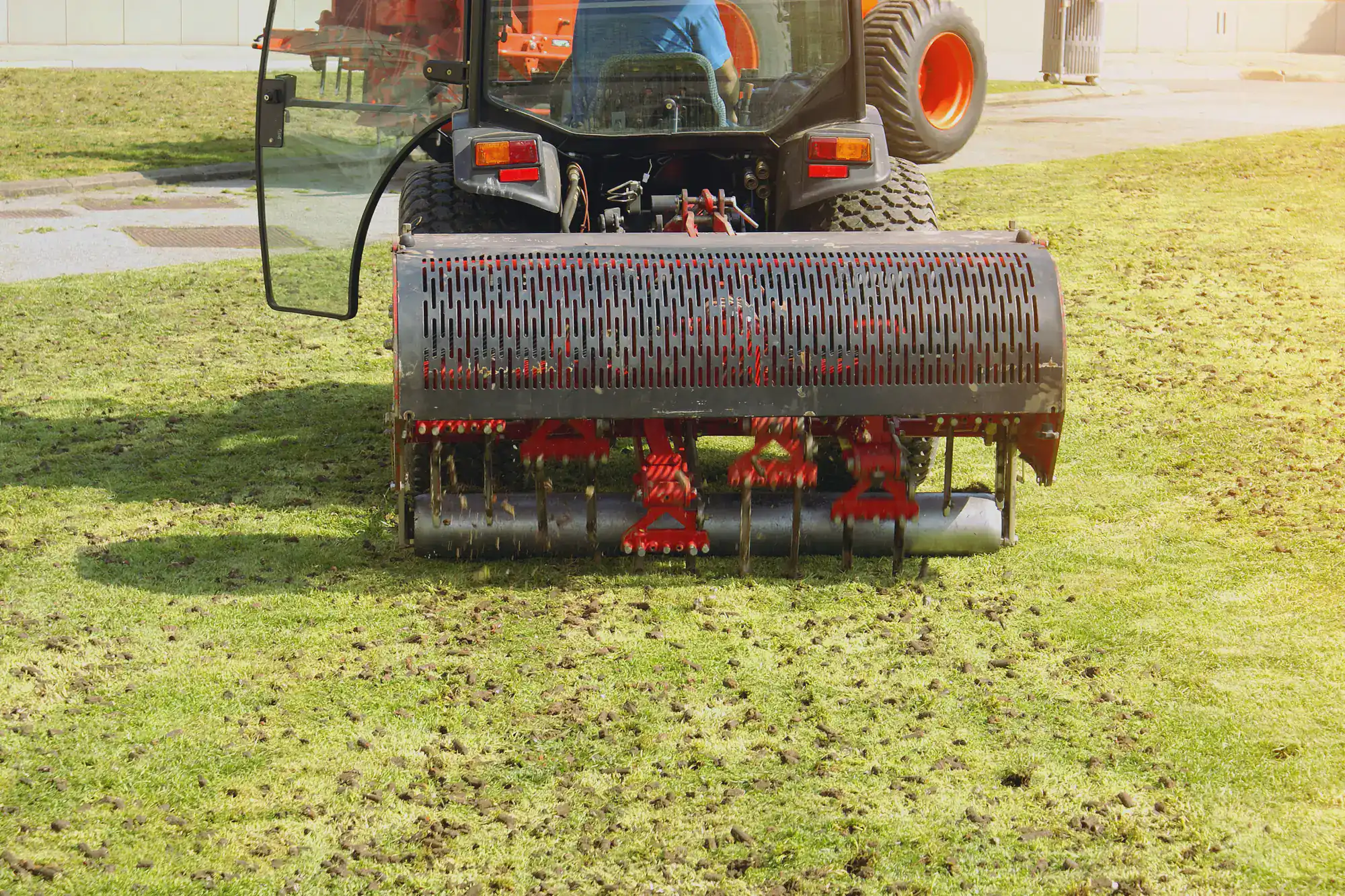
Compacted soil doesn’t just look bad it wastes everything you put into your lawn. Water runs off instead of soaking in. Fertilizer sits on the surface. Roots can’t push deep enough to survive a hard North Shore winter. Core aeration breaks that cycle by pulling plugs from the soil and opening up channels so air, water, and nutrients can actually reach the root zone where they belong.
For Sound Beach properties specifically, that matters more than it does in most places. The glacial outwash soils along the North Shore compact aggressively under freeze-thaw pressure, and once they’re locked up, no amount of watering or feeding gets through efficiently. If your lawn looks thin, stressed, or just never quite recovers after summer, compaction is usually the reason not the grass variety, not the fertilizer brand, not bad luck.
After aeration, you’ll notice water absorbing instead of pooling. Grass fills in thicker. Color improves. And heading into fall which is the right time to aerate cool-season turf like the fescue and bluegrass that dominates lawns in this area your lawn goes into winter with the root depth and soil structure it needs to come back strong in spring.
We’ve been serving Suffolk County since 1987, operating out of Port Jefferson Station about 10 to 15 minutes west of Sound Beach along Route 25A. We’re not a distant company dispatching crews across the county. We’re a near-neighbor that has been working North Shore properties, including the bluff-adjacent lots and coastal lawns throughout Sound Beach and this corridor, for decades longer than most local competitors have existed.
Every job is handled by a licensed pesticide professional not seasonal labor, not an uncertified crew with one license holder somewhere off-site. We use hydraulic aerators built for the kind of compacted glacial soils you find in Sound Beach, and a custom-blended fertilizer formulated specifically for Long Island’s soil chemistry. It’s not an off-the-shelf product, and it shows in the results.
If you’ve dealt with companies that showed up once and disappeared, or ran a generic program that didn’t account for what your specific lawn actually needs, we work differently. Our programs are assessed and built around your property your soil, your shade patterns, your history.
It starts with a look at your property. Soil type, compaction level, grass variety, shade coverage, and the condition of the turf all factor into how the job gets approached. Sound Beach lots many of them established since the community’s cottage-era origins in 1929 often have decades of compaction history layered under the surface. That context matters before any equipment hits the ground.
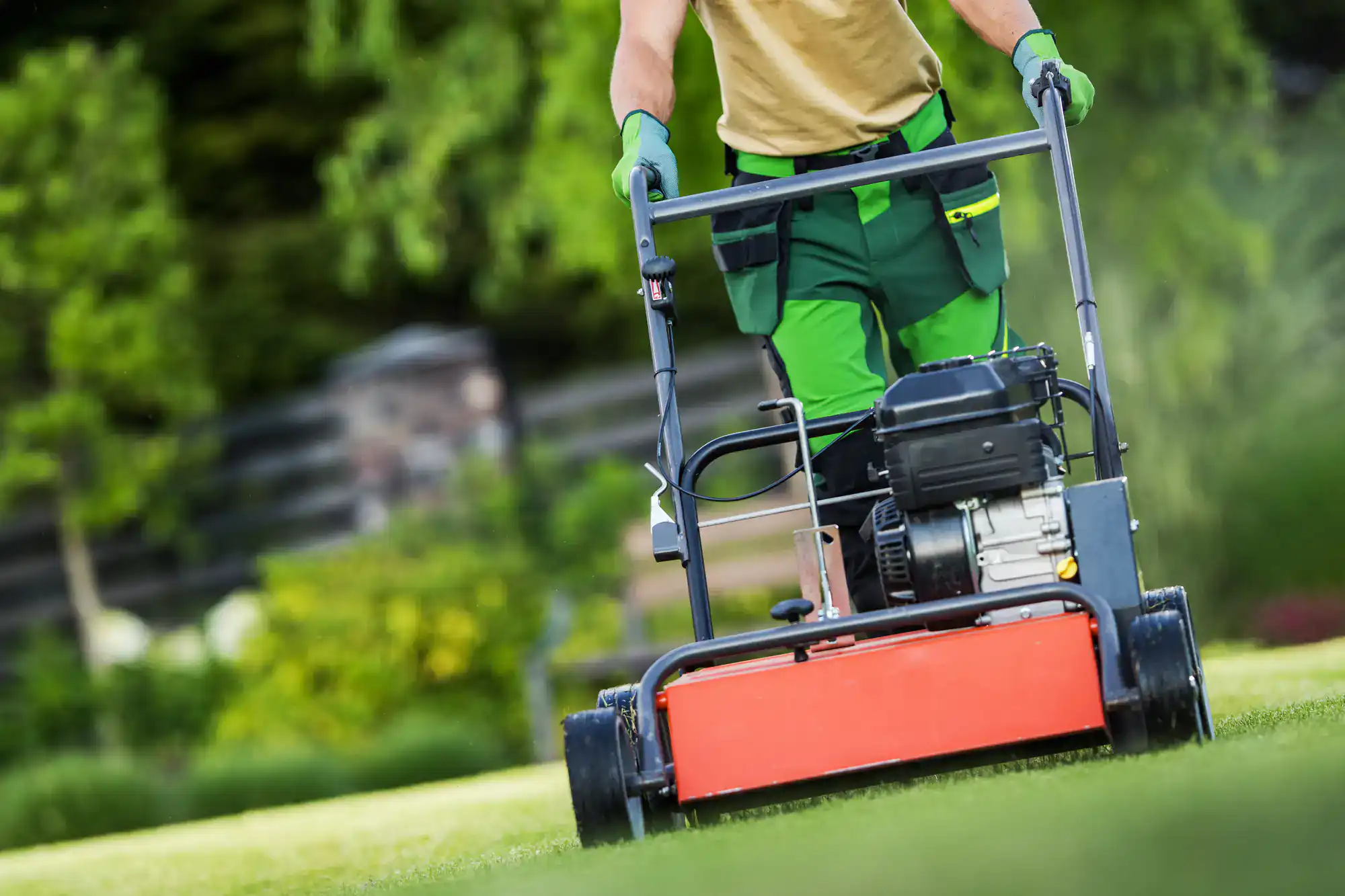
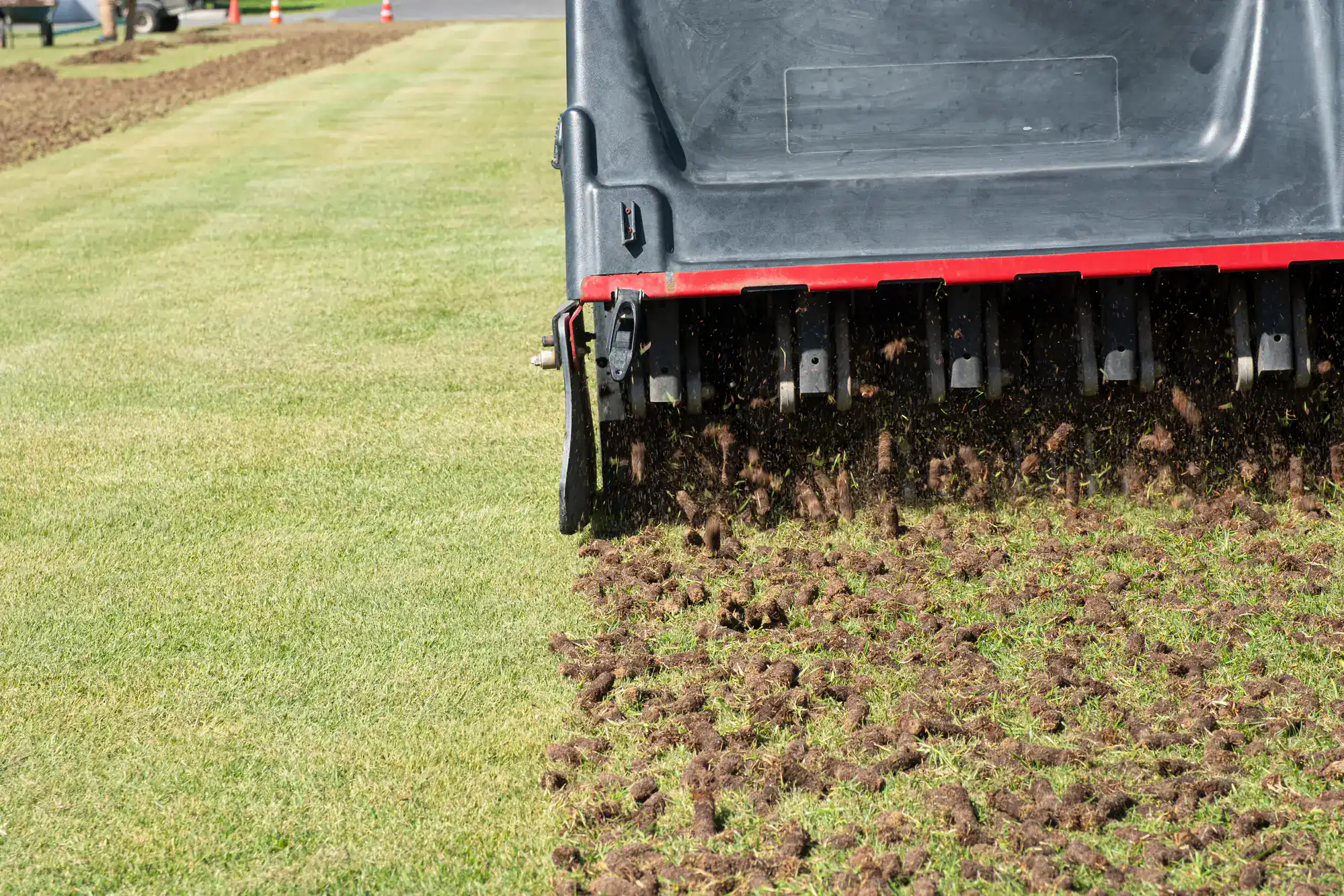
From there, our hydraulic core aerator goes to work. This isn’t the walk-behind rental machine from a local equipment shop. Hydraulic aerators penetrate deeper, pull cleaner plugs, and handle the dense, compacted soils of the North Shore far more effectively than consumer-grade alternatives. The cores pulled from your lawn break down naturally over the following weeks, returning organic matter to the soil surface.
Timing is built around Suffolk County’s November 1 fertilizer application ban a real legal deadline with fines up to $1,000 per violation. Fall aeration needs to be completed and any follow-up fertilization applied before that window closes. We plan around it. If overseeding is part of the program, we use hydraulic seeders to ensure consistent seed-to-soil contact across the full property. You’re not left guessing what happens next the process is clear, the timing is deliberate, and the work gets done right the first time.
Ready to get started?
Lawn aeration cost for residential properties typically runs between $75 and $300 nationally, depending on lot size, soil conditions, and equipment used. In Sound Beach, where lots are established, compaction runs deep, and coastal conditions add complexity, the value of professional hydraulic aeration over a DIY rental which runs $75 to $107 per day for a consumer machine becomes clear pretty quickly. The equipment gap is real, and so is the expertise gap.
What you get with us isn’t a one-size program pulled from a menu. A licensed professional assesses your property, accounts for the specific conditions on your lot salt air exposure if you’re near the Shore Drive corridor, heavy shade from mature tree canopy, sandy loam drainage issues, or whatever combination your lawn presents and builds a program around what’s actually needed. For properties that have been neglected or are dealing with significant compaction, that may include a multi-season restoration approach. For lawns that just need annual maintenance aeration, the program reflects that too.
Suffolk County’s fertilizer ban (November 1 through April 1) shapes the entire fall service calendar. Any fertilization that’s part of your post-aeration program has to happen before that deadline. Our scheduling is built around it not scrambling to fit you in after the fact. If your Sound Beach lawn also needs overseeding, bentgrass control, or nutgrass management, those services integrate into the same program without needing a separate company to coordinate.
For Sound Beach lawns, fall is the right window specifically late August through October. The cool-season grasses that dominate North Shore properties, tall fescue, Kentucky bluegrass, and perennial ryegrass, are entering their most active growth phase in fall. Soil temperatures are still warm enough for the treatment to be effective, and the grass has the energy to fill in the aeration channels and establish stronger roots before winter.
Spring aeration sounds logical but creates a real problem on Long Island. Pre-emergent crabgrass control needs to go down before soil temperatures hit 55°F, and aerating after that application breaks the chemical barrier and lets crabgrass germinate. That’s a trade-off most homeowners don’t want to make. Fall sidesteps the conflict entirely and delivers better results for the grass types growing in this area.
There’s also a hard deadline to be aware of: Suffolk County’s fertilizer ban takes effect November 1. Any fertilization that’s part of your post-aeration program has to happen before that date. Scheduling your aeration in September or early October gives you enough runway to complete the full treatment aeration, overseeding if needed, and fertilization before the window closes.
The simplest test is the screwdriver test. After a normal watering, push a 6-inch screwdriver into your lawn. If it won’t go 3 inches without real force, your soil is compacted. That’s not a maybe that’s a lawn that’s struggling to move air, water, and nutrients to the root zone, and it explains a lot of the symptoms homeowners in Sound Beach chalk up to other causes.
Thin turf, brown patches that don’t respond to watering, water pooling or running off after rain, and grass that looks stressed going into summer are all classic signs. On Sound Beach properties specifically, the glacial outwash soils along the North Shore compact aggressively under freeze-thaw pressure. The same winter storm cycles that regularly damage the bluff staircases along Shore Drive also work on your lawn’s soil structure compressing it season after season until roots simply can’t function properly.
If your lot has mature tree canopy, the combination of root competition and shade thins the turf further and creates conditions where compaction compounds quickly. Older properties and many Sound Beach lots have been residential since the mid-20th century often carry decades of accumulated compaction that a single aeration cycle starts to reverse but may take a season or two to fully address.
Core aeration removes actual plugs of soil from the ground typically half an inch in diameter and two to three inches deep. Those plugs break down on the surface over a few weeks and return organic matter to the soil. More importantly, the holes left behind create real channels for air, water, and nutrients to reach the root zone. That’s the mechanism that relieves compaction.
Spike aeration pokes holes without removing anything. The problem is that pushing a spike into compacted soil doesn’t relieve the compaction it just displaces it. The soil around the hole gets compressed further, which can actually make things worse in already-dense soils. For the glacial outwash soils common in Sound Beach, spike aeration is largely ineffective and not something a professional operation would recommend.
The equipment matters too. Consumer-grade core aerators the kind available for rental locally are lighter machines that don’t penetrate as deeply or pull as clean a core. Our hydraulic aerators are built for professional use and handle the denser, compacted soils of the North Shore far more effectively. The difference shows up in the depth and quality of the cores pulled, and ultimately in how the lawn responds over the following growing season.
It does, and here’s why. Salt air deposits chloride on the soil surface over time, which reduces soil permeability and compounds the stress on grass that’s already dealing with coastal exposure. Compacted soil makes this worse because there’s nowhere for the salt to go it accumulates near the surface where it draws moisture from grass tissue and interferes with nutrient uptake.
Core aeration opens channels through the compacted layer, which allows salt to leach downward through the soil profile rather than concentrating at the surface. It doesn’t eliminate salt air exposure that’s a geographic reality for properties along Shore Drive and the bluff corridor but it significantly reduces the compounding effect that salt has on already-stressed turf.
Properties near the water in Sound Beach tend to show stress symptoms that homeowners often misread as drought damage or disease. Thinning grass, discoloration, and reduced vigor in the coastal zones are frequently driven by the combination of salt accumulation and compaction working together. Aeration addresses the root cause of that combination rather than just treating the visible symptoms with more water or fertilizer that can’t reach the root zone anyway.
Yes, and for most Sound Beach lawns, doing both together is the smarter approach. Aeration creates ideal conditions for overseeding because the holes left by the cores give new seed direct soil contact and a protected environment to germinate. Seed dropped onto a compacted, thatch-covered surface has a much lower success rate than seed that falls into open aeration channels.
For lawns with thin areas common on Sound Beach properties with heavy shade from mature tree canopy or salt air stress near the coastal corridor overseeding after aeration can meaningfully accelerate recovery. We use hydraulic seeders that deliver consistent coverage across the full property, which produces more uniform results than broadcast spreading.
The timing works well together in fall. Cool-season grasses germinate best when soil temperatures are between 50°F and 65°F, which aligns with the late August through October aeration window on Long Island. You’re aerating and seeding during the same optimal period, and the grass has enough time to establish before the ground freezes. Just keep in mind that Suffolk County’s November 1 fertilizer ban means any starter fertilizer applied after overseeding needs to go down before that deadline.
Residential lawn aeration nationally runs between $75 and $300, with the range depending on lot size, soil conditions, and the type of equipment used. In Sound Beach, where many properties sit on established lots with years of compaction history and coastal soil conditions that require professional-grade equipment to address properly, pricing reflects the actual scope of the job rather than a flat rate applied to every lawn regardless of what it needs.
It’s worth comparing that to DIY rental, which runs $75 to $107 per day for a consumer-grade machine. The rental cost isn’t dramatically lower than professional service, but the equipment gap is significant. Consumer aerators are lighter, don’t penetrate as deeply, and aren’t built for the denser glacial soils of the North Shore. You spend a full day on the job, return the machine, and often get results that don’t match what a hydraulic professional aerator delivers in a fraction of the time.
The more useful way to think about the cost is what compaction is already costing you. Every watering cycle, every fertilizer application, every treatment you invest in a compacted lawn is partially wasted because the inputs can’t reach the root zone. Aeration makes everything else you spend on your lawn more effective. For a Sound Beach homeowner with a property worth $464,000 or more, that’s not an abstract benefit it’s straightforward return on investment.
Useful Links
Other Services we provide in Sound Beach