

Hear from Our Customers
Most lawns in North Patchogue don’t fail because the homeowner didn’t care. They fail because the program wasn’t built for the conditions here. The sandy, fast-draining soil along the Patchogue River watershed leaches nutrients quickly, which means a generic fertilizer schedule leaves your lawn hungry by midsummer thin, stressed, and wide open for weeds and grubs to move in.
When the program actually fits the soil and the season, the difference shows up fast. Grass fills in where it’s been thin for years. Crabgrass stops coming back along the driveway edge. The back corner that always browns out in August finally holds its color. That’s not a coincidence it’s what happens when the fertilizer, timing, and treatments are calibrated for Long Island’s specific conditions instead of copied from a national template.
North Patchogue’s humidity and proximity to Canaan Lake also create real disease pressure in the summer months. Brown patch and dollar spot thrive in warm, wet conditions, and they move fast. A program that accounts for fungal risk not just fertilization and weed control is what keeps a lawn looking good from June through September, not just during the easy weeks of spring.
We’ve been treating lawns in North Patchogue and throughout Suffolk County since 1987. That’s not a rounded number it’s a specific founding date that means we were already operating in this area before most of our current competitors existed. When your lawn sits near Canaan Lake or backs up to the Patchogue River watershed, you want someone who knows what Suffolk County’s fertilizer regulations require, not someone figuring it out as they go.
Every technician who treats your lawn holds a NYS DEC Commercial Pesticide Applicator license. That means they passed a state exam, completed 30 hours of approved training, and earned their credential the right way. It’s not a formality it’s the difference between someone who knows what they’re applying and why, and someone who was handed a spreader and sent out on a route.
You’ll also see us coming. We run five fully wrapped trucks throughout Suffolk County professional, identifiable, and accountable. If you’ve driven Medford Avenue or Sunrise Highway recently, there’s a good chance you’ve already seen one of our trucks.
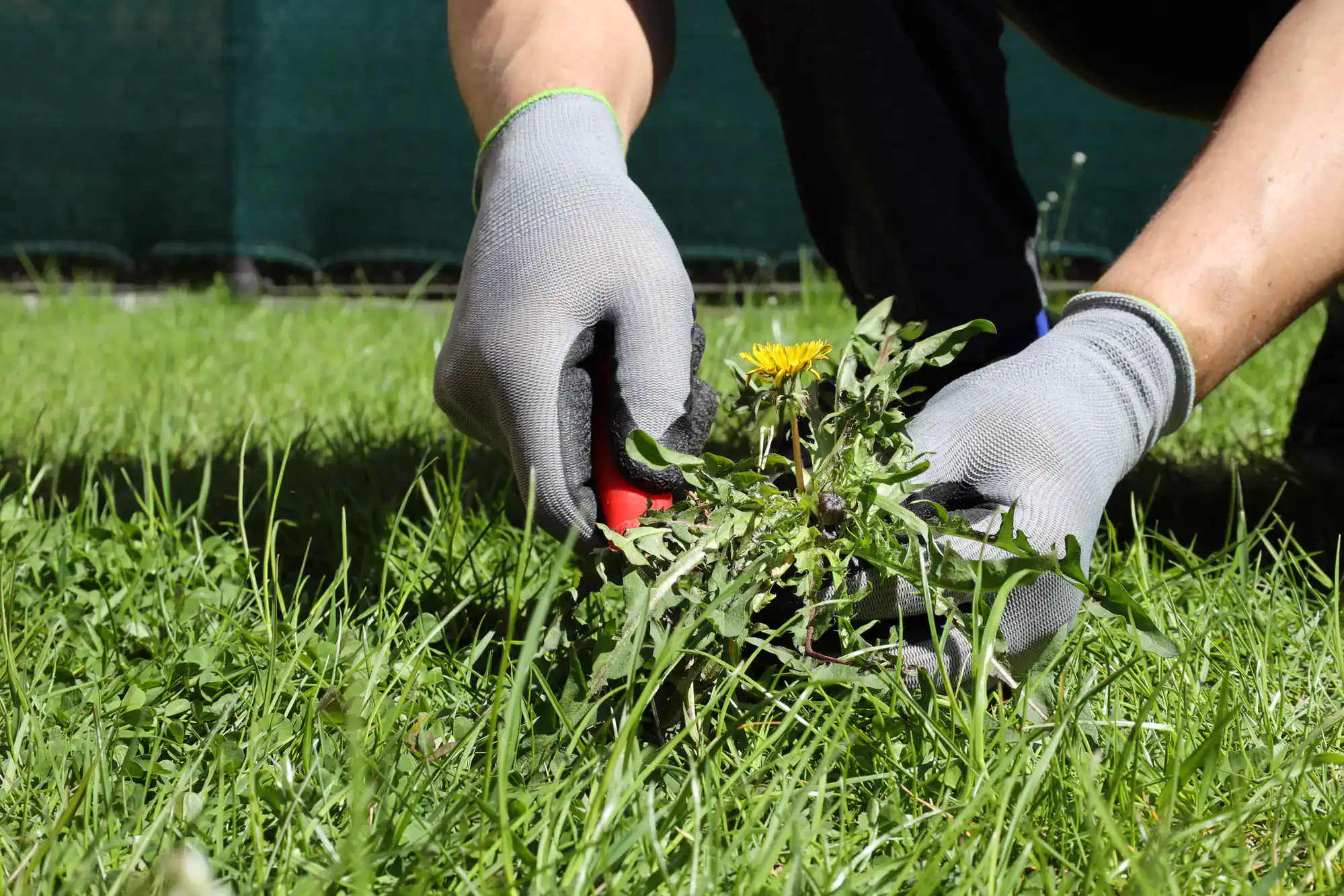
It starts with your lawn, not a package menu. Before anything gets applied, we look at what you’re actually working with the sun and shade patterns, the soil condition, the turf species, the weed and pest pressure, and any problem areas that need attention. North Patchogue’s sandy soil warms up faster than heavier inland soils, which means the spring treatment window opens earlier here. Getting pre-emergent crabgrass control down at the right time based on actual soil temperature, not just a calendar date is one of the first places a locally experienced company earns its keep.
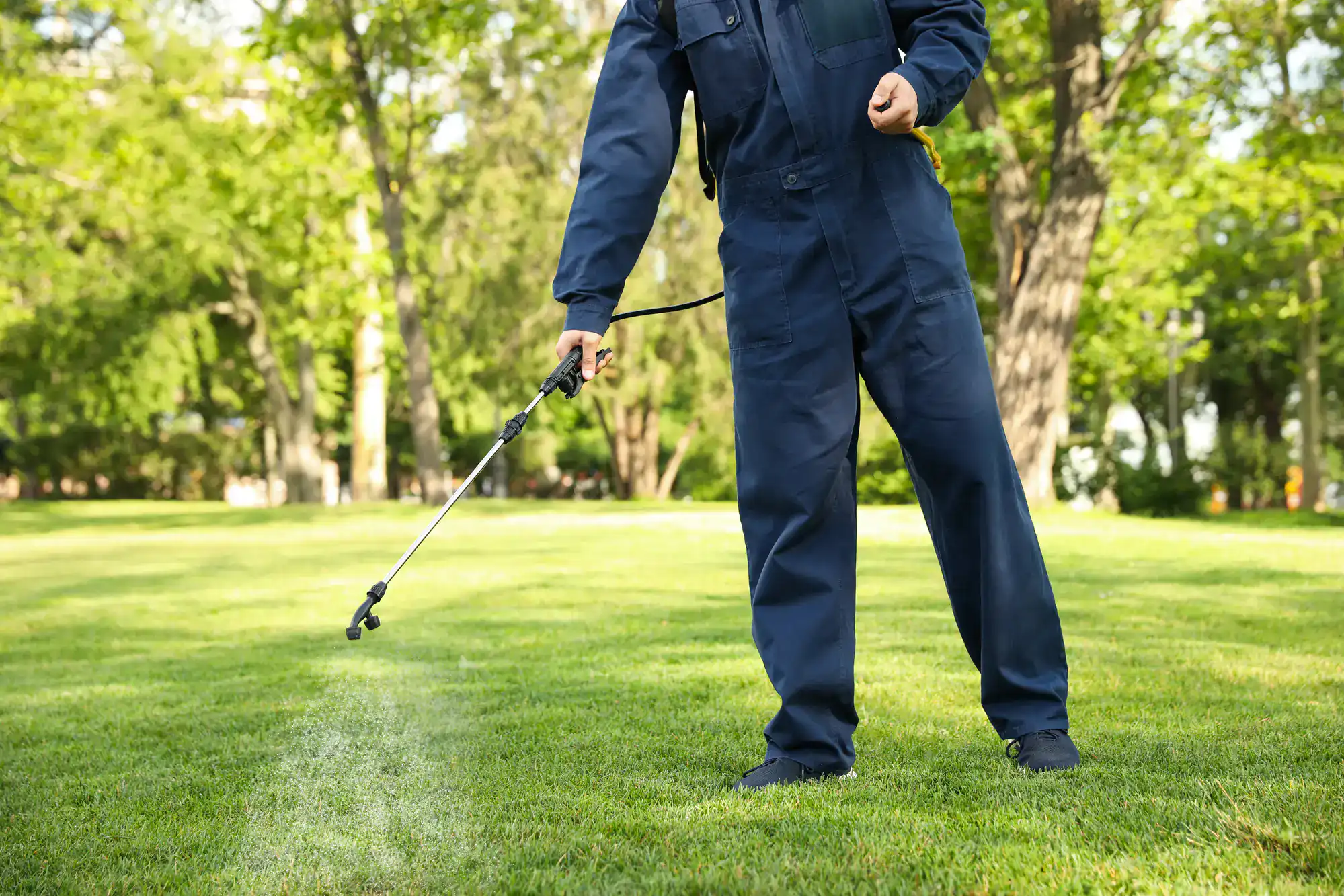
From there, your program runs on a schedule that’s timed to what Long Island lawns actually need at each point in the season. Fertilizer applications use our custom-blended formula, developed specifically for our programs and for the nutrient-leaching conditions common throughout Suffolk County. It’s not a product you’ll find at a big-box store it’s formulated for here.
Fall is when the real work happens. Aeration, overseeding, and the final fertilizer application before Suffolk County’s November 1 blackout date are the most important treatments of the year for cool-season turf. Our hydraulic aerators penetrate compacted suburban soil at depths that rental-grade equipment simply can’t reach, which means the seed-to-soil contact actually produces results you can see come spring.
Ready to get started?
Our programs cover the full range of what a North Patchogue lawn needs to stay healthy through every season. That includes fertilization with our proprietary custom-blended formula, pre-emergent and post-emergent weed control, grub prevention timed to Japanese beetle and European chafer cycles, disease management for the fungal pressure that comes with humid Long Island summers, and core aeration and overseeding in the fall using hydraulic equipment that actually does the job.
Every program is built around your specific lawn not a tiered package that slots you into a predetermined schedule. If your lawn near the Sunrise Highway corridor has a compaction problem from years of foot traffic, that gets addressed. If the shaded area along your fence line has a pH issue, that gets addressed too. Our goal isn’t to sell you the most treatments it’s to figure out what your lawn actually needs and build from there.
Suffolk County’s fertilizer regulations apply to every lawn in North Patchogue, including the November 1 through April 1 blackout period and buffer restrictions near water bodies like Canaan Lake. Our programs are designed around these rules from the start compliance isn’t an afterthought, it’s built into the schedule. You don’t have to think about it. We do.
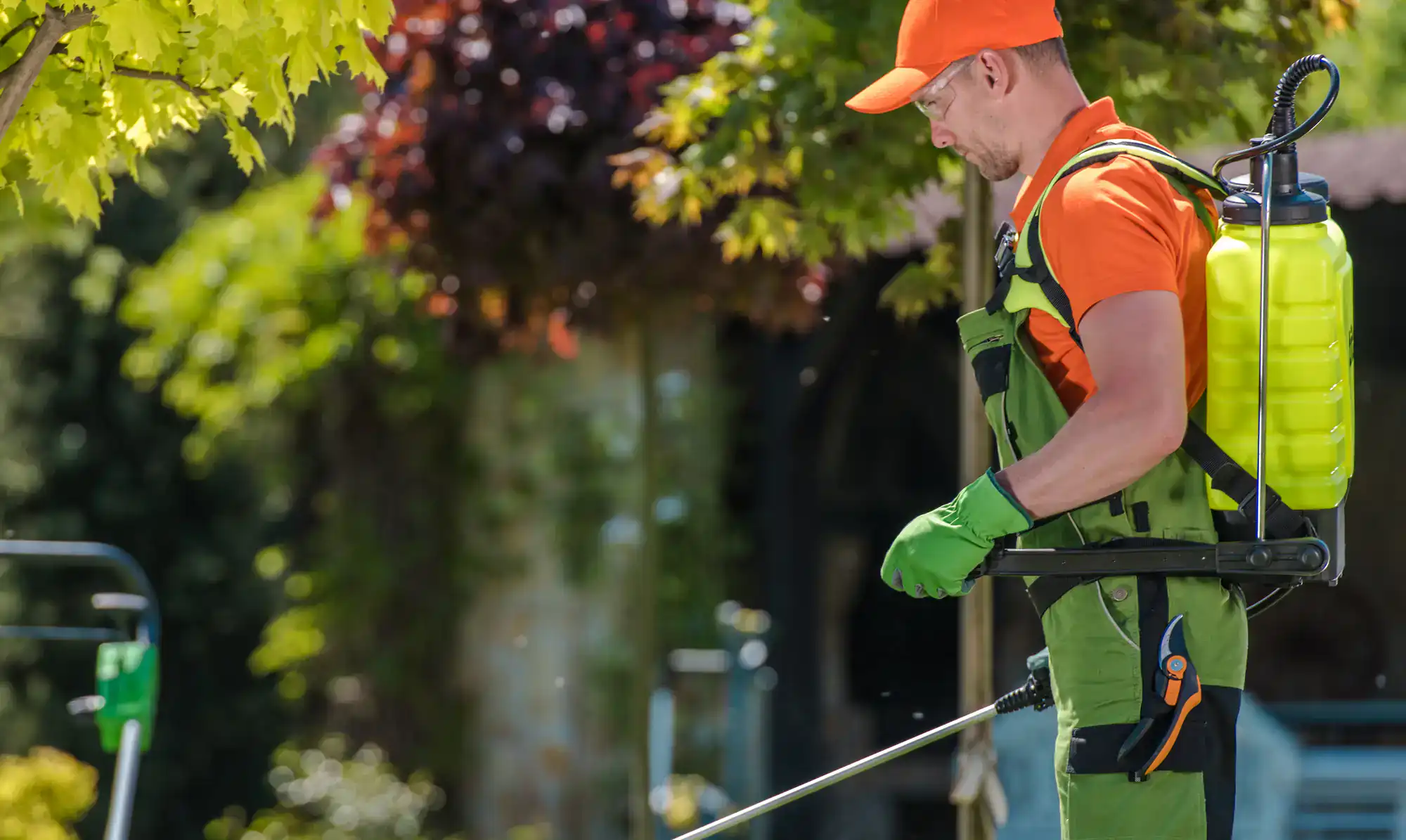
The soil is the biggest factor. North Patchogue sits on the sandy, glacially deposited soils that run through much of the South Shore of Suffolk County. These soils drain fast and leach nutrients quickly, which means a fertilizer program designed for average American turf or even for other parts of New York will underperform here. Nutrients move through the root zone before the grass can fully use them, especially in the warmer months.
The other major factor is the proximity to Canaan Lake and the Patchogue River watershed. Suffolk County’s fertilizer regulations include strict buffer requirements near water bodies, and the November 1 through April 1 blackout period applies to every lawn in North Patchogue. A company that doesn’t know these regulations or that applies products on a national schedule without accounting for local rules can cost you money in fines and cause real environmental damage. Working with a licensed, locally experienced company means these details are handled correctly from the start.
The honest answer is: if you’ve been treating it yourself or using a low-cost service and the results haven’t matched your expectations after a full season, that’s your signal. Sandy Long Island soil is unforgiving when the program isn’t right. Crabgrass that keeps coming back, thin turf that browns out in August, grub damage that shows up as spongy patches in late summer these aren’t random. They’re predictable outcomes when the timing, product quality, or treatment sequence is off.
A professional program doesn’t just mean more chemicals. It means the right product at the right time, applied by someone who knows what they’re looking at. For a North Patchogue property with a median value around $525,000, the cost of a properly managed lawn program is a small fraction of what deferred maintenance costs when turf damage becomes a restoration project instead of a maintenance issue. Prevention is almost always cheaper than repair.
Yes and skipping it is one of the most common reasons lawns in this part of Suffolk County deteriorate over the summer. Japanese beetle grubs feed on grass roots just below the surface, and by the time you see the damage brown, spongy patches that peel back like loose carpet the roots are already gone. The damage typically shows up in late summer, which is the worst possible time to try to repair it.
The secondary damage is often just as bad. Skunks, raccoons, and birds tear up turf looking for grubs, and a single night of digging can undo months of progress on a recovering lawn. Preventive grub control, applied in early summer before the eggs hatch, stops the problem before it starts. It’s timed to the Japanese beetle life cycle which means it needs to go down at the right point in the season, not whenever it’s convenient. That timing is something a locally experienced company gets right automatically.
A standard multi-application program for a typical North Patchogue residential lawn generally runs in the range of $400 to $800 per year, depending on the size of the property and which treatments are included. Programs that add aeration, overseeding, grub control, or disease management will run higher typically $800 and above for a comprehensive annual program covering all the major treatment windows.
It’s worth putting that in context. North Patchogue’s cost of living runs about 22% above the national average, and the median home value in the area is around $525,000. For a property at that price point, a well-maintained lawn isn’t just aesthetics it’s a real part of curb appeal and resale value. The cost of a professional program is modest compared to the cost of a full lawn restoration if neglect or a poor-quality service lets things deteriorate to the point where you’re starting from scratch.
The most practical difference comes down to who is actually treating your lawn and what they’re applying. TruGreen is a national franchise that routes to call centers, rotates technicians, and uses standardized product lines developed for the average American market. If you’ve ever called to ask why a treatment was skipped or what was applied last visit, you already know what that experience looks like.
We are a Suffolk County company that has been operating since 1987. Every technician is a licensed NYS DEC pesticide applicator not a laborer supervised at a distance by a single license holder. The fertilizer we use is a custom blend developed specifically for our programs and for Long Island’s sandy, fast-leaching soils not an off-the-shelf product applied the same way from Connecticut to Florida. When something changes on your lawn between visits, the person who shows up next time will actually know your property and be able to respond to what they find.
In most cases, yes but the approach matters. A lawn that’s been hit hard by grubs, drought stress, or years of a poor-quality program isn’t going to recover from a standard fertilization schedule alone. It needs a restoration plan: soil assessment, aeration to break up compaction, overseeding with the right turf species for Long Island’s cool-season conditions, and a fertilizer program that supports new seedling establishment without burning vulnerable grass.
Fall is by far the best window for lawn restoration in North Patchogue. Soil temperatures are still warm enough for germination, the heat stress of summer is gone, and there’s typically enough rainfall to support new growth before the season ends. We handle full restoration and new lawn installs from seed which means if you’ve been told your lawn is too far gone to save, it’s worth getting a second opinion from someone who’s been restoring Suffolk County lawns for nearly four decades before you assume the worst.
Useful Links
Other Services we provide in North Patchogue