
Hear from Our Customers
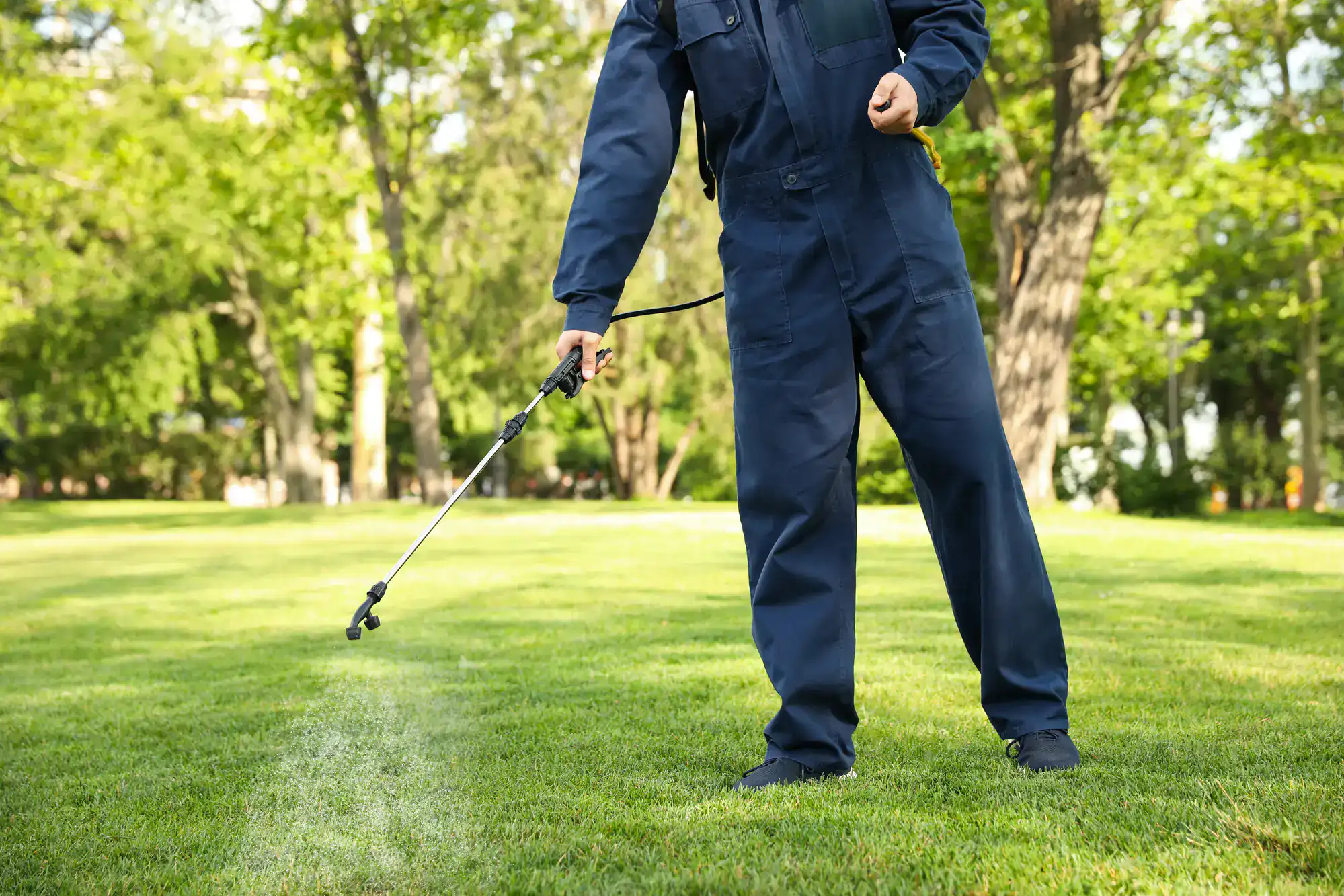
The lawns in North Great River don’t fail because homeowners don’t care. They fail because the program treating them wasn’t built for this soil, this climate, or this property. Sandy outwash soils the kind that run through most of the South Shore drain nutrients out of the root zone faster than a standard fertilizer schedule can keep up with. When a company applies an off-the-shelf product at a national average rate, it’s not feeding your lawn. It’s feeding the groundwater.
A program designed for these conditions looks different. The timing is tighter, the fertilizer releases slower, and the applications are calibrated to what’s actually happening in the soil not what a franchise template says should be happening. When that’s done right, you get grass that holds its color through the summer, recovers from stress faster in the fall, and actually fills in over time instead of thinning out year after year.
For properties that border the wooded edge of the Connetquot River State Park Preserve, there’s another layer to this. Shaded turf near the tree line needs a different grass variety and a different program than the sun-drenched front yard facing Connetquot Avenue. If your current lawn service is treating both areas the same way, that’s likely where the problem starts.
We’ve been treating residential lawns across Suffolk County since 1987 which means we’ve been working in the Town of Islip longer than most current North Great River homeowners have lived here. That kind of track record isn’t just a number. It’s 37 years of learning exactly how Long Island’s soil behaves, what cool-season grasses need to survive a humid South Shore summer, and what it takes to actually fix a lawn that’s been mismanaged.
Every technician who shows up at your property is a NYS DEC-licensed pesticide applicator not a seasonal hire running a route. The fleet of five fully wrapped trucks you’ll see in the North Great River area isn’t just professional-looking; it means you always know who’s on your property and why. No unmarked vans, no guesswork.
The custom-blended fertilizer we use was formulated specifically for our company not pulled off a supplier’s shelf. It’s built for Long Island soil, and that distinction matters more in a community like North Great River, where the soil drains fast and the Connetquot watershed sits right next door.

It starts with a real assessment of your property. Not a glance from the truck, but an actual look at what’s growing, where it’s struggling, what the soil conditions look like, and what’s putting pressure on the lawn whether that’s shade from the preserve’s tree canopy, compaction from foot traffic, or a weed problem that’s been misidentified for two seasons. From there, we build a custom program around what your lawn actually needs, not what’s easiest to schedule.
Once the program is in place, applications go out at the right times which in North Great River means working within Suffolk County’s fertilizer blackout period (November 1 through April 1) and timing pre-emergent weed control for when soil temperatures are actually right, not just when the calendar says spring. Applying too early wastes product. Applying too late lets crabgrass establish. The window matters, and hitting it consistently is part of what separates a specialist from a generalist.
If the lawn needs aeration or overseeding, we use hydraulic aerators and seeders commercial-grade equipment that pulls deeper cores than the tow-behind consumer equipment most operators use. Deeper cores mean better water and nutrient penetration into the root zone, which is especially important in the fast-draining sandy soils that run through this part of the South Shore. After each visit, you’ll know what was done, what to expect next, and when to expect it.
Ready to get started?
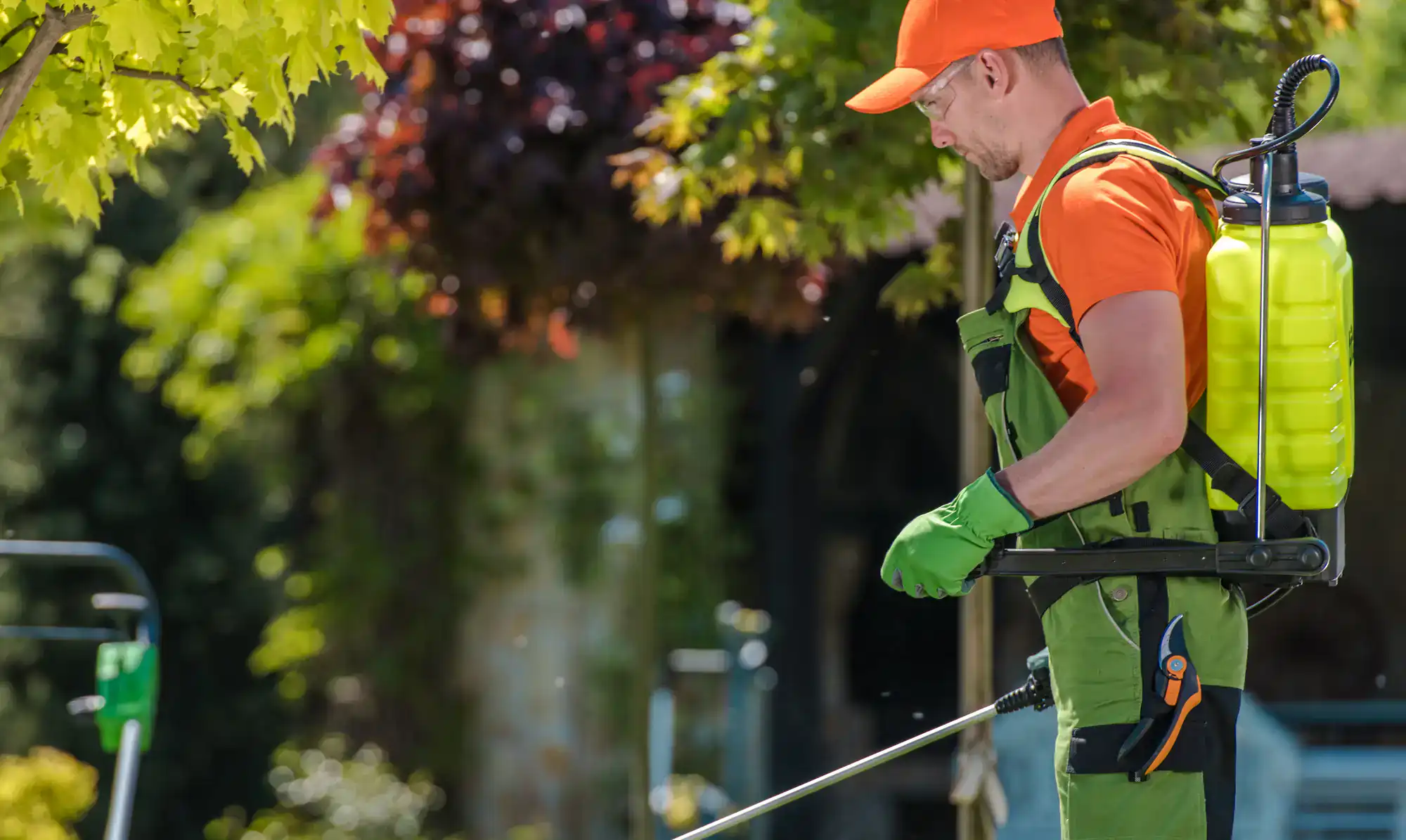
The core of what we deliver is a multi-step fertilization and weed control program built around your specific turf grass type, sun and shade exposure, soil condition, weed pressure, and history. The custom-blended fertilizer used in every program is formulated specifically for Long Island’s soil chemistry, with slow-release nitrogen that feeds the lawn steadily instead of spiking and leaching into the groundwater. For homeowners near the Connetquot River watershed, that’s not just good lawn care it’s responsible application in an environmentally sensitive area.
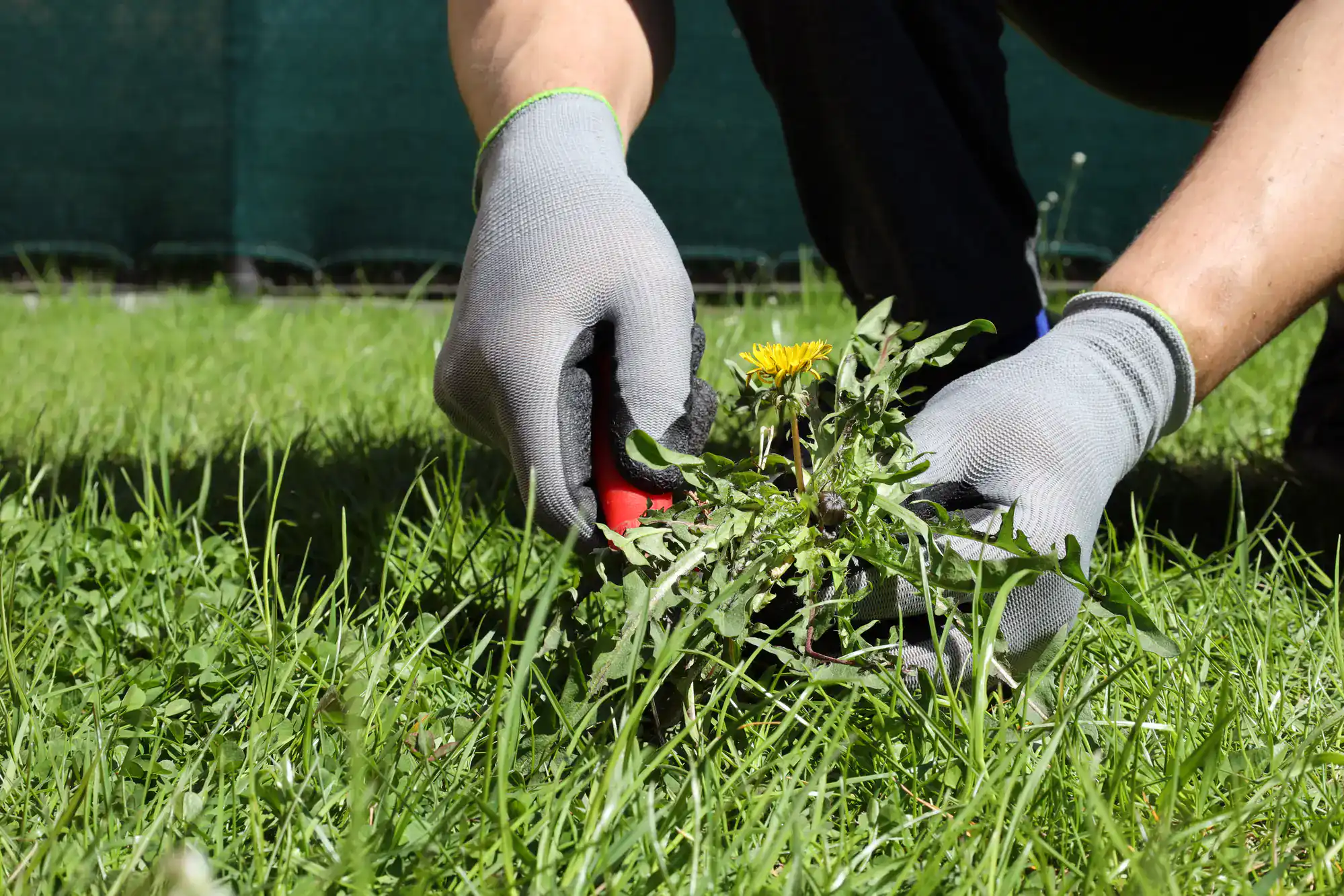
Beyond the core program, we handle targeted weed control for persistent problems like nutsedge and bentgrass the ones that standard programs never seem to touch. Core aeration and overseeding are available with hydraulic equipment that actually does the job at the depth it needs to be done. And if the lawn is past the point where a treatment program can save it, we offer full lawn restoration and new lawn installation from seed.
For North Great River properties with horse barns or paddock-adjacent turf and there are more of them here than in most Suffolk County communities the program accounts for the compaction and nutrient loading that comes with that territory. Every property gets assessed on its own terms. Online credit card invoice payment is available, which matters when you’re commuting into the city on the Babylon Branch and don’t have time to deal with paper invoices.
The right time to start is early spring typically mid-April in North Great River, once soil temperatures consistently reach around 55°F. That’s when cool-season grasses like tall fescue and Kentucky bluegrass start actively growing again, and when pre-emergent weed control needs to go down to stop crabgrass before it germinates. If you miss that window, you’re playing catch-up for the rest of the season.
Starting a program in spring also gives a full season of applications to build on. Fertilization, weed control, and any corrective treatments work cumulatively one well-timed application helps the next one perform better. If you’re signing up mid-summer, you can still get results, but you’ll see the full benefit of a properly sequenced program starting the following spring. The sooner you get started, the better position your lawn is in heading into fall which is actually the most important growth window of the year for the cool-season turf that dominates properties here.
Yes, it directly affects the timing of your lawn program. Suffolk County Local Law 41-2007 prohibits lawn fertilization from November 1 through April 1. The reason the law exists is practical: grass goes dormant when soil temperatures drop below 55°F, so fertilizer applied during that window doesn’t feed the lawn it leaches straight into the groundwater. For North Great River, which sits adjacent to the Connetquot River and drains into the Great South Bay watershed, that’s not a minor concern.
What this means for your program is that the fall application window is finite and important. The last fertilization of the year needs to go down before November 1, ideally in mid-to-late October when the grass is still actively growing and storing energy in the roots for winter. A company that doesn’t know the blackout period or ignores it isn’t just risking a fine of up to $1,000. It’s applying product that does nothing for your lawn and potentially harms the local watershed. We observe the blackout as a matter of course and build every program around it.
The most common reason is the soil itself. North Great River sits on sandy outwash soils the same fast-draining glacial soil that runs through most of Suffolk County’s South Shore. Sandy soil doesn’t hold nutrients the way loam does. When you apply a standard granular fertilizer from a hardware store, a significant portion of it leaches below the root zone before the grass can absorb it. You’re feeding the water table more than you’re feeding the lawn.
The other issue is timing and rate. Consumer fertilizer products are formulated for a national average soil type and applied at rates that don’t account for what’s actually in your soil or what your grass is currently doing. A slow-release commercial-grade blend applied at the right rate, at the right time, for the specific grass type in your yard will outperform a box-store product applied more frequently. If you’ve been fertilizing consistently and still seeing thin, patchy turf, the product and the program not the effort are usually the problem.
The honest answer is that national chains are built around route efficiency, not individual lawn performance. Their programs are templated the same basic sequence applied across thousands of properties in different soil types, climate zones, and grass conditions. For a property in North Great River, where the soil drains fast, the shading from the Connetquot Preserve’s tree canopy affects part of the yard, and the specific weed pressure differs from what you’d find in a mid-Island community, a one-size-fits-all program is going to underperform.
The other consistent issue with national chains is technician turnover. The person who treated your lawn in April may have no connection to the person who shows up in July. No one is tracking the history of your specific property or adjusting the program based on what they saw last visit. That’s not a knock on the individuals it’s a structural problem with how those companies operate. A local specialist with 37 years of Suffolk County experience and a custom program built around your lawn is a fundamentally different service model.
Yes, grass type affects every part of the program fertilizer rate, weed control product selection, aeration timing, and overseeding variety. North Great River lawns are almost entirely cool-season turf: tall fescue, Kentucky bluegrass, and perennial ryegrass are the most common. These grasses thrive in spring and fall when temperatures sit between 60 and 75 degrees, but they slow down and stress in the humid South Shore summers.
For properties with shaded areas particularly those along the wooded edge of the Connetquot River State Park Preserve fine fescue is the appropriate choice. It tolerates shade that would thin out a sun-variety grass over time. If you’ve been overseeding shaded areas with a standard sun-and-shade mix and still getting bare patches, the variety selection is likely the issue. A proper lawn assessment identifies what’s actually growing, what should be growing in each zone of the property, and what the overseeding program needs to look like to actually fill in the problem areas.
In most cases, yes but the approach depends on how far gone the lawn is. If there’s still a reasonable percentage of desirable grass present, an aggressive treatment program with aeration, overseeding, and corrective fertilization can bring it back over one to two seasons. Hydraulic core aeration is particularly effective here because it breaks up compaction, opens the soil for seed-to-soil contact, and improves the nutrient uptake that sandy South Shore soils naturally struggle with.
If the damage is more severe bare areas covering a significant portion of the lawn, soil that’s been compacted or chemically burned, or a weed population that’s overtaken the turf full lawn restoration or a new lawn installation from seed may be the more practical path. We handle both, which means you’re not being referred to a separate contractor to finish the job. The assessment at the start of the program will give you a clear picture of which direction makes sense for your specific property, and what a realistic timeline for recovery looks like.
Useful Links
Other Services we provide in North Great River