
Hear from Our Customers
Gordon Heights sits on some of the sandiest, fastest-draining soil in all of Brookhaven Town. That matters more than most homeowners realize. When a company shows up with a generic fertilizer formulation the same bag they use across 300 stops the nutrients leach right through your root zone before your grass ever absorbs them. You pay for a full season of treatments and your lawn looks exactly the same in October as it did in April. That’s not bad luck. That’s the wrong product for your soil.
The right program accounts for what’s actually happening beneath your turf. We use a custom-blended fertilizer made specifically for Long Island’s soil conditions not an off-the-shelf product calibrated for average ground somewhere in the Midwest. Combined with hydraulic aeration equipment that actually penetrates compacted suburban soil, your lawn gets the air, water, and nutrients it needs at the root level, not just on the surface.
For a community where homeownership rates sit above 82 percent and property values have climbed significantly over the past two decades, your lawn isn’t just grass it’s part of a real financial asset. Gordon Heights homes are selling in a competitive market, and curb appeal is one of the first things buyers notice. A professionally maintained lawn that actually looks the part is one of the most visible returns on your property investment.
We’ve been treating lawns across Suffolk County since 1987. That’s not a rounded number it’s a specific, verifiable founding year that predates most of the competition in this market by decades. While other companies have come and gone, rebranded, or been absorbed into national franchises, we’ve been operating continuously in the same communities, learning the same soil, and serving the same families.
The central Brookhaven area Gordon Heights, Coram, Middle Island, Medford, Yaphank is home territory for us. Every technician who treats your lawn holds a valid NYS DEC Commercial Pesticide Applicator license, which means the person on your property is trained, tested, and legally certified to apply what they’re applying. That’s not the standard at every company in this area, and it’s worth knowing before you sign up with anyone.
Five fully wrapped professional trucks operate throughout Suffolk County, so there’s a good chance you’ve already seen us in your Gordon Heights neighborhood before you ever searched for lawn care online.
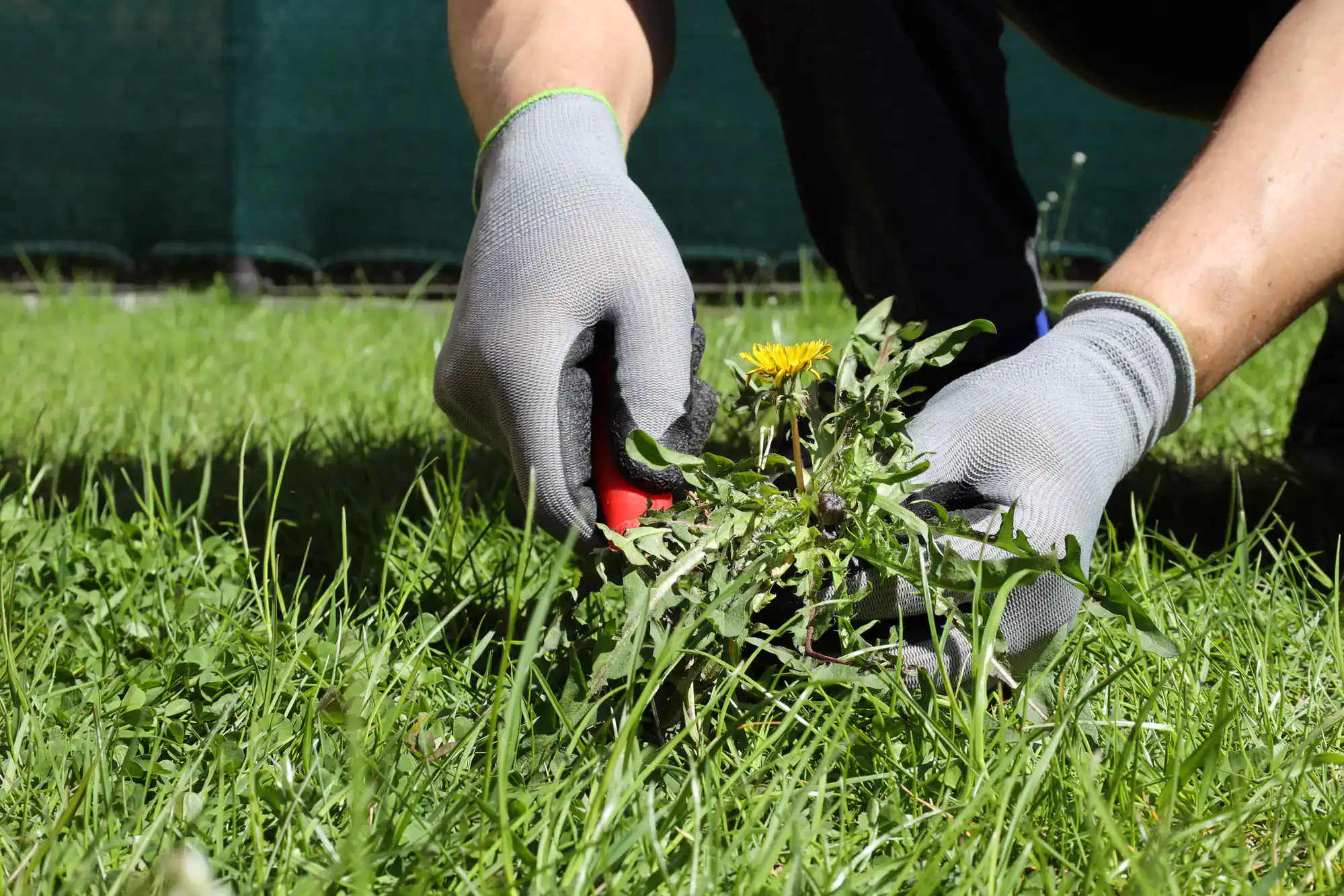
It starts with an honest assessment of what your lawn actually needs. Not every Gordon Heights property is the same some lots have mature tree cover and shaded turf that needs a completely different approach than an open, full-sun yard. Some lawns have grub damage that’s been misread as drought stress for two seasons running. Some are in decent shape and just need a consistent program to stay that way. Before anything gets applied, the condition of your lawn drives the plan.
From there, your program is built around the real treatment calendar for central Suffolk County. That means pre-emergent crabgrass control in early spring before soil temperatures climb, broadleaf weed treatments in late spring, grub preventive applications in summer, and the fall aeration and overseeding window which is genuinely the most important treatment period of the year for cool-season turf like the Kentucky bluegrass and tall fescue that’s common on Gordon Heights properties. Every application is timed to Suffolk County’s conditions, including the county’s fertilizer blackout period that runs from November 1 through April 1 under Local Law 41-2007.
After each visit, you know what was done and why. If something changes on your lawn between visits, you have a direct line to someone who knows your property not a national call center reading from a script.
Ready to get started?
Our programs cover the full range of what a Gordon Heights lawn needs across the season fertilization with a custom-blended product formulated for Long Island’s sandy, nutrient-leaching soils, pre-emergent and post-emergent weed control, grub and surface insect management, core aeration with hydraulic equipment, and overseeding with quality seed matched to your turf type. If your lawn has been neglected, damaged by grubs, or just never recovered from a bad season, we also offer full restoration and new lawn installs from seed.
The grub piece is worth understanding specifically. Japanese beetle and European chafer populations put real pressure on lawns throughout central Brookhaven every summer. The larvae feed on grass roots just below the surface, and the damage often doesn’t show until late summer when brown patches start peeling away from the soil. Certain grub control products used in New York are restricted-use pesticides meaning they legally require a licensed applicator to purchase and apply. That’s another reason why who is actually treating your lawn matters.
Every program is also built in compliance with Suffolk County’s fertilizer regulations from the start. No risk of a $1,000 fine for an application that shouldn’t have happened in November. No phosphorus going down without a soil test to back it up. Just a clean, legal, well-timed program that works with the county’s rules instead of ignoring them.
This is one of the most common frustrations we hear, and the answer is almost always the same: the program wasn’t built for your soil. Gordon Heights sits on glacially deposited sandy substrate the same low-organic-matter, fast-draining soil that runs through most of central Brookhaven Town. When a company applies a generic, fast-release fertilizer formulation to this type of soil, the nitrogen leaches through the root zone before the grass can absorb it. You’re essentially paying for nutrients that wash out before they do anything.
The fix isn’t more applications it’s the right product. We use a custom-blended fertilizer specifically formulated for Long Island’s soil conditions, with slow-release nitrogen that stays in the root zone long enough to actually feed your turf. Paired with proper aeration to open up compacted ground, the difference in results is significant. If you’ve done a full season with another company and your lawn looks unchanged, the program itself is the problem and it’s fixable.
Grub damage and drought stress can look nearly identical from the surface brown patches, thinning turf, areas that just won’t green up. The way to tell the difference is to grab a section of the affected turf and pull. If it peels away from the soil like loose carpet with little to no root attachment, you have grubs feeding below the surface. If it holds firm and the roots are intact, you’re more likely looking at a moisture or soil issue.
Central Brookhaven, including Gordon Heights, sees consistent pressure from Japanese beetle and European chafer populations every summer. The larvae hatch in late summer and feed on grass roots through fall, which is why the damage often shows up in August or September and gets mistaken for late-season drought stress. Timing your grub preventive treatment correctly typically in June or early July before eggs hatch is what actually stops the damage. Treating after the fact is harder and less effective. We can assess what’s actually happening and recommend the right course of action for your specific lawn.
Yes, it directly affects your schedule. Suffolk County Local Law 41-2007 prohibits the application of nitrogen and phosphorus fertilizers to turf from November 1 through April 1. Violations carry fines of up to $1,000 per application. The law exists because Long Island’s sandy soils allow nitrogen to leach quickly into groundwater and surface water a real environmental concern given how close central Brookhaven communities are to the region’s drinking water supply and coastal waterways.
For Gordon Heights homeowners, this means your last fertilizer application of the season needs to happen before November 1. That late-fall winterizer application timed right is actually the single most important fertilizer treatment of the year for cool-season turf. It feeds the root system going into winter and sets up your lawn for a strong spring green-up. A well-timed program accounts for this window automatically. If you’re working with a company that doesn’t know about the blackout period or ignores it, you’re either missing a critical treatment window or risking a fine you don’t need.
For the turf types common in Gordon Heights Kentucky bluegrass, tall fescue, and perennial ryegrass fall is by far the best window for aeration and overseeding, and it’s not particularly close. These are all cool-season grasses that germinate and establish best when soil temperatures are dropping into the 50s and 60s. In central Suffolk County, that window typically runs from late August through mid-October. Seed put down in this period has cooler temperatures to germinate in, less competition from crabgrass and other warm-season weeds, and adequate moisture from fall rainfall.
Spring overseeding is possible, but you’re working against the clock pre-emergent crabgrass treatments applied in spring interfere with grass seed germination, and the heat of a Long Island summer arrives before new seedlings have time to fully establish. Fall aeration also benefits from the natural freeze-thaw cycle that follows, which continues to work organic material into the soil over winter. If you’ve been told spring is fine for overseeding and your results have been disappointing, the timing is likely a significant part of why.
The most practical difference is who actually shows up and what they know. National franchise models like TruGreen operate on high-volume routes with technician turnover that makes consistency nearly impossible. A different person treats your lawn each visit, nobody has context on what was applied last time, and customer service routes to a call center that has no knowledge of your specific property or the conditions in Gordon Heights. The reviews for TruGreen across Suffolk County reflect this consistently customers pay for a full program and see little to no improvement, with no real accountability when they call to ask why.
We operate differently by design. Every technician is a licensed NYS DEC pesticide applicator not unlicensed labor supervised on paper by a credential holder who never visits the property. Our fertilizer is custom-blended for Long Island’s conditions, not sourced from the same wholesale pallet used across the country. And we’ve been operating continuously in Suffolk County since 1987, which means the knowledge of local soil, pest cycles, and seasonal conditions is institutional not something you can replicate by opening a franchise location. If you’ve already tried a national company and been disappointed, that experience is common in this area, and it’s specifically what we were built to address.
In most cases, yes even lawns that look completely beyond saving can be brought back with the right approach. Gordon Heights has a mix of older properties and homes that have changed hands over the years, and it’s not unusual to see lawns that have been on a failed program for multiple seasons, damaged by grubs that were never properly treated, or simply neglected to the point where weeds have taken over most of the surface area. That’s a starting point, not a dead end.
Full lawn restoration typically involves addressing the underlying issue first whether that’s grub damage, soil compaction, pH imbalance, or weed dominance before putting seed down. We offer complete restoration programs and new lawn installs from seed, using hydraulic seeders that get better seed-to-soil contact than broadcast spreading. The fall window is the ideal time to start a restoration on a Gordon Heights property, since cool-season seed establishes best in dropping temperatures with reduced weed competition. If you’ve been told your lawn is too far gone to fix, it’s worth getting a second opinion before you write it off.
Useful Links
Other Services we provide in Gordon Heights