Hear from Our Customers
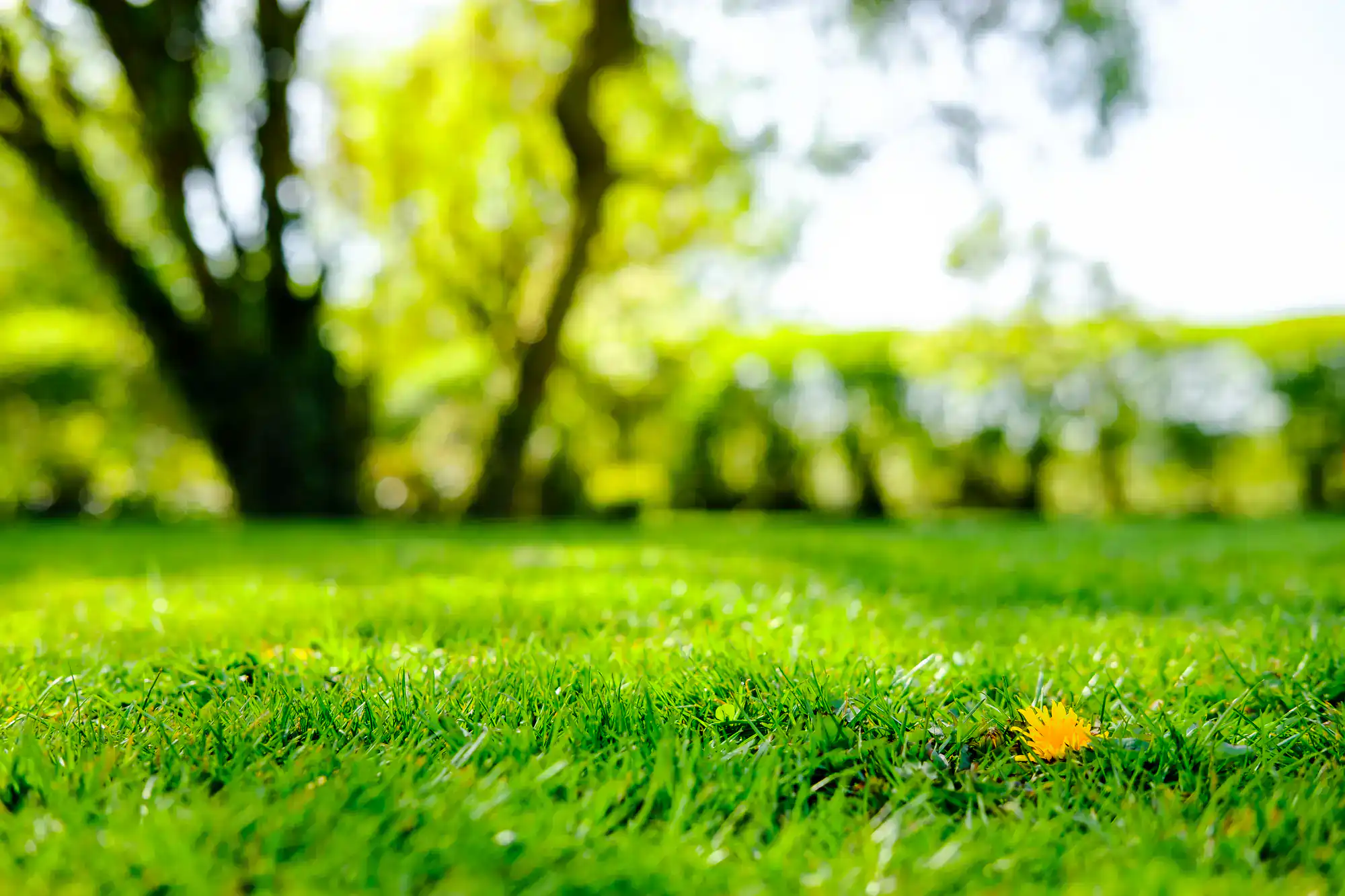
North Great River sits on sandy loam that drains fast faster than most fertilizer blends can keep up with. Nutrients leach through before the grass can absorb them, and a generic program applied at the wrong rate doesn’t fix that. It just generates invoices.
When the fertilizer is actually formulated for Long Island’s soil conditions and applied by someone who knows what they’re doing you start to see real change. Thicker turf. Fewer weeds crowding in. Grass that holds its color through summer instead of fading out by July.
Living next to the Connetquot River State Park Preserve also means your lawn is under constant pressure from the outside. Deer traffic, tick habitat at the edges, Japanese beetle populations sustained by thousands of acres of surrounding woodland these aren’t problems a mow-and-go service is equipped to handle. A properly managed lawn with the right treatment timing and licensed applications is what actually keeps that pressure from winning.
We’ve been treating lawns in North Great River and across Suffolk County since 1987. That’s not a tagline it means our team has worked through every grub cycle, drought season, and disease outbreak Long Island has thrown at the South Shore over nearly four decades. The roads off Connetquot Avenue, the properties backing up to the preserve, the horse lots with large open turf areas this is familiar territory for us.
Every job runs with owner-level attention. That means the person treating your lawn actually knows the property, knows what was applied last visit, and can tell the difference between a grub problem and a drought problem before pulling out a product. That kind of continuity is rare in this industry, and it shows in the results.
We also carry full NYS DEC licensing not a single license holder supervising a crew from a distance, but licensed professionals on every job. In a community that sits in the direct watershed of the Connetquot River, that distinction matters more than most homeowners realize.
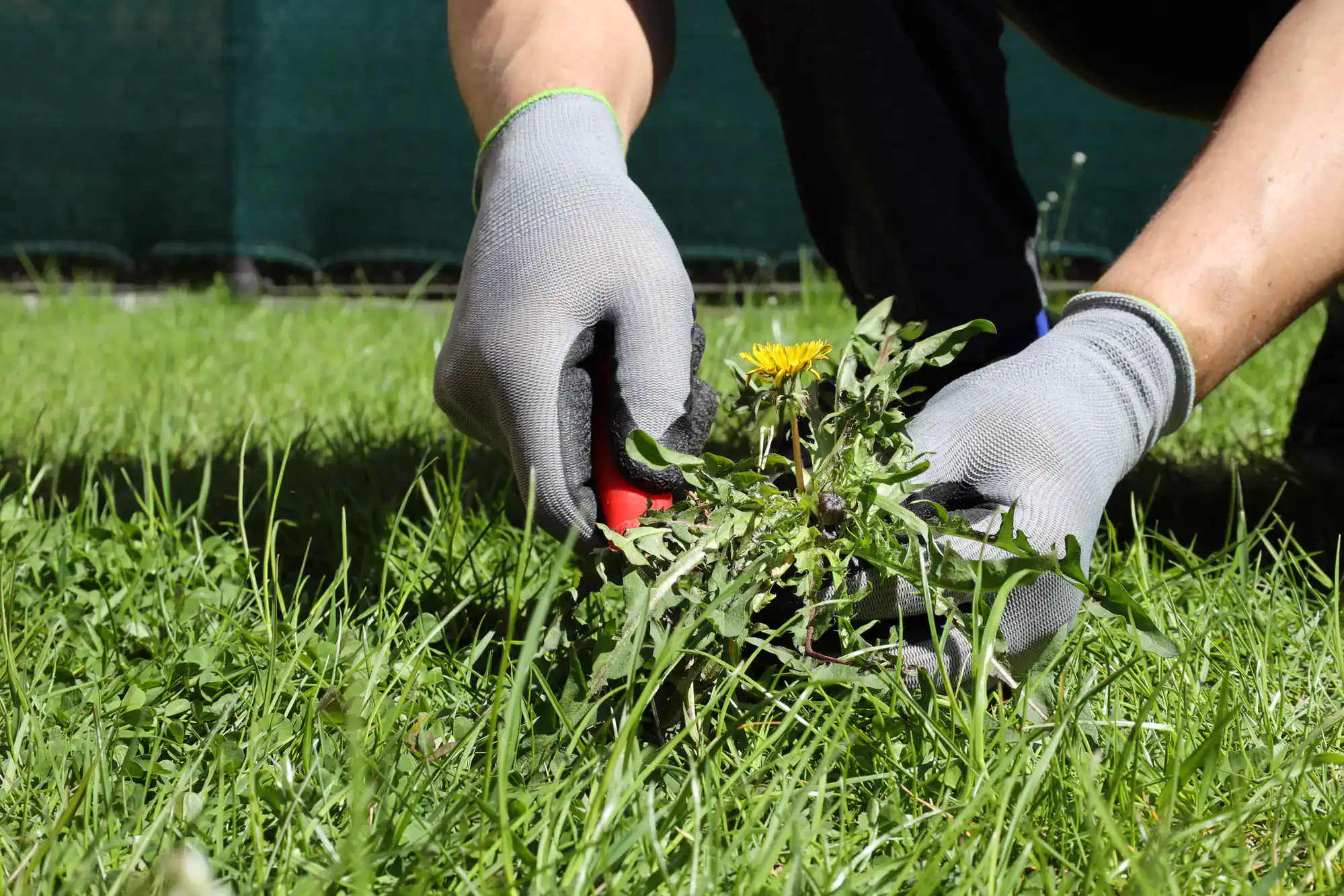
It starts with an actual assessment of your lawn not a glance from the truck window. Sun exposure, turf type, existing weed pressure, soil conditions, pH levels. North Great River soils tend to run acidic, typically in the 5.5 to 6.2 range, which means nutrients in the fertilizer often can’t be fully absorbed until the pH is corrected. That’s the kind of thing a licensed professional catches on the first visit. A general landscaper usually doesn’t.
From there, we build a program around what your lawn actually needs and time it around Suffolk County’s fertilizer blackout, which runs November 1 through April 1. That window isn’t flexible violations carry fines up to $1,000 and the fall treatment timing has to be dialed in correctly before the blackout hits. The winterizer application, which drives root development and spring green-up, needs to go down in September or early October to do its job. Miss that window and you’re starting the next season behind.
Throughout the season, we use a custom-blended fertilizer made specifically for our programs not a commodity product off a distributor’s shelf. Aeration is done with hydraulic equipment that actually penetrates compacted soil, not the lightweight drum aerators most rental-grade operations use. Every step is handled by the same licensed professionals, on a consistent schedule, with online payment so you’re not chasing paper invoices.
Ready to get started?
Our programs cover the full treatment calendar fertilization, weed control, grub prevention, aeration, overseeding, and lawn restoration for properties that need more than maintenance. Every program is custom-built based on the initial assessment, which means a shaded property near the preserve edge gets a different approach than a full-sun lot on the north side of Sunrise Highway. The soil, the turf species, the existing problem areas all of it factors in.
For North Great River properties specifically, grub control is a serious part of the conversation. Japanese beetle populations in this area are sustained by the surrounding woodland habitat of the Connetquot preserve, and grub damage which shows up as dead patches that peel away from the soil in late summer compounds fast if it’s not addressed on the right schedule. Our licensed applicators know the timing and the products, and we’re applying them legally and correctly under NYS DEC certification.
If your lawn is beyond a standard maintenance program thin, weed-dominated, or recovering from grub damage left untreated by a previous company full restoration from seed is available. Many of the tree service companies that show up in local search results for lawn care in North Great River aren’t equipped to do that work. We are. Five wrapped trucks, licensed professionals, and a custom fertilizer blend that’s been refined over 38 years of treating Long Island lawns. That’s what shows up at your property.
The most common reason is a mismatch between the fertilizer being used and the soil it’s going into. North Great River’s dominant soil type Haven Loam and sandy outwash drains quickly, which means standard fertilizer blends often leach through the root zone before the grass can absorb the nitrogen. You get a flush of green early in the season and then the lawn runs out of fuel by July.
The fix isn’t applying more fertilizer it’s applying the right formulation at the right rate and timing. Slow-release nitrogen blends hold in the profile longer, which is exactly why we use a custom-blended fertilizer made specifically for Long Island’s soil conditions. Pair that with a pH check North Great River soils often run acidic, around 5.5 to 6.2 and a lime application where needed, and the grass suddenly has access to nutrients it couldn’t absorb before. That combination is what actually turns a summer-thin lawn around.
Grub damage usually shows up in late summer July through September as irregular brown patches that feel spongy underfoot and peel away from the soil like a loose carpet. That peeling is the giveaway: grubs feed on grass roots just below the surface, severing the connection between the turf and the soil. By the time you see the brown patches, the damage has already been done for weeks underground.
In North Great River, grub pressure is higher than in many other Suffolk County communities because the Connetquot River State Park Preserve and Heckscher State Park sustain large Japanese beetle populations year-round. Those beetles lay eggs in turf areas throughout the summer, and the larvae hatch and feed through fall. The key is preventive treatment applied in late spring or early summer before the eggs hatch not reactive treatment after the damage is visible. We know the timing and the correct products. If you’re already seeing damage, a restoration program from seed may be the next step depending on the severity.
Suffolk County Local Law 41-2007 prohibits lawn fertilizer applications between November 1 and April 1. The law exists to reduce nitrogen runoff into groundwater and surface water which is especially relevant in North Great River, given that the community sits in the direct drainage area of the Connetquot River. Violations carry fines of up to $1,000 per occurrence, and the law applies to both homeowners and professional applicators.
What this means practically is that the fall treatment window particularly the winterizer fertilizer application has to be completed before November 1. The winterizer is the single most important application of the year for root development and spring green-up, and it needs time to work before the grass goes dormant. That means it should go down in September or early October, not late October. A lawn care company that doesn’t plan around this window is either cutting the timing too close or skipping it entirely, and your lawn pays the price in the spring. Our programs are built around this blackout as a matter of standard practice the schedule is designed so every application lands in the right window, every time.
Yes, and it’s a meaningful one. A dedicated lawn care company one that focuses specifically on fertilization, weed control, aeration, overseeding, and turf health has built its entire operation around understanding grass, soil, and the treatment programs that produce results. The equipment, the products, the licensing, and the training are all oriented toward that one goal.
A landscaping company or tree service that offers lawn care as a secondary service is typically set up to mow, plant, and remove. Lawn care gets added to the menu because the customer asks for it, not because it’s a core competency. In North Great River specifically, a search for lawn care services returns results dominated by tree companies with lawn care landing pages not dedicated lawn care operators. Treating a lawn with compacted soil, acidic pH, grub pressure, and a fast-draining soil profile requires a different level of knowledge and equipment than trimming a tree. Our entire business is built around that knowledge.
For a cool-season lawn in Suffolk County which is what most North Great River properties have, primarily tall fescue, Kentucky bluegrass, and perennial ryegrass a properly structured program typically involves five to six visits per year. That covers a pre-emergent application in early spring, fertilization through the growing season, grub control in early summer, and the critical fall window that includes aeration, overseeding, and the winterizer application before the November 1 Suffolk County blackout.
Fewer than that and you’re leaving gaps either missing the pre-emergent window that prevents crabgrass from establishing, or skipping the fall treatments that do the most to build root depth and density heading into winter. More than that isn’t necessarily better; it’s about hitting the right applications at the right times, not just adding visits to the calendar. The goal is a program timed around how cool-season grass actually grows two peak windows in spring and fall, with summer management focused on stress reduction rather than aggressive pushing.
Lawn restoration is the process of rebuilding a lawn that’s too damaged, thin, or weed-dominated to respond to a standard maintenance program. It typically involves core aeration to break up compacted soil, aggressive overseeding with appropriate turf varieties for Long Island’s climate, and a fertilization program timed to support germination and early root development. In more severe cases where grub damage has left large areas with no living turf the approach may involve slice seeding or a full new lawn install from seed.
The honest answer on whether your lawn is too far gone is: probably not, but it depends on what’s actually happening at the soil level. A lawn that looks completely dead after a bad grub season often has enough surviving root structure to recover with the right program. A lawn that’s been overtaken by weeds for years may need a more aggressive reset before overseeding will take hold. The only way to know is to assess it properly look at the soil, the existing turf density, the pH, and the underlying cause of the decline. We handle full restoration work, including new lawn installs from seed, which puts us in a different category from the general landscapers and tree services that make up most of the local search results for lawn care in North Great River.
Useful Links
Other Services we provide in North Great River