
Hear from Our Customers
Most Ridge homeowners who’ve tried lawn care services before have one thing in common they paid for a program that looked the same as everyone else’s and got results that showed it. The fertilizer wasn’t right for the soil. The technician didn’t know the property. Treatments got skipped. And the lawn looked about the same in October as it did in April.
Ridge sits at the edge of the Long Island Central Pine Barrens, and that matters more than most lawn care companies will tell you. The soil here is sandy, acidic, and low in organic matter it leaches nutrients faster than almost anywhere else in Suffolk County. A standard fertilizer program designed for average American soil will underperform here, sometimes visibly. When you’re on a program we’ve built around Ridge’s actual soil conditions, you stop wondering why your neighbor’s lawn looks better than yours.
For the homeowners in Leisure Village, Leisure Knoll, and Leisure Glen communities where neighbors notice, and where doing your own lawn work isn’t always realistic anymore the difference between a real program and a generic one shows up every single week. You get a lawn that holds its color through summer drought, recovers cleanly in the fall, and doesn’t thin out year after year. That’s what the right program delivers.
We’ve been treating lawns in Ridge and throughout Suffolk County since 1987. That’s not a rounded number it’s a specific year, and it means something. When Leisure Knoll was already a 15-year-old community, we were already learning the soil conditions, pest pressure cycles, and seasonal patterns that define lawn care in this part of Long Island. No franchise, no startup, and no recently rebranded company can say the same about Ridge.
Every technician on a Lawn Master crew holds a valid NYS DEC Commercial Pesticide Applicator Certificate the state credential that requires 30 hours of training, a written exam, and two years of supervised experience. You’re not getting an unlicensed laborer supervised on paper by someone who never shows up to your property. You’re getting a licensed professional who understands what they’re applying and why.
Five fully wrapped trucks run routes throughout Suffolk County. If you live near Middle Country Road or in one of the Leisure communities off Route 25, there’s a good chance you’ve already seen one of ours.
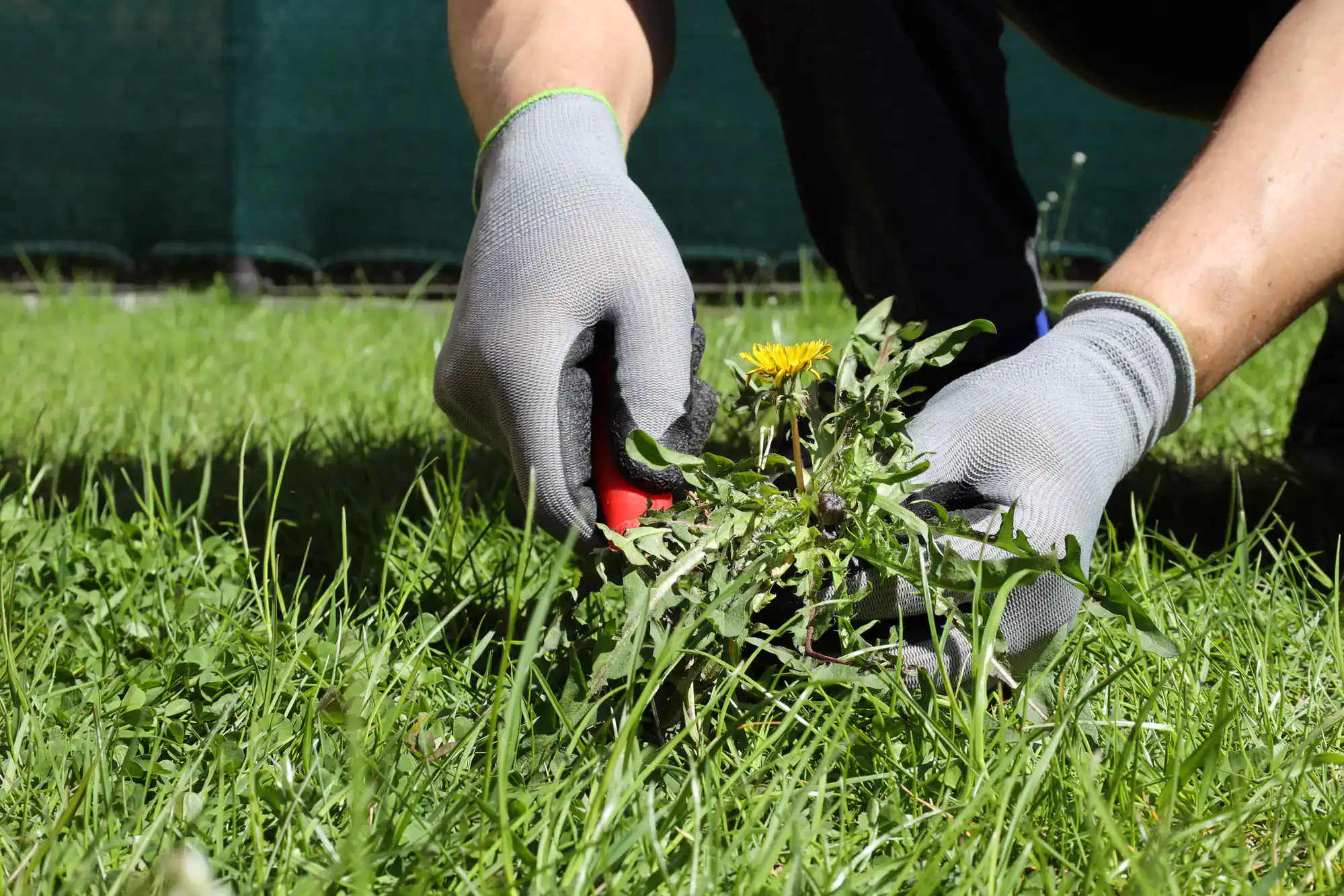
It starts with an actual assessment of your lawn not a glance from the truck. Sun exposure, shade coverage from wooded lot trees, soil conditions, turf species, problem areas, and any visible damage from grubs, drought stress, or years of underperforming programs. Ridge properties vary a lot. A shaded lot set back from the road near Longwood Road has completely different needs than a full-sun lawn in Leisure Glen. That assessment is what shapes your program.
From there, we build a treatment schedule around what your lawn actually needs. That includes a custom-blended fertilizer formulated specifically for our programs and Long Island’s soil not a generic product pulled off a pallet. For Ridge lawns dealing with acidic, sandy soil, lime applications for pH correction are often part of the picture too, because fertilizer doesn’t work the way it should when your soil pH is off. Fall aeration is done with hydraulic equipment, not the lightweight rental-grade drum aerators that barely scratch compacted Long Island soil.
Suffolk County’s fertilizer blackout runs from November 1 through April 1, with fines up to $1,000 per application for violations. Every Lawn Master program is built around that calendar. Timing, product selection, and application rates are managed for you you don’t have to track any of it.
Ready to get started?
Our programs cover the full range of what a Ridge lawn typically needs across a season fertilization with custom-blended product, pre-emergent crabgrass control, grub prevention, weed control, lime applications where soil pH calls for it, and fall aeration and overseeding with professional hydraulic equipment and seeders. If your lawn is in rough shape thin from sandy soil, damaged by grubs that went untreated, or patchy from years of shade and neglect we also handle full lawn restoration and new lawn installs from seed. That’s not something every lawn care company in the area can actually deliver.
Grub pressure is a consistent issue in Ridge. The sandy, well-drained soils adjacent to the pine barrens are favorable conditions for Japanese beetle and European chafer grub development, and damage often doesn’t show up until August or September when brown patches start appearing and won’t respond to watering. Preventive treatment in the right window is the only reliable answer, and it’s built into our program for properties where grub history or soil conditions make it a real risk.
For the 55-plus homeowners in Leisure Knoll, Leisure Village, and Leisure Glen communities with over 2,000 homes combined reliable service isn’t a preference, it’s a need. Our online credit card payment option keeps the billing simple, and the consistency of our programs means you’re not chasing anyone down to find out if your lawn was treated.
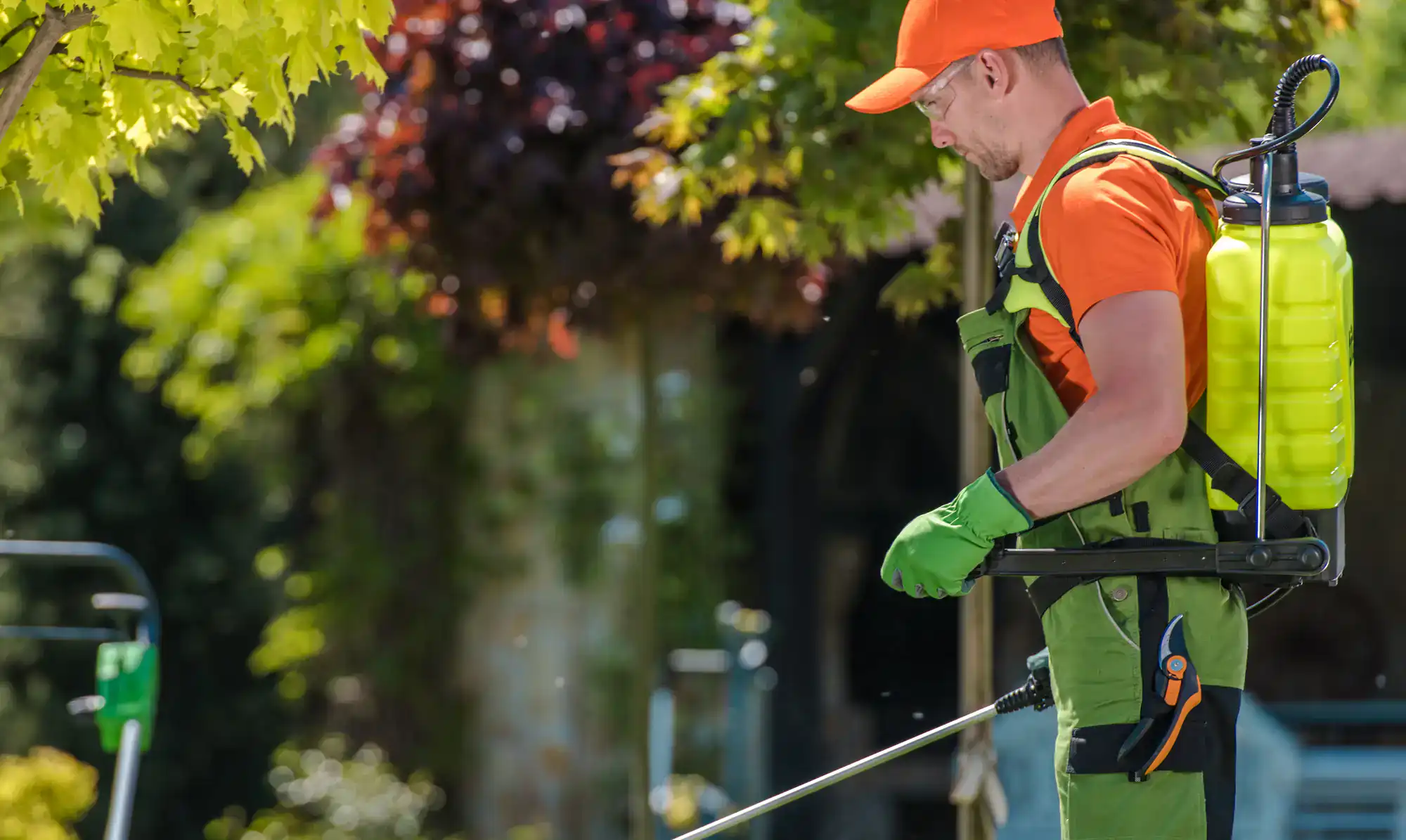
Ridge’s sandy, pine barrens-adjacent soil drains water and nutrients faster than almost anywhere else in Suffolk County. During summer heat, that drainage works against your lawn moisture moves through the root zone before the grass can use it, and without adequate nutrients held in the soil, turf starts to thin and discolor quickly. If your lawn looks burned by July and doesn’t bounce back with watering, the problem usually isn’t the heat. It’s what’s underneath.
A lawn care program we’ve built around Ridge’s actual soil conditions accounts for this. That means a fertilizer formulation that works with the leaching dynamic rather than against it, appropriate watering guidance, and a fall recovery plan that takes advantage of Long Island’s ideal overseeding window late August through October when cool nights and warm soil temperatures give new seed the best possible start. Treating the symptom without addressing the soil is why so many Ridge lawns cycle through the same problems every year.
If your Ridge lawn is thin, patchy, or struggling to fill in despite regular fertilization, aeration and overseeding are usually the right call and fall is the window that matters most. Cool-season turf on Long Island reaches its best germination conditions between late August and mid-October. Soil temperatures are still warm enough to support germination, but the cooler nights reduce the stress on new seedlings. Missing that window in Ridge, where sandy soil limits how much moisture the lawn retains through summer, means waiting another full year to address the problem.
Not all aeration is equal. Lightweight drum aerators the kind most rental yards carry barely penetrate compacted Long Island soil. We use hydraulic aerators that deliver deeper core penetration and better seed-to-soil contact, which matters significantly when you’re trying to establish new growth in sandy, low-organic-matter soil. If your lawn has visible bare patches, thinning turf under tree coverage, or areas that never seem to recover after summer, an assessment will tell you whether overseeding alone is enough or whether a more involved restoration program makes more sense.
Suffolk County has a fertilizer blackout period that runs from November 1 through April 1. During that window, nitrogen and phosphorus fertilizers cannot be applied to turf violations carry fines of up to $1,000 per application. There are also phosphorus restrictions that apply year-round unless a soil test confirms a deficiency, and buffer zone requirements that limit applications within 20 feet of water bodies, wetlands, and storm drains.
In Ridge specifically, these regulations carry extra weight. The sandy soils here sit above the Long Island Pine Barrens aquifer recharge zone one of the most environmentally sensitive groundwater areas in the region. Nutrients that move through sandy soil too quickly don’t just hurt your lawn, they can reach the groundwater below. We manage all of this automatically: the right products, the right timing, the right application rates. When you’re working with us, you don’t have to track the blackout calendar or worry about whether your technician knows the rules.
Grub damage in Ridge typically shows up in late summer usually August or September as irregular brown patches that don’t respond to watering. If you can pull back a section of turf and the grass lifts away from the soil easily, like a loose rug, that’s a strong sign grubs have been feeding on the roots underneath. The damage is often more widespread than it looks from the surface by the time it becomes visible.
Ridge’s sandy, well-drained soils create favorable conditions for Japanese beetle and European chafer grub development. These soils warm quickly and drain well exactly what grub populations thrive in near the pine barrens zone. Waiting until you see the damage to treat is the expensive route, because you’re then dealing with restoration on top of control. Preventive grub treatment applied in the right window typically early summer before eggs hatch is the more effective approach, and it’s built into our program for Ridge properties where soil conditions and local pest pressure make grub activity a consistent risk.
Yes and it’s more common than most homeowners expect. Ridge has a lot of lawns that have been underserved for years. Sandy soil that was never properly amended, grub damage that went untreated for a season or two, heavy shade from wooded lots that was never factored into the grass species selection, or new construction that scraped away topsoil and left subsoil where turf is supposed to grow. These aren’t hopeless situations, but they do require more than a standard maintenance program.
We handle full lawn restoration and new lawn installs from seed not just maintenance on lawns that are already in decent shape. That means assessing what’s actually wrong, addressing soil conditions and pH before putting seed down, using the right grass species for the site’s sun and shade conditions, and following up with a program that gives the new turf a real foundation. If you’ve been told your lawn is too far gone, or if you’ve been paying for a maintenance program that never addressed the underlying damage, a restoration assessment is the right starting point.
We work with a lot of homeowners in Ridge’s 55-plus communities, and for good reason. The lawns in Leisure Knoll, Leisure Glen, and Leisure Village tend to be well-established, but they still deal with the same sandy soil conditions, grub pressure, and pH challenges that affect every Ridge property. Residents in these communities have high standards for how their homes look, and they’ve often been through at least one lawn care company that didn’t show up reliably or didn’t produce results worth paying for.
What tends to matter most in these communities is consistency. You want to know the treatment happened without having to call and check. You want someone who knows your lawn’s history and isn’t starting from scratch every visit. Our programs are built around that kind of continuity licensed technicians, a custom-blended fertilizer designed for Long Island soil, and a schedule that’s managed for you, including Suffolk County’s seasonal blackout requirements. Online credit card payment keeps billing simple. And if a neighbor in your community asks who does your lawn, you’ll have an answer worth giving.
Useful Links
Other Services we provide in Ridge