
Hear from Our Customers
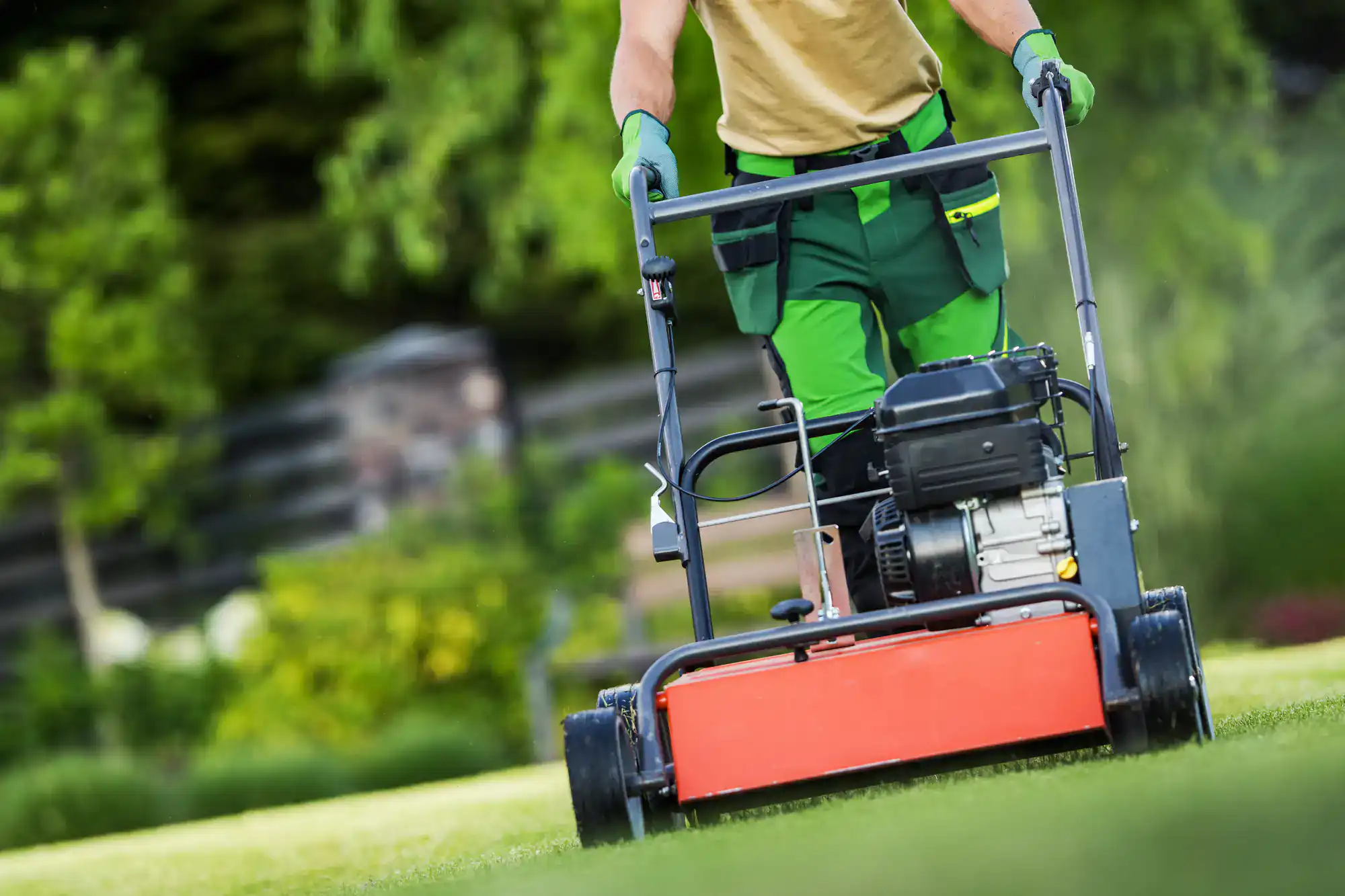
Most Ridge homeowners don’t realize their lawn is suffocating. The soil looks fine on the surface, but underneath, compaction has quietly cut off the air, water, and nutrients that grass roots need to survive. Once that’s corrected, you’ll notice thicker turf, better color, and a lawn that actually bounces back after a dry summer instead of thinning out and staying that way.
The sandy soils common throughout Ridge especially on properties closer to the Pine Barrens corridor along William Floyd Parkway drain fast, which sounds like a good thing until compaction sets in. At that point, you lose the drainage benefit and the nutrient retention at the same time. Core aeration breaks through that compacted layer, opens up channels for water and fertilizer to reach the root zone, and gives your grass a real chance to establish deep, drought-resistant roots before summer stress hits.
For homeowners in communities like Leisure Knoll or Leisure Glen, the wooded lot situation adds another layer to this. Tree roots compete aggressively for moisture and nutrients, and leaf canopy creates the kind of low-light stress that already-weakened turf can’t handle. Aeration doesn’t fix shade, but it does give your lawn the best possible foundation to work with given what it’s up against.
We’ve been operating in Suffolk County since 1987. That means we’ve treated lawns throughout Ridge and along the Middle Country Road corridor through every kind of season, soil condition, and turf problem central Brookhaven throws at homeowners. We know how Ridge’s soils behave. We know what happens to a wooded lot after a dry August. We’ve seen what years of mowing on sandy, compacted ground does to turf that never gets properly aerated.
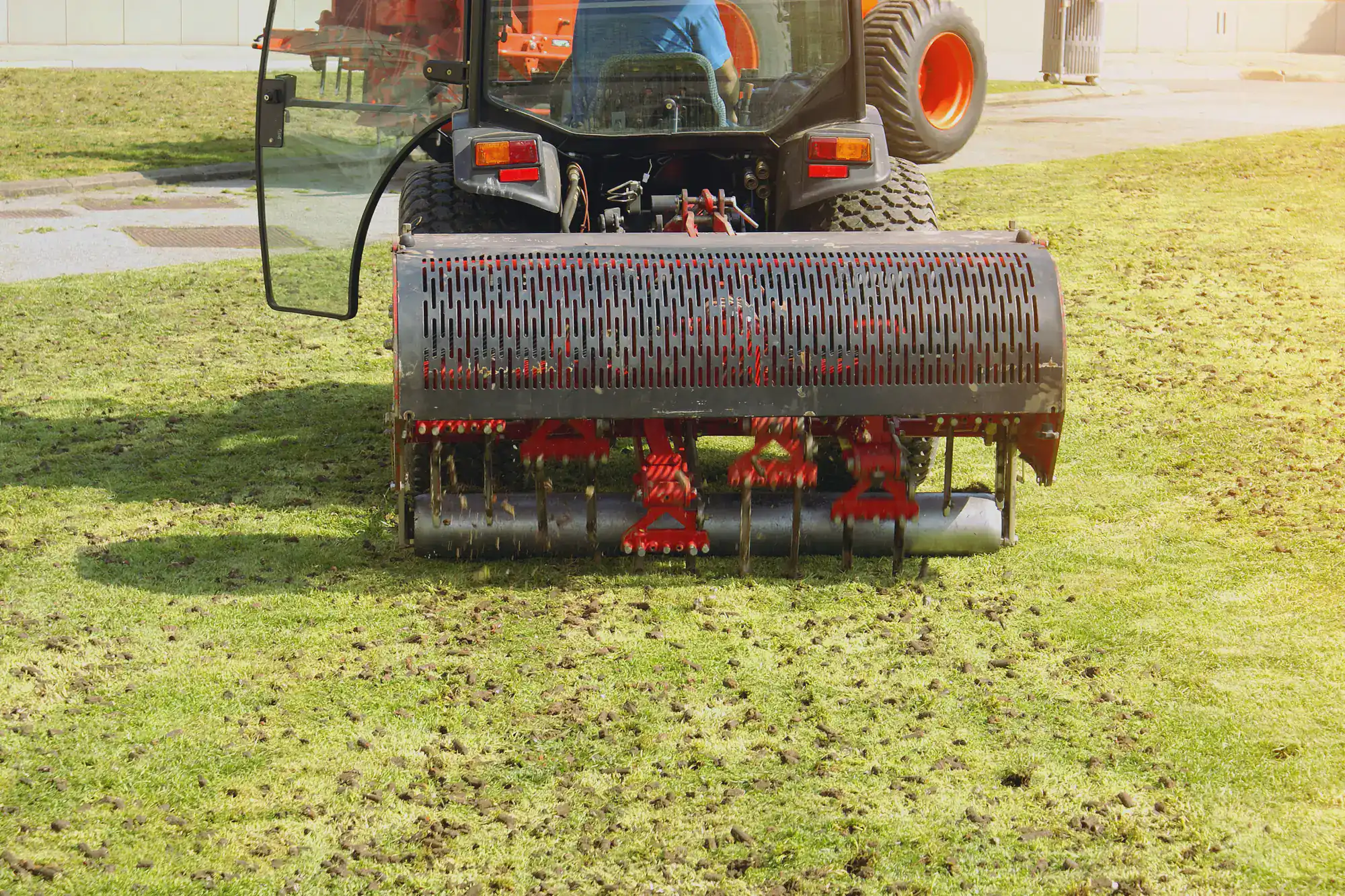
Every job is handled by a licensed pesticide professional not a seasonal crew with a remote supervisor holding the certification. Our hydraulic aerators are commercial-grade equipment that pulls clean, consistent cores even in the variable soil conditions you’ll find across Ridge properties. We also use a custom-blended fertilizer made specifically for our work, not a generic product off a distributor’s shelf.
When you book with us, you’re getting a team that’s been accountable to Ridge homeowners for nearly four decades. That kind of track record doesn’t happen by accident.
It starts with a real assessment of your lawn not a quick glance from the truck. We look at your soil type, thatch depth, grass variety, and compaction level before anything happens. Ridge properties can vary significantly from one block to the next, especially on wooded lots where root competition and years of leaf decomposition have changed the soil profile. That assessment shapes everything that follows.
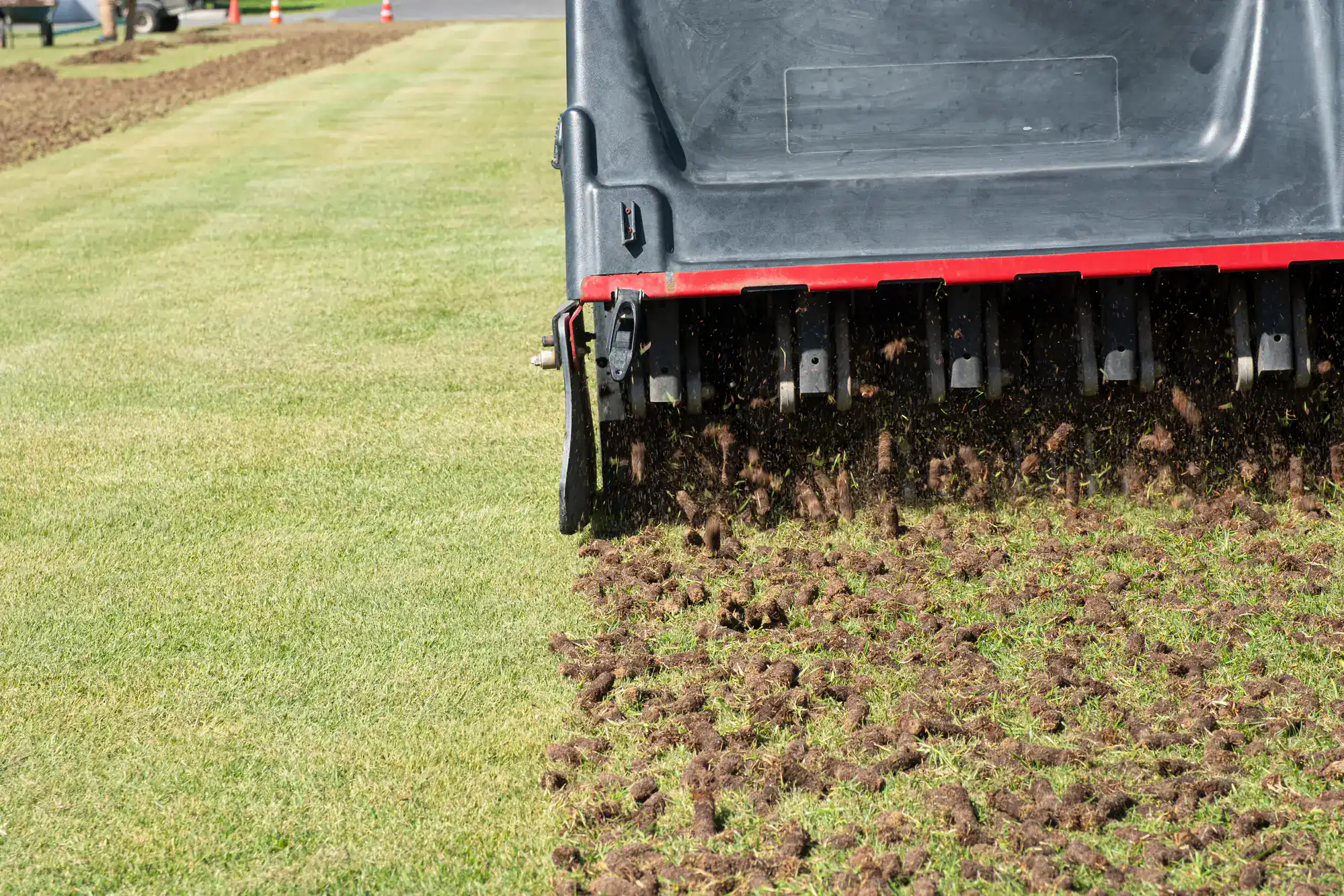
From there, our team runs hydraulic core aerators across your lawn, pulling plugs roughly three-quarters of an inch in diameter and up to three inches deep. Those plugs get left on the surface that’s intentional. They break down within a week or two and return organic matter directly back into the soil. If overseeding is part of your program, it goes down immediately after aeration while the soil channels are open and seed-to-soil contact is at its best.
One thing worth knowing if you’re in Ridge: Suffolk County’s fertilizer application ban runs from November 1 through April 1. Any nitrogen or phosphorus applications including the post-aeration fertilization that makes the biggest difference have to be completed before that deadline. We plan our fall schedule around that window, and we book up as it approaches. If you’re thinking about fall aeration, earlier is always better than waiting until October.
Ready to get started?
Lawn aeration isn’t a one-size service. The program we build for a half-acre wooded lot in Strathmore Ridge is going to look different from what we’d recommend for a smaller, sun-exposed property near the Route 25 corridor. Soil composition, shade levels, grass type, and how compacted the ground actually is all of that gets factored in before we make a single recommendation. That’s what custom-tailored means in practice.
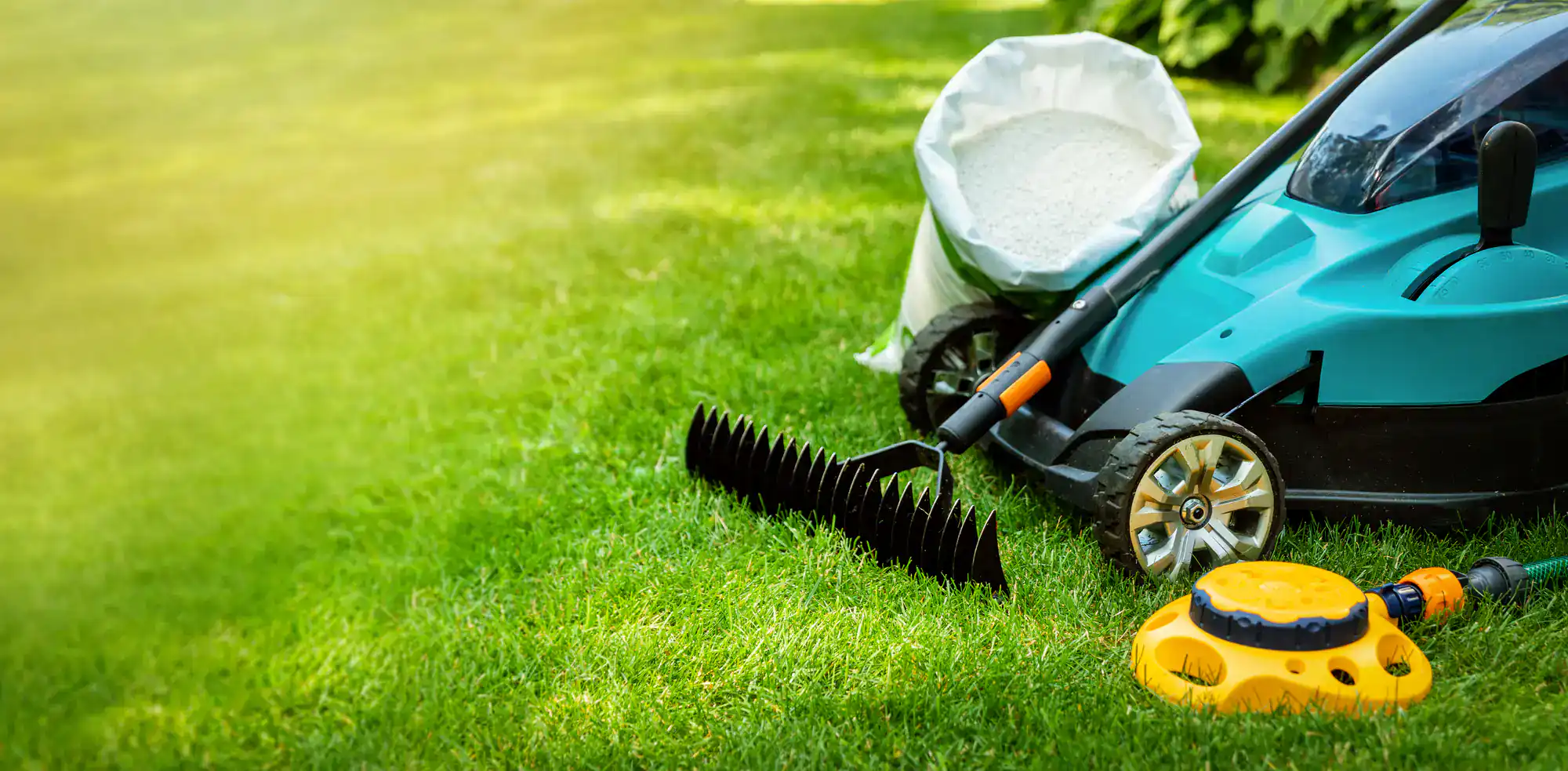
The core service includes a full property assessment, hydraulic core aeration, and a post-service plan that accounts for your lawn’s specific recovery needs. If overseeding is warranted, we use professional-grade seeders not broadcast spreaders to ensure proper seed placement and germination rates. Our custom-blended fertilizer can be applied in the same visit to take advantage of the open soil channels, maximizing uptake right when it matters most.
For homeowners in the Leisure communities Leisure Village, Leisure Knoll, and Leisure Glen we understand that professional service means showing up on time, communicating clearly, and not sending a different face every visit. These are established properties with real history, and we treat them that way. Online invoice payment is available if you’d rather handle everything without a phone call. The goal is a service experience that’s as easy to manage as it is effective.
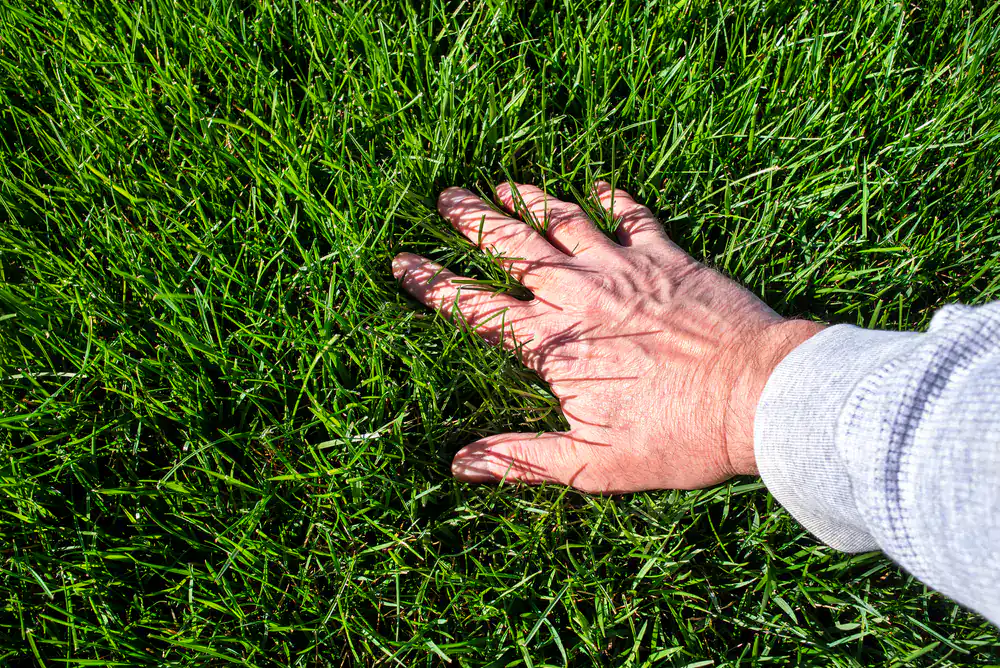
The most reliable field test is simple: push a standard screwdriver into your lawn after a good watering. If it won’t slide in three inches without real force, your soil is compacted and compaction is exactly what aeration is designed to correct. You might also notice water pooling on the surface after rain, turf that looks thin and worn despite regular fertilizing, or grass that never fully recovered from last summer’s heat. All of those are signs the root zone isn’t getting what it needs.
In Ridge specifically, the sandy soils near the Pine Barrens edge can be deceptive. Homeowners sometimes assume sandy ground stays loose, but it compacts under the weight of mowing equipment and foot traffic just like heavier soils do and once compacted, it loses the drainage advantage while still failing to hold nutrients near the roots. If your lawn has been on a fertilizer program and you’re not seeing the results you’d expect, compaction is often the missing piece. Aeration is what makes everything else you’re spending money on actually work.
Fall is the right window for the cool-season grasses that cover most Ridge lawns tall fescue, Kentucky bluegrass, and perennial ryegrass all respond best to aeration between late August and mid-October. Soil temperatures are still warm enough for root activity and new seed germination, but the air has cooled down enough that your turf isn’t fighting heat stress at the same time it’s recovering from aeration. That combination produces the strongest results.
Spring aeration is possible, but it comes with a real trade-off. If you apply pre-emergent crabgrass control in the spring which most Suffolk County homeowners should aeration breaks that barrier and reduces its effectiveness. For most Ridge properties, fall is the season to prioritize. There’s also a hard deadline to keep in mind: Suffolk County’s fertilizer ban kicks in on November 1, which means any post-aeration fertilization has to be done before that date or you’re waiting until spring. That window fills up. Planning ahead is the difference between getting it done right and missing it entirely.
For most residential properties in Ridge, professional core aeration typically runs somewhere in the $75 to $300 range depending on lot size, soil conditions, and whether overseeding or fertilization is added to the visit. Smaller properties on the lower end of that range, larger or more complex lots on the higher end. That’s the honest range for the Suffolk County market and it’s worth putting in perspective.
Renting an aerator from a local equipment yard runs $75 to $100 for the day, but the machines available for residential rental are light-duty walk-behinds that often can’t penetrate the compacted, root-competed soil common on Ridge’s wooded lots. If the tines aren’t reaching the compaction layer, you’re spending a full Saturday for a result that doesn’t actually solve the problem. Professional hydraulic aerators penetrate consistently and pull clean cores at the right depth. For most homeowners, the difference in actual outcome not just the experience makes the professional service the more practical choice.
It doesn’t require special permits for routine aeration, but the Pine Barrens proximity does matter for how the full service should be handled. Ridge sits adjacent to one of Long Island’s primary aquifer recharge zones the groundwater that feeds into the region’s drinking water supply moves through the sandy soils under and around the Pine Barrens. That means any fertilizer or pesticide applications made in connection with aeration should be handled by someone who understands the environmental sensitivity of the area, not just someone following a generic product label.
This is one of the reasons we put licensed pesticide professionals on every job rather than relying on unlicensed crews supervised from a distance. A licensed applicator has passed state exams, maintains active NYSDEC certification, and is personally accountable for every application they make. Near a groundwater-sensitive area like the Pine Barrens corridor, that accountability isn’t just a credential it’s the difference between responsible lawn care and the kind of careless application that creates real environmental risk. Our custom-blended fertilizer is also formulated with regional soil conditions in mind, not just pulled off a distributor’s shelf.
Aeration should always come first, and overseeding should follow immediately after ideally the same day. The reason is straightforward: core aeration creates hundreds of small channels in the soil where seed can make direct contact with the ground. That seed-to-soil contact is what drives germination. If you seed onto a hard, unbroken surface, most of it sits on top and either dries out or washes away before it has a chance to establish.
In Ridge, the timing of this combination matters a lot. Fall is the right season for both aeration and overseeding with cool-season grasses, and you want new seed to have at least four to six weeks of growing time before the ground hardens for winter. On wooded lots which are common throughout Ridge and especially in the Strathmore Ridge area shade and root competition from mature trees mean you’re already working against the grass. Giving new seed the best possible entry point through freshly aerated soil is the most effective way to improve turf density in those conditions. Waiting on either step reduces the result.
Renting an aerator and doing it yourself is a reasonable idea on paper. In practice, the machines available at local rental yards are built for light residential use on cooperative, relatively uniform soil. Ridge lawns particularly those on wooded lots with years of root competition, variable soil composition, and compaction that’s built up over decades don’t fit that description. Consumer-grade aerators frequently can’t penetrate deep enough to reach the actual compaction layer, which means you’re putting in a full day of physical work for a surface-level result that doesn’t solve the underlying problem.
Beyond the equipment gap, there’s the question of what happens after aeration. The service itself is just the starting point. Getting the overseeding, fertilization, and timing right especially with Suffolk County’s November 1 fertilizer deadline in play requires real experience with how these lawns behave across seasons. We’ve been doing this work in Ridge and central Brookhaven since 1987. That means we’ve seen what Ridge’s soils do in a dry year, a wet fall, and everything in between. You’re not just paying for someone to run a machine across your lawn. You’re paying for the judgment that makes the whole program actually work.
Useful Links
Other Services we provide in Ridge