Hear from Our Customers
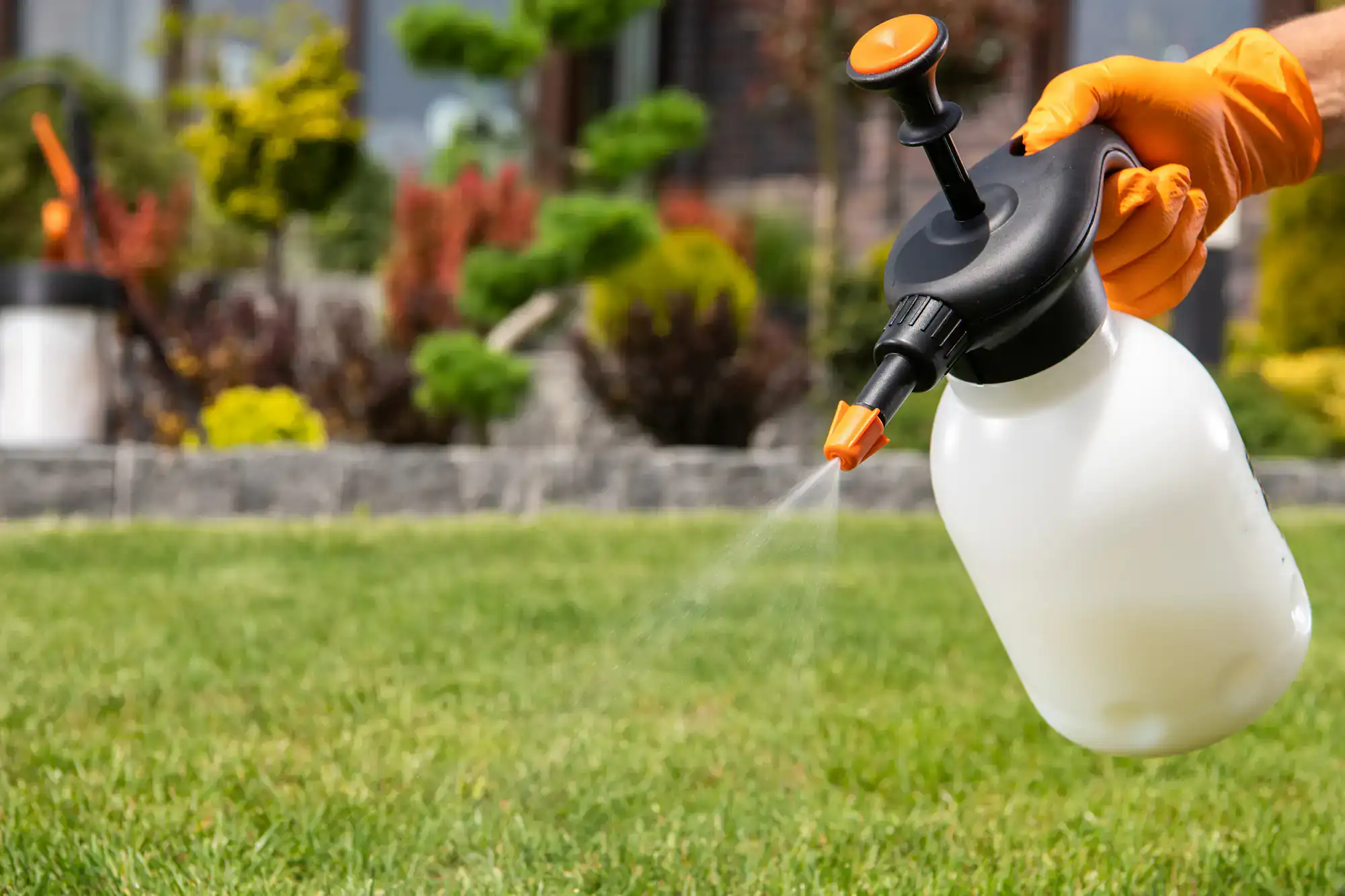
Homes near the Great South Bay don’t come cheap. Renovated properties in Brookhaven hamlet regularly sell north of a million dollars, and waterfront homes push well past three. A thin, patchy, weed-choked lawn doesn’t just look bad it pulls down the value of everything you’ve put into the property. The right lawn treatment program changes that, and it does it consistently, season after season.
The challenge here isn’t just effort it’s the environment. Brookhaven’s sandy coastal soil drains so fast that nutrients wash through the root zone before your grass can use them. Salt air off the Great South Bay stresses turf continuously, weakening grass blades and making your lawn more vulnerable to disease, drought, and bare patches. A program designed for inland Suffolk County simply doesn’t account for any of that.
When you get a program built specifically for South Shore conditions the right fertilizer blend, the right timing, the right treatments for what’s actually growing in your soil the results show. Thicker turf, fewer weeds, less dead grass after a tough summer, and a lawn that looks like it belongs next to a $2 million property. That’s what this is about.
We’ve been treating lawns across Suffolk County since 1987, and Brookhaven hamlet has been part of that work from the start. That’s not a tagline it’s a track record. While national chains rotate technicians and local startups come and go, we’ve been showing up to the same South Shore communities, season after season, long enough to know exactly what these lawns need and why.
Every technician is NYS DEC-licensed not just trained, but tested and certified to apply pesticides legally and safely. That matters especially near the Carmans River and the Great South Bay, where what goes into the ground has a direct path to the water. We use a custom-blended fertilizer made specifically for Long Island soil, follow Suffolk County’s fertilizer blackout law, and apply products in ways that protect your lawn and the environment around it.
Five fully wrapped trucks, an online payment portal, and owner-level expertise on every visit. You know who’s on your property, and you know they’re qualified to be there.
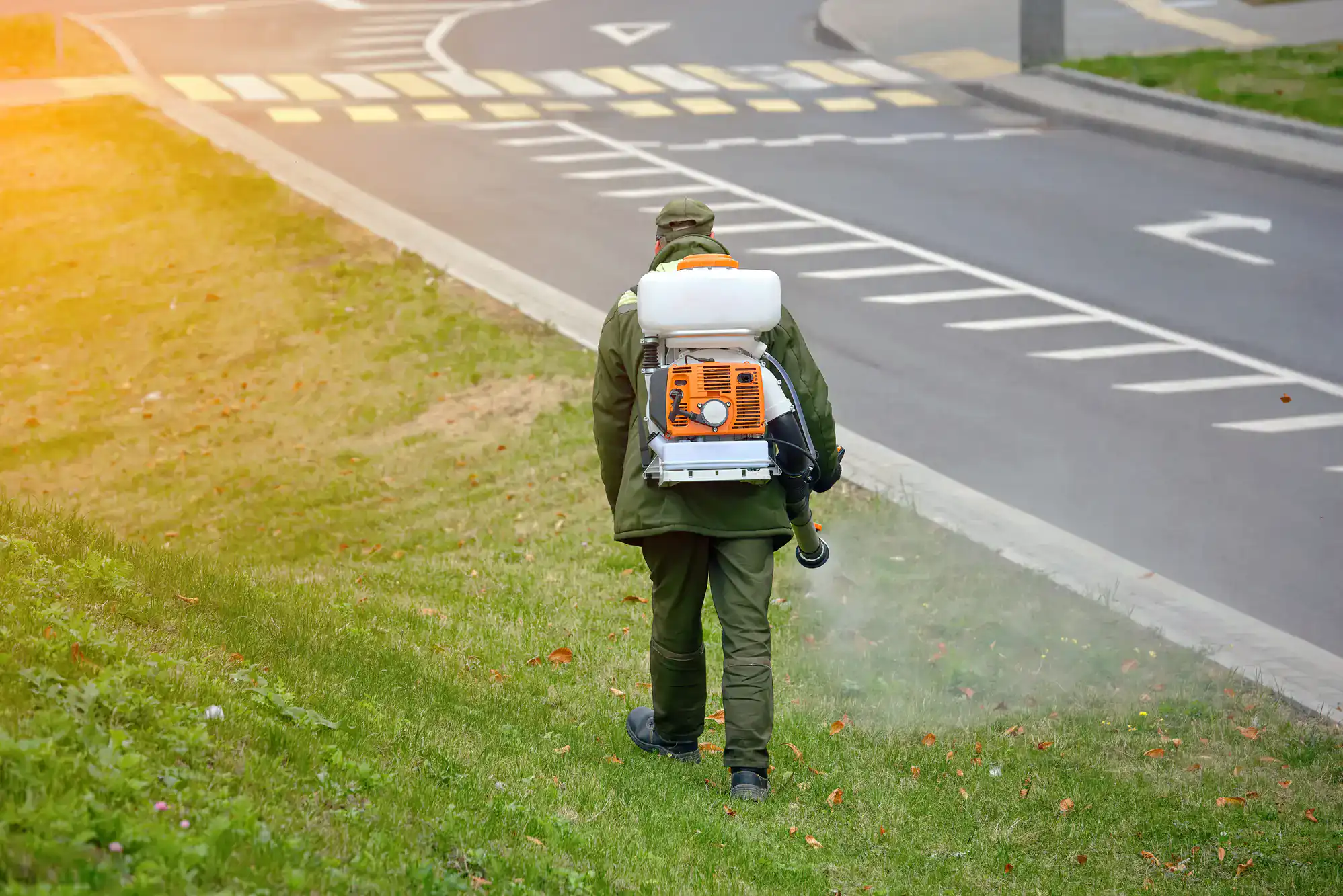
It starts with an assessment of what you’re actually working with. Brookhaven hamlet lawns vary some are close enough to the bay that salt air is a constant factor, others sit on heavier mixed soils further inland toward Sunrise Highway. Before anything gets applied, we evaluate the condition of your turf, your weed pressure, and your soil’s specific needs and factor that into your program. Cookie-cutter treatment plans don’t work here, and we don’t use them.
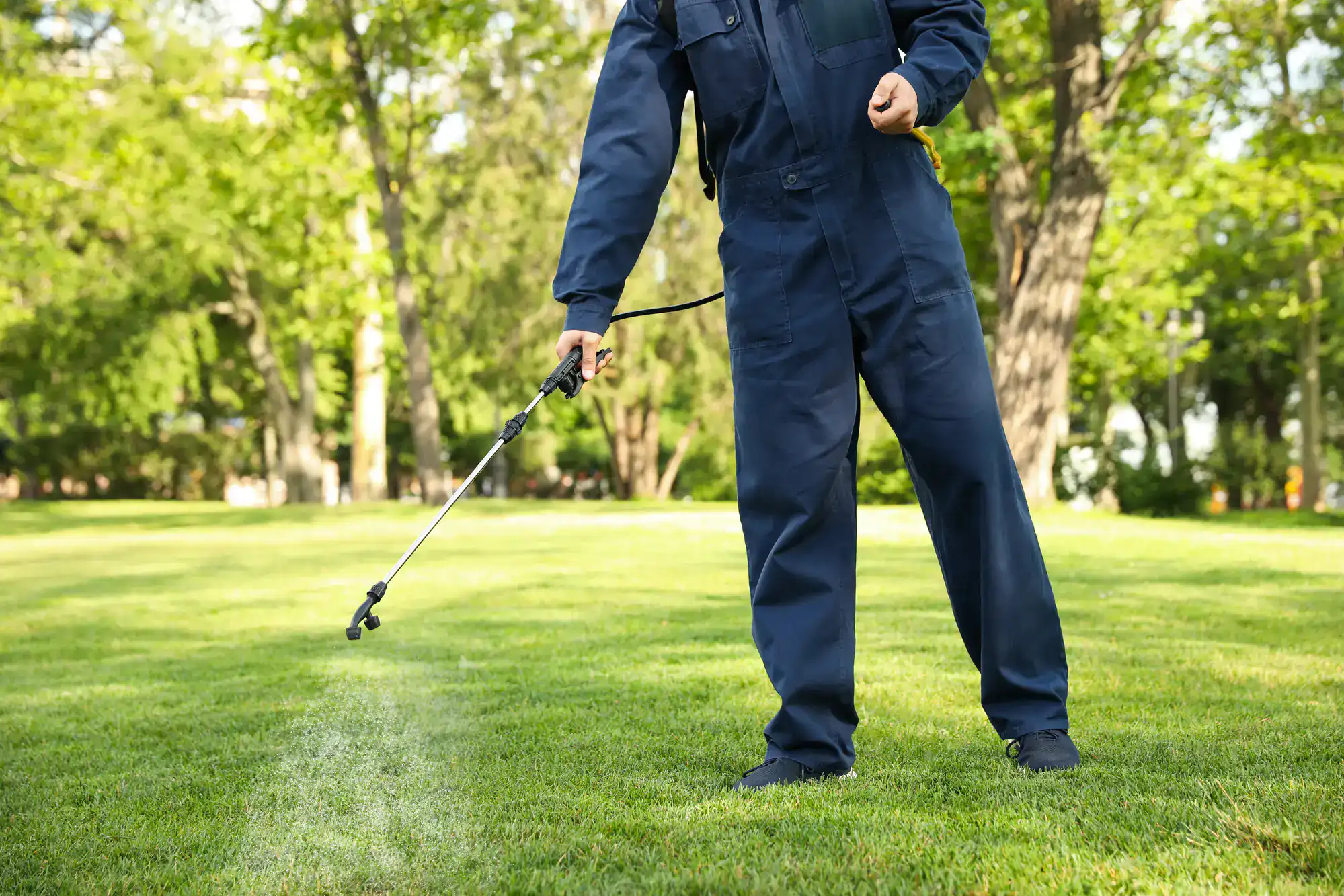
From there, your program is built around the Suffolk County seasonal calendar. Pre-emergent crabgrass control goes down before soil temps hit 55°F in April. Fertilization follows the legal schedule nothing goes on the ground between November 1 and April 1, per Suffolk County Law 41-2007. Summer visits focus on grub control, fungal disease monitoring, and weed management, including targeted treatments for nutgrass, which thrives in the moist, sandy soils near the bay. Fall is when the real recovery work happens core aeration with hydraulic equipment, overseeding with the right grass varieties for this climate, and a final fertilization before the blackout period begins.
Every visit is handled by a licensed technician who knows your lawn’s history. You’re not re-explaining your situation to a different crew member each time. The program builds on itself, and so do the results.
Ready to get started?
Our programs cover the full range of what South Shore lawns actually need. Fertilization uses a proprietary blend made specifically for Long Island’s sandy, fast-draining soil not the off-the-shelf commercial product that national chains buy by the truckload. Weed control targets what’s actually growing in your lawn, including nutgrass and bentgrass, which are persistent problems in the moist soils near the Great South Bay and ones that most generic programs fail to address.
Grub control is a standard part of the program here, not an upsell. Japanese beetle grubs are a documented, widespread issue across Suffolk County, and in Brookhaven’s combination of sandy soil and coastal conditions, an untreated infestation can wipe out root systems fast. Core aeration is done with professional hydraulic equipment not the lightweight rental units that barely scratch the surface and overseeding follows with grass varieties suited to Long Island’s climate.
For lawns that are past the point of maintenance, we also handle full restoration and new lawn installs from seed. If salt damage, grub destruction, or years of neglect have left you with more bare ground than grass, that’s a starting point, not a dead end. The program gets customized to where your lawn actually is, not where a sales sheet assumes it should be.
Yes, and it’s one of the more underestimated lawn problems for homeowners in Brookhaven hamlet. Salt air draws moisture out of grass blades, weakens cell walls, and creates a chronic stress condition that makes your turf more vulnerable to heat, drought, disease, and bare patches. It’s not a one-time event it’s a continuous pressure that builds through the growing season, especially for lawns within a mile or two of the bay.
The fix isn’t complicated, but it does require a program that accounts for it. That means the right fertilizer rates to compensate for salt-stressed turf, the right grass varieties when overseeding, and the right timing on treatments so you’re not pushing a lawn that’s already under stress. A generic program applied to a Brookhaven lawn the same way it gets applied in Holbrook or Centereach is going to underperform, and most homeowners near the South Shore have experienced exactly that. The difference is a program calibrated for where you actually live.
Under Suffolk County Law 41-2007, fertilizer applications to lawns are prohibited between November 1 and April 1. That’s not a guideline it’s a law with fines up to $1,000 for violations. The restriction exists to reduce nitrogen runoff into local waterways, including the Great South Bay, which has experienced documented harmful algae blooms tied directly to lawn fertilizer pollution. In 2021, Long Island’s bay scallop industry crashed for the third consecutive year as a result of nitrogen contamination.
New York State also bans phosphorus in lawn fertilizer unless a soil test confirms a deficiency. Both rules apply to Brookhaven, and any professional company operating here should know and follow them without being asked. We build our entire program schedule around these regulations every application is timed to stay within the legal window and applied at rates that feed your lawn without contributing to the runoff problem. If a company you’re considering can’t explain the blackout period clearly, that’s a red flag worth paying attention to.
The most honest answer is consistency and local knowledge. National chains like TruGreen operate at scale, which means technician turnover is high, programs are standardized across wide regions, and the person treating your lawn this visit may have no idea what was applied last time or what specific problems your property has. For a Brookhaven hamlet lawn dealing with salt air stress, sandy nutrient-leaching soil, and proximity to sensitive waterways, that kind of generalized approach tends to produce inconsistent results.
We’ve been in Suffolk County since 1987. Our technicians are NYS DEC-licensed, our fertilizer is a custom blend made specifically for Long Island soil, and we build your program around your lawn’s actual conditions not a national template. You also get five fully wrapped, identifiable trucks, so you always know who’s on your property. That accountability matters in a small, tight-knit community like Brookhaven hamlet, where your lawn is visible to neighbors who have the same high standards for the area that you do.
Grub damage from Japanese beetles usually shows up in late summer large, irregular patches of brown, dead grass that pull up easily because the roots have been eaten away underneath. In Brookhaven’s sandy coastal soil, grubs can move through the root zone quickly, and what looks like a small problem in July can become a significant dead zone by September. Birds and skunks digging up your lawn are also a reliable sign that grubs are active below the surface.
The most effective approach is preventive treatment applied in late spring or early summer, before the grubs hatch and begin feeding. Reactive treatments after the damage is visible are less effective and more expensive, because you’re now dealing with both the infestation and the lawn restoration. We include grub control as a standard component of the program for Suffolk County lawns not an add-on because in this area, it’s not a question of whether grub pressure exists, it’s a question of whether you’re ahead of it or behind it.
Nutgrass technically nutsedge is a weed that looks like grass but isn’t, and it’s one of the most stubborn lawn problems in Suffolk County’s South Shore communities. It thrives in moist, sandy soils, which makes it especially common in Brookhaven hamlet and surrounding areas near the Great South Bay. The reason it’s so hard to eliminate on your own is that it reproduces through underground tubers called nutlets, and pulling the visible plant just stimulates more growth from the root system below.
Standard broadleaf weed controls don’t work on nutsedge it requires a specific herbicide applied at the right time in the growth cycle, by someone who can correctly identify it and distinguish it from the surrounding turf. Most DIY products on the market either don’t target it effectively or cause collateral damage to the grass around it. We offer targeted nutsedge control as part of our weed management program, and it’s one of the most common reasons homeowners in this area come to us after cycling through other services that couldn’t solve the problem.
For most lawns in Suffolk County, yes fall is actually more important than spring, even though spring gets most of the attention. Cool-season grasses, which are standard across Brookhaven hamlet, do their best growing in September and October when soil temperatures are ideal and the summer stress has lifted. That window is when aeration and overseeding are most effective, when fertilization produces the deepest root development, and when your lawn builds the reserves it needs to come back strong the following year.
In Brookhaven specifically, fall treatment also gives lawns the best chance to recover from whatever the summer threw at them salt stress, grub damage, heat and humidity, fungal disease. Waiting until spring to address those issues means your lawn spends the entire winter in a weakened state. The Suffolk County fertilizer blackout starts November 1, so the timing is specific: core aeration, overseeding, and a final fertilization need to happen in September and early October to be both effective and legally compliant. Getting that timing right is the difference between a lawn that rebounds and one that limps into the next season.
Useful Links
Other Services we provide in Brookhaven