
Hear from Our Customers
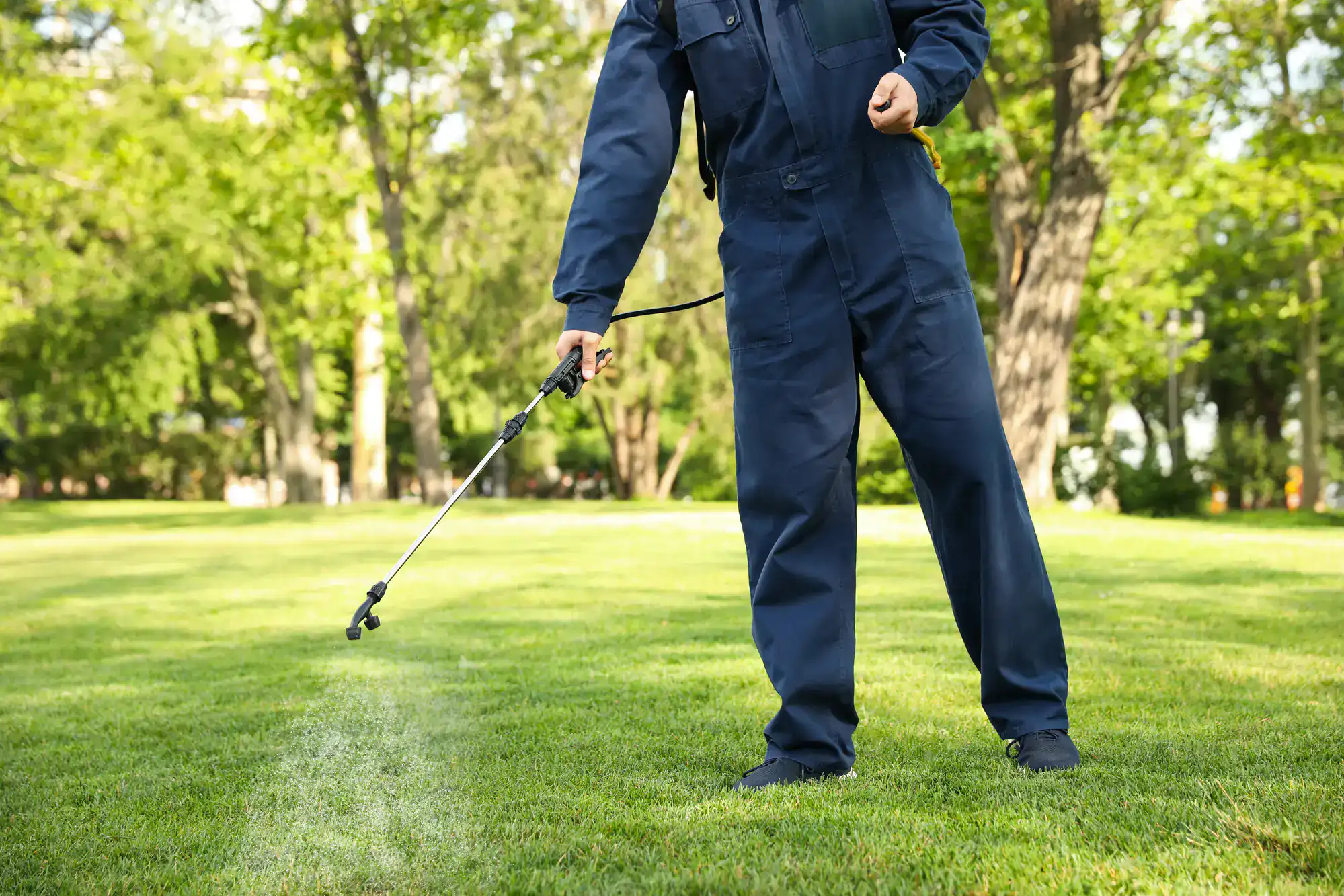
Gordon Heights has always been a community that takes homeownership seriously. Families put real work into these properties and the last thing you want is a lawn that looks like an afterthought. When the treatment program is right, the results are visible and they hold. Thick, green turf through the summer. Fewer weeds coming back each season. Grass that actually recovers after a rough August instead of sitting thin and patchy into fall.
The wooded character of Gordon Heights creates specific challenges that most lawn companies aren’t set up to handle well. Mature tree canopy means heavy shade across a lot of these properties, and the wrong grass seed or the wrong fertilizer timing under those trees does nothing. Leaf accumulation, root competition, and compacted soil from established trees all factor into what your lawn actually needs and what it can realistically achieve. A program that ignores those conditions is just money spent.
Suffolk County’s sandy subsoil leaches nutrients faster than most homeowners realize. That’s why a fertilizer blend calibrated for generic “northeast” conditions often underdelivers here. When the product, the timing, and the application are all dialed in for Gordon Heights’ specific soil, the difference shows up in your lawn not just on paper.
We’ve been servicing Gordon Heights and the surrounding Longwood corridor since 1987. That’s not a tagline it means our team has treated lawns throughout this area long enough to know exactly what these soils do, what these summers demand, and what separates a program that works from one that just looks good on a brochure.
Every technician is a licensed NYS pesticide applicator not a seasonal laborer handed a tank. That matters for your lawn, and it matters for your family. Proper application by a credentialed professional isn’t just a better result, it’s a safer one.
The equipment is professional-grade too. Hydraulic aerators, commercial seeders, and a custom-blended fertilizer made specifically for Lawn Master and calibrated for Long Island soil. Five fully wrapped trucks you’ll recognize on sight throughout Gordon Heights and the surrounding area. This is a company that shows up looking like it means business because it does.
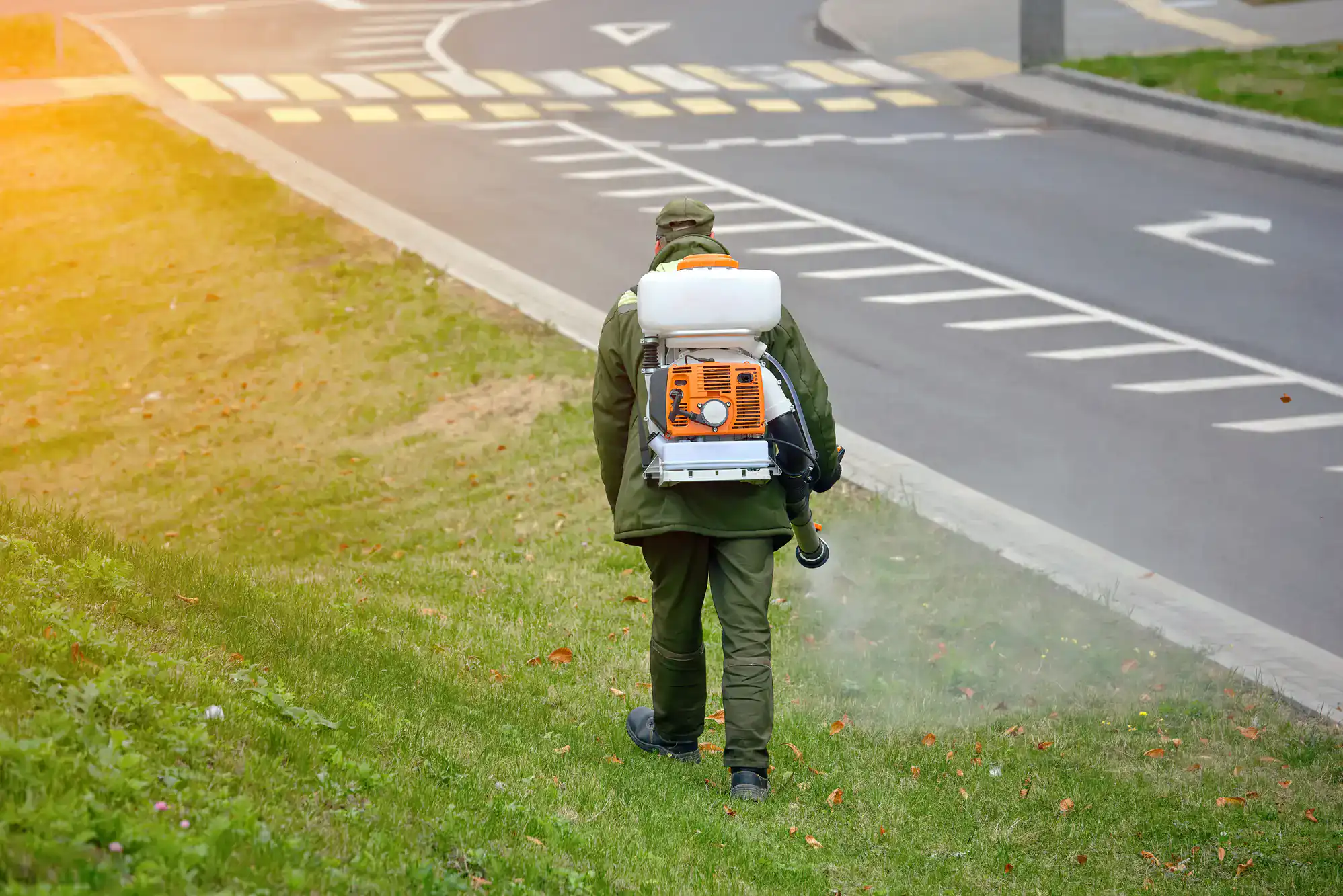
It starts with your lawn, not a standard package. Before anything gets applied, we assess the condition of your turf, the shade exposure, the soil, and the weed pressure. Gordon Heights properties vary a sunny open yard off Bartlett Avenue has different needs than a shaded wooded lot near Granny Road or a manicured home in Strathmore on the Green. The starting point is always what your specific lawn actually needs.
From there, we build a treatment program around your lawn’s real condition and the Suffolk County calendar. Timing matters here. Cool-season grasses like tall fescue and Kentucky bluegrass the dominant types throughout this area grow most actively in spring and fall. The fertilization schedule, weed control applications, and any aeration or seeding work are all timed around that growth cycle, not around what’s convenient for the schedule.
Fall is the most important window of the year for Long Island lawns, and we treat it that way. Early September aeration opens the soil up. Overseeding fills in thin areas. The fall fertilization feeds the roots through the cooler months so the lawn comes back stronger in spring. Suffolk County also prohibits fertilizer application between November 1st and April 1st a regulation we follow to the letter, because doing it right means doing it legally and responsibly.
Ready to get started?
The core of what we deliver is a fertilization and treatment program built around your lawn’s actual condition not a one-size template. Our custom-blended fertilizer is made specifically for Lawn Master, with nutrient ratios designed for Long Island’s sandy subsoil. It feeds your lawn at the rate it can actually absorb, instead of pushing nutrients through the soil and into the groundwater below. That’s not just better for your lawn it matters in a county that draws every drop of drinking water from a sole-source aquifer underground.
Weed control, grub prevention, and targeted treatment for stubborn problems like nutsedge are part of the program where needed. Japanese beetle grubs are a documented issue throughout Suffolk County, and Gordon Heights’ wooded lots with the kind of established turf and organic matter grubs thrive in are no exception. Core aeration with hydraulic equipment pulls deeper, cleaner plugs than consumer-grade machines, which makes a real difference in the compacted soil common around mature tree root systems.
For lawns that are past the point of routine treatment, we also handle full restoration and new lawn installation from seed. Bare patches from grub damage, thin turf struggling under heavy canopy, areas that have never properly established those aren’t problems that a standard fertilizer program fixes. We can take a Gordon Heights lawn from its worst state to its best, not just maintain what’s already there.
This is one of the most common issues on Gordon Heights properties, and it comes down to a few things happening at once. Mature tree canopy blocks the sunlight that cool-season grasses like tall fescue and Kentucky bluegrass need to thrive. At the same time, established tree root systems compete aggressively for water and nutrients in the soil often winning. The result is thin, patchy turf that never seems to fill in no matter how much you water or fertilize.
The fix isn’t just throwing more product at it. It starts with the right grass species for the conditions. Fine fescue is the recommended choice for heavily shaded areas on Long Island it tolerates low light far better than other cool-season varieties. Beyond that, the soil under those trees often needs aeration to break up compaction from the root systems, and the fertilization timing needs to account for reduced growth potential. A program that ignores the shade factor will keep disappointing you. One that’s built around it can genuinely improve what’s growing there.
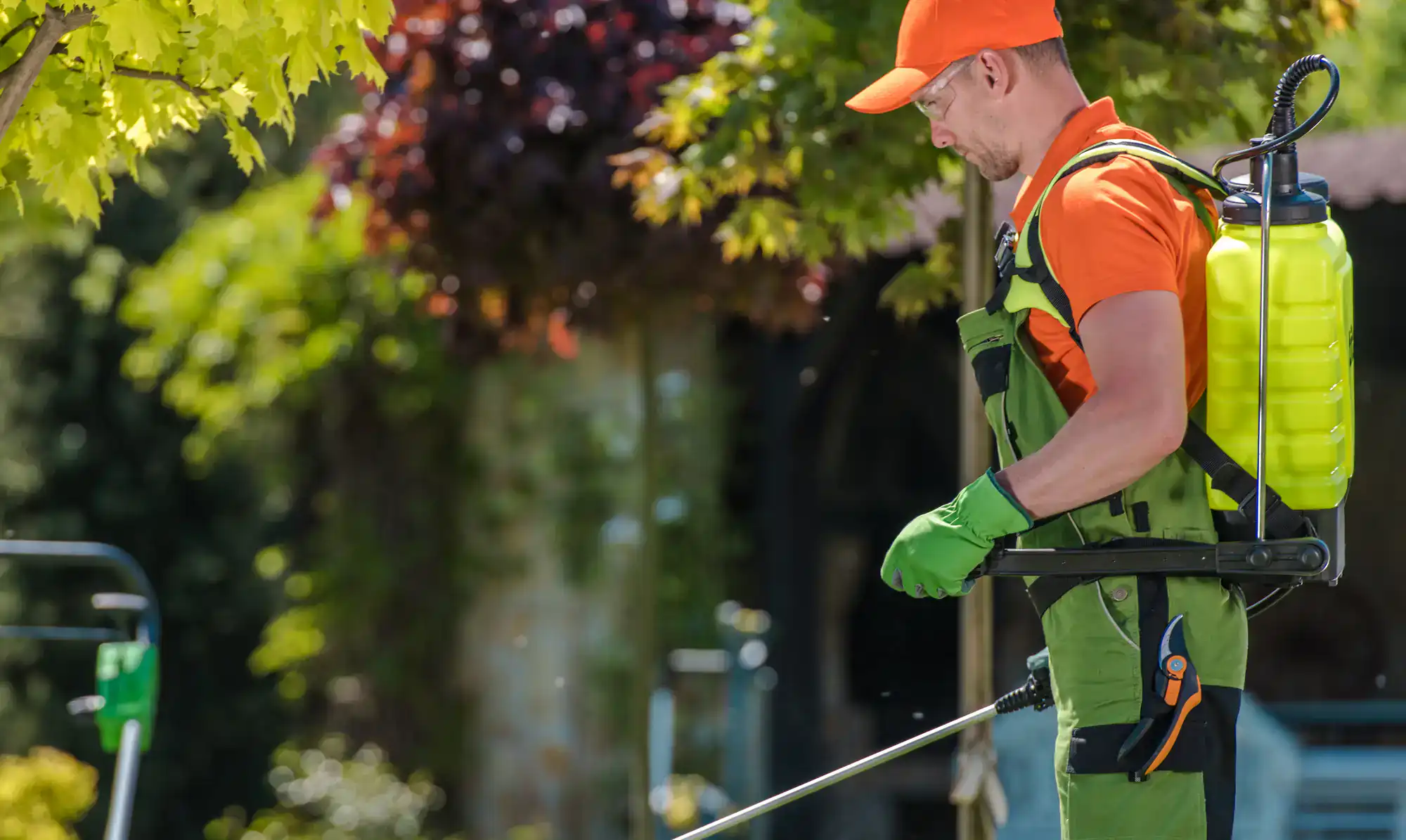
In New York State, anyone applying pesticides commercially including herbicides and grub control products is required by law to complete a 30-hour pesticide training course and pass the NYS exam to become a licensed applicator through the DEC. That’s not optional, and it’s not a formality. It covers product selection, application rates, safety protocols, and environmental compliance.
The practical difference for you as a homeowner is significant. A licensed professional knows what to apply, at what rate, and under what conditions which directly affects both the results you see and the safety of your family and property. An unlicensed crew applying pesticides is doing so illegally, and if something goes wrong on your property, you’re exposed. In a community like Gordon Heights where families are raising children and neighbors are paying attention to what happens on their block, that distinction matters. Every Lawn Master technician holds a valid NYS DEC pesticide applicator license.
For the cool-season grasses that dominate Long Island lawns tall fescue, Kentucky bluegrass, perennial ryegrass the two most productive windows are spring and fall. In spring, soil temperatures on Long Island typically reach 55°F around mid-April, which is when these grasses come out of their dormant phase and start actively growing. That’s your first real opportunity to feed them effectively.
Fall is actually the more important window of the two. September through early November, the grass is storing energy in its root system for winter, and a well-timed fall fertilization directly impacts how strong the lawn comes back the following spring. Summer fertilization, on the other hand, is something to be careful with pushing heavy nutrients on heat-stressed grass in July and August invites disease and does more harm than good. One hard rule to know: Suffolk County prohibits any fertilizer application between November 1st and April 1st. Violations carry fines up to $1,000, and a legitimate lawn care company will never ask you to bend that rule.
The most obvious sign is irregular patches of turf that feel spongy underfoot or pull up easily almost like the grass has no roots holding it down, because it doesn’t. Japanese beetle grubs feed on grass roots just below the soil surface, and by the time the damage is visible above ground, the population underneath is already well established. You may also notice increased activity from birds, skunks, or raccoons digging into your lawn they’re after the grubs.
Japanese beetle grubs are a well-documented problem throughout Suffolk County, and Gordon Heights properties with established turf, mature organic matter in the soil, and the kind of wooded character that creates ideal egg-laying conditions for adult beetles in summer see their share of grub activity. The treatment window matters. Preventive grub control applied in late spring to early summer targets the young larvae before they do serious damage. Curative treatments applied later in the season can still work but are less effective and often require stronger products. If you’ve had spongy patches or unexplained turf loss, a grub assessment should be part of your next lawn evaluation.
For basic mowing and cleanup, DIY is perfectly reasonable. But when it comes to fertilization, weed control, and pest management, the gap between professional results and consumer results is real and it mostly comes down to product access, application equipment, and timing knowledge.
Consumer fertilizers sold at big-box retailers are formulated for broad regional use. They’re not calibrated for Suffolk County’s specific sandy subsoil, which leaches nutrients faster than the product assumes. Over-application is also a common DIY mistake, and in Suffolk County where the entire island’s drinking water comes from a sole-source aquifer underground over-applying fertilizer has consequences beyond just burning your lawn. Licensed professionals are trained on application rates and environmental compliance in a way that a bag label simply can’t replicate. The results tend to be more consistent, the problems get caught earlier, and the program adjusts season to season based on what your lawn actually shows not what the calendar says to do.
We’ve been servicing Gordon Heights and the surrounding central Brookhaven area since 1987 over 37 years of continuous operation in this market. That kind of tenure in one region builds a specific kind of knowledge that’s hard to replicate: the soil conditions throughout Gordon Heights and the Longwood corridor, the seasonal patterns, the pest pressures that show up year after year, and the turf challenges specific to the wooded, larger-lot character of properties in this area.
It also means accountability. A company that has been operating in the same community for nearly four decades has a reputation to protect not just a contract to fulfill. When a Lawn Master truck pulls up to your property, it’s one of five fully wrapped, professionally branded vehicles that are visible to your neighbors throughout Gordon Heights. That visibility is intentional. It’s the kind of accountability that comes with being a real local business, not a franchise location that could be gone next season.
Useful Links
Other Services we provide in Gordon Heights