

Hear from Our Customers
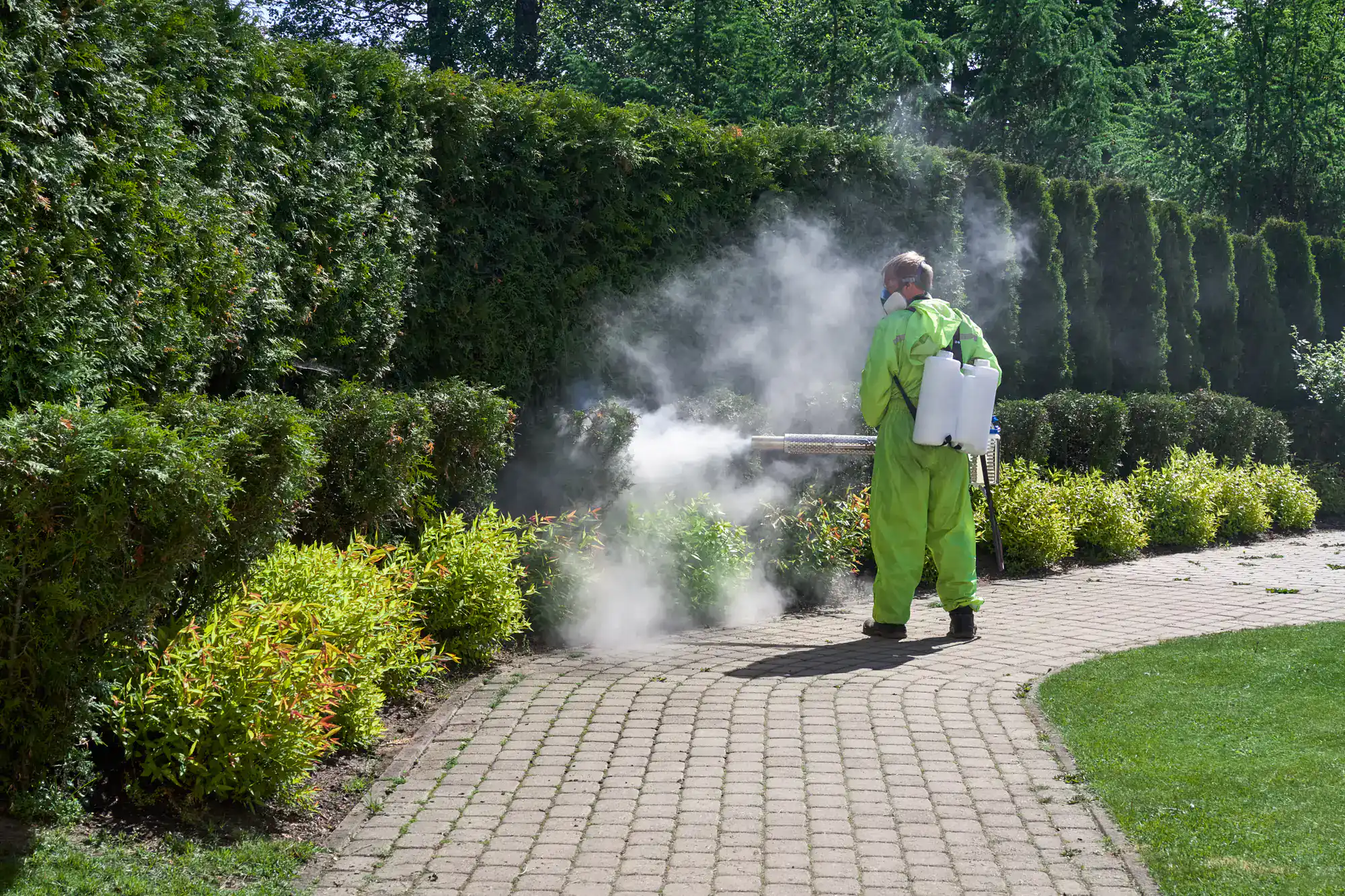
Finding a tick on your kid after they’ve been playing in the backyard is not a small thing. In East Setauket, where the Laurel Ridge–Setauket Woods Nature Preserve trails run directly alongside residential neighborhoods and deer herds are a documented, visible presence in residential yards, that moment happens more often than it should. The good news is that it is preventable with the right program, applied at the right times, by someone who actually knows what they’re doing.
A properly executed seasonal treatment program does not just knock down the ticks you can see. It targets the harborage zones where populations build: the leaf litter along your fence line, the shaded border where your lawn meets the tree line, the dense ornamental beds around your deck. For properties near Strong’s Neck, Conscience Bay, or anywhere along the wooded corridors that connect to the Setauket Greenway Trail, that transition zone between maintained lawn and natural cover is where most of the pressure originates. Treating it correctly changes everything.
When the program is running the way it should, your yard feels different. Kids play outside without a tick check becoming part of the routine. Your dog comes in from the back and you’re not reaching for the flea comb every time. That is the outcome not a number on a label, but a yard you can actually use.
We’ve been serving Suffolk County since 1987. That means the team treating your East Setauket property has been working on North Shore lawns through every tick season Long Island has thrown at them for nearly four decades. We’re based out of Port Jefferson Station, a few minutes east on Route 25A, which means this is genuinely local work not a franchise dispatching crews from across the county.
Every job is handled by a NYSDEC-licensed pesticide professional not a general laborer handed a spray tank. New York State requires certification, examination, and active licensing for commercial pesticide application, and we hold that standard on every visit. That matters in a community like East Setauket, where homeowners ask the right questions and expect real answers.
Flea and tick control is also not treated as a standalone service here. It’s part of a broader approach to lawn health that includes custom-blended fertilizer, hydraulic aeration, and full lawn restoration when needed. One company, one standard, one property managed the right way.
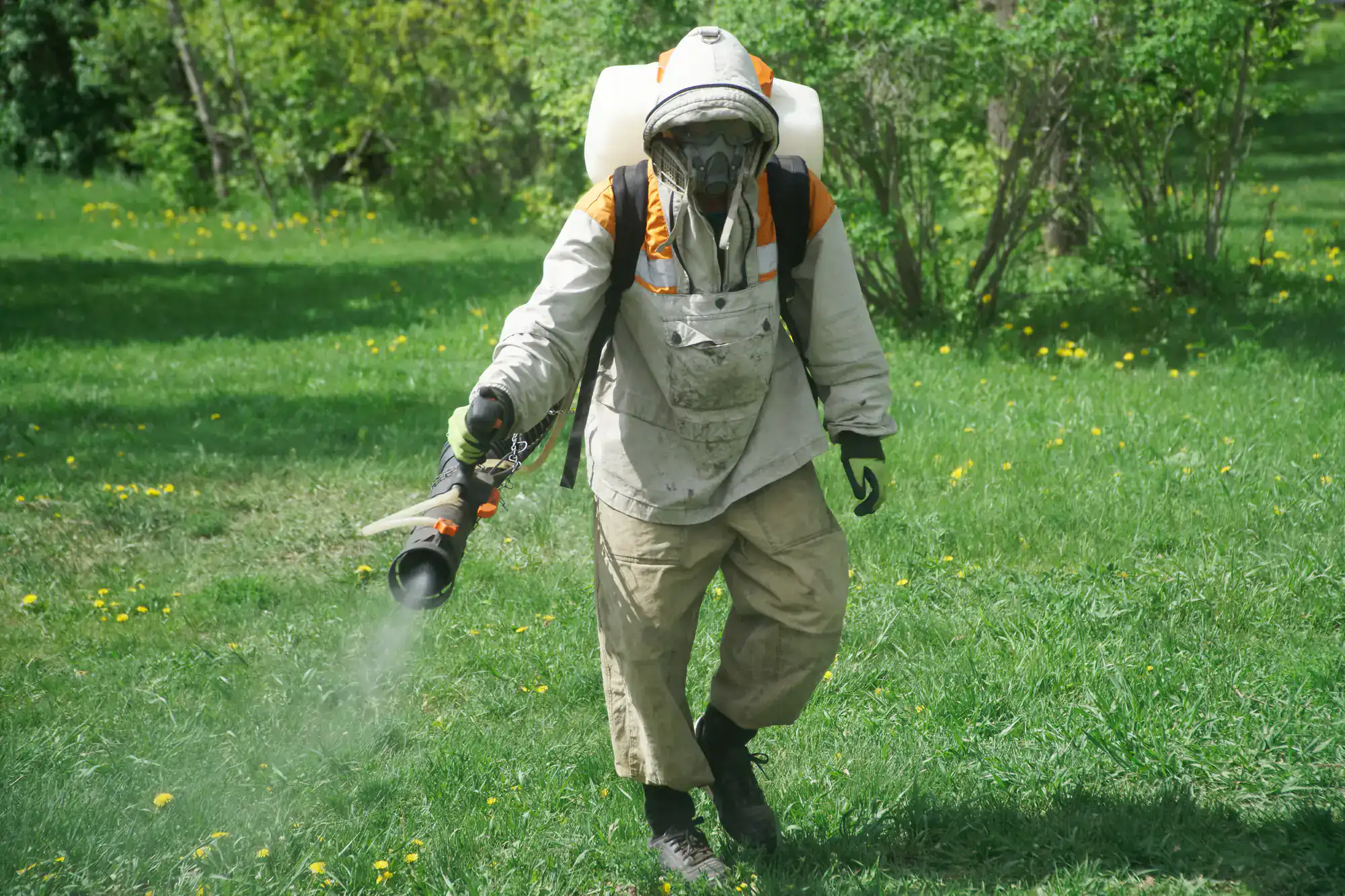
It starts with understanding your specific property. A wooded lot near the Laurel Ridge–Setauket Woods Nature Preserve on Belle Mead Road needs a different approach than an open subdivision lot two streets over. Before any product is applied, the conditions that drive tick pressure on your property wooded borders, shaded beds, leaf accumulation zones, deer entry points are factored into the treatment plan.
From there, the program follows Long Island’s actual tick calendar, not a generic national schedule. On the North Shore, tick activity begins earlier in spring and runs later into fall than in drier inland communities. The coastal humidity around Conscience Bay and the tidal influence of Setauket Harbor extend the active season at both ends. The first application goes down in early April, ahead of the nymphal tick surge that peaks in May and June the stage most responsible for Lyme disease transmission and the hardest to detect at poppy-seed size. Maintenance applications follow every three to four weeks through summer, and a critical fall round covers the October–November adult tick surge that most homeowners do not account for.
Each application targets the zones where ticks actually live: the perimeter transition areas, ornamental beds, under-deck borders, and wooded edges. Not a broadcast spray across open turf. Targeted, licensed, professional application and a seasonal reminder so you never have to track the schedule yourself.

Ready to get started?
East Setauket is not a typical suburban lawn situation. The combination of mature wooded lots, proximity to nature preserves, documented deer pressure, and the coastal humidity of the North Shore creates a tick environment that a standard three-spray package does not adequately address. Our programs are built around what your specific property actually faces not a template pulled from a national playbook.
For properties in East Setauket, that typically means a minimum of four to six seasonal applications timed to Long Island’s tick population cycles, with targeted treatment of the wooded transition zones that generic programs skip. Homes near the Setauket Greenway Trail corridor, along the wooded roads connecting to Strong’s Neck, or adjacent to any of the green space running through the Three Village area receive particular attention to perimeter and border zones, where tick populations are consistently densest.
All applications are performed by NYSDEC-certified applicators, which is a legal requirement in New York State and a standard that we hold without exception. Products are applied to harborage areas not broadcast across your entire lawn and re-entry is typically safe within 30 to 60 minutes of drying. If your property also needs flea treatment for the yard, that is addressed within the same program, since flea populations peak through the same warm, humid summer months that drive tick pressure on Long Island’s North Shore.
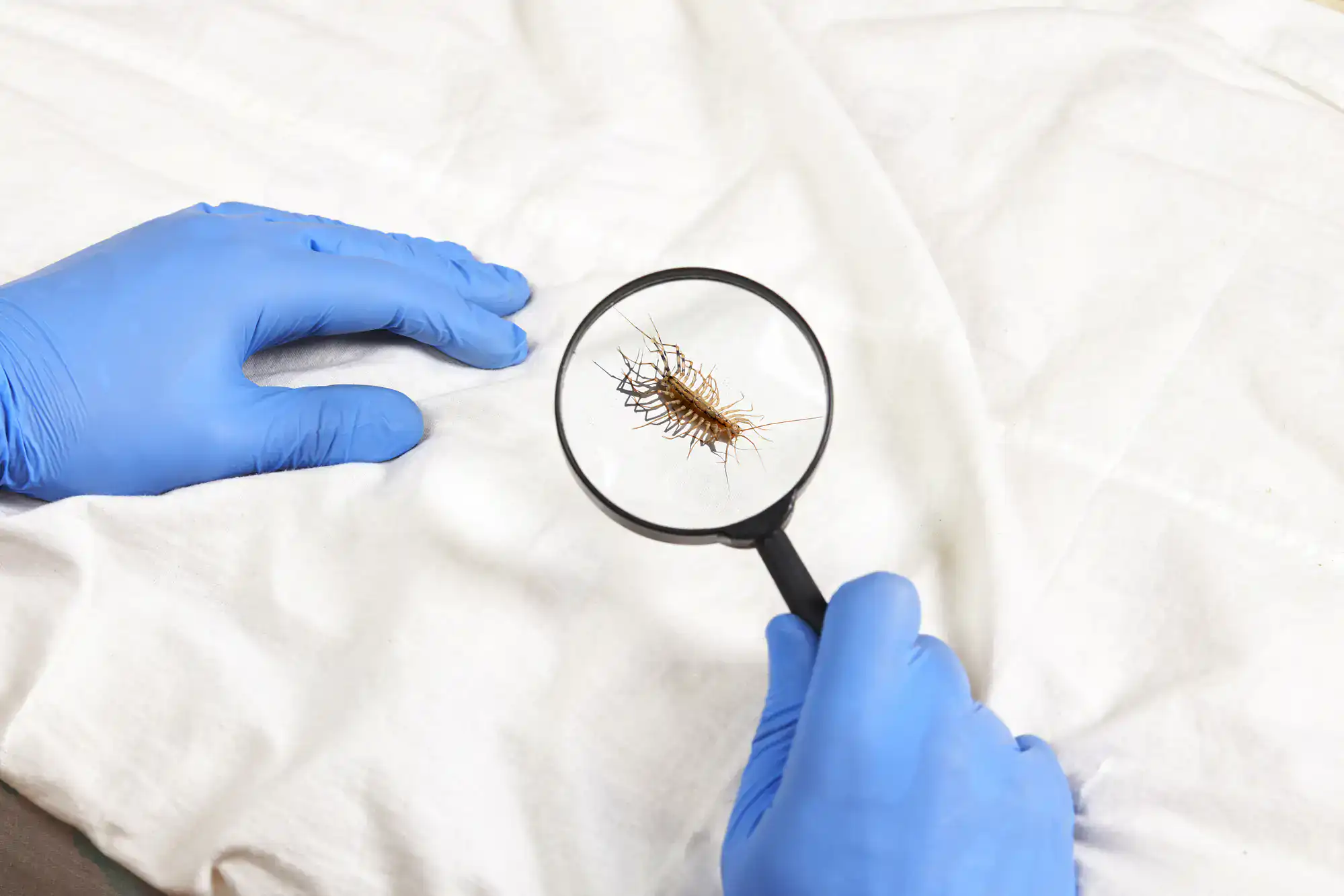
East Setauket sits in one of the highest-risk tick zones in all of Suffolk County. The Suffolk County Department of Health Services has specifically identified the North Shore as an area where tick infection rates are among the highest in the county, and a Columbia University study found that over 56% of ticks on Long Island carry Lyme disease. In East Setauket specifically, the combination of the Laurel Ridge–Setauket Woods Nature Preserve, the wooded corridors connecting to Conscience Bay and Strong’s Neck, and a documented deer overpopulation problem in residential yards creates conditions that are measurably worse than most inland Suffolk County communities.
Beyond Lyme, Suffolk County ticks carry babesiosis found in roughly 17% of nymphal ticks in the county and anaplasmosis. Three species are active here: deer ticks, American dog ticks, and lone star ticks. If your property has any wooded border, backs up to a trail, or sits near any of the green space running through the Three Village area, you are dealing with sustained, year-round tick introduction pressure. Professional seasonal treatment is not a luxury in this environment it is a rational response to a documented local health risk.
The short answer is earlier than most people think. On Long Island’s North Shore, the coastal humidity and mature woodland canopy mean the ground stays warmer and moister longer than in drier, inland communities. Ticks become active when temperatures consistently exceed 35 to 40 degrees Fahrenheit which on the North Shore can happen as early as late February or early March during mild winters.
The most critical window is before the nymphal tick surge in May and June. Nymphal deer ticks are roughly the size of a poppy seed, nearly impossible to spot on skin or clothing, and responsible for the majority of Lyme disease transmissions. Getting a first application down in early April before that surge peaks makes a significant difference in seasonal population levels. From there, maintenance applications every three to four weeks carry you through summer, and a fall round in October or November addresses the adult tick surge that most homeowners miss entirely. Skipping the fall treatment leaves the highest-activity adult population largely untreated going into the overwintering period.
This is one of the most common questions from East Setauket families, and it is a fair one. The Three Village community is family-oriented and well-informed parents here ask detailed questions and expect real answers, not reassurances pulled from a label.
The products we use are applied by NYSDEC-licensed pesticide professionals who are trained in targeted, harborage-zone application meaning product goes where ticks actually live, not broadcast across your entire lawn or garden. Re-entry for people and pets is typically safe within 30 to 60 minutes of drying, though your technician will confirm the specific timing for your treatment. The risk calculation is also worth keeping in perspective: the documented Lyme disease and babesiosis risk in East Setauket’s North Shore environment is real and well-established. Professional, correctly applied pest control handled by a licensed applicator who knows the product, the rate, and the placement carries a fraction of that risk. The goal is to make your yard usable, not to introduce a new problem.
They overlap more than most people realize, which is why a good program addresses both within the same seasonal schedule. Ticks and fleas share many of the same harborage zones shaded areas, leaf litter, dense ground cover, and the edges where maintained lawn meets natural vegetation. On Long Island’s North Shore, both populations are driven by the same warm, humid conditions that peak through late spring and summer.
The main difference is in the host and life cycle. Ticks are primarily introduced to your yard by deer and small mammals moving through wooded corridors a constant pressure in East Setauket given the documented deer activity in residential areas. Fleas are more commonly introduced by pets and wildlife, and their populations build rapidly in warm, humid conditions, peaking through July and August. A seasonal program that starts in April, runs maintenance applications through summer, and closes with a fall treatment covers the active windows for both. There is no need for a separate flea-only program and a separate tick program the treatment zones and timing align closely enough to be handled together efficiently.
You can and plenty of East Setauket homeowners have tried. The issue is not effort, it is coverage and timing. Consumer-grade products available at hardware stores are typically less concentrated than professional-grade formulations, degrade faster under sun and moisture, and come with no guidance on where to apply them for maximum effect. Broadcasting a spray across open lawn does very little. Ticks do not live in the middle of your grass they live in the shaded border zones, the leaf litter, the ornamental beds, and the first 20 to 30 yards of wooded transition where your property meets natural cover.
For properties near the Laurel Ridge–Setauket Woods Nature Preserve or along any of the wooded corridors connecting to Conscience Bay and Strong’s Neck, that transition zone is where the pressure is highest and where DIY application most consistently falls short. There is also the regulatory side: New York State requires NYSDEC certification for commercial pesticide application, but homeowners applying to their own property are not subject to that requirement. That said, an unlicensed applicator whether a homeowner or an unlicensed contractor is not trained in product selection, application rate, or the specific harborage patterns that make the difference between a program that works and one that does not.
For most East Setauket properties, a realistic and effective program runs four to six applications across the season. A single spring spray is not a program it provides four to six weeks of protection and leaves the rest of the season unaddressed. Given that Long Island’s tick season runs from early spring through late fall, with two distinct population surges nymphal ticks in May and June, adult ticks in October and November a program that only covers one of those windows is leaving real exposure on the table.
Properties with wooded borders, proximity to nature preserves or trail corridors, or documented deer activity in the yard typically need applications at the higher end of that range. The North Shore’s coastal humidity also means the active season here runs longer than in drier inland communities, which affects how many maintenance applications are needed to keep protection consistent through summer. The goal of a well-structured program is not to apply as much product as possible it is to maintain continuous coverage through every active window in the Long Island tick calendar, so there is no gap where populations rebuild between visits.
Useful Links
Other Services we provide in East Setauket