
Hear from Our Customers
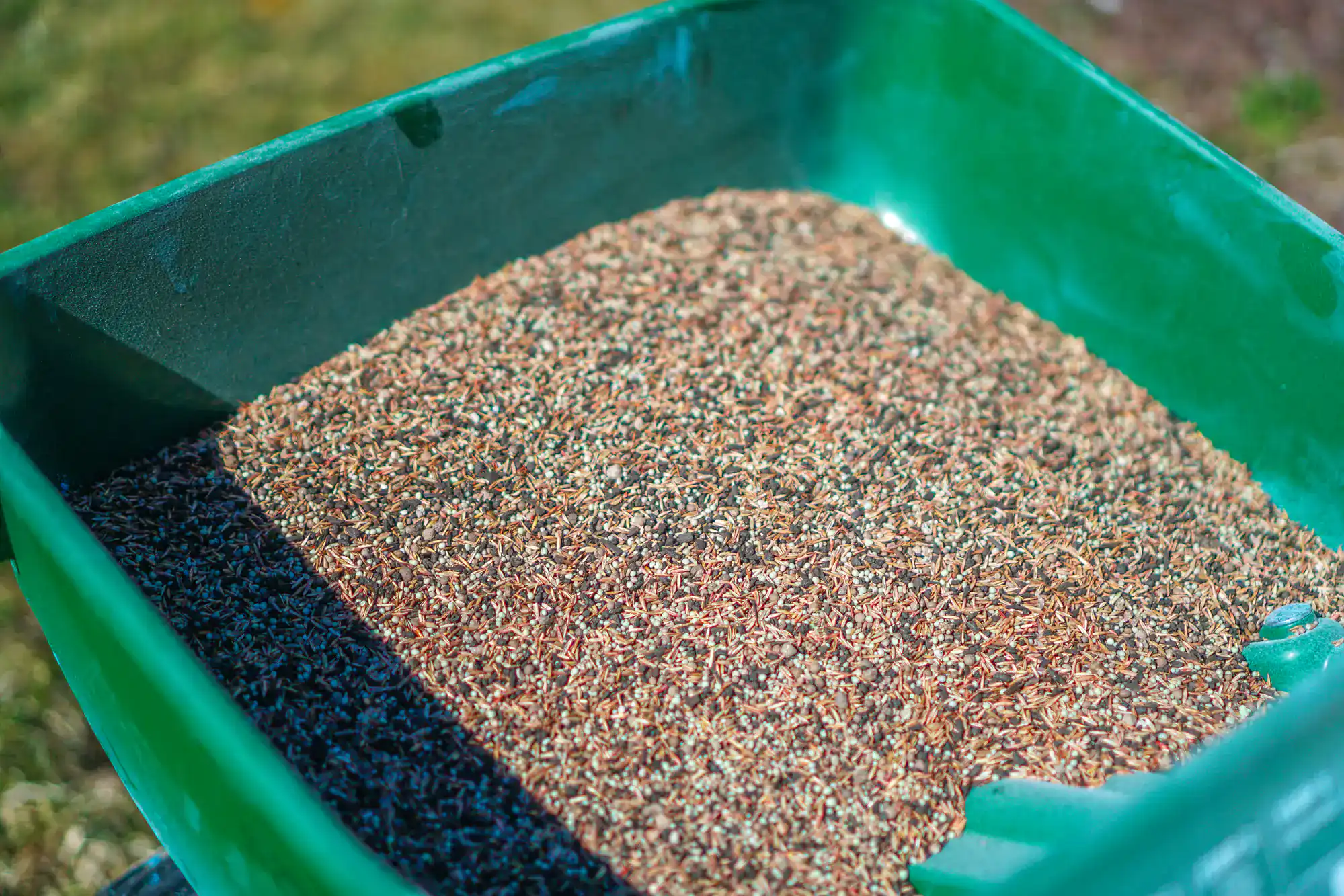
Living near the Long Island Sound is a selling point for your home but it’s hard on your grass. Salt-laden wind pulls moisture from turf, sandy soils drain nutrients before roots can absorb them, and the shade from mature trees that line East Shoreham’s streets creates thin, struggling patches that no generic fertilizer schedule will fix. When the program is actually matched to your conditions, you stop chasing the same problems every season.
The difference shows up in ways you’ll notice. Thicker turf going into summer. Fewer bare patches after a dry stretch. Grass that greens up in spring instead of limping into May. For a home in East Shoreham where property values average over $540,000 and curb appeal is part of what you’ve invested in a lawn that looks the part isn’t vanity. It’s maintenance.
What we’ve learned from decades of work in East Shoreham is that this isn’t a one-size-fits-all market. A wooded lot off a quiet side street near Brookhaven State Park has completely different needs than an open property closer to the bluffs. A custom-tailored program accounts for that. A standard package doesn’t.
We’ve been servicing Suffolk County since 1987, which means nearly four decades of working through every drought, every wet spring, every pest cycle, and every regulatory change the state and county have thrown at the lawn care industry. The North Shore isn’t new territory for us the sandy soils, the coastal exposure, the shaded lots throughout East Shoreham we’ve seen all of it, and we know exactly what works here.
Every job is handled by a licensed pesticide professional. Not a seasonal hire, not a rotating technician someone with the credentials and the training to make real decisions about what your specific lawn needs. Under New York State law, applying pesticides for hire without proper NYSDEC certification is illegal. Our team is fully licensed, fully compliant with Suffolk County’s fertilizer regulations, and equipped with a custom-blended fertilizer formulated specifically for Long Island’s soil chemistry something no national chain and no other local competitor in the 11786 area can offer.
Five fully wrapped trucks, hydraulic aerators and seeders, and owner-level expertise on every visit. That’s the operation behind the results.

It starts with an honest assessment of your lawn not a clipboard walkthrough, but a real look at what’s going on. Sun exposure, soil drainage, turf density, existing weed pressure, shade patterns from surrounding trees. East Shoreham’s wooded, hilly terrain means two properties on the same street can have dramatically different needs, and the program is built around what your lawn actually shows, not a default template.
From there, applications are timed around what the science and the season call for. In Suffolk County, the most critical fertilization window for cool-season grasses is early September that’s when slow-release nutrients build the root mass that determines how your lawn performs through summer. Spring applications open when soil temperatures consistently clear 55°F, with pre-emergent crabgrass control timed precisely for North Shore conditions where crabgrass pressure along driveways and open patches is well-documented. Suffolk County law also prohibits fertilization between November 1st and April 1st a $1,000 fine for violations and every application we schedule is in full compliance with that window.
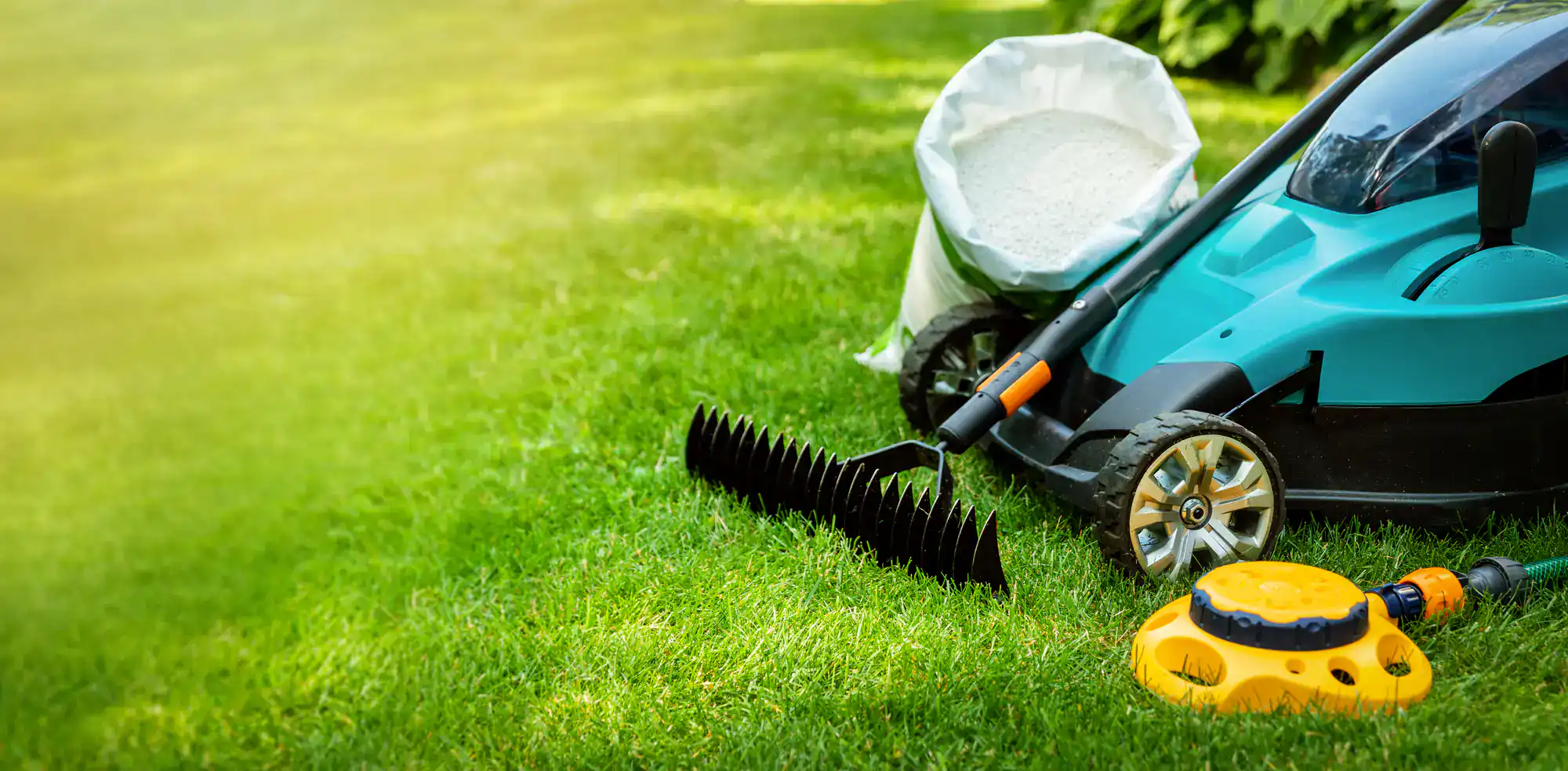
If aeration or overseeding is part of the plan, we handle it with hydraulic equipment. Deeper plugs, better seed-to-soil contact, more effective decompaction especially relevant for East Shoreham’s shaded lots where compaction and turf thinning go hand in hand. You’ll know what was done, when, and what to expect next.
Ready to get started?
The foundation of every program we offer is a custom-blended fertilizer developed specifically for Long Island’s soil chemistry not sourced from a commercial distributor, not the same bag every other operator uses. It’s formulated for the sandy, fast-draining conditions that characterize East Shoreham and the North Shore, which means accounting for nutrients that leach quickly and coastal salt exposure that stresses turf in ways that inland communities simply don’t experience. That distinction matters more here than most places.
Beyond fertilization, the program can include targeted weed control for the specific pressures common to East Shoreham crabgrass along driveways and sunny edges, broadleaf weeds exploiting thin spots, and nutsedge thriving in the low, moisture-retaining areas that the terrain creates. We also offer specialized control for nutgrass and bentgrass, two of the most stubborn invasive grass weeds on Long Island, which most generalist operators aren’t equipped to address. If the lawn needs more than maintenance grub damage, construction aftermath, years of neglect we provide complete lawn restoration and new lawn installation from seed.
Every program is built around Suffolk County’s legal framework: no phosphorus applications without a soil test confirming the need, full compliance with the county’s fertilizer blackout period, and proper Neighbor Notification procedures for applicable pesticide applications. For a community that draws its drinking water from a sole-source aquifer and borders the Long Island Sound, that compliance isn’t a formality it’s the right way to operate.
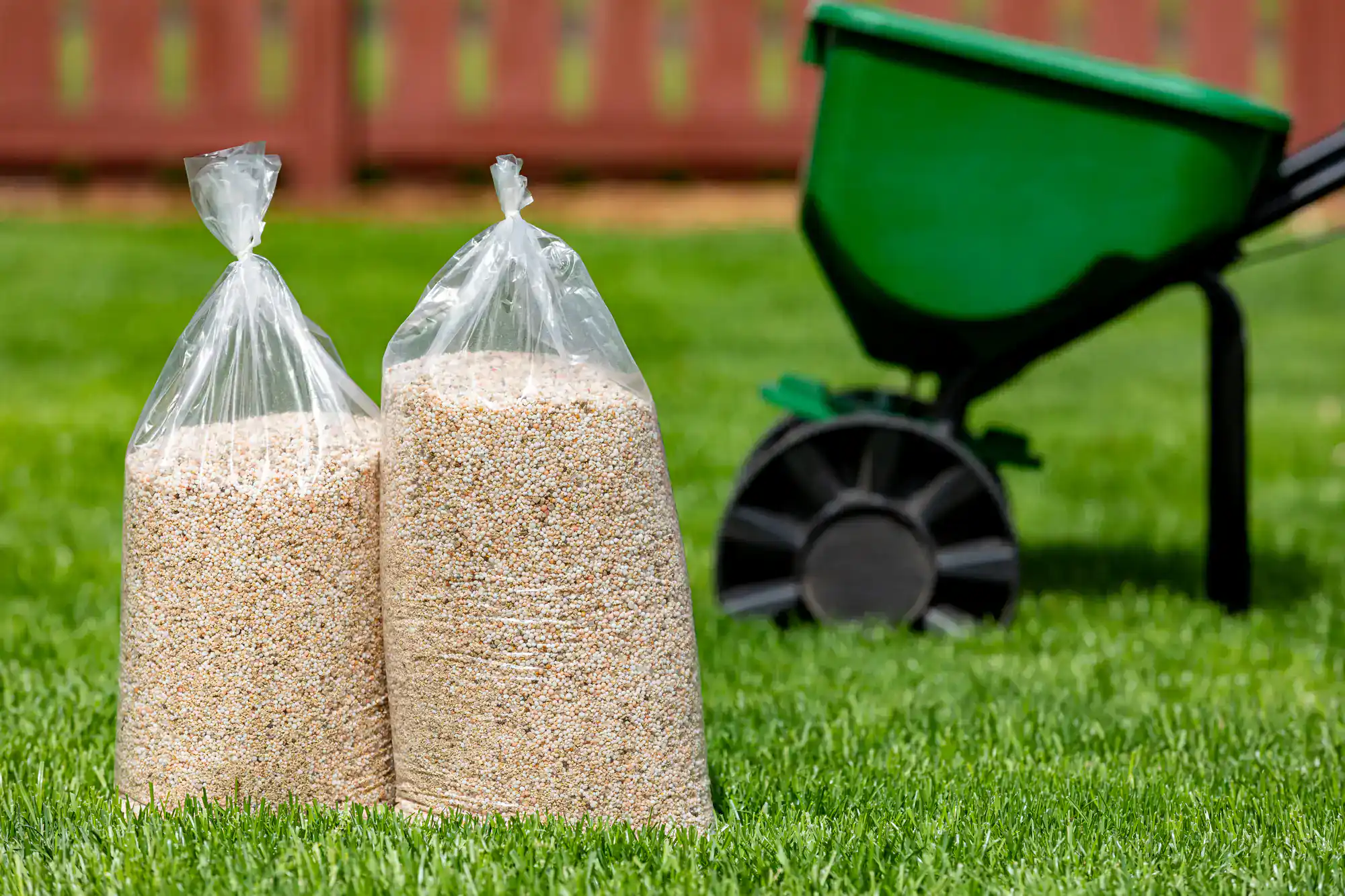
The short answer is that East Shoreham’s soil conditions work against generic fertilizer products. The North Shore’s sandy, fast-draining soils release nutrients quickly often before grass roots can absorb them. You apply a bag from the hardware store, it rains two days later, and a significant portion of what you paid for has already leached past the root zone. That’s not a user error. That’s a mismatch between the product and the conditions it’s being used in.
On top of that, coastal salt exposure from the Long Island Sound adds another layer of stress that most off-the-shelf products don’t account for. Salt draws moisture from grass blades and degrades soil structure over time, which compounds the drainage problem. A professionally applied, slow-release fertilizer formulated for Long Island’s specific soil chemistry stays available to roots longer, works with the drainage pattern rather than against it, and produces the kind of consistent results that a bag from a big-box store simply can’t replicate in East Shoreham.
For cool-season grasses which is what most East Shoreham lawns are running on early September is the single most important fertilization window of the year. That’s when roots are actively growing, temperatures are dropping, and the grass is primed to absorb and store nutrients before going dormant. A solid fall application builds the root mass that determines how quickly your lawn greens up in spring and how well it holds up through summer stress.
Spring fertilization opens once soil temperatures consistently reach 55°F, typically mid-April on Long Island. That timing also lines up with pre-emergent crabgrass control, which needs to go down before soil temps push past 55°F for crabgrass germination to begin. Summer applications need to be handled carefully too much nitrogen during peak heat increases disease risk, especially given the coastal humidity that East Shoreham sees during July and August. And under Suffolk County law, no fertilization is permitted between November 1st and April 1st. A $1,000 fine applies to violations, so that window is non-negotiable.
If you’re seeing thin, struggling turf that doesn’t respond to fertilization the way it should, compaction is often the underlying issue and fertilizer alone won’t fix it. Water and nutrients can’t reach the root zone efficiently when the soil is compacted, so you end up feeding a lawn that can’t actually absorb what you’re putting down. Aeration creates channels that change that equation.
In East Shoreham, compaction is especially common on shaded lots where foot traffic, tree root pressure, and reduced air circulation combine over time. The optimal window for core aeration and overseeding on Long Island is mid-August through late September the fall recovery period when cool-season grasses are actively growing and can establish new roots before winter. We use hydraulic aerators that pull deeper, cleaner plugs than the small tow-behind units you’ll see on lower-end equipment, which means better decompaction and better seed-to-soil contact if overseeding is part of the plan. If your lawn has been thin for more than one season and fertilization hasn’t moved the needle, aeration is almost always worth the conversation.
DIY fertilization is possible, but it comes with more variables than most homeowners expect. Timing, application rate, product selection, and the legal restrictions that apply in Suffolk County all need to be managed correctly to get consistent results and mistakes are easy to make. Applying too much nitrogen during summer, missing the pre-emergent window, or using a phosphorus-containing fertilizer without a soil test to back it up can all work against you, and some of those missteps carry real consequences for your lawn’s health.
There’s also the licensing question. In New York State, applying pesticides for hire requires NYSDEC certification but that doesn’t stop unlicensed operators from advertising services and cutting corners. When you hire a licensed professional, you’re getting someone who’s legally accountable for what they apply, how they apply it, and when. For East Shoreham homeowners who care about what goes into the soil above Suffolk County’s sole-source aquifer and adjacent to the Long Island Sound that accountability matters beyond just the lawn results.
The most practical difference is who actually shows up and what they know about your property. National chains like TruGreen run high-volume operations with rotating technicians different people on different visits, no continuity, and treatment programs that are standardized across large geographic areas rather than calibrated to your specific lawn. The complaint pattern is consistent: missed applications, generic treatments that produce no visible improvement, and difficulty reaching anyone who can actually make a decision.
We operate differently. Licensed professionals not seasonal labor handle every job. Our fertilizer is a custom blend developed specifically for Long Island’s soil chemistry, not a warehouse product applied everywhere from New York to Florida. Programs are built around the specific conditions of your property, which in East Shoreham means accounting for sandy drainage, coastal salt exposure, and shade patterns that vary significantly from one street to the next. And we’ve been doing this work in Suffolk County since 1987 that’s institutional knowledge about North Shore lawn conditions that no call center in another state can replicate.
Yes East Shoreham and the surrounding Shoreham area, including the 11786 ZIP code, fall within our established Suffolk County service area. We’re familiar with the North Shore communities along this corridor, from the wooded residential streets of East Shoreham to the properties closer to the Long Island Sound bluffs where salt exposure is a more direct factor in lawn health.
One thing worth noting: East Shoreham and the Village of Shoreham share the same ZIP code and post office, and residents often use both names interchangeably. Whether your address reads East Shoreham or Shoreham, the service area and our approach are the same. If you’re in the Shoreham-Wading River school district footprint or anywhere along the Route 25A corridor in this part of Suffolk County, we service your area and have been doing so for decades. Reaching out for an assessment is the straightforward first step no obligation, just a real look at what your lawn needs.
Useful Links
Other Services we provide in East Shoreham