
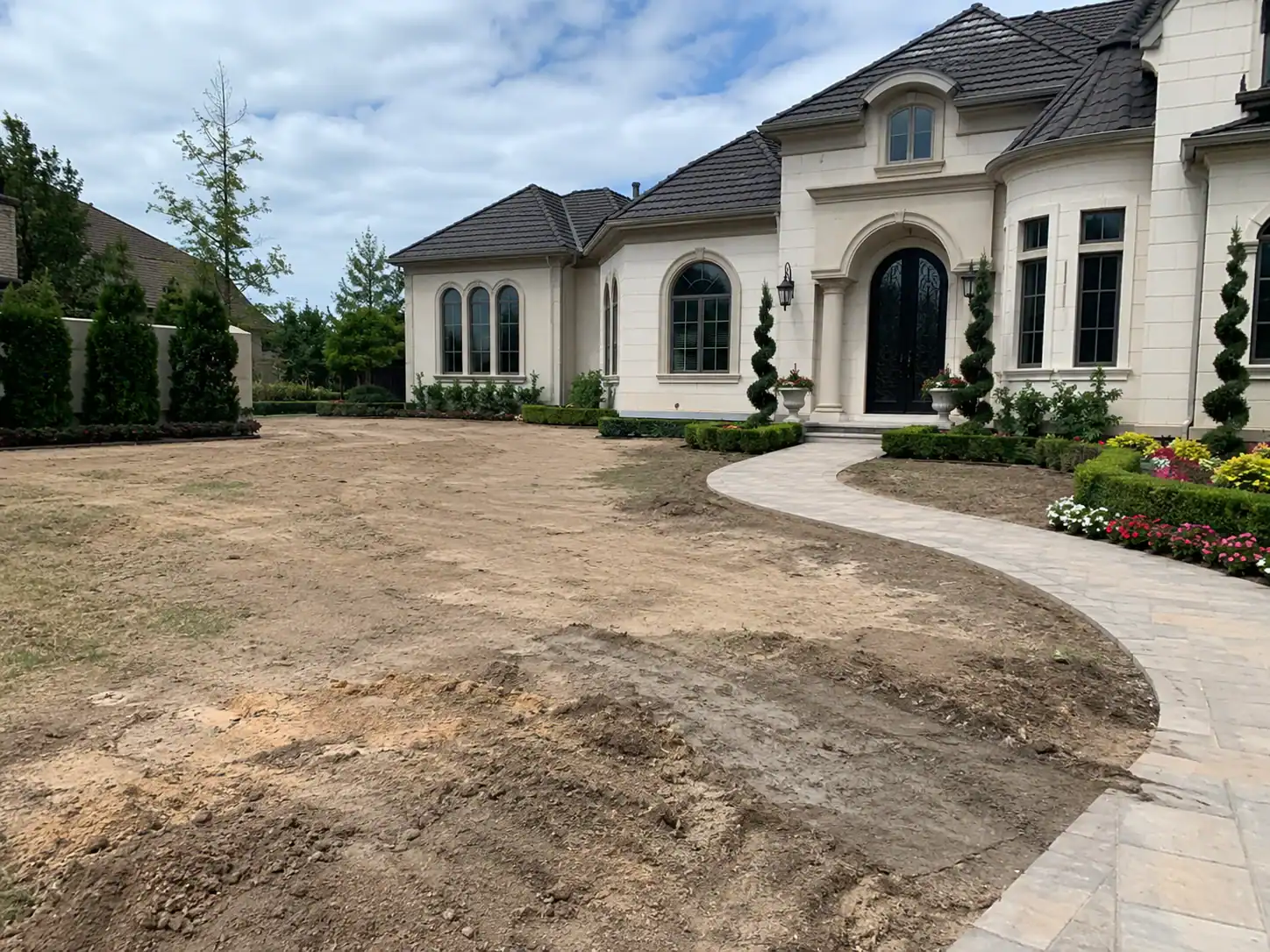
Hear from Our Customers
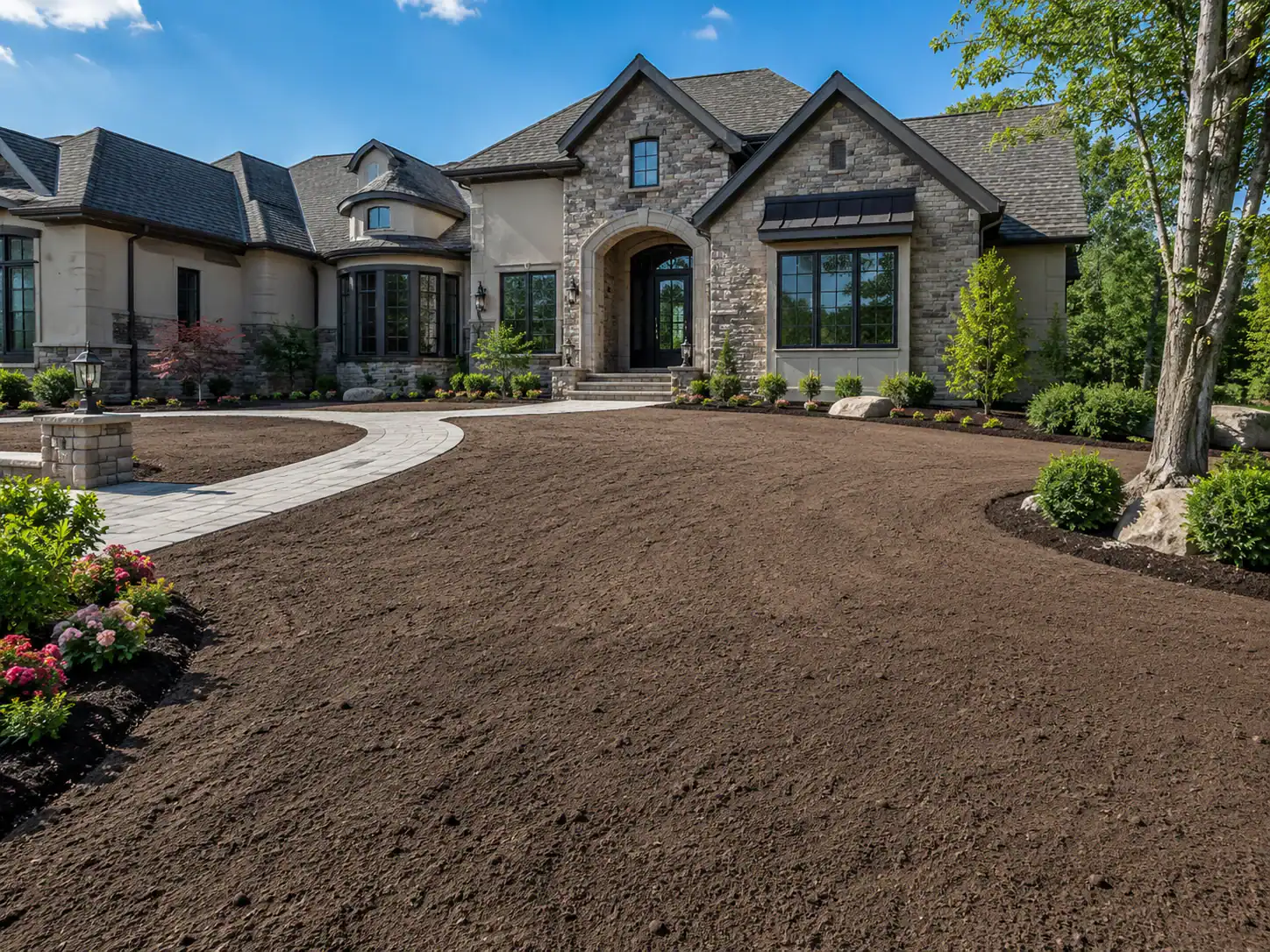
When a lawn restoration is done right, the results aren’t subtle. Bare patches fill in. Color holds through summer heat instead of fading to tan by August. Thin, struggling turf gets replaced by dense, rooted grass that doesn’t disappear after the first dry stretch.
What makes Shoreham different from most of Suffolk County is the combination of conditions your lawn is fighting at once. The sandy, fast-draining soils common to this part of Brookhaven Town don’t hold nutrients well so even when fertilizer gets applied, it leaches through before the roots can use it. Layer on top of that the salt spray coming off Long Island Sound, and you’ve got a lawn that’s chronically stressed from two directions at the same time.
We correct those underlying soil conditions not just throw seed at the surface which is what makes a restoration last. Once the soil can actually hold moisture and nutrients, and once the right grass varieties are established for this coastal microclimate, your lawn stops being a seasonal disappointment and starts looking like the property you invested in. In a village where homes regularly sell above $650,000 and neighbors notice everything, that difference is worth something real.
We’ve been a NYS-licensed lawn care company serving Suffolk County since 1986. That’s not a number we throw out for show it means we’ve worked through every weather pattern, soil condition, and pest cycle this region produces, including the specific challenges that come with North Shore coastal properties like the ones along Route 25A in Shoreham.
We know the sandy loam soils in this part of Brookhaven. We know what grub damage looks like in late summer on a property near the Rocky Point Pine Barrens corridor. We know how salt spray off the Sound shows up differently than drought stress and why that distinction matters before a single treatment gets applied. That kind of accumulated, local knowledge doesn’t come from a franchise manual.
When you call us, you’re getting a licensed professional who has seen your exact problem before probably on a property within a few miles of yours in Shoreham or the surrounding area.
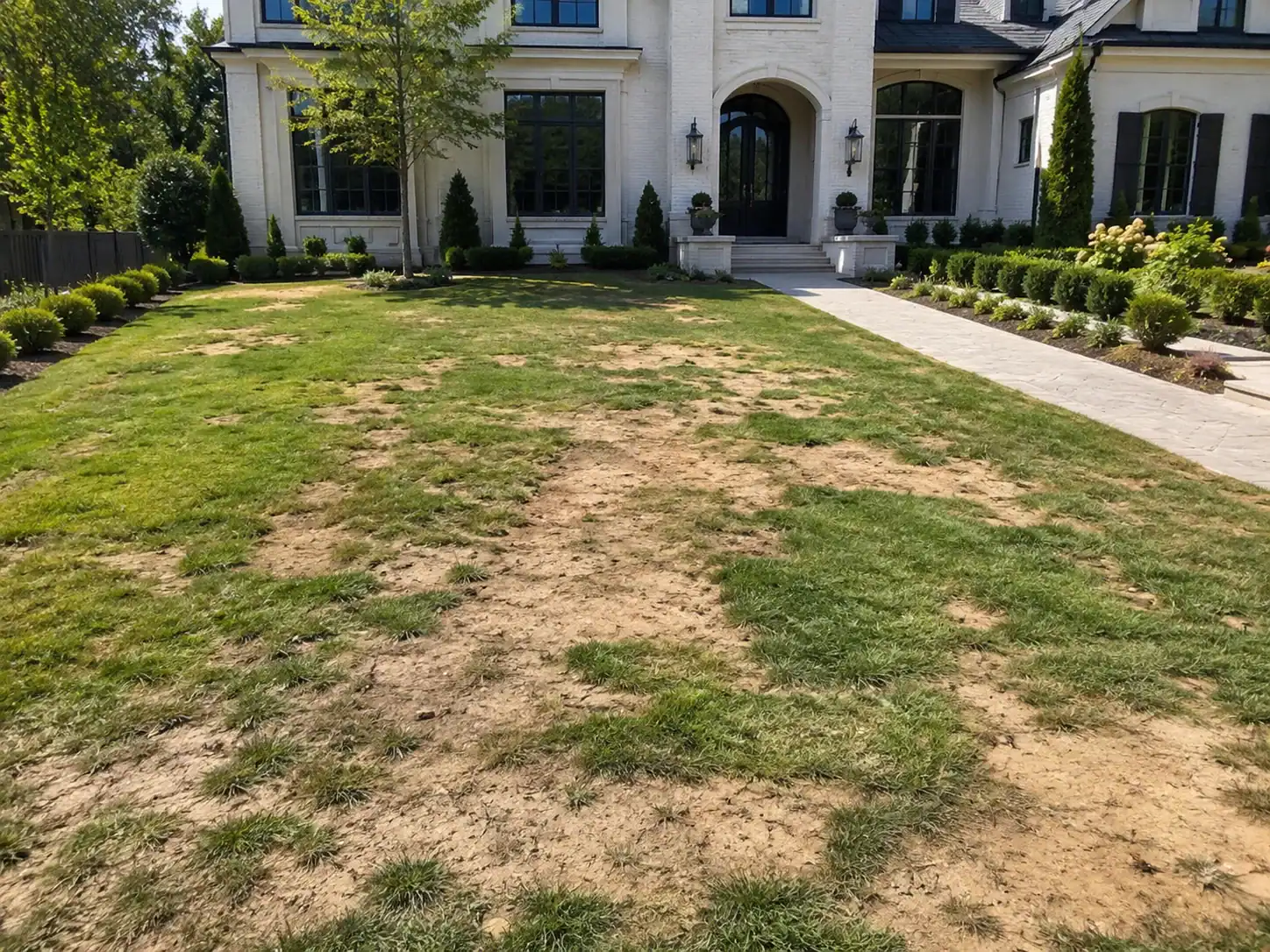
It starts with a proper assessment not a sales visit. One of our technicians walks your property, reads the damage patterns, and identifies what’s actually causing the problem. Is it compacted soil that’s starving roots of oxygen? Grub activity severing the root zone? Salt accumulation from years of Sound exposure? pH drift that’s locking out nutrients? The cause determines the fix, and we don’t skip that step.
From there, soil correction comes before anything else. For most Shoreham properties, that means addressing low organic matter, adjusting pH, and improving the soil’s ability to retain moisture in those fast-draining sandy conditions. Once the foundation is right, we move to slice seeding cutting narrow furrows directly into the soil and depositing seed at the right depth for reliable germination. Surface overseeding on sandy Long Island soils produces inconsistent results because seed-to-soil contact is poor. Slice seeding fixes that.
Timing matters here. The optimal window for lawn restoration near Shoreham runs from late August through mid-October, when soil temperatures are still warm enough for germination but the air has cooled down enough to reduce heat stress and weed competition. Suffolk County’s fertilizer application regulations also affect treatment scheduling, and as a fully licensed operator, we plan your program around those requirements from the start. By the time winter arrives, roots are established. By spring, you’ll see the difference.
Ready to get started?
These two services are not the same thing, and the distinction matters before you spend a dollar. Lawn restoration means bringing an existing lawn back to health correcting the soil, filling in damaged areas, and rehabilitating turf that still has a viable base to work from. If your lawn has 50% or more living grass, identifiable causes of damage, and reasonable soil structure underneath, restoration is almost certainly the right path. It’s less disruptive, less expensive, and when done correctly, produces a lawn that’s stronger than it was before the damage.
Lawn renovation is a different conversation. That’s a full teardown removing what’s there and rebuilding from scratch. Some lawns genuinely need it. But most don’t, and a lot of homeowners get pushed toward renovation when restoration would have done the job for less money and less disruption. We’ll tell you honestly which one applies to your property after we see it. If yours needs a full rebuild, we’ll say so and walk you through that process separately.
What’s included in a restoration depends on what your specific property needs there’s no one-size-fits-all package for Shoreham lawns. A property near Shoreham Beach dealing with salt damage and compaction needs a different approach than a shaded lot under a mature oak canopy off Route 25A. Your estimate reflects your lawn, your soil, and your conditions not a generic program designed for a different part of Suffolk County.
Restoration means rehabilitating a lawn that still has a workable foundation living grass, repairable soil, and identifiable causes of damage that can be corrected. Renovation means tearing out what’s there and starting over. The line between them is roughly 50% viable turf coverage. If your lawn is below that threshold or if the soil is so degraded that correction alone won’t produce lasting results renovation is the more honest answer.
For most Shoreham homeowners, restoration is the right call. The lawns we see in this area most often have damage from grub activity, salt exposure, or compacted sandy soils all of which are correctable without a full rebuild. The key is diagnosing the actual cause before recommending a path. If after our assessment we believe your lawn is beyond restoration, we’ll tell you that directly and explain what a renovation would involve. We don’t push the more expensive option unless it’s genuinely warranted.
In most cases, yes it can be saved. The lawns that are truly beyond restoration are the ones with less than 50% living grass remaining, severely degraded soil structure, or long-term drainage problems that can’t be corrected through amendment alone. That’s a smaller percentage of properties than most homeowners assume when they’re standing in front of a lawn that looks rough.
The damage patterns we see most often on North Shore properties near Shoreham irregular brown patches from grub activity, salt-burned areas near the Sound side of a property, thin turf under tree canopy, or widespread thinning from years of sandy-soil nutrient leaching are all restorable with the right approach. What determines the answer for your specific lawn is a proper on-site assessment, not a guess based on a photo or a description over the phone. That assessment is where the process starts.
If your restoration is timed correctly late August through mid-October, which is the optimal window for cool-season turf establishment in this part of Suffolk County you’ll typically see germination within 10 to 21 days depending on soil temperature and moisture. Meaningful coverage usually develops over the following four to six weeks. By the time the ground freezes, the root system is established. The following spring is when most homeowners see the full payoff a noticeably thicker, more uniform lawn coming out of dormancy.
Spring restorations are possible but less reliable near Shoreham. The window between soil warm-up in mid-April and the onset of summer heat stress is shorter, and crabgrass competition becomes a real factor. Fall restoration gives new seedlings time to root deeply before they face their first summer. If you’re looking at your lawn right now and wondering whether to act this season or wait, the honest answer is that acting in late summer or early fall gives you the best odds of a successful outcome.
That pattern persistent browning or thinning on the north or northwest-facing side of a property, especially in summer is almost always related to salt spray and wind desiccation rather than drought or disease. Long Island Sound deposits sodium chloride on grass blades and into the soil over time. Salt disrupts the osmotic balance in the plant, essentially pulling moisture out of the tissue even when water is present. It also damages soil structure at the surface, reducing the soil’s ability to support healthy root development.
The fix isn’t more watering or more fertilizer it’s soil correction that addresses sodium accumulation and restores the soil’s physical structure, combined with selecting turf varieties that have better salt tolerance for this coastal exposure. Treating this as a standard drought problem is why the same area keeps dying every summer despite repeated attempts to fix it. A proper diagnosis that accounts for your property’s proximity to the Sound is the starting point for a real solution.
Restoration costs vary based on the size of the damaged area, the severity of soil degradation, and what corrective treatments are needed before seeding. For a typical residential property in Shoreham which tends to run on the larger side relative to more densely developed parts of Suffolk County a restoration program generally ranges from around $800 to $3,000 depending on scope. Properties with significant grub damage, salt accumulation, or severe compaction that requires more intensive soil correction will sit toward the higher end of that range.
The more useful way to think about the cost is in the context of what you’re protecting. Shoreham homes carry median values above $650,000. A lawn restoration program that produces lasting results rather than a surface-level fix that deteriorates again in two seasons is a rational investment in the property you own. We provide transparent, itemized estimates before any work begins so you know exactly what’s included and why, with no surprises after the fact.
Yes, and it’s one of the more common issues we address in this part of the North Shore. Japanese beetle and European chafer grubs are active in the Shoreham and Rocky Point corridor the wooded, preserve-adjacent character of this area creates favorable conditions for their lifecycle. If you’re seeing spongy, brown patches in late summer that lift easily from the soil, or if skunks and raccoons have been digging at night, grub damage is almost certainly what you’re dealing with.
The critical point is that seeding over grub-damaged turf without treating the underlying infestation is a waste of money. The grubs will continue severing roots, and new seedlings won’t establish in soil where the root zone is being actively destroyed. A complete restoration in this situation means curative grub treatment first, followed by soil correction, and then slice seeding to rebuild the damaged areas. Skipping any part of that sequence produces short-term results that fall apart by the following summer. We treat the full problem, not just the surface.
Useful Links
Other Services we provide in Shoreham