Hear from Our Customers
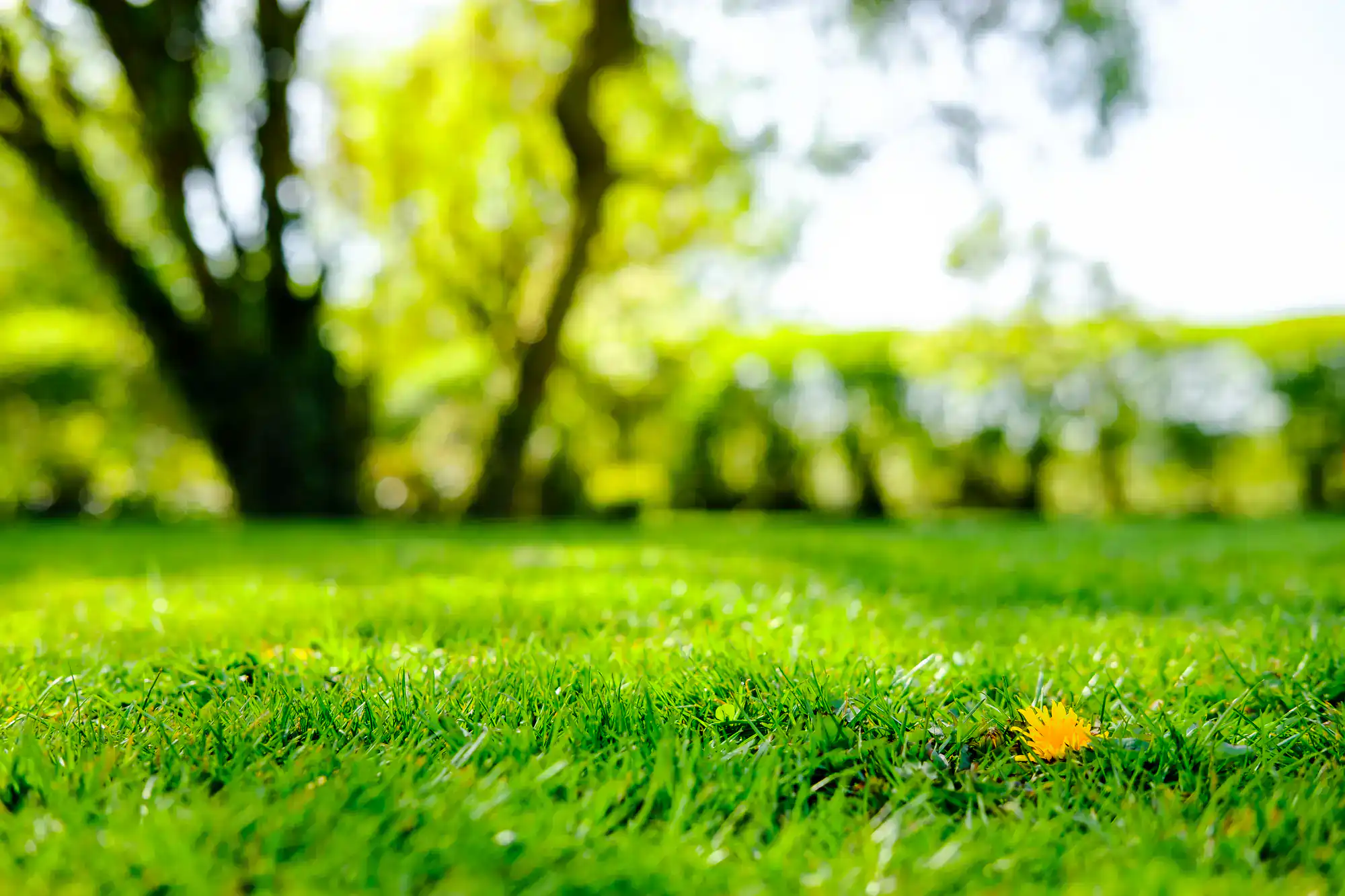
If you’ve had a lawn care company out here before and your grass still looks the same or worse the problem usually isn’t your lawn. It’s that the program wasn’t built for where you live. Middle Island sits right at the edge of the Long Island Central Pine Barrens, and that matters more than most companies will ever tell you. The soils here are sandy, fast-draining, and naturally acidic. Fertilizer leaches out faster. pH runs low enough that nutrients become chemically unavailable to the grass even when product is in the ground. A standard program applied the same way it would be in Smithtown or Hauppauge isn’t going to cut it here.
What changes when the program is actually calibrated to your soil is that you start seeing results that hold. The lawn fills in. Thin spots respond to seeding. Color improves and stays improved, not just for a week after a treatment. For homeowners near Artist Lake or along the wooded corridors off Longwood Road, where mature tree roots compete with turf for nutrients and shade limits what grass species can even survive, that kind of targeted approach is the only one that works long term.
Rising home values in Middle Island up significantly in recent years mean your lawn is part of an asset worth protecting. A well-maintained lawn doesn’t just look better. It reflects care for a property that, for most homeowners here, is the most valuable thing they own.
We’ve been treating lawns across Middle Island and Suffolk County since 1987. That’s not a rounded number it’s the year we started, and we haven’t left this market since. We were operating here before most of our current competitors existed, before Suffolk County enacted its fertilizer law, and before the Pine Barrens Protection Act reshaped how land near Middle Island is managed.
Every technician who treats your lawn holds a valid NYS DEC Commercial Pesticide Applicator Certificate the state credential that requires real training, a written exam, and field experience. That’s not standard across the industry. A lot of companies operating in the Brookhaven area send unlicensed crews to do the actual work. We don’t.
The fleet of five fully wrapped trucks you’ll see throughout Middle Island and the surrounding hamlets isn’t just branding. It’s a sign of a company that’s accountable, visible, and not going anywhere. When something needs attention on your lawn, you’re not calling a national call center you’re reaching people who actually know this area.
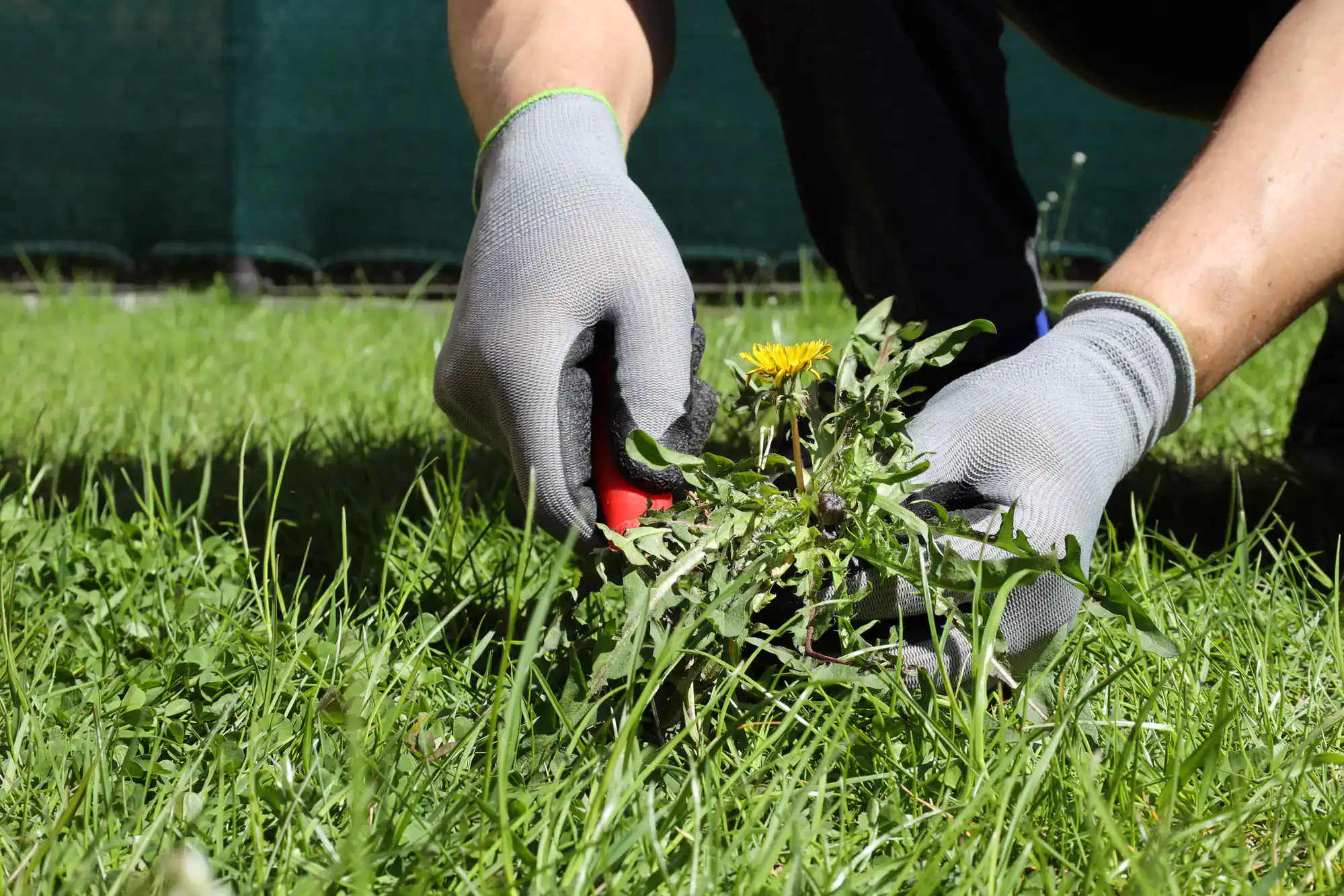
It starts with your lawn, not a template. Before any product goes down, we assess the lawn what’s growing, where it’s thin, how much sun it gets, what the soil conditions look like. In Middle Island, that assessment almost always turns up the same underlying issues: low pH, fast-draining soil, and in wooded areas near Cathedral Pines, significant root and shade competition. Knowing that upfront changes what gets applied and when.
From there, we build a custom program around your lawn’s specific needs. We use a proprietary fertilizer blended specifically for our programs and for Long Island’s soil profile not a product off a distributor’s shelf. Applications are timed around Suffolk County’s fertilizer blackout period, which runs from November 1 through April 1, so every treatment happens in the window where it’s both legal and most effective. If your property is near Artist Lake, Pine Lake, or anywhere close to the Carmans River headwaters, buffer zone requirements are factored in automatically.
Where the lawn needs more than maintenance grub damage, years of thinning, or a section that never properly established restoration and seeding are part of what we offer. We use hydraulic aerators, not the lightweight drum models rental companies stock, when aeration is part of the plan. After each visit, you know what was done and what’s coming next. Online credit card payment means you’re not chasing down invoices.
Ready to get started?
The core of what we offer is a multi-application annual program that covers fertilization, weed control, and targeted treatments all customized to what your lawn actually needs rather than what a route schedule dictates. The fertilizer we use is custom-blended specifically for our programs, formulated to account for the leaching rate and acidic pH tendencies that are endemic to soils in central Suffolk County. In Middle Island, where the Pine Barrens influence on soil chemistry is real and measurable, that distinction between a custom blend and a generic product is the difference between a program that works and one that doesn’t.
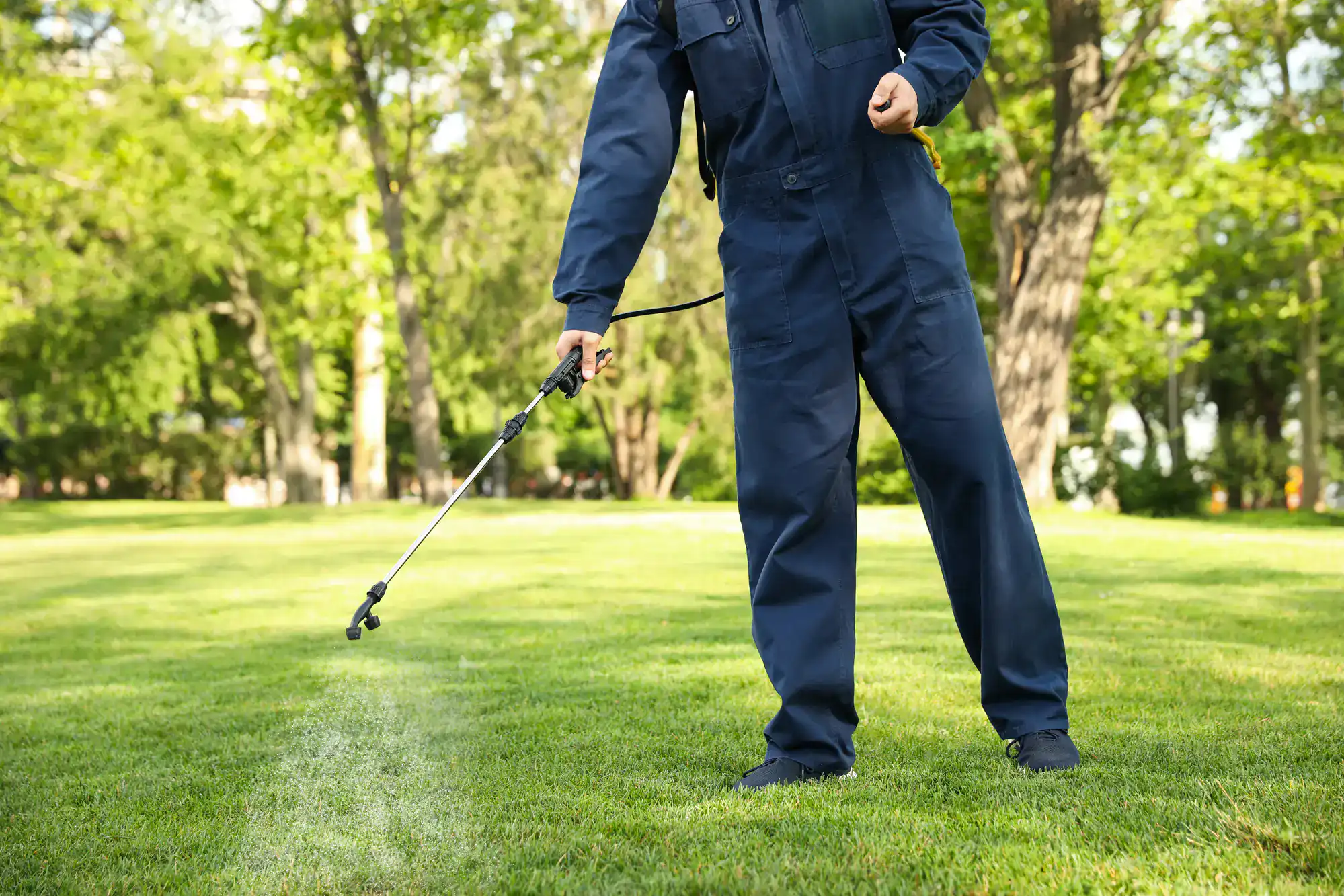
Weed control, grub treatments, and any pesticide applications are handled exclusively by NYS DEC licensed applicators not labor-only crews. For properties near the hamlet’s lakes or the Carmans River, all applications are managed in compliance with Suffolk County’s buffer zone and phosphorus restrictions. You don’t have to ask whether the treatment near your water feature is legal. It is, because that’s built into the program from the start.
For lawns that are past the point of maintenance heavily damaged, weed-dominated, or never properly established we offer full restoration and new lawn installs from seed. We use hydraulic aerators and professional-grade seeders for aeration and overseeding, producing results that rental-grade equipment simply can’t match in compacted or Sandy Barrens-adjacent soil. If your lawn has been written off before, that’s worth a second opinion.
The most common reason is soil pH. Middle Island’s soils are naturally acidic a direct result of the sandy, Pine Barrens-adjacent geology that defines this part of central Suffolk County. When pH drops below the range that cool-season turf needs (roughly 6.0 to 7.0), nutrients become chemically locked in the soil. Fertilizer goes down, but the grass can’t actually access it. The lawn stays thin and pale regardless of how much product gets applied.
The fix isn’t more fertilizer it’s correcting the pH first, typically through lime applications, and then feeding the lawn with a product formulated for the leaching rate of sandy soil. A generic program that doesn’t account for this will produce generic results, which in Middle Island usually means no visible improvement after a full season of treatments. If that sounds familiar, it’s not your lawn’s fault.
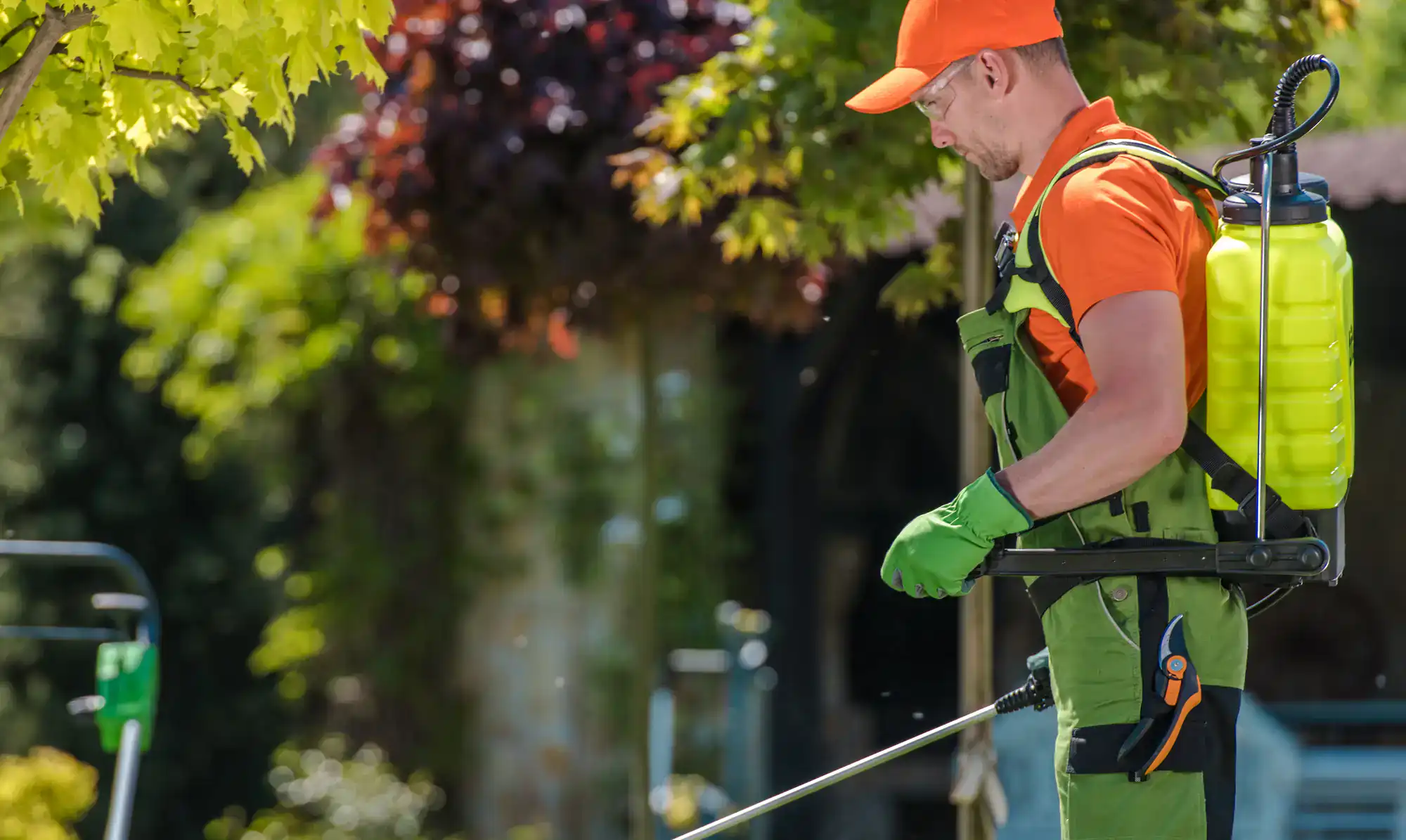
New York State requires anyone applying pesticides commercially to hold a valid NYS DEC Commercial Pesticide Applicator Certificate Category 3A for ornamental and turf applications. This credential requires 30 hours of training, a written state exam, and two years of supervised field experience. It’s not a formality. It’s the legal standard for anyone treating your lawn with weed control, grub treatments, or insect management products.
Suffolk County also requires lawn care professionals applying fertilizer to complete an educational course under the County’s fertilizer law. The easiest way to verify a company’s credentials is to ask for their DEC license number directly. A legitimate company will give it to you without hesitation. If the answer is vague or they redirect to “we’re fully insured,” that’s worth paying attention to. In a community like Middle Island, where properties near the Carmans River and the hamlet’s lakes are subject to specific application restrictions, knowing your applicator is actually licensed matters beyond just the legal technicality.
Suffolk County prohibits nitrogen and phosphorus fertilizer applications to turf from November 1 through April 1. Violations carry fines of up to $1,000 per application. The restriction applies to all properties within Suffolk County, including every residential lawn in Middle Island and the surrounding Brookhaven hamlets.
In practical terms, this means your annual lawn program has to be structured around this window. Fall treatments particularly the late-season application that helps turf harden off before winter need to be completed before November 1. Spring programs can’t legally begin until after April 1. A well-structured program accounts for this automatically, timing applications to be both compliant and agronomically effective. If you’re near Artist Lake, Pine Lake, or the Carmans River headwaters, there are additional buffer zone restrictions on top of the blackout period that apply to your property specifically. These aren’t details you should have to manage yourself they should be built into the program from day one.
For cool-season turf which is what the vast majority of Middle Island lawns are seeded with fall is by far the most effective window for aeration and overseeding. Soil temperatures are still warm enough to support germination, air temperatures have dropped enough to reduce heat stress on new seedlings, weed pressure is significantly lower than in spring or summer, and rainfall tends to be more consistent. Those conditions combine to give new seed the best possible start.
In Middle Island specifically, fall aeration also addresses something that builds up over the season in the hamlet’s sandy soils surface compaction from mowing equipment and foot traffic that restricts water infiltration even in fast-draining ground. Hydraulic aeration opens the soil profile, improves root access to the nutrient zone, and creates the seed-to-soil contact that overseeding requires to actually work. Doing this in September or early October gives the new turf enough time to establish before the first hard frost and positions the lawn to come back stronger the following spring.
Most lawns that look beyond saving can be restored without a full tear-out but it depends on what caused the damage and how far it’s progressed. Grub damage, drought stress, years of improper fertilization, or a lawn that was never properly established in the first place are all situations where restoration from seed is a realistic path. A lawn that is more than 50% weeds or has significant bare areas from grub activity is a good candidate for a restoration program rather than ongoing maintenance.
In Middle Island, the restoration process is more involved than in communities with heavier, richer soils. The sandy, acidic soil profile means that soil correction pH adjustment, organic matter considerations, proper seedbed preparation has to happen before seeding for the new turf to have any chance of establishing. Throwing seed down on uncorrected soil in Pine Barrens-adjacent ground is a common reason restoration attempts fail. When the soil work is done first and the right seed blend is matched to your lawn’s sun exposure and conditions, the results are real and lasting.
The most practical difference is who actually shows up and what they know about your lawn. TruGreen operates out of a regional branch in this area, Hauppauge and routes technicians across a large territory. The person treating your lawn may change every visit, may have no record of what was applied last time, and if something goes wrong, your call routes to a national customer service center. That’s a structural limitation of how large franchise operations work, and it shows up consistently in reviews from Suffolk County homeowners.
We’re a local operation that has been in this specific market since 1987. Our technicians are licensed, our fertilizer is custom-blended for Long Island soil conditions, and our program is built around your lawn not a regional template applied uniformly across every stop on the route. For Middle Island homeowners dealing with Pine Barrens-adjacent soil chemistry, that difference in customization is not a minor detail. It’s the reason one program produces results and the other doesn’t. If you’ve been through a season with a national company and your lawn looks the same or worse, that experience is worth taking seriously before signing up for another year of the same approach.
Useful Links
Other Services we provide in Middle Island