
Hear from Our Customers
The homes in Dix Hills were largely built around 1970. That means most lawns here have been walked on, mowed over, and weathered through 50-plus Long Island winters and the soil underneath has been compacting the entire time. You can fertilize all season and still get thin, patchy grass if the ground is too dense to let anything in. Aeration is what actually opens the door.
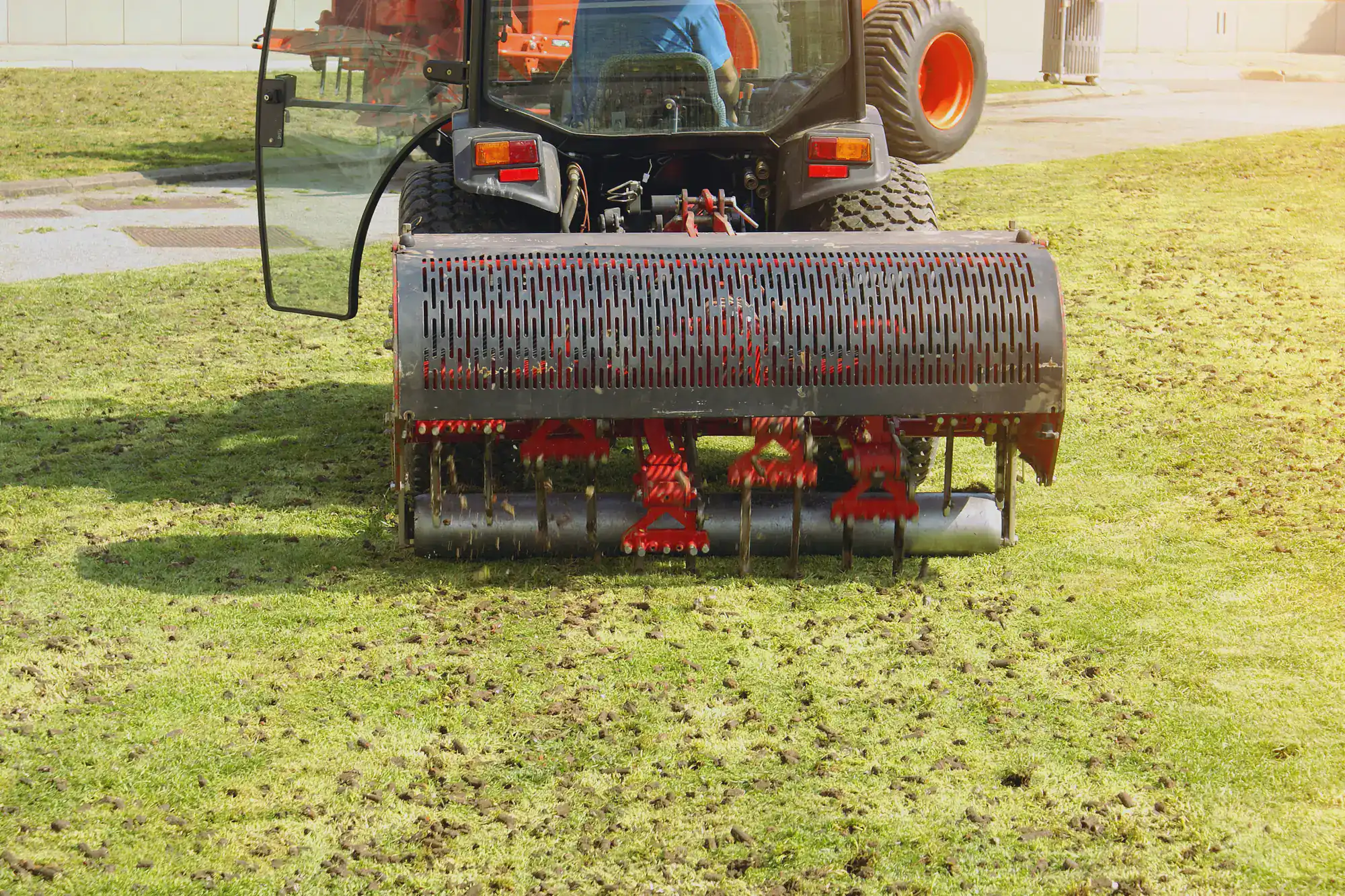
When a hydraulic core aerator pulls plugs from your soil, it creates channels for water, air, and nutrients to reach the root zone where they do real work. For Dix Hills properties with clay-heavy soil especially on north-facing slopes or near the lower-lying sections off Vanderbilt Parkway that infiltration difference is dramatic. Water stops pooling and starts penetrating. Fertilizer stops sitting on the surface and starts feeding.
The results aren’t just visual, though the lawn does look noticeably fuller and greener within a few weeks. The bigger shift is efficiency. Every dollar you’ve put into irrigation, fertilization, or overseeding works harder once compaction is out of the way. It’s not a cosmetic upgrade it’s the foundation everything else depends on.
We’ve been serving Dix Hills and the surrounding Half Hollow Hills communities since 1987. That’s not a tagline it’s just a fact. We’ve been working on properties throughout the Town of Huntington long enough to know how the soil behaves in different sections of Dix Hills, what the clay zones near the LIE corridor do in a wet spring, and why the same program that works in Medford doesn’t translate here.
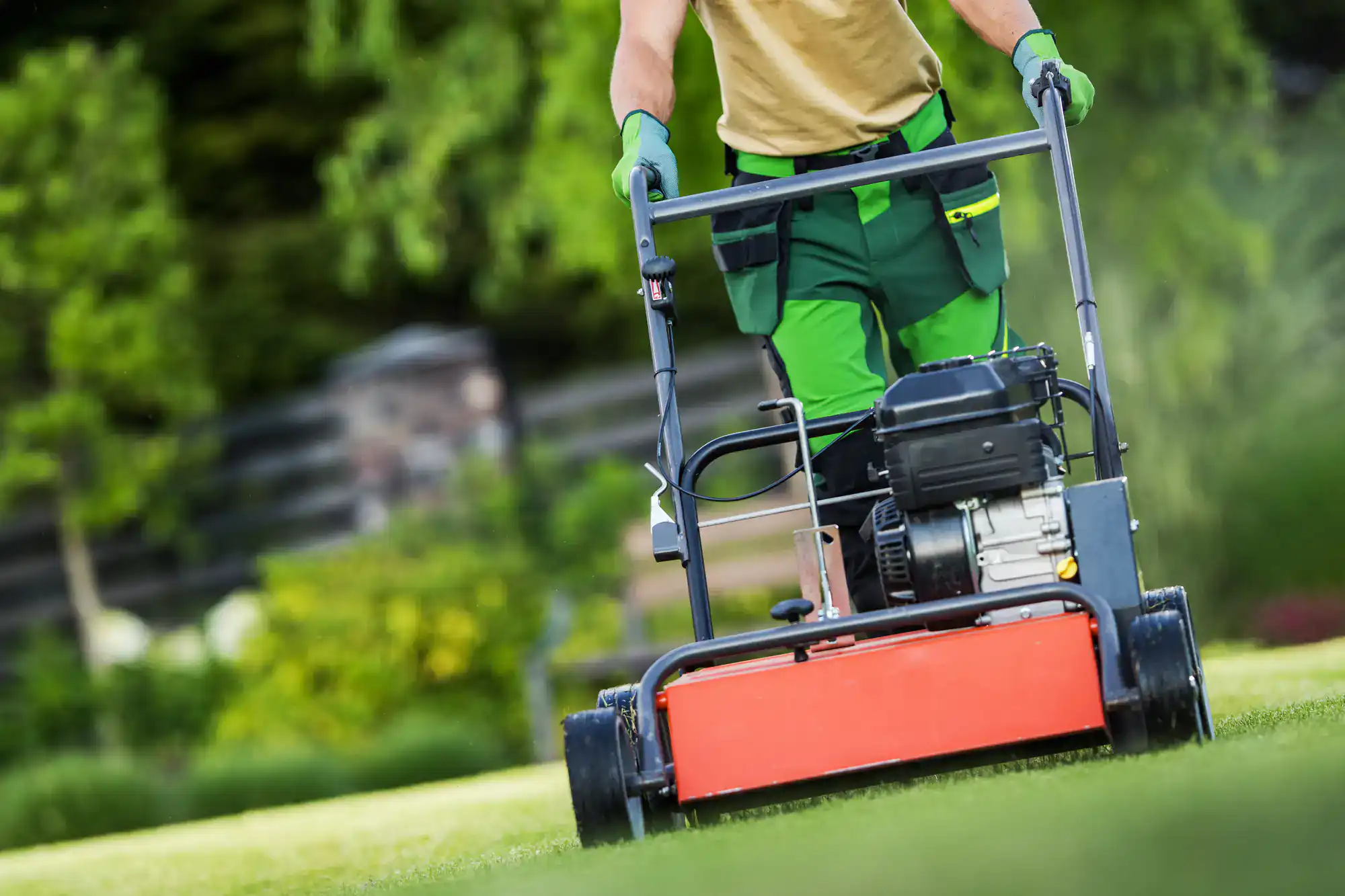
Every job is handled by a licensed pesticide professional not a seasonal crew handed a machine and a route. We use hydraulic aerators built for the kind of compacted, mixed-composition soil that’s common across Dix Hills properties. Our fertilizer is custom-blended specifically for our programs, not sourced off a shelf. And we operate a fleet of five fully wrapped trucks, because a real operation looks and runs like one.
If you’ve had a lawn company before that sent different people every time, never explained what they were doing, and left you with the same problems the following spring we’re the answer to that experience.
Before anything starts, we assess the lawn. Dix Hills properties vary a large lot in the northeast section near Commack Road has different soil and slope characteristics than a property in the south central section closer to the Southern State boundary. We’re looking at compaction level, grass type, drainage patterns, and any problem areas before a single pass is made. That assessment shapes how the job gets done, not a generic checklist.
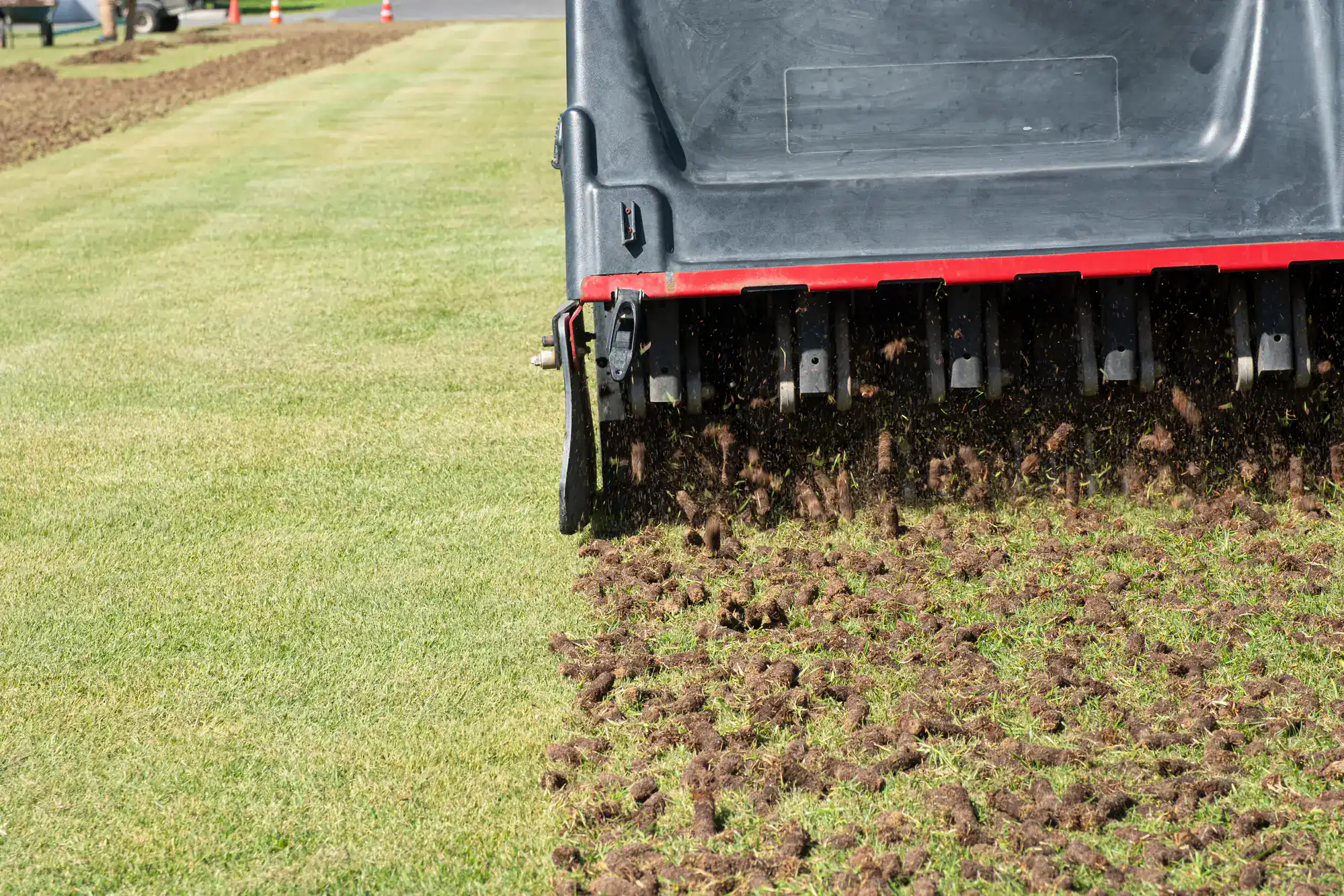
Then the hydraulic aerator goes to work. It pulls clean cores from the soil typically two to three inches deep across the full lawn in a systematic pattern. On sloped terrain, which is common in Dix Hills given the genuine topographic grade changes throughout the hamlet, pass direction and equipment settings matter. Consumer-grade rental aerators don’t handle slope or clay depth well. Ours do. The cores are left on the surface to break down naturally, returning organic matter to the soil over the next couple of weeks.
Timing matters here too. The fall window late August through mid-October is when cool-season grasses like tall fescue and Kentucky bluegrass respond best to aeration and overseeding. Suffolk County’s fertilizer application ban starts November 1, so if you want to pair aeration with a fall fertilization, that window is real and it closes. We plan schedules in advance so our customers aren’t scrambling at the end of October.
Ready to get started?
Every lawn aeration service we deliver in Dix Hills includes a licensed pesticide professional on-site someone who has passed NYSDEC certification exams and is legally accountable for every application made on your property. That’s not the industry standard. A lot of companies keep one certified applicator on paper and send uncertified workers to do the actual work. We don’t operate that way.
The equipment difference is also real. Hydraulic aerators maintain consistent tine depth and pull clean cores even in the clay-heavy zones that are common throughout Dix Hills. That matters because shallow or incomplete cores don’t relieve compaction they just disturb the surface. When we’re done, your soil has actual channels, not surface scratches.
After aeration, we can pair the service with overseeding using grass varieties suited to Long Island’s cool-season climate, and fertilization with our custom-blended formula before Suffolk County’s November 1 application deadline. If your lawn has declined beyond what maintenance aeration can fix, we also handle full lawn restoration and new lawn installs from seed so you’re not starting over with a different company. Everything is managed through your online account, with email reminders and credit card invoice payment available, because your schedule is already full enough.
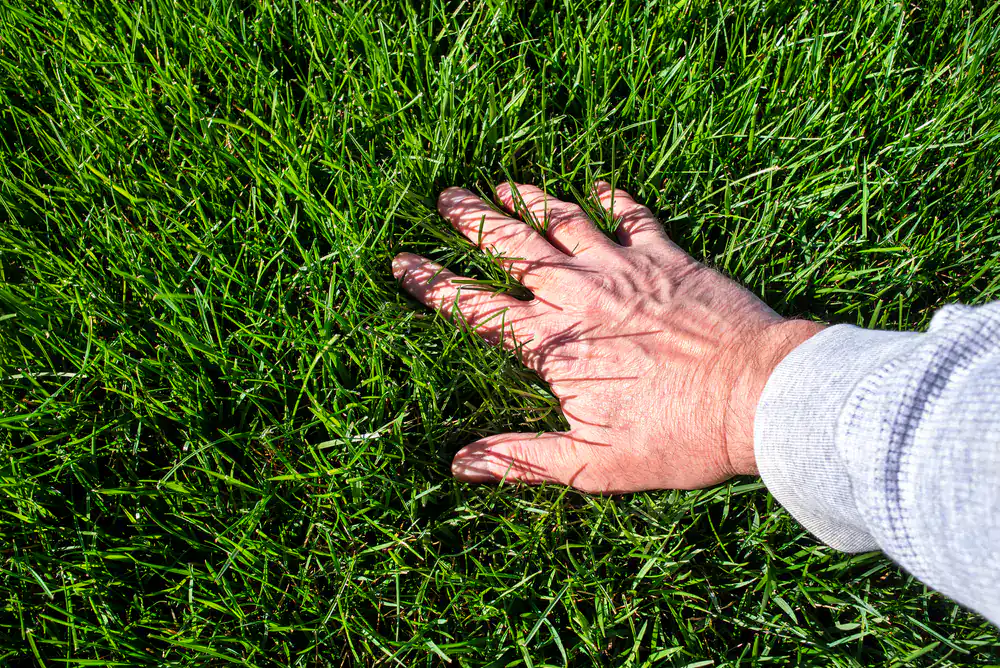
The most reliable field test is simple: push a screwdriver or a six-inch spike into your lawn. If it goes in easily, your soil is in reasonable shape. If you have to force it, or it stops before hitting three inches, you’ve got compaction worth addressing. Most Dix Hills lawns especially on properties built in the 1960s and 1970s show moderate to significant compaction because the soil has been under foot traffic and mowing equipment for decades without meaningful relief.
Clay-heavy areas are the most common problem zones in Dix Hills. Clay particles pack tightly together, and once compacted, they don’t loosen on their own. If you’re seeing water pool in areas after rain, if your grass looks thin despite regular fertilization, or if the lawn feels hard underfoot in summer, those are all signs that compaction is working against you. Annual aeration is the standard recommendation for Dix Hills properties with clay content not a one-time fix, but a regular part of keeping the soil functional.
It matters more than most people realize. Core aeration which is what we do uses hollow tines to physically remove plugs of soil from the ground. Those plugs create open channels that allow air, water, and nutrients to move into the root zone. The compaction is actually relieved because material has been removed.
Spike aeration pushes solid tines into the ground without removing anything. It displaces soil rather than extracting it, which can actually increase compaction in the surrounding area over time. It’s the difference between poking holes in a sponge and punching holes in a piece of clay one opens up, the other just shifts the density around. For the mixed sandy-clay soils common throughout Dix Hills, core aeration is the only method that produces real, lasting results. Spike aerators are cheaper to rent, which is why they’re popular for DIY use but the outcome isn’t comparable.
For the cool-season grasses that make up the vast majority of Dix Hills lawns tall fescue, Kentucky bluegrass, and perennial ryegrass fall is the optimal window. Specifically, late August through mid-October. Soil temperatures are still warm enough to support recovery and seed germination, the grass is entering its most active growth phase of the year, and there’s enough time before winter for the lawn to fill in meaningfully.
Spring aeration is possible but comes with a trade-off: if you’re applying pre-emergent herbicides to prevent crabgrass which most Dix Hills homeowners should be doing aeration can compromise that barrier. Fall avoids that conflict entirely. There’s also a practical urgency to the fall window in Suffolk County specifically: the county’s fertilizer application ban starts November 1, which means if you want to pair aeration with a fall fertilization, you need to be scheduled and completed before that deadline. Slots fill up. If you’re thinking about fall aeration, the time to book is before September, not after.
Professional core aeration for a residential lawn typically runs between $75 and $300, with the final number depending on your property’s square footage, soil conditions, and whether you’re pairing it with overseeding or fertilization. Dix Hills properties tend to be larger than the Suffolk County average estate-scale lots are common throughout the hamlet so pricing at the higher end of that range is not unusual.
What’s worth understanding is what you’re paying for when you hire a licensed professional with hydraulic equipment versus renting a machine yourself or hiring the lowest bidder. A hydraulic aerator operated by a trained technician pulls deeper, cleaner cores than a consumer-grade rental unit, especially in clay-heavy soil. The results are measurably better. When you factor in that aeration makes every other investment fertilizer, seed, irrigation more effective, the cost is less an expense and more a multiplier on what you’re already spending. We’re happy to give you a specific number for your property when you reach out.
Yes, and for most Dix Hills lawns, doing both together is the right call. Aeration creates the ideal seedbed the cores left on the surface break down and mix with new seed, and the open channels give seed direct soil contact, which is what drives germination. Overseeding immediately after aeration consistently outperforms overseeding on an unprepared lawn.
For Dix Hills specifically, fall is the window to do this. Cool-season grasses germinate best when soil temperatures are between 50 and 65 degrees Fahrenheit, which aligns with September and early October on Long Island. If your lawn has thin patches common in older Dix Hills properties where the original lawn has thinned over decades fall aeration and overseeding is the most effective way to fill them in without a full renovation. Pairing that with a pre-winter fertilization before Suffolk County’s November 1 deadline gives the new grass the nutrition it needs to establish before the ground freezes.
It helps significantly, though it’s worth being clear about what it does and doesn’t fix. Aeration improves the soil’s ability to absorb water so if drainage problems are caused by compaction, aeration directly addresses that. On the sloped terrain that’s common throughout Dix Hills, compacted soil causes water to run off the surface rather than infiltrate, which accelerates erosion and keeps the root zone dry even after a good rain. Opening up the soil with core aeration slows that runoff and increases absorption.
What aeration won’t fix is a structural drainage issue a low spot that collects water due to grading, or a hardpan clay layer deep enough that surface aeration alone can’t reach it. If you have a specific area that stays wet for days after rain regardless of conditions, that’s worth a separate conversation about grading or drainage solutions. But for the typical Dix Hills lawn that drains slowly, pools lightly on slopes, or feels spongy in wet weather, core aeration is usually the first and most effective step and one that produces visible improvement within a single season.
Useful Links
Other Services we provide in Dix Hills