Hear from Our Customers
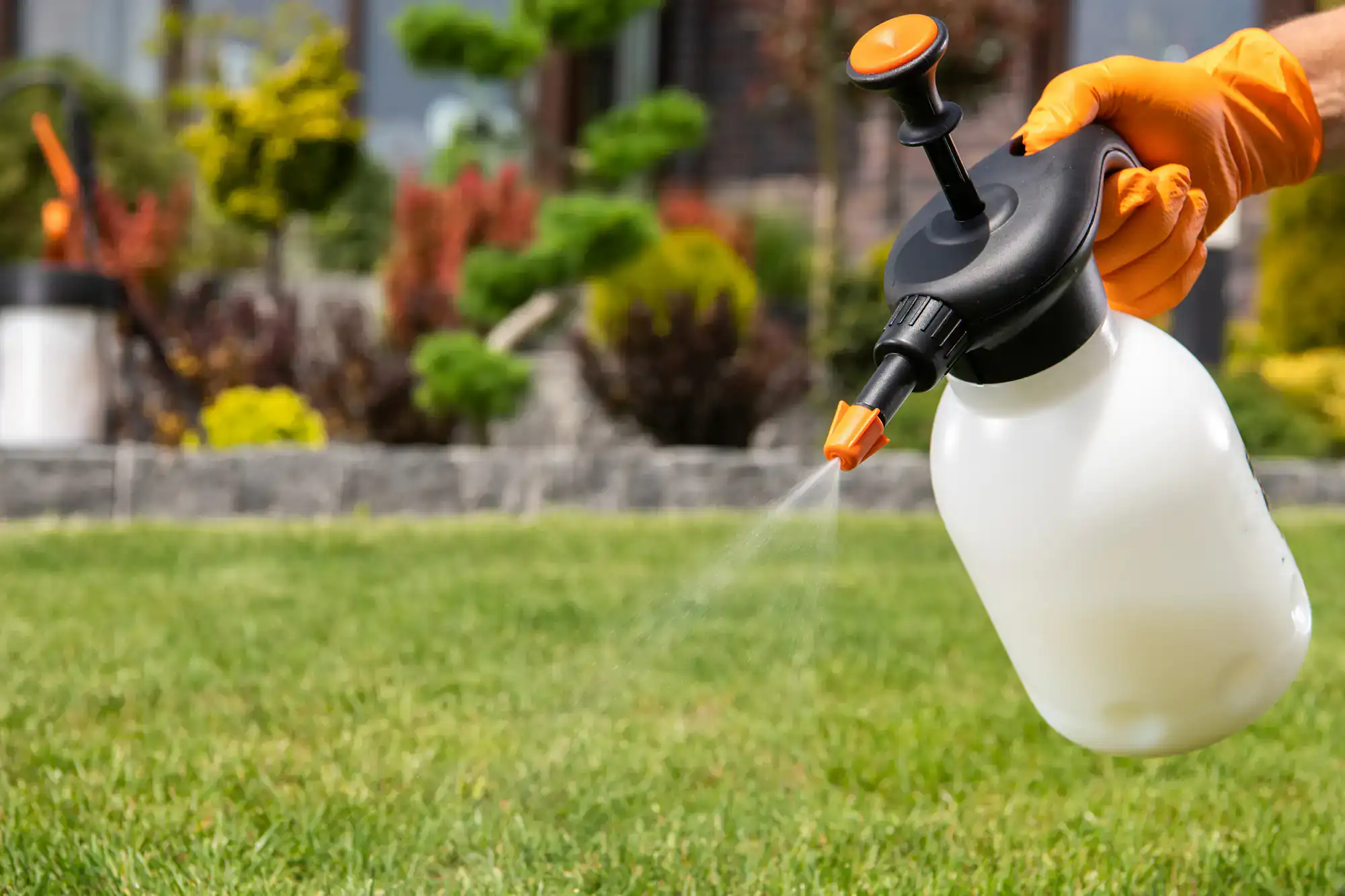
Dix Hills is one of those communities where the lawns tell you something about the street. Manicured, green, and thick that’s the standard here, and it doesn’t happen by accident. It happens when someone who actually knows Long Island soil is managing the program.
The challenge with Dix Hills properties is that they’re not simple. Most lots here have a mix of sandy and clay soil sandy areas drain fast and burn through nutrients quickly, while clay-heavy spots compact over time and choke the root system. On top of that, the mature tree canopy that makes this neighborhood beautiful also creates serious shade stress and root competition for the turf underneath. A one-size-fits-all program doesn’t cut it on a property like this.
When your lawn is on a real program one built around your actual soil, your sun exposure, your grass type the difference shows up fast. Thicker turf, fewer weeds pushing through, no more bare patches under the oak trees, and no more brown spots showing up mid-July when the humidity hits. That’s what a properly managed lawn looks like in Dix Hills.
We’ve been treating lawns across Suffolk County since 1987, with deep roots in Dix Hills and the surrounding Half Hollow Hills area. That’s nearly four decades of Long Island summers, drought years, grub cycles, and everything in between. We know what grows here, what fails here, and what it takes to keep a lawn healthy through a Long Island season.
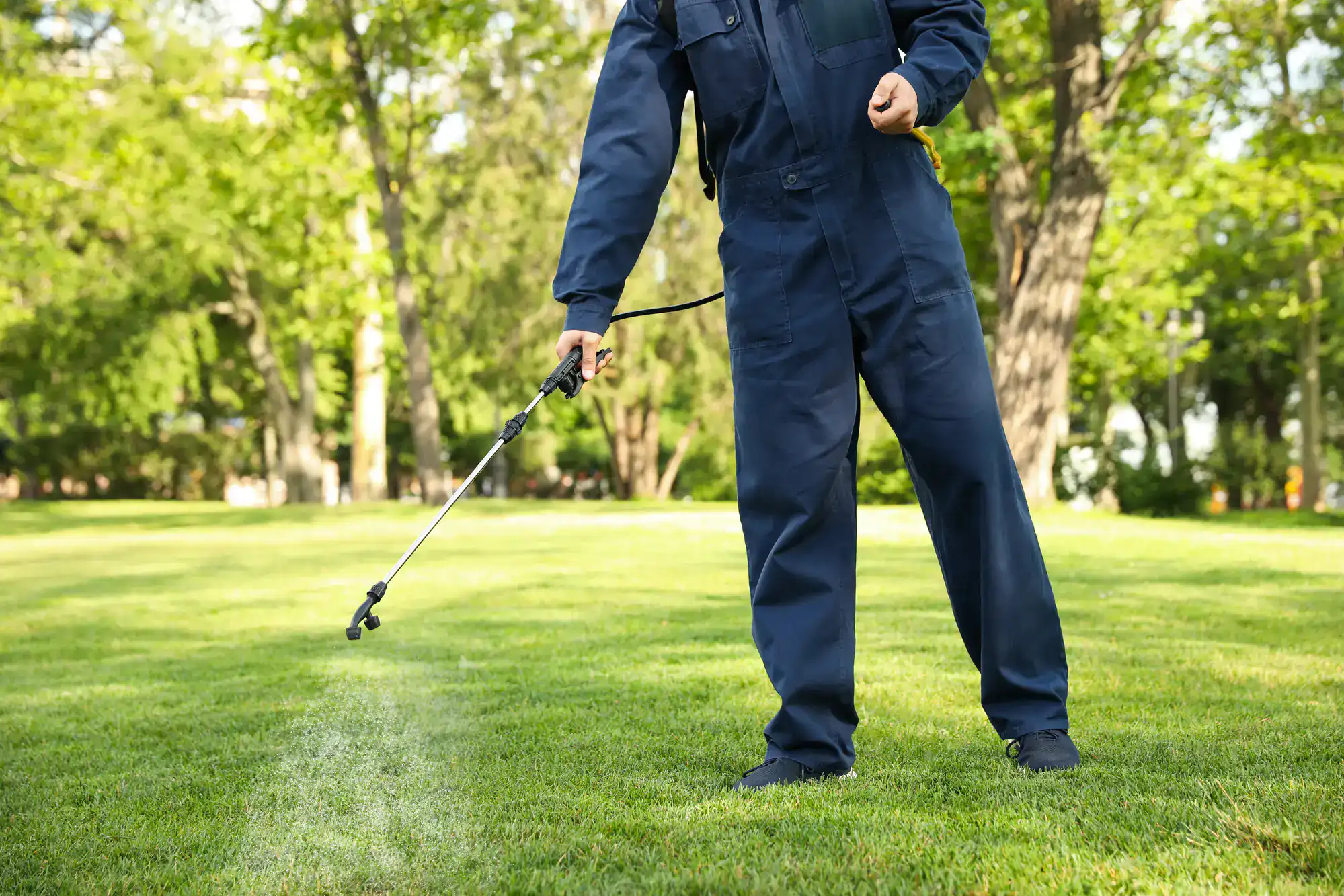
Every technician we send to your property is a licensed NYS DEC pesticide applicator. Not general labor a credentialed professional who passed the state exam and knows exactly what they’re putting on your lawn, why, and when. In a community like Dix Hills, where you’re protecting a property worth well over a million dollars, that distinction matters.
We use a custom-blended fertilizer made specifically for Lawn Master not a commercial off-the-shelf product and hydraulic aerators that pull deeper, cleaner cores than what most local operators bring to the job. From the Half Hollow Hills corridor to the wooded streets near Vanderbilt Parkway, we’ve seen what these lawns need. We’re built to deliver it.
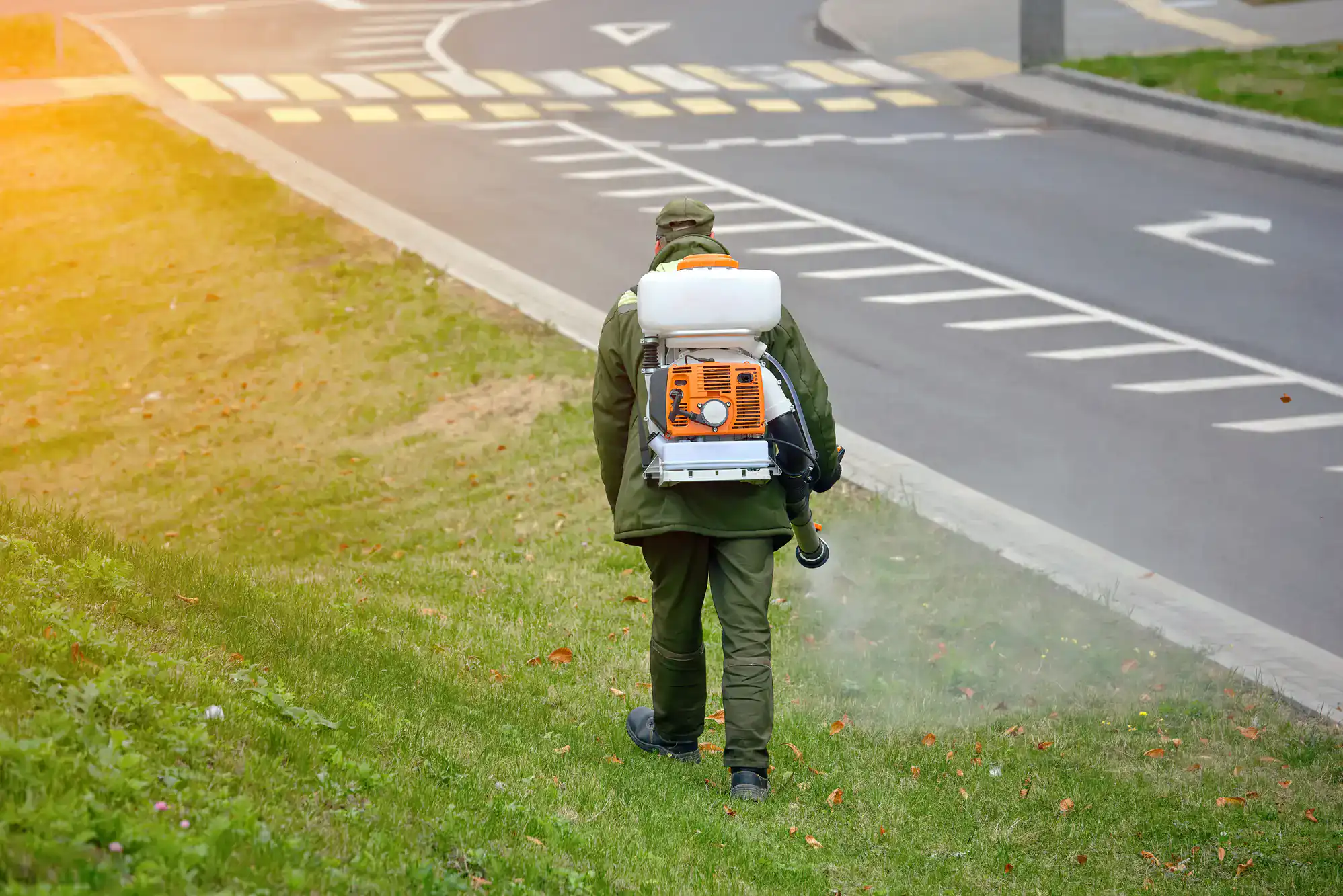
It starts with an honest look at what you’re working with. Before anything goes down on your lawn, we assess the property grass type, soil conditions, shade coverage, weed pressure, and any problem areas that need targeted attention. Dix Hills properties tend to have a lot going on: mixed soil types, dense canopy over certain sections, and turf that’s been stressed by years of root competition from mature trees. We take all of that into account before we build your program.
From there, we put together a treatment schedule calibrated to your lawn’s actual needs and the Suffolk County seasonal window. Suffolk County’s fertilizer blackout runs from November 1 through April 1, so timing matters and we plan around it. Spring applications focus on pre-emergent weed control and early feeding as the soil warms up. Summer shifts toward protecting cool-season grasses through the heat and humidity that trigger fungal issues like brown patch and dollar spot. Fall is the most important window of the year aeration, overseeding, and fertilization during September and October determines how well your lawn comes back the following spring.
Every visit is done by a licensed technician in one of our fully wrapped trucks. You’ll know who’s on your property and what was done. If something needs attention between scheduled visits, you reach a real person not a call center.
Ready to get started?
Every program we build is custom there are no preset packages that get dropped on your lawn regardless of what it actually needs. For Dix Hills properties, that usually means addressing a few things that generic programs miss entirely. Nutgrass and bentgrass are persistent problems on Long Island, and they don’t respond to standard herbicide rounds. We include targeted control for both. Grub pressure is real here too, and we treat for it on the right schedule not as an upsell, but as part of managing a healthy lawn in Suffolk County.
For properties with significant shade from mature trees, we factor in shade-tolerant grass varieties like fine fescue and adjust fertilization rates to compensate for root competition. Open, sunny sections of the same property may support tall fescue or Kentucky bluegrass and get treated accordingly. Our hydraulic aerators pull deep cores from compacted clay areas that most equipment can’t reach effectively, and our custom-blended fertilizer is formulated for Long Island’s specific soil chemistry not a generic formula designed for somewhere else.
If your lawn needs more than maintenance if you’re dealing with major damage, bare areas, or a lawn that’s been neglected for multiple seasons we also handle full lawn restoration and new lawn installation from seed. The goal is to get your property where it should be and keep it there.
Dix Hills has some of the densest tree canopy in western Suffolk County, and that shade creates real challenges for cool-season turf. Under heavy canopy especially under mature oaks and maples fine fescue is typically the best-performing option. It tolerates low light better than tall fescue or Kentucky bluegrass, and it handles the root competition from established trees more effectively than most alternatives.
That said, most Dix Hills properties aren’t uniformly shaded. You may have deep shade on the north side of the house, full sun in the backyard, and partial shade along the tree line. The right approach is to match the grass variety to each zone rather than seeding the entire property with one type. When we assess your lawn, we map those conditions and select accordingly. Putting the wrong grass in the wrong spot is one of the most common reasons lawns in this neighborhood thin out and fail over time and it’s completely avoidable.
Suffolk County Local Law 41-2007 prohibits lawn fertilization from November 1 through April 1. The reason is straightforward Long Island sits over a sole-source aquifer, meaning all of the Island’s drinking water comes from groundwater. Nitrogen applied outside the growing season doesn’t get absorbed by grass roots. It leaches straight through the soil and into the water supply. Violations carry fines up to $1,000, and the Town of Huntington, which governs Dix Hills, takes environmental compliance seriously.
In practical terms, this means your fall fertilization window closes at the end of October which is why September and October are the most critical treatment months of the year. A properly timed fall application feeds the root system through the last weeks of active growth and sets the lawn up to come back stronger the following spring. Miss that window and you’re starting the season behind. We schedule around these dates on every program we manage.
Bare patches that persist despite fertilization usually come down to one of a few things: soil compaction blocking root development, shade stress from tree canopy, root competition from mature trees pulling moisture and nutrients away from the turf, or the wrong grass variety in the wrong spot. In Dix Hills, all four of these are common and they’re often happening at the same time in different parts of the same lawn.
Fertilizer alone won’t fix a compaction problem. If the soil is too dense for roots to penetrate, nutrients sit at the surface and wash away instead of reaching the root zone. Aeration is what breaks that cycle pulling cores from the soil to open up air, water, and nutrient pathways. Overseeding immediately after aeration puts new grass seed directly into those open channels, which dramatically improves germination and fill-in. If you’ve been on a fertilization program and still have bare patches, the answer is almost always that the program wasn’t addressing the underlying soil condition it’s just feeding the grass that’s already struggling.
Yes and it’s not a small difference. In New York State, any company applying pesticides to turf is legally required to hold a valid NYSDEC pesticide applicator license. Getting that license requires completing a 30-hour training course and passing a state examination. It’s a meaningful credential that covers product selection, application rates, environmental regulations, and the specific rules that apply to Long Island’s water supply protection requirements.
The practical gap between a licensed applicator and an unlicensed one shows up in two ways. First, a licensed professional knows which products to use, at what rate, and under what conditions reducing the risk of lawn damage from incorrect applications. Second, they’re accountable to the state in a way that unlicensed operators are not. If something goes wrong on your property, licensing matters. In Dix Hills, where you’re protecting a significant asset, it’s worth asking any company you’re considering whether every technician they send to your property holds a current NYSDEC license. We do.
For cool-season lawns in Dix Hills which is most of what’s growing here late August through October is the ideal window for aeration and overseeding. Soil temperatures are still warm enough to support germination, the intense summer heat has backed off, and there’s typically enough rainfall in the fall to help new seed establish without constant irrigation. This timing also aligns with the end of the summer stress period, when turf has been through months of heat and humidity and needs recovery support.
Spring aeration is possible, but it comes with trade-offs. Soil temperatures in April and early May are still climbing, germination is slower, and you’re working against the pre-emergent weed control applications that should be going down at the same time pre-emergents that prevent weed seeds from germinating will also affect grass seed. Fall is cleaner, more effective, and produces better results on Long Island lawns. If your lawn took a hit this past summer, the fall window is when you fix it.
The core difference is local depth versus national scale. TruGreen operates out of a regional location and services a wide geographic area with standardized programs. That model works fine for straightforward lawns, but Dix Hills properties aren’t straightforward mixed sandy-clay soils, heavy tree canopy, large lot sizes, and the community’s high standard for lawn appearance all require more specific management than a preset program delivers.
We’ve been treating Suffolk County lawns since 1987. We use a custom-blended fertilizer formulated specifically for Long Island’s soil chemistry, hydraulic aeration equipment that outperforms what most operators bring to compacted clay soils, and licensed technicians on every visit not rotating crews. We also handle things like nutgrass and bentgrass control, full lawn restoration, and new lawn installation from seed, which are capabilities most national programs simply don’t include. If you’ve been on a national program and your lawn still isn’t where you want it, the issue is usually that the program wasn’t built around your actual property. Ours is.
Useful Links
Other Services we provide in Dix Hills