Hear from Our Customers
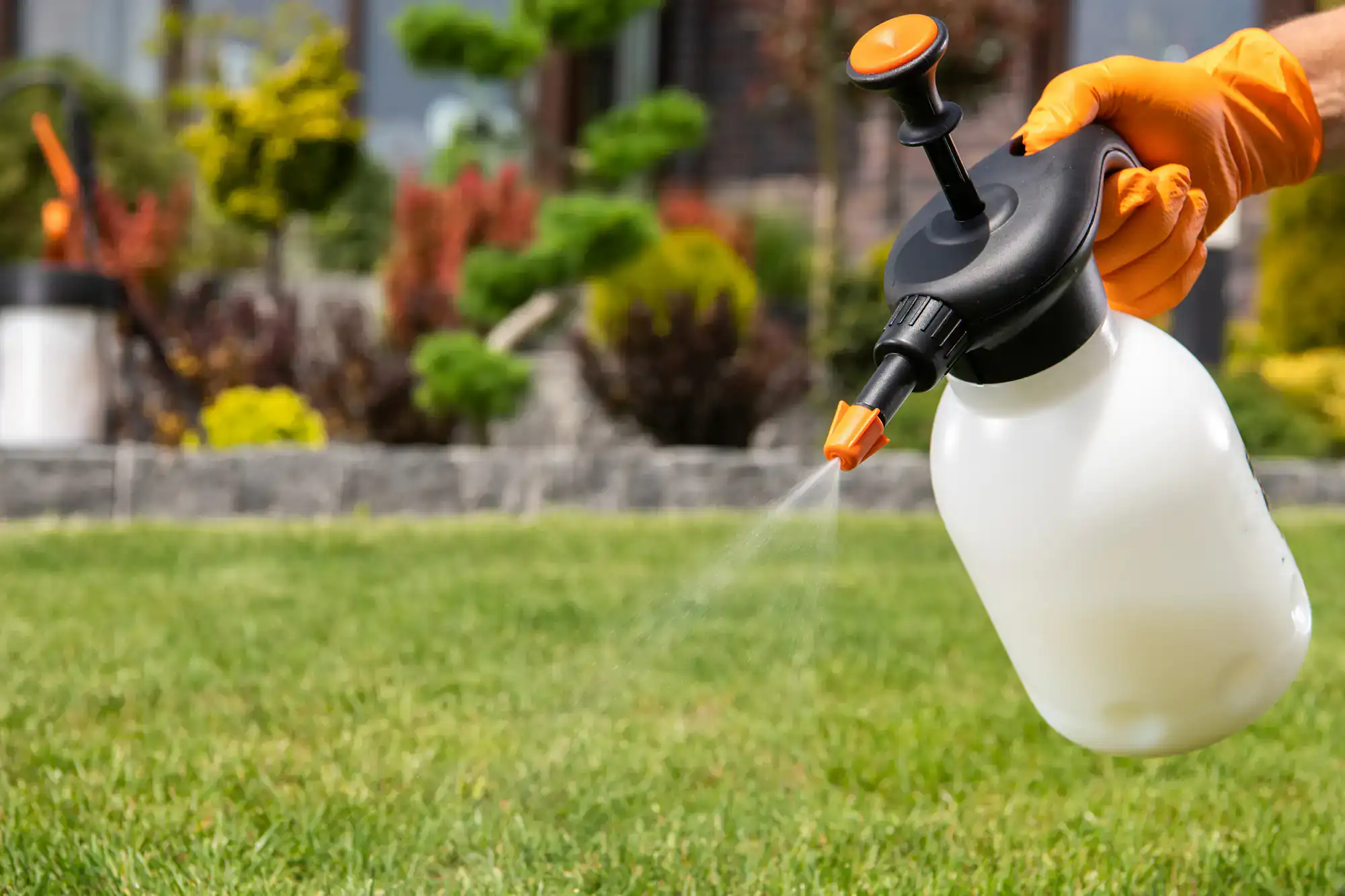
When you’re sitting on a property worth close to a million dollars on the North Shore, a patchy, thinning lawn isn’t just an eyesore it’s a real hit to what you’ve invested. The good news is that most lawn problems in East Shoreham aren’t permanent. They’re the result of the wrong program being applied to the wrong soil by someone who doesn’t know the difference.
Long Island’s North Shore soils are sandy and fast-draining a legacy of glacial activity that makes nutrients leach through the root zone before grass ever gets to use them. A fertilizer program designed for average American soil will underperform here every single time. Add the salt air coming off Long Island Sound, and you’ve got conditions that require a genuinely calibrated approach, not a six-step franchise template.
Get it right, and the difference is visible within a season. Cool-season grasses like tall fescue and Kentucky bluegrass the dominant species in East Shoreham thrive when they’re fed correctly, aerated at the right time, and protected from the grub pressure that’s a standard reality throughout Suffolk County. That’s what a real lawn treatment program delivers: grass that’s thick, green, and actually healthy going into each new season.
We’ve been treating lawns throughout East Shoreham and Suffolk County since 1987. That’s not a number we throw around lightly it means we’ve seen every lawn problem this environment produces, across every season, on every type of property this part of Long Island has to offer. From wooded lots near Wildwood State Park to open-exposure yards along the Route 25A corridor in East Shoreham, we know what works here.
Every technician who comes to your property holds a New York State DEC pesticide applicator license. That’s the credential the state requires to legally apply herbicides and pesticides to turf for hire and it’s a standard that a surprising number of operators in this market quietly don’t meet. You’ll also recognize us when we show up: five fully wrapped, professionally branded trucks make it clear exactly who is treating your lawn.
We use a custom-blended fertilizer made specifically for Lawn Master and calibrated for Long Island’s soil chemistry. We bring hydraulic aerators and seeders professional-grade equipment, not consumer tow-behinds. And if your lawn needs more than maintenance, we do full restoration and new lawn installs from seed.
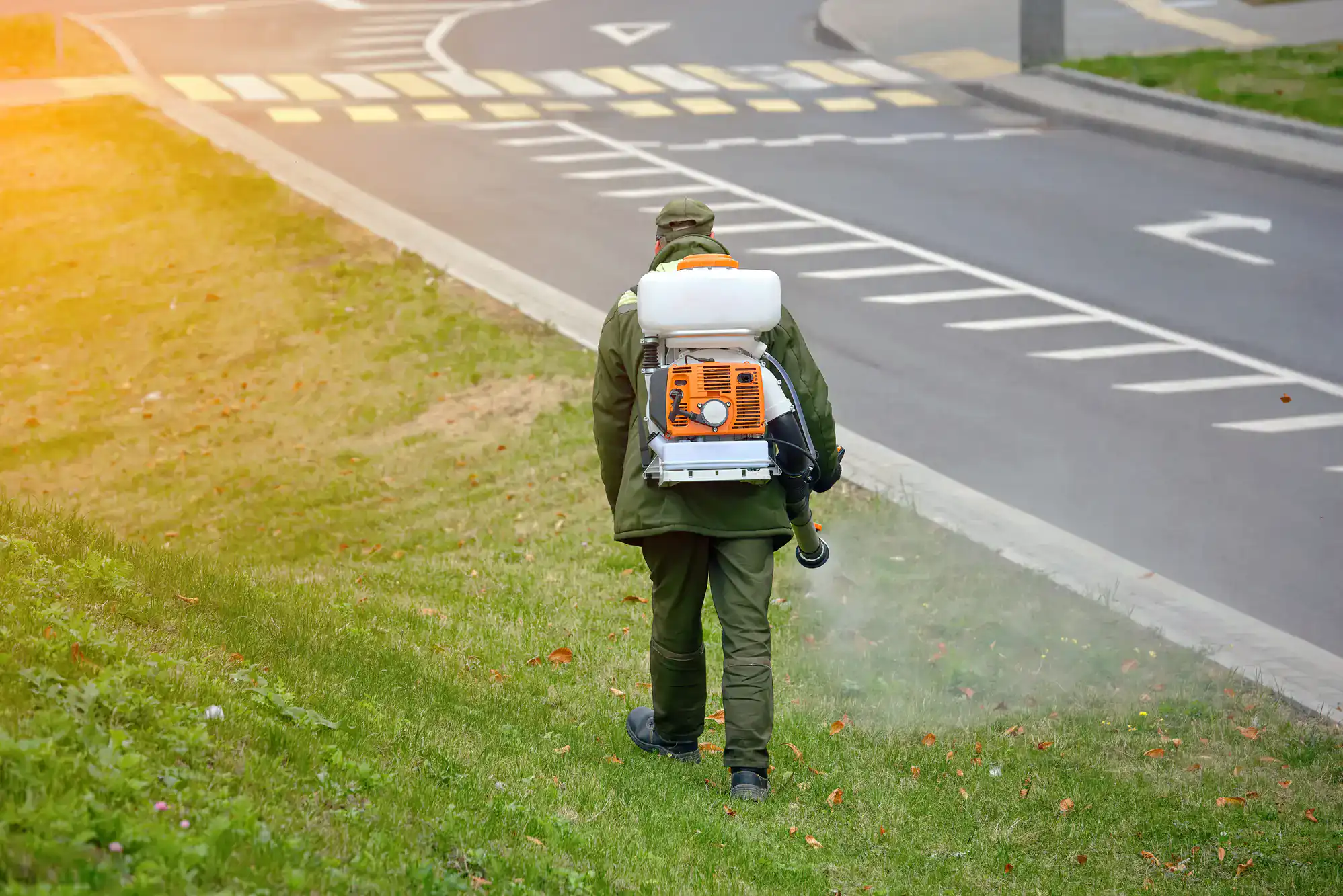
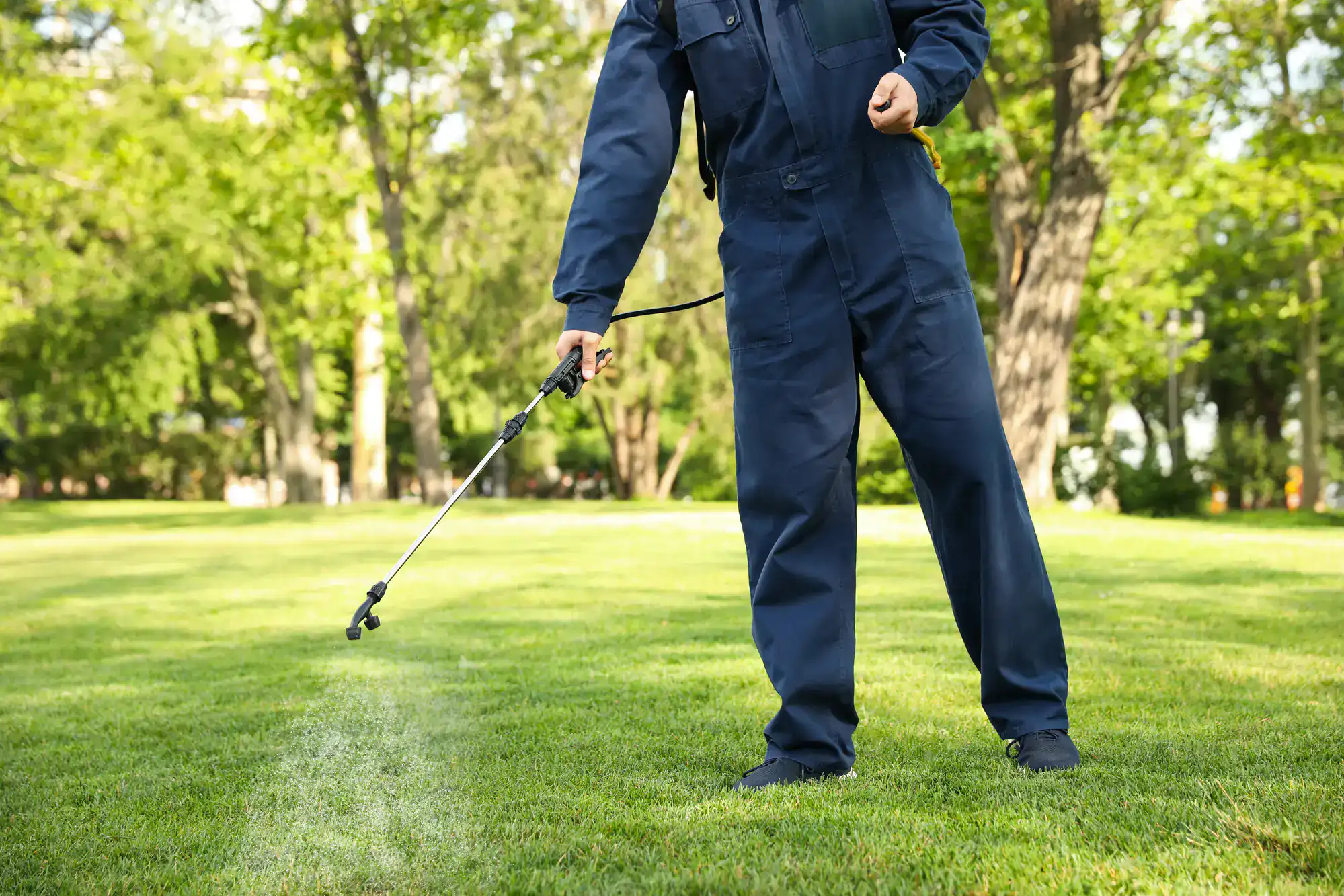
It starts with your lawn specifically not a package pulled off a shelf. We look at your grass type, sun and shade exposure, soil condition, weed pressure, and any existing problems before anything gets applied. A shaded lot with mature oak canopy near Wildwood State Park needs a completely different approach than a full-sun property with sandy soil and salt exposure closer to the Sound.
From there, your program is built around Suffolk County’s seasonal rhythm. Spring kicks off with pre-emergent crabgrass control timing matters here, and getting it wrong by even a week can cost you the window. Post-emergent weed control and fertilization follow as the season progresses, along with grub prevention before Japanese beetle eggs hatch in summer. That’s not an optional add-on in this area; it’s a standard part of treating a Long Island lawn correctly.
Fall is where the real work happens. September and October are the most important weeks of the year for cool-season grasses core aeration, overseeding, and fall fertilization during this window set your lawn up for the following year more than anything else you do. We time the final application carefully to stay within Suffolk County’s November 1 fertilizer blackout deadline, which prohibits applications through April 1 to protect Long Island’s sole-source drinking water aquifer. That’s not a technicality it’s a $1,000 fine if it’s ignored, and a real environmental issue for this community.
Ready to get started?
Every program we run in East Shoreham accounts for what’s actually happening in this environment. The sandy outwash soils here drain fast which means our custom-blended fertilizer is formulated to release nutrients at a rate that matches how quickly this soil moves, so your grass gets fed instead of your groundwater. New York State’s phosphorus ban also applies here, which means no phosphorus goes down unless a soil test confirms a deficiency. We follow that without exception.
Weed control is targeted, not blanket. If you’ve got nutsedge or bentgrass two of the most persistent problems on Long Island’s North Shore those require specific treatment that a generic fertilization program simply won’t touch. We address them directly. Grub control is built into the program because Japanese beetle pressure is a consistent reality throughout Suffolk County, not an edge case. And if your lawn has been damaged by grubs, drought, or years of neglect under a previous owner, we can restore it from the ground up full seeding, new lawn installation, whatever it takes.
If you’re coming off a bad experience with a national chain missed applications, generic programs, no one to call when something went wrong this is what a different experience looks like. Licensed professionals, a program built around your property, and a company that’s been doing this on Long Island since before most franchise lawn care brands existed.
Timing fertilization in East Shoreham means working within Suffolk County’s regulatory window and around the natural growth cycle of cool-season grasses. The county prohibits fertilizer applications between November 1 and April 1 under Local Law 41-2007 this exists specifically because Long Island’s drinking water comes entirely from groundwater, and fertilizer applied to dormant turf in cold soil doesn’t feed your lawn, it feeds the aquifer. Violations carry fines up to $1,000.
Within the legal window, the most impactful applications happen in early spring (once soil temperatures hit around 55°F, typically mid-April on the North Shore) and in fall specifically September through October. Fall is the single most important fertilization period for the tall fescue, Kentucky bluegrass, and perennial ryegrass that dominate East Shoreham lawns. These cool-season grasses grow most vigorously when temperatures drop, and a well-timed fall feeding sets the foundation for the following year. Getting the last application in before the November 1 cutoff late enough to be effective, early enough to be legal requires someone who actually knows this regulatory environment.
This is one of the most common misdiagnoses we see on Long Island. Grub damage and drought stress look almost identical in late summer brown patches, thinning turf, grass that doesn’t bounce back after rain. The difference is what’s happening underground. If you can grab a section of affected turf and peel it back like a piece of carpet, you’ve got grubs. Healthy roots hold the soil together; grub-damaged roots don’t.
Japanese beetle grubs are a consistent and well-documented problem throughout Suffolk County, including East Shoreham. The adult beetles lay eggs in summer, and the larvae feed on grass roots through late summer and into fall. By the time the visible damage appears, the feeding has already been going on for weeks. Homeowners who treat it as drought stress and water more are wasting time the lawn won’t recover until the grubs are addressed. Preventive grub control applied at the right point in the beetle’s life cycle is far more effective than trying to treat an active infestation after the damage is done, which is why it’s a standard part of any properly built Suffolk County lawn program.
The most honest answer is accountability. With a national franchise, the person who sold you the program and the person who shows up to apply it are usually two completely different people and when something goes wrong, the customer service structure is built to manage complaints, not resolve them. That’s a consistent pattern in the feedback we hear from homeowners who’ve switched to us after a frustrating experience with a larger chain.
With a local company that’s been operating in Suffolk County since 1987, the institutional knowledge is real and specific. We know that East Shoreham’s soils are sandy and leaching. We know the fertilizer blackout window and why it matters for Long Island’s aquifer. We know that cool-season grasses on the North Shore need a fall-focused program, not a summer-heavy one. We know what nutsedge looks like on a property near the Sound versus what bentgrass looks like in a shaded lot near Wildwood State Park. That’s not something a franchise technician with a few weeks of training brings to your property it’s the product of decades of treating lawns in this specific environment.
On Long Island’s North Shore, aeration is genuinely one of the most useful things you can do for your lawn and fall is the window that actually matters. Cool-season grasses like tall fescue and Kentucky bluegrass, which are the dominant species in East Shoreham, experience their strongest growth period in September and October. Core aeration during this window breaks up soil compaction, opens pathways for water, air, and nutrients to reach the root zone, and creates the ideal seedbed for overseeding thin or bare areas.
The difference between professional hydraulic aeration and the tow-behind consumer units that lower-tier operators use is real and visible. Hydraulic aerators pull deeper, more consistent cores which means more effective decompaction and better seed-to-soil contact when overseeding follows. For properties with mature tree canopy, compacted soil from foot traffic, or areas that have been struggling for multiple seasons, aeration is often the single most impactful service of the year. It’s not a luxury add-on it’s a foundational part of a properly structured fall program for North Shore lawns.
It depends on what’s driving the problem, but in most cases, yes with the right approach. A maintenance program alone won’t fix a lawn that’s been severely damaged by grubs, overtaken by weeds, or thinned out by years of poor care. Those situations need a restoration approach first: targeted weed control, grub remediation if needed, core aeration, and overseeding with the right grass seed for your specific conditions sun exposure, shade coverage, soil type.
We do full lawn restoration and new lawn installation from seed, which means we’re not limited to maintaining what’s already there. If your property was neglected by a previous owner, damaged during construction, or just never recovered from a bad season, we can rebuild it. The fall window September through October is the best time to do this work on Long Island’s North Shore, because cool-season grasses establish most successfully when soil temperatures are dropping and competition from weeds is lower. We assess the property first, determine what it actually needs, and build the program from there.
A few things drive the cost in this area that don’t apply everywhere. First, the regulatory environment in Suffolk County is more demanding than most of the country licensed pesticide applicators, phosphorus restrictions, and the fertilizer blackout window all require a level of compliance infrastructure that adds real cost to running a legitimate operation. A company cutting corners on licensing or ignoring the blackout rules can charge less, but they’re also exposing you to liability and doing work that may not be legal.
Second, East Shoreham’s specific conditions sandy leaching soils, salt air from Long Island Sound, cool-season grass species that need a fall-focused program require products and timing that are calibrated for this environment. Our custom-blended fertilizer, for example, is formulated specifically for Long Island’s soil chemistry. That’s not the same product a national chain bulk-orders and applies uniformly across every property from here to the South Shore. The cost reflects what it actually takes to do the job correctly in this environment, with licensed professionals and professional-grade equipment, on a property where the stakes home values in East Shoreham have recently been hitting $864,000 are genuinely high.
Useful Links
Other Services we provide in East Shoreham