

Hear from Our Customers
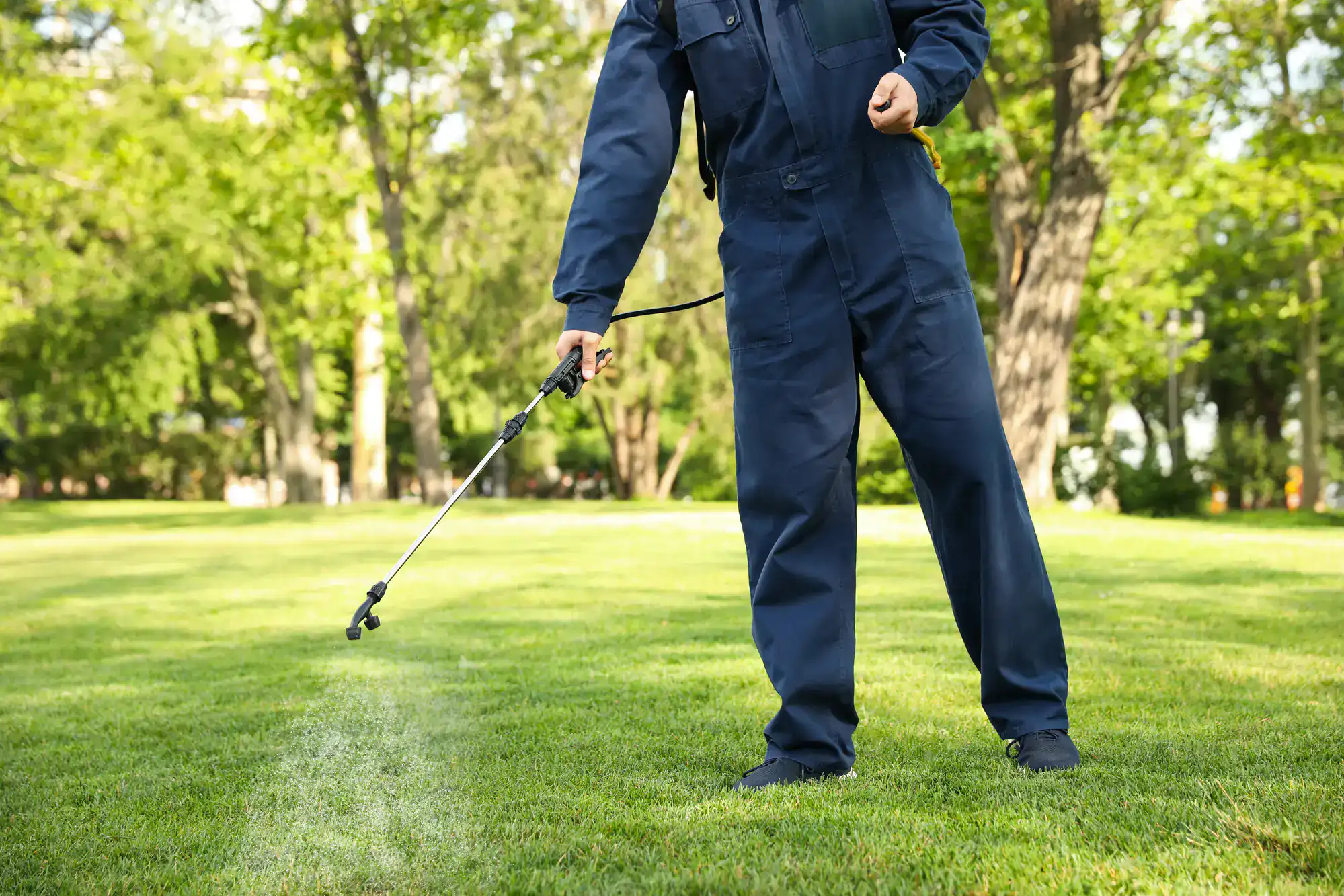
When your lawn is on a program built for your specific soil and conditions not copied from a template the difference shows up fast. Thicker turf. Better color that holds through summer heat. Fewer bare patches after a dry stretch. And no more wondering whether the company is actually going to show up.
For properties along the bluffs and coastal stretches of Shoreham, that matters more than most people realize. The wind off Long Island Sound pulls moisture out of turf faster than it would on an inland lot. Sandy soil drains nutrients before shallow roots can absorb them. A lawn care program that doesn’t account for those realities isn’t going to deliver the results you’re expecting no matter how many times a spreader shows up in your driveway.
What you’re really paying for when you hire the right lawn treatment company is a yard that reflects the investment you’ve made in your property. A home in Island Estates or Soundview Acres with a thin, patchy front lawn doesn’t match the property. A dense, healthy lawn does. That’s the outcome and it’s achievable when the program is right.
We’ve been treating residential lawns across Suffolk County since 1987, with deep roots in the North Shore communities between Port Jefferson Station and Wading River including Shoreham itself. That’s not a number thrown into a headline for effect. It means our team has worked through every variation of Long Island’s growing seasons, soil conditions, and pest pressures for nearly four decades. We know what coastal salt spray does to turf in September. We know how to read sandy soil and adjust nutrient timing accordingly. We know Shoreham.
Every technician on our crew is a NYS DEC-licensed pesticide applicator. That’s a state-regulated credential requiring real training and a passing exam not something every operator in this market can say. The fertilizer we use on your lawn isn’t pulled off a distributor shelf. It’s a custom blend we’ve developed specifically for Long Island’s sandy, fast-draining soil chemistry.
Five fully wrapped trucks run routes through the North Shore regularly. When one pulls into your driveway, you know exactly who’s there and what they’re doing. That level of accountability is something a lot of homeowners in Shoreham haven’t experienced with the companies they’ve tried before.
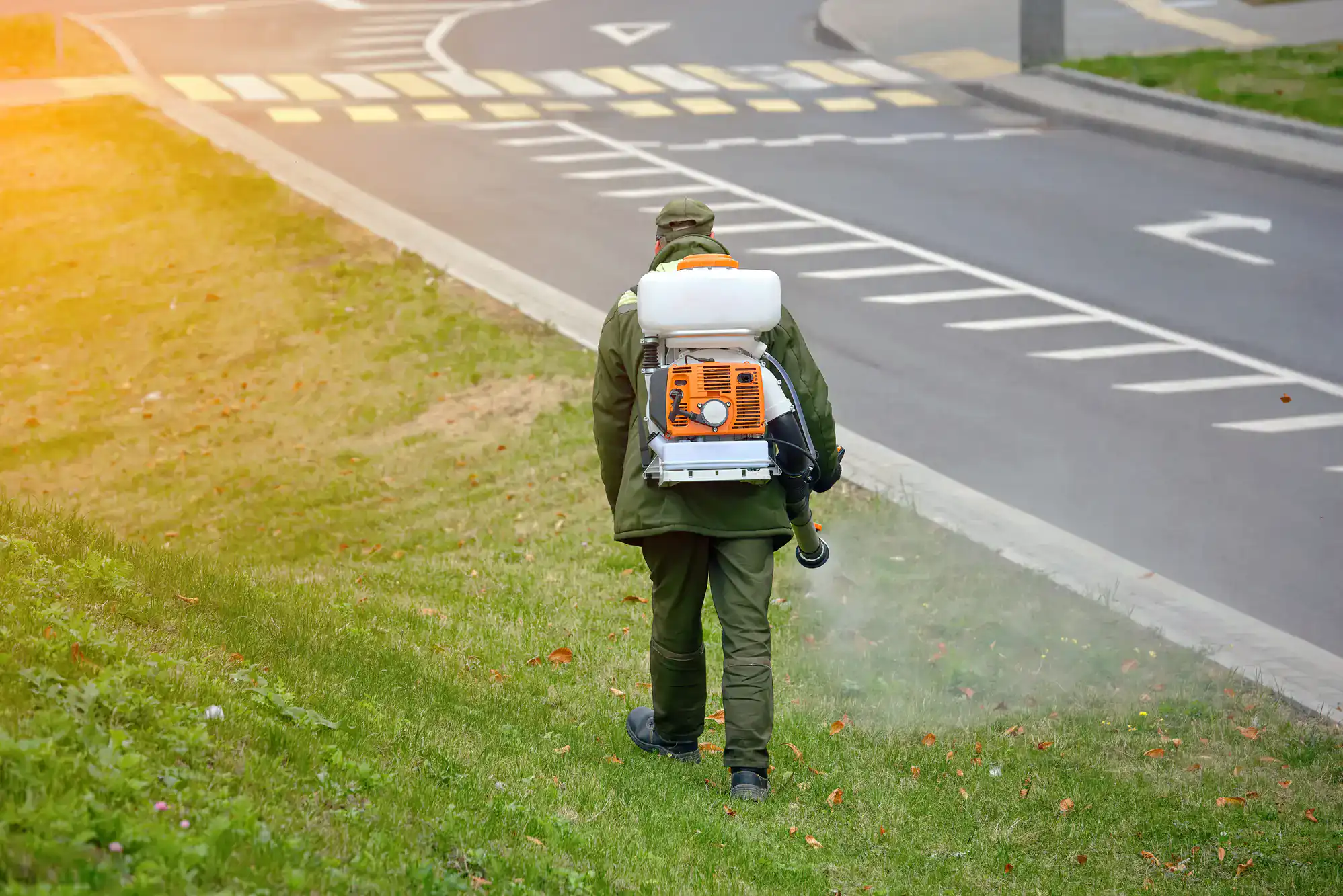
It starts with an assessment of your lawn not a sales pitch, but a real look at what’s going on. Grass type, soil condition, sun and shade exposure, weed pressure, proximity to the water, any history of prior treatment. A beachfront property on the bluffs of Shoreham has different needs than a shaded lot under mature oaks two streets inland, and we build the program accordingly.
From there, a treatment schedule is set up around Suffolk County’s seasonal windows. Fertilization resumes after the county’s November 1 through April 1 blackout period lifts, with pre-emergent crabgrass control timed to soil temperature typically mid-April on the North Shore. Summer applications focus on grub prevention and stress management, since Japanese beetle pressure is real throughout this area and preventive treatment in June and July is far more effective than trying to fix damage after it appears.
Fall is the most important window for Shoreham lawns. Core aeration and overseeding in September and October when cool-season grasses are actively growing and storing energy for winter is what separates lawns that come back strong in spring from ones that don’t. We use hydraulic aerators and seeders, which pull deeper cores and establish better seed-to-soil contact than the equipment most smaller operators bring to the job. The results are visible, and they compound year over year.
Ready to get started?
The core of what we deliver is a multi-application fertilization and weed control program, built around the specific demands of your lawn and calibrated for Long Island’s soil. Our custom-blended fertilizer is formulated for the sandy, fast-draining conditions common to North Shore properties which means nutrients are delivered at release rates the grass can actually use, rather than leaching through the root zone toward the Sound before they do any good.
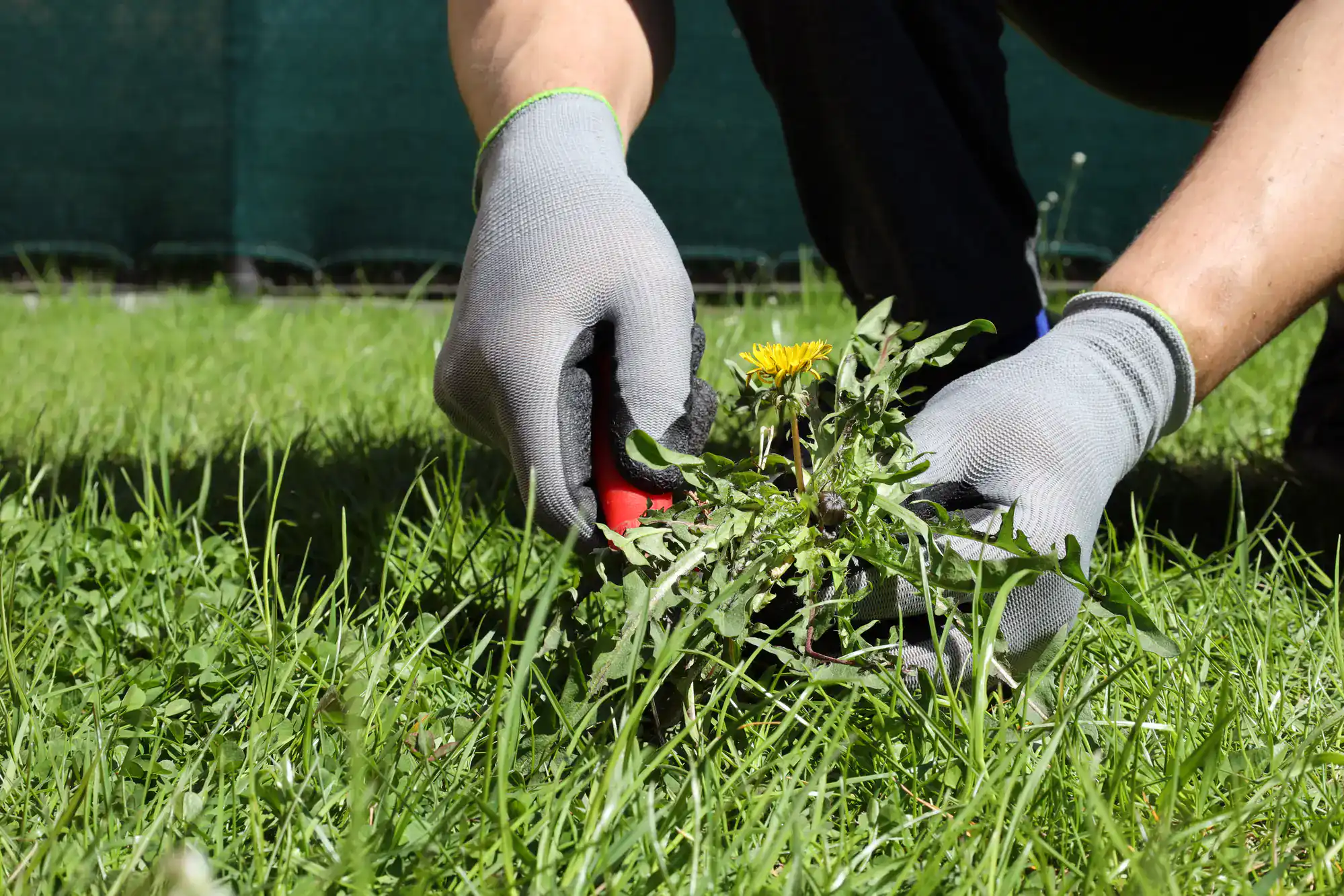
Beyond the base program, we handle the full range of what Shoreham lawns commonly need: targeted grub control, core aeration, overseeding with hydraulic equipment, nutgrass and bentgrass treatment, and full lawn restoration or new lawn installation from seed when a property needs more than a maintenance program can fix. If a prior company left your lawn in rough shape or if you’ve got a coastal property that’s never been on a proper program restoration is on the table.
Suffolk County’s fertilizer regulations and New York State’s phosphorus restrictions are followed precisely on every visit. For a village that sits directly on Long Island Sound, that’s not just a compliance checkbox it’s the responsible way to manage a lawn in an environmentally sensitive area. Every application is made by a licensed professional who knows the rules and the reasons behind them.
The combination of sandy soil and coastal wind exposure is the main culprit. Shoreham’s proximity to Long Island Sound means turf faces wind desiccation and occasional salt spray on top of normal summer heat stress and sandy soil drains moisture and nutrients faster than the grass can absorb them. Cool-season grasses like tall fescue and Kentucky bluegrass, which are standard on North Shore lawns, naturally slow down in summer heat. When the root system is shallow from compaction or poor soil, they have almost nothing to draw from during a dry stretch.
The fix isn’t complicated, but it does require the right timing. Core aeration in the fall opens up the root zone so air, water, and nutrients can actually penetrate. Overseeding fills in the thin areas with fresh grass before winter. A properly timed fertilization program one that accounts for the blackout period and the specific nutrient demands of sandy coastal soil gives the lawn what it needs to come back stronger the following spring. Most lawns that look rough every August are on programs that weren’t designed for Shoreham’s specific conditions.
Suffolk County has a fertilizer blackout period that runs from November 1 through April 1 no lawn fertilization is allowed during those five months, with fines up to $1,000 for violations. That means the active treatment window runs from early April through the end of October, and timing within that window matters a lot. The first application of the season needs to go down after the blackout lifts and before soil temperatures hit 55°F, which is roughly when crabgrass germinates typically mid-April on the North Shore.
After that, applications are spaced through the growing season based on what the lawn needs at each stage. Summer treatments focus more on pest and stress management than heavy feeding, since pushing growth during heat stress does more harm than good. The fall window September through October is when the most impactful fertilization happens, because cool-season grasses are actively growing and storing nutrients in their roots for winter. A program that gets the timing right makes a visible difference. One that doesn’t, even if it shows up on schedule, often leaves homeowners wondering why nothing seems to be working.
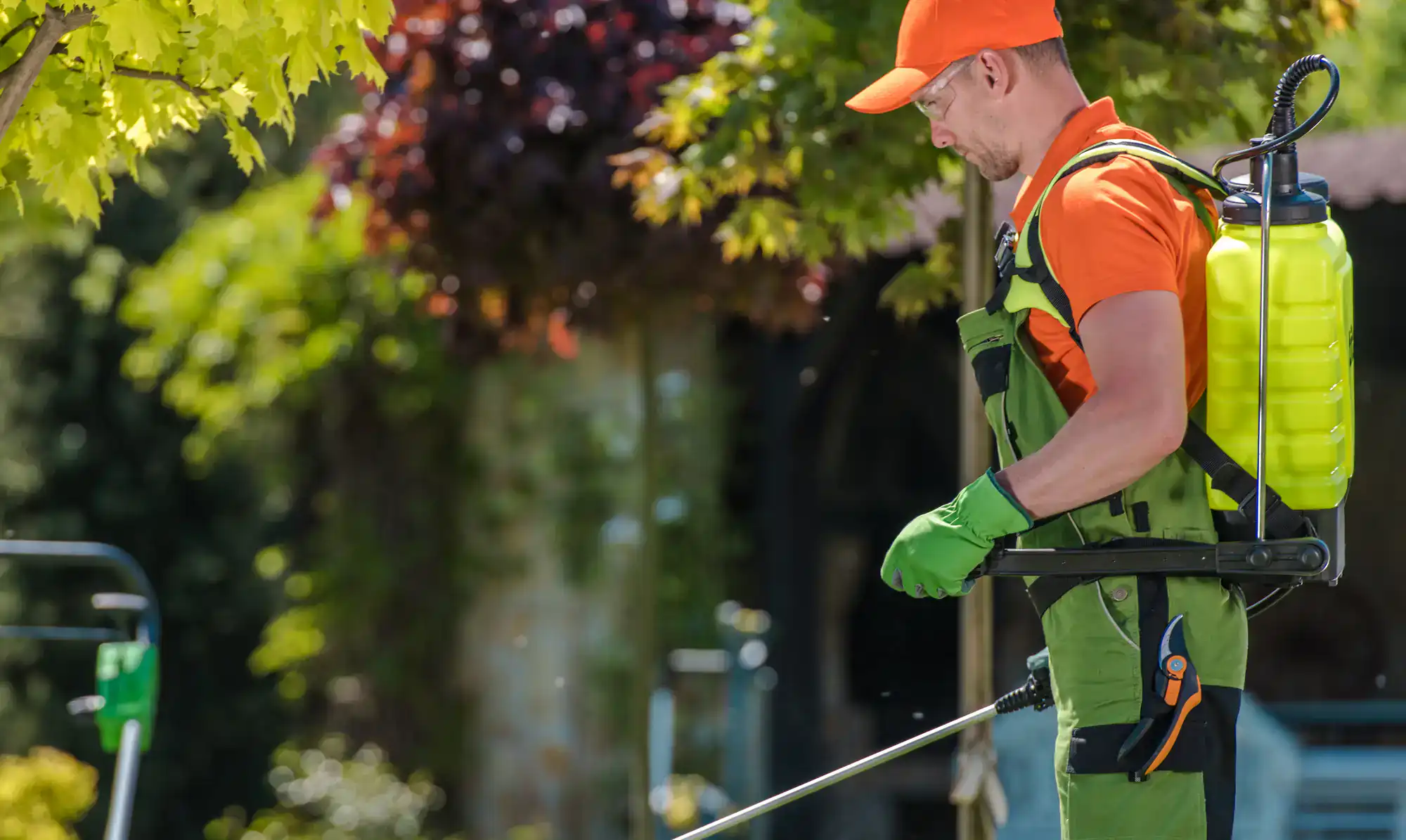
In New York State, any company applying pesticides or herbicides to turf for hire is required by law to employ NYS DEC-licensed pesticide applicators. That’s a 30-hour training requirement plus a passing score on a state exam not something you get from watching a few videos. A surprising number of operators in the market quietly don’t meet this standard, and homeowners often don’t find out until something goes wrong.
The practical difference shows up in application accuracy. A licensed applicator knows how to read a lawn, select the right product for the specific weed or pest pressure, and apply it at the correct rate for the soil type. On a sandy coastal property in Shoreham, over-application doesn’t just waste money nitrogen that moves through the root zone too quickly can end up in the groundwater or, given the village’s position on Long Island Sound, in the water itself. Under-application means you paid for a visit that didn’t do much. Getting it right requires training, and training is what the licensing requirement is designed to verify.
The honest answer is that it depends on how much healthy grass is actually left. If more than half of what’s growing in your lawn is weeds, dead material, or bare soil, a standard maintenance program is going to struggle to produce results you’d be fertilizing weeds and hoping for the best. At that point, a full restoration or new lawn installation from seed is usually the faster and more cost-effective path to a lawn that actually looks the way you want it to.
The situations that most often call for restoration in Shoreham are coastal properties that have dealt with years of salt spray and improper treatment, lawns damaged by grub activity that went untreated for a season or two, and properties where a previous company applied products incorrectly and left behind a stressed or chemically damaged turf. We handle full restoration and new lawn installation using hydraulic seeders, which establish dense, even coverage across large areas far more effectively than broadcast or hand-seeding methods. If you’re not sure which direction makes sense, an assessment of the property will give you a clear answer before any money changes hands.
A standard program is a fixed schedule of applications usually five or six visits per year applied the same way to every lawn regardless of what that lawn actually needs. It works fine on average lawns in average conditions. But Shoreham isn’t average conditions. A beachfront property on the bluffs has different sun exposure, wind stress, and salt spray challenges than a shaded lot under mature trees in the Estates section. A newly constructed home with disturbed subsoil needs a completely different approach than a 30-year-old lawn that’s been on programs for decades.
A custom program starts with an honest assessment of your specific grass type, soil condition, weed pressure, and history and we build the treatment schedule around what’s actually going on. That might mean a different fertilizer application rate to account for sandy soil drainage, a specific overseeding blend chosen for shade tolerance or salt resistance, or grub control timing adjusted based on what the property has dealt with in prior seasons. The outcome is a program that’s actually designed to work on your lawn, not one that was designed to be easy to sell at scale.
Salt spray is a real and ongoing stressor for turf on North Shore properties, particularly those close to the water or on elevated bluff lots where wind exposure is higher. Salt draws moisture out of grass blades through osmosis, which causes the same kind of desiccation stress you’d see during a drought except it can happen even when rainfall has been normal. Over time, repeated salt exposure thins out turf, weakens root systems, and creates the kind of bare patches that seem to come back no matter what you do.
The response isn’t a single treatment it’s a program designed with salt tolerance in mind from the start. That means selecting overseeding blends with grass varieties that hold up better under coastal stress, timing aeration to maximize root depth before the most exposed seasons, and applying fertilizer at rates calibrated for the faster soil drainage that sandy coastal lots experience. It also means knowing when to restore rather than maintain because a lawn that’s been salt-stressed for years without the right program may need a reset before it responds to treatment the way it should. These are the kinds of decisions that come from experience with North Shore properties specifically, not from a general lawn care handbook.
Useful Links
Other Services we provide in Shoreham