
Hear from Our Customers
When you live in East Shoreham, the woods aren’t just a backdrop. Rocky Point Pine Barrens State Forest pushes wildlife through from the southwest. Wildwood State Park feeds deer and mice in from the east. The Long Island Sound keeps everything humid and mild enough that ticks stay active longer here than most homeowners expect. That’s not a reason to give up on your yard it’s a reason to treat it the right way.
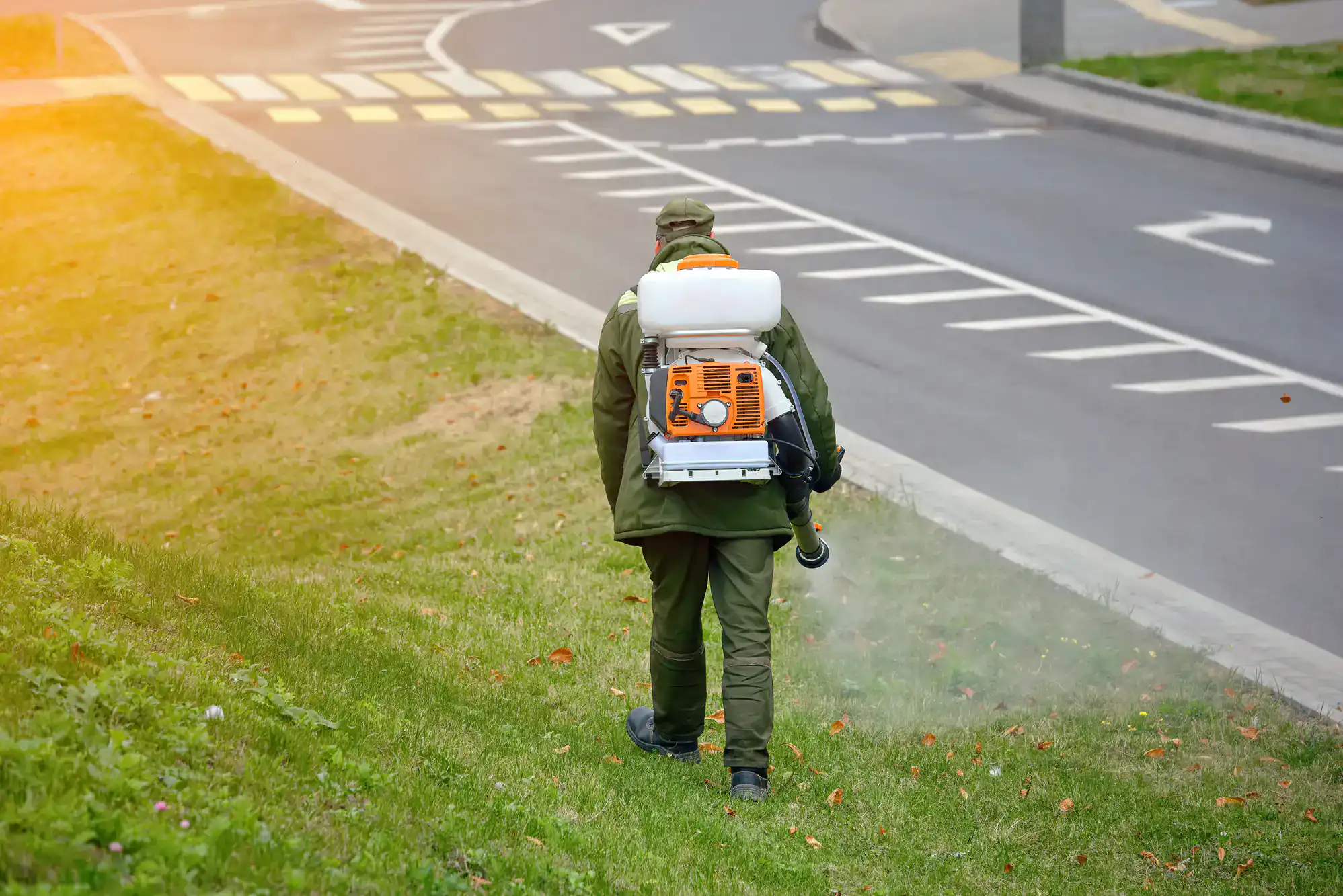
Most DIY sprays don’t fail because you applied them wrong. They fail because they’re lower-concentration than professional-grade products, they don’t include Insect Growth Regulators that break the flea life cycle, and they’re usually applied to the wrong areas. Ticks don’t live in the middle of your lawn. They live in the leaf litter along your fence line, under your deck, and in that 20-to-30-foot transition zone where your grass meets the tree line exactly where a store-bought spray rarely reaches.
After professional treatment, you stop doing the mental math every time your kids head outside. Your dog runs the yard without a tick check becoming a ritual. The backyard you invested in and the private beach lifestyle you moved to East Shoreham for actually gets used. That’s the outcome. Not just fewer ticks, but the freedom to stop thinking about them.
We’ve been treating Suffolk County lawns since 1987. That’s not a tagline it’s a verifiable fact. We were already operating when the Shoreham Nuclear Power Plant was still standing, and we’ve been serving the North Shore communities around East Shoreham ever since. Rocky Point, Wading River, Sound Beach, Miller Place these aren’t new service areas added to a map. They’re neighborhoods we’ve worked in for decades.
Every job comes with owner-level expertise, not a rotating crew that’s different every visit. Our technicians applying treatment to your East Shoreham property are NYSDEC-licensed pesticide professionals not labor sent out to spray and move on. That distinction matters in New York State, where commercial pesticide application legally requires a certified applicator. We meet that standard on every single job.
You’ll also recognize our trucks. Five fully wrapped professional vehicles on the road across Suffolk County because a company that’s been here since 1987 shows up like it intends to stay.
It starts with a property assessment, not a generic quote. East Shoreham lots are not the same as a half-acre in Holbrook. Wooded borders, shaded perimeters, ornamental beds, and the deer runs that cut through yards adjacent to state forest land all factor into how a treatment program gets designed. What works on an open suburban lot doesn’t automatically translate to a property that backs up to the Pine Barrens.
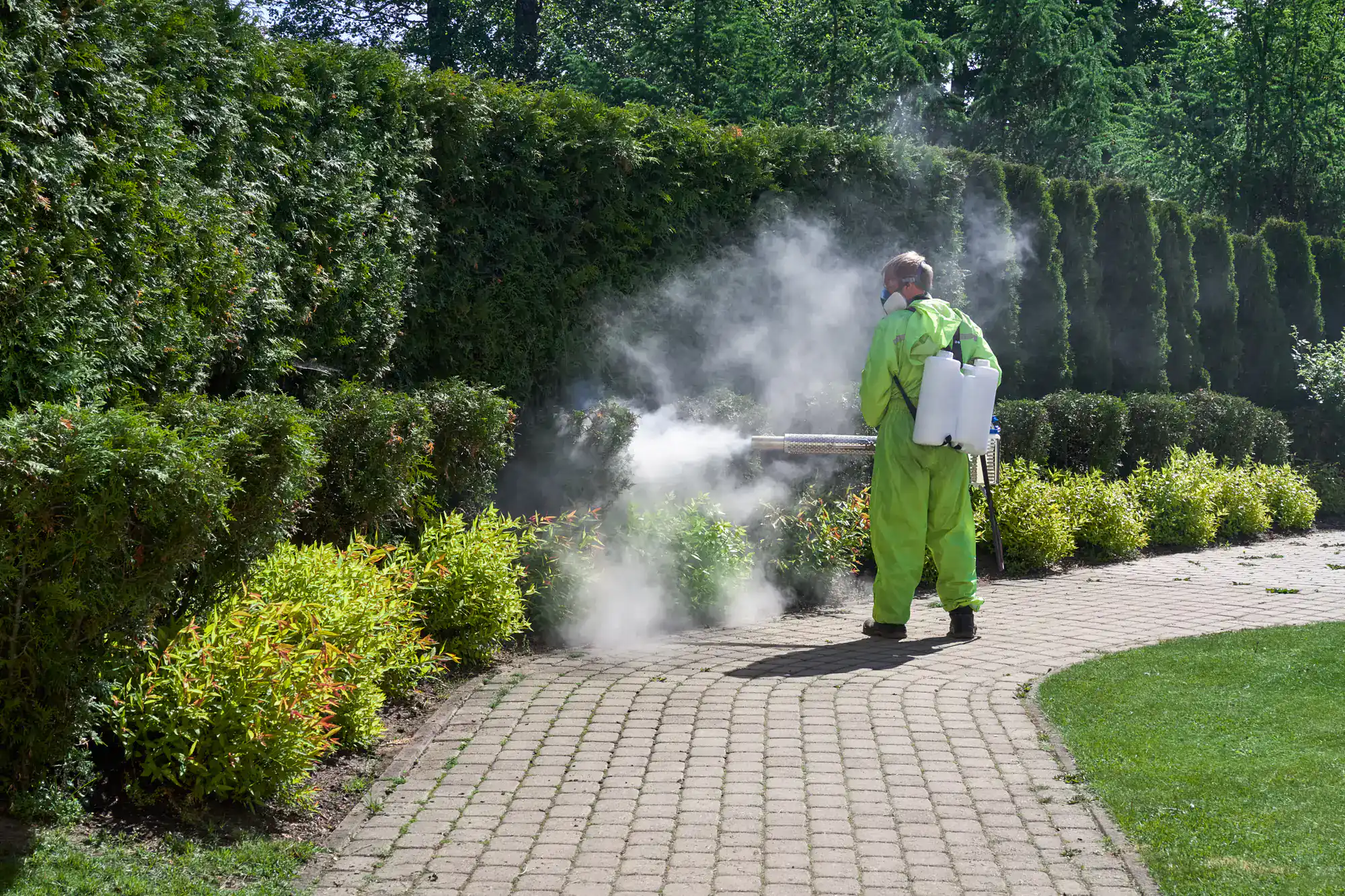
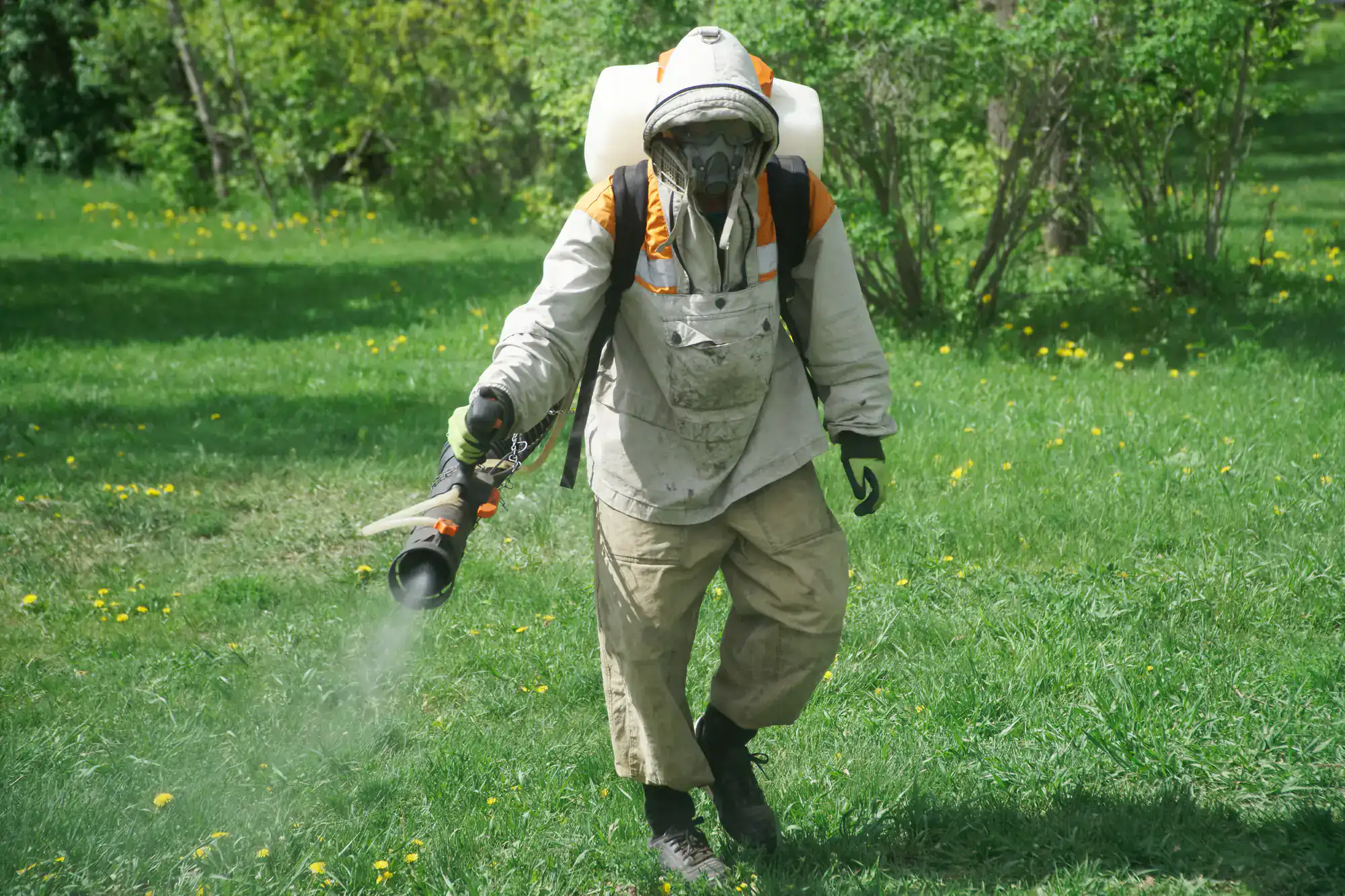
Once the assessment is done, we target the specific zones where fleas and ticks actually live not just the open lawn. That means the leaf litter along your property edge, the shaded areas under decks and along fence lines, and the critical transition zone between your grass and the tree line. Professional-grade products are applied by a licensed technician, and re-entry is typically safe within 30 to 60 minutes of the treatment drying.
On the North Shore, tick season doesn’t follow the simple spring-to-fall window most homeowners assume. Adult blacklegged ticks activate when temperatures hit 35 to 40 degrees which can happen during February and March warm spells near the Sound. Nymphal ticks peak in May and June. Adults surge again in September and October. Lone star ticks, increasingly common across Long Island, stay active into late fall. Your program is scheduled around that actual calendar, with applications every three to four weeks through peak season and fall treatments timed to address the second adult surge before winter.
Ready to get started?
Every competitor you’ll find in an East Shoreham search is a pest control company full stop. They spray for ticks and leave. We do something none of them can: we integrate flea and tick control into a full lawn health program that includes fertilization with a custom-blended formula made specifically for Lawn Master, hydraulic aeration, overseeding, and lawn restoration when needed. Why does that matter for pest control? Because a properly aerated, fertilized lawn with healthy turf density is structurally less hospitable to fleas and ticks than a neglected one. You’re not just suppressing a population you’re improving the conditions that determine whether it comes back.
Our flea and tick program uses professional-grade products applied by NYSDEC-licensed technicians to the harborage zones that actually matter: the wooded transition areas, the shaded perimeters, the spots along your fence line and under your deck where ticks aggregate regardless of what you spray in the open yard. For East Shoreham properties near Brookhaven State Park or along the Route 25A corridor, that targeted approach is the difference between a treatment that holds and one that doesn’t.
Scheduling is handled through seasonal reminders so you’re never guessing when your next application is due. Online credit card invoice payment means no checks, no callbacks, no friction. One company, one accountable team, handling everything from your lawn’s health to the pests that threaten your family’s ability to enjoy it.
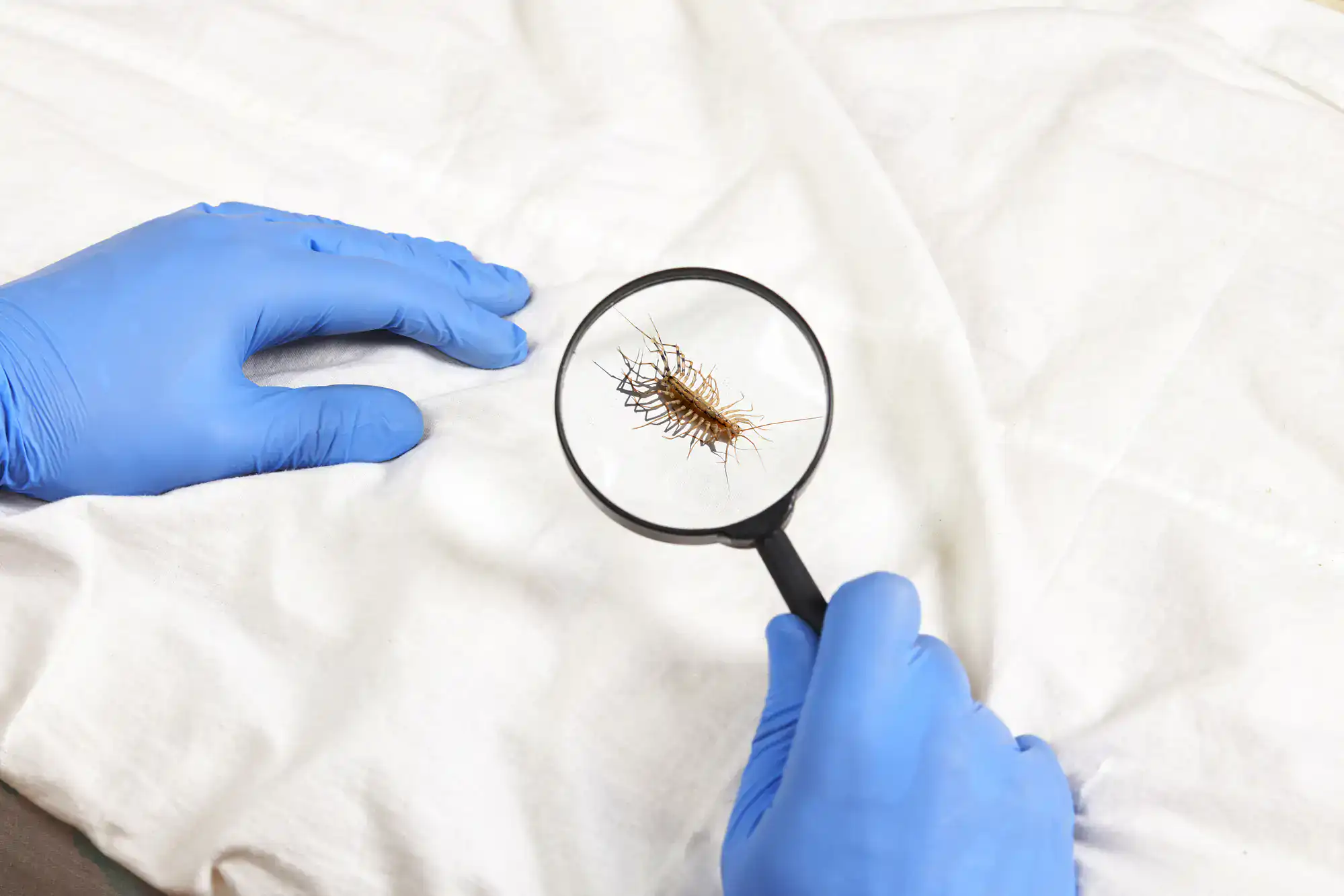
East Shoreham is genuinely one of the higher-risk environments on Long Island, and it’s not close. The hamlet sits between Rocky Point Pine Barrens State Forest and Brookhaven State Park to the south and southwest, Wildwood State Park in Wading River to the east, and the Long Island Sound to the north. That combination coastal moisture, multiple state-managed wildlife areas, and high deer pressure from three directions simultaneously creates tick habitat that’s more intense and more sustained than most of Suffolk County experiences.
A Columbia University study found that 56% of ticks on Long Island carry Lyme disease, and the Suffolk County Department of Health Services has noted that North Shore infection rates may run even higher than the island-wide average. Suffolk County also has the highest rate of babesiosis-carrying ticks in New York State, with 17% of nymphal ticks infected more than double Connecticut’s rate. In 2023, New York State reported 19,052 Lyme disease cases, a 146% increase in a single year. For East Shoreham residents with wooded lots and kids who play outside, those numbers aren’t abstract.
The honest answer is that DIY tick sprays work just not as well, not as long, and usually not in the right places. Store-bought products are lower-concentration than what we apply as licensed professionals, and most homeowners spray the open lawn because that’s what’s visible. But ticks don’t live in the middle of your lawn. They live in the leaf litter along your fence, under your deck, and in the shaded transition zone where your grass meets the woods and that’s exactly where most DIY applications miss.
The other issue is the flea side of the equation. Breaking the flea life cycle requires Insect Growth Regulators that aren’t in most consumer products. Without them, you’re killing adult fleas and watching the eggs hatch two weeks later. Our treatment addresses the full life cycle, not just the adults you can see. For an East Shoreham property with wooded borders and proximity to state forest land, the difference between a professional program and a hardware store spray isn’t marginal it’s the difference between a yard that stays usable and one you’re retreating every few weeks with diminishing results.
Earlier than most people think, and more often than most people schedule. On Long Island’s North Shore, the coastal climate from the Sound moderates winter temperatures enough that ticks survive in larger numbers and activate earlier in spring. Adult blacklegged ticks can become active when temperatures hit 35 to 40 degrees Fahrenheit which happens during warm spells in February and March near the Sound. Waiting until May means you’ve already missed the first adult activity window.
The general framework for a North Shore property like those in East Shoreham: first application in early April, maintenance treatments every three to four weeks through peak season, and a fall application in September or October to address the second adult tick surge. Lone star ticks, which are increasingly common across Long Island, remain active into late fall so the season doesn’t end when summer does. A minimum of three applications per season provides baseline control. Six applications through the full active season is what consistent, season-long protection actually looks like in a high-pressure environment like East Shoreham.
This is the question almost every East Shoreham parent asks, and it deserves a straight answer. Professional-grade tick treatments applied by licensed technicians are targeted to the specific zones where ticks and fleas live not broadcast-sprayed across your entire yard indiscriminately. Once the treatment dries, re-entry is typically safe within 30 to 60 minutes. Our technician will give you a specific window based on what was applied and where.
The more useful comparison is this: the risk of a tick-borne illness Lyme disease, babesiosis, Rocky Mountain Spotted Fever, or ehrlichiosis, all of which are documented in the East Shoreham area involves weeks of antibiotics, specialist visits, and potential long-term joint or neurological complications. The risk from a professionally managed, properly applied pesticide treatment applied by a NYSDEC-licensed technician is orders of magnitude lower. The families who moved to East Shoreham for its schools, its safety, and its outdoor lifestyle are making a reasonable trade-off when they choose professional treatment. The alternative doing nothing in one of Long Island’s highest tick-pressure environments carries significantly more real-world risk.
A standalone exterminator treats for pests and that’s it. Spray, invoice, done. What they can’t do is address the lawn conditions that make your property more or less hospitable to ticks and fleas in the first place. We integrate pest control into a broader lawn health program fertilization with a custom-blended formula, hydraulic aeration, overseeding because a properly maintained, healthy lawn with good turf density is structurally less attractive to pests than a thin, thatch-heavy one. You’re not just suppressing a population; you’re changing the environment that sustains it.
For East Shoreham homeowners with premium properties and established landscaping, that integrated approach also means one company handling your lawn’s health from the ground up, rather than a pest control crew and a separate lawn care crew making independent decisions about the same property. One team, one program, one point of accountability. We’ve been doing exactly that in Suffolk County since 1987 and no standalone exterminator in the East Shoreham market can offer both sides of that equation.
Fencing and mowing both help at the margins, but neither one solves the problem on an East Shoreham property. A standard fence doesn’t stop deer and deer are the primary host for adult blacklegged ticks. If deer are moving through your neighborhood from the Pine Barrens or along the Long Island Sound corridor, they’re dropping ticks on your property line whether or not there’s a fence. Short grass does reduce tick habitat in the open lawn, but the areas where ticks actually concentrate leaf litter, shaded perimeters, the transition zone between your lawn and any wooded border aren’t affected by mowing.
The white-footed mouse is the primary reservoir for Lyme disease bacteria, and it doesn’t care about your fence or your mowing schedule. Mice move freely through residential properties and are the reason nymphal ticks the most dangerous stage, small enough to go unnoticed for days are so prevalent in wooded suburban areas like East Shoreham. Professional treatment targeting the specific harborage zones where ticks actually live is what fills the gap that fencing and mowing leave open. In a community surrounded by state forest land and wildlife corridors on multiple sides, those gaps matter.
Useful Links
Other Services we provide in East Shoreham