
Hear from Our Customers
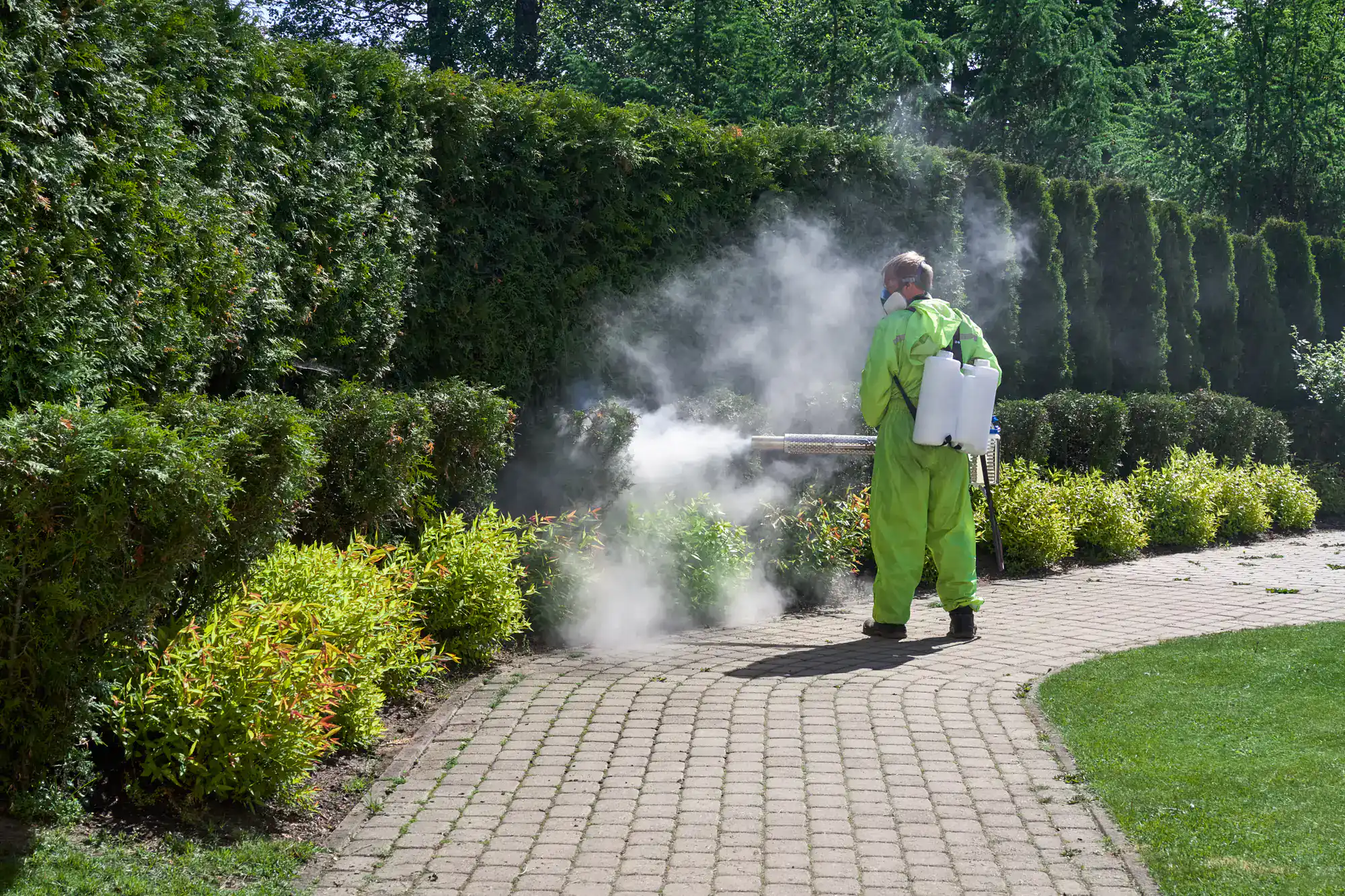
Finding a tick on your kid or your dog changes things fast. What was just a backyard becomes something you’re second-guessing every time the door opens. That’s not a good way to live, especially in Lake Grove, where residents have invested real money into their homes and actually want to use their outdoor space.
Lake Grove’s residential lots many with mature tree lines, wooded borders, and established landscaping create exactly the kind of shaded, moist environment where ticks concentrate. Properties along wooded corridors near Stony Brook Road and similar areas throughout the village aren’t just scenic. They’re prime tick habitat. A properly timed, properly applied treatment program changes that equation without you having to think about it every season.
What you get on the other side is simple: kids playing outside without a tick check every hour, pets in the yard without the anxiety, and a lawn that’s been treated by someone who actually knows what they’re doing. That’s the outcome. No drama, no overselling just a yard that works for your family again.
We’ve been operating in Suffolk County since 1987. Not Long Island broadly. Not the tristate area. Suffolk County which means Lake Grove, the communities along Route 347, the Brookhaven Town neighborhoods, and everything in between have been our focus for nearly four decades.
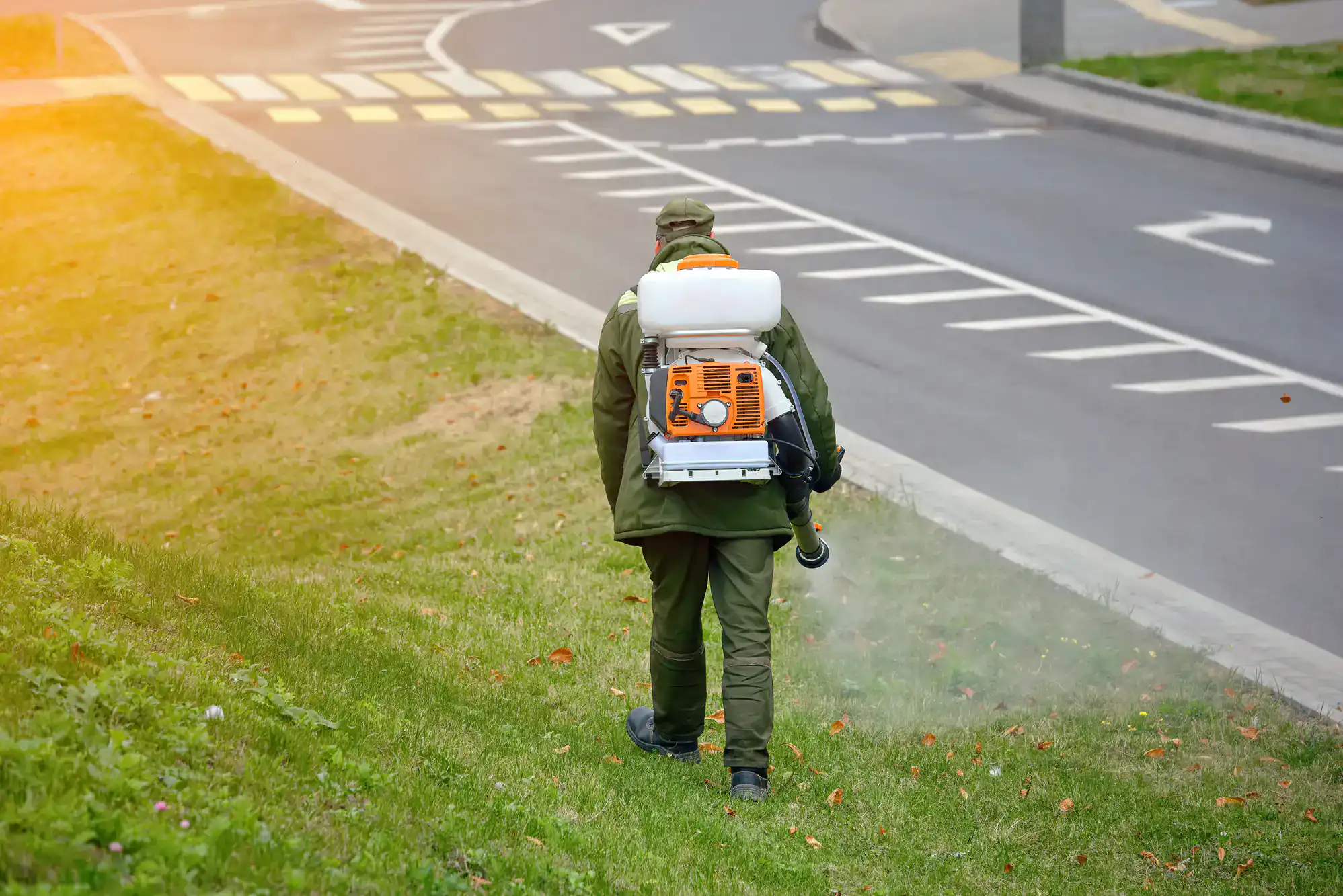
Every technician who treats your Lake Grove property holds a NYSDEC Commercial Pesticide Applicator license. That’s a New York State requirement for commercial pesticide application, and it’s one a lot of companies quietly skip. You won’t find labor-only crews on our jobs. You’ll find licensed professionals who know the difference between a perimeter spray and a treatment that actually addresses where ticks live on your specific property.
We run a fleet of five fully wrapped trucks you’ve probably already seen on Nesconset Highway. That visibility isn’t an accident it’s what 37 years of consistent, accountable service looks like in the real world.
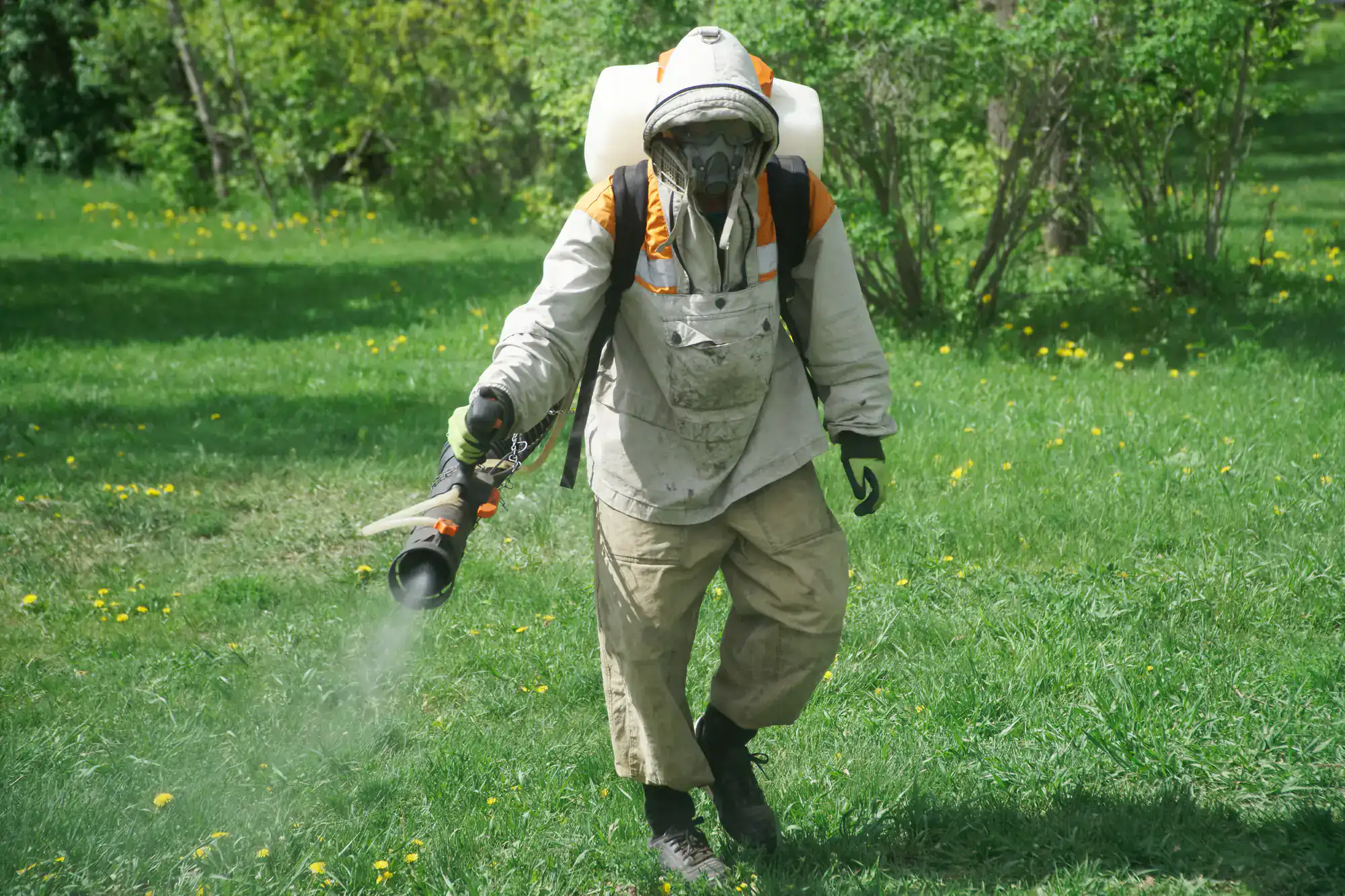
It starts with understanding your property. Lake Grove lots vary more than people realize a quarter-acre open yard near the Route 347 corridor has a very different tick pressure profile than a half-acre wooded lot backing up to a tree line. Before any product goes down, we look at your specific harborage zones: the border between your mowed lawn and the wooded edge, the areas under your deck, along fence lines, in leaf litter, and around ornamental beds. That’s where ticks actually live. That’s where the treatment needs to go.
On Long Island, tick season isn’t a single window it runs in phases. Nymphal deer ticks surge from May through June and are nearly impossible to spot before they bite. Adult blacklegged ticks have a second peak in September and October. A single treatment doesn’t cover both. Our seasonal programs are structured around this timeline, starting in April and running through fall, so you’re covered through every active phase not just the one you happened to notice.
After each application, you’ll receive a heads-up on re-entry timing and what to expect next. Seasonal reminders keep the schedule on track without you having to manage it. Online invoice payment means no checks, no phone tag just a straightforward process from start to finish.
Ready to get started?
A one-time flea treatment for your yard is better than nothing, but it won’t hold through both of Long Island’s major tick activity peaks. What actually works is a seasonal program multiple applications timed to the spring nymphal surge, the summer flea season, and the fall adult tick resurgence. We build programs around that full window, not a single visit that leaves you exposed by August.
Every application targets the zones that matter most on your Lake Grove property: the 20-to-30-foot buffer along wooded borders where tick density is highest, shaded ornamental beds, leaf litter accumulation areas, and any ground-level harborage zones specific to your lot. For Lake Grove properties with mature landscaping the kind of established shrubs and tree cover common throughout the village this targeted approach makes a real difference compared to a blanket spray that stops at the edge of your mowed lawn.
Fleas get addressed in the same program. Flea populations peak in warm, humid conditions which describes a Long Island summer precisely. If your pets are bringing fleas in from the yard, the yard is where the problem gets solved. We also use a custom-blended product formulation specific to our programs, not off-the-shelf consumer-grade product. The difference in concentration and application method is significant, and it’s part of why professional treatment outperforms what you’d pick up at a hardware store on Route 347.
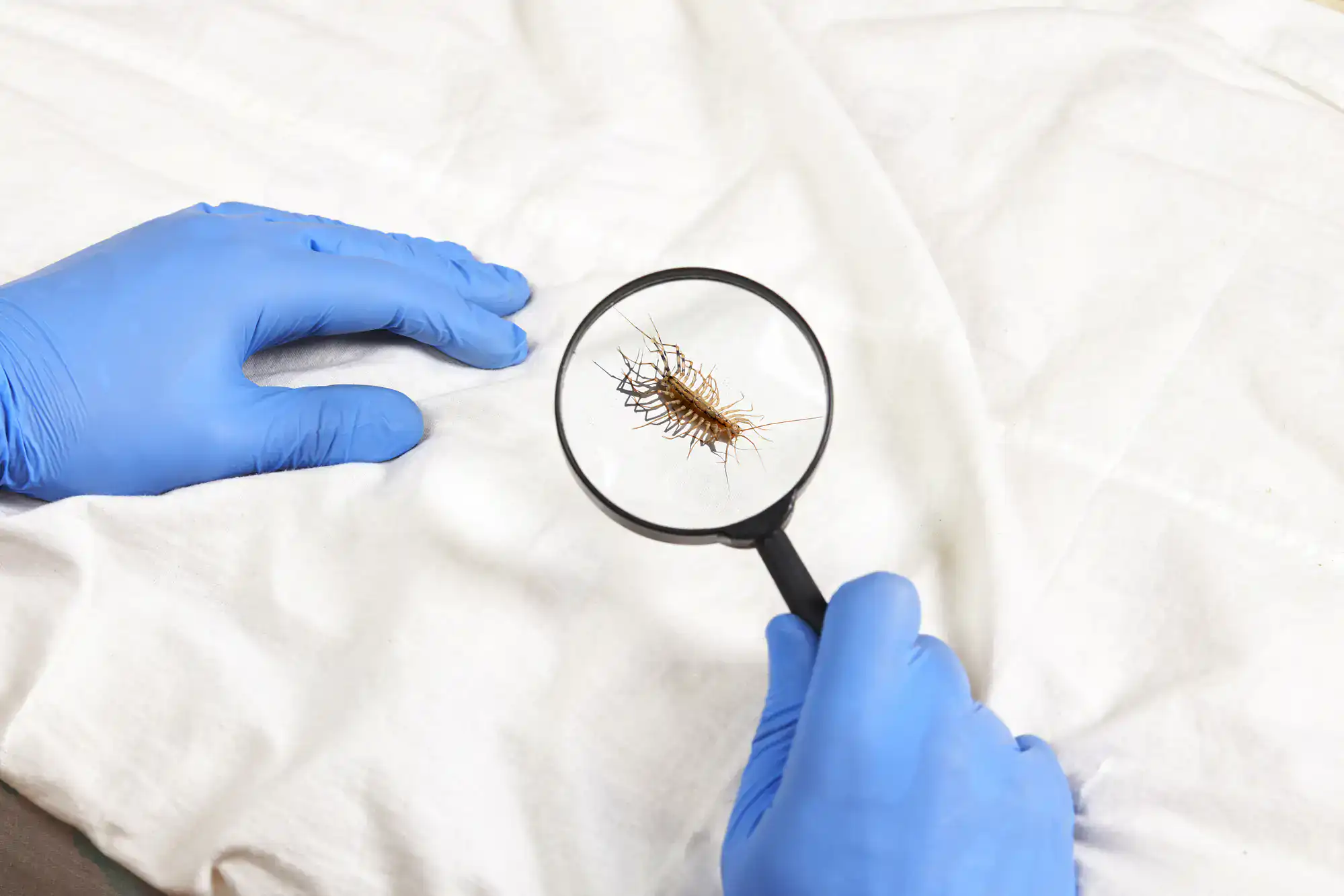
It’s not a theoretical risk it’s a documented one. Brookhaven Town, where Lake Grove is located, is one of the confirmed blacklegged tick concentration zones in Suffolk County. A Columbia University study found that 56% of ticks on Long Island carry the bacterium that causes Lyme disease. Suffolk County reports around 500 confirmed Lyme cases annually, and actual infection rates are estimated to be several times higher because many cases go undiagnosed or unreported.
Beyond Lyme, ticks in this area also carry babesiosis and, in rare cases, Powassan virus a neurological disease with no treatment. The risk profile here isn’t just Lyme. It’s a range of tick-borne illnesses that are genuinely present in the communities along the Brookhaven Town corridor. For families with children and pets spending time in the yard, professional tick control isn’t a luxury it’s the kind of preventive measure that makes sense when you understand what’s actually out there.
Earlier than most people think. On Long Island, adult blacklegged ticks become active when temperatures consistently clear 35 to 40 degrees Fahrenheit which can happen as early as late February or March in a mild year. By the time most Lake Grove homeowners start thinking about tick season in May, the nymphal surge is already underway. Nymphal deer ticks are the size of a poppy seed, nearly invisible before they bite, and responsible for the majority of Lyme disease transmissions.
The professional standard for a Lake Grove property is to start treatment in early April, ahead of the nymphal peak, and continue through October to cover the fall adult tick resurgence. Waiting until you notice a problem means you’ve already missed the most important treatment window of the year. Our programs are structured around this seasonal timeline specifically so you’re covered from the start not playing catch-up after the fact.
This is the question we hear most often, and it’s a fair one. The short answer is yes once the treatment has dried, your yard is safe for children and pets to re-enter. Drying typically takes 30 to 60 minutes depending on conditions. We’ll give you a clear re-entry window after every application so there’s no guessing.
The longer answer is that product safety depends heavily on who’s applying it and how. Our technicians are NYSDEC-licensed pesticide professionals not general labor crews who were handed a sprayer. They’re trained on proper application rates, safe handling, and how to treat your property in a way that’s effective without being reckless. Consumer-grade products from a hardware store aren’t necessarily safer they’re just less concentrated, which is part of why they don’t work as well. A licensed professional using the right product at the right rate, applied correctly, is the safest and most effective approach available.
Because tick season on Long Island isn’t a single event it runs in two distinct phases with different species active at different times. Nymphal deer ticks peak in May and June. Adult blacklegged ticks have a second major surge in September and October. Lone star ticks are active through the summer. Fleas peak in warm, humid conditions that persist through August and into early fall. One application, no matter how well done, cannot cover all of that.
There’s also a reinfestation factor specific to suburban Suffolk County properties. White-tailed deer are abundant throughout Brookhaven Town, and they’re constantly reintroducing ticks into residential yards. A single treatment gets knocked back every time a deer walks through your property line. A seasonal program with timed reapplications maintains protection through the entire active window which is the only way to actually stay ahead of the problem rather than reacting to it.
Yes, and it’s one of the more underappreciated parts of tick management. Ticks thrive in specific conditions: thatch buildup, excessive moisture, dense leaf litter, and overgrown lawn edges. These are also the conditions that result from a lawn that isn’t being properly maintained. A well-aerated, properly fertilized lawn with clean edges and reduced thatch is a less hospitable environment for ticks and fleas not because the grass repels them, but because the microclimate changes.
This is where our integrated approach makes a real difference. We handle both the pest control side and the lawn health side fertilization, aeration, seeding, and weed control which means we can address the underlying conditions that make your Lake Grove property attractive to pests in the first place. A standalone exterminator can spray your yard. They can’t also improve the turf health that affects how quickly the problem returns. That combination is something most lawn care or pest control companies can’t offer, because most of them only do one or the other.
The most straightforward difference is accountability. National chains and franchise operations dispatch technicians from a rotating pool you rarely get the same person twice, and when something goes wrong, you’re dealing with a call center. We’ve been operating in Suffolk County since 1987, and this is our only market. We’re not managing service areas across three states. We’re focused on the communities we’ve been serving for nearly four decades, including Lake Grove and the surrounding Brookhaven Town area.
The licensing piece matters too. Every one of our applicators holds a NYSDEC Commercial Pesticide Applicator certification. That’s a legal requirement in New York State for commercial pesticide application, and it’s one that not every company operating in this area actually meets. Beyond credentials, our programs use a custom-blended product formulation made specifically for Lawn Master not the same off-the-shelf product that a national chain sources in bulk. If you’ve used a large company before and felt like you were getting a generic service delivered by someone who didn’t know your property, that’s the experience we’re built to replace.
Useful Links
Other Services we provide in Lake Grove