
Hear from Our Customers
When your lawn is patchy, brown, or just refusing to come back after a rough summer, it affects more than the view from your front window. In Lake Grove, where median home values are pushing $600,000 and property taxes run around $10,000 a year, your yard is part of what you’re paying to maintain. A lawn that’s visibly struggling doesn’t just bother you it quietly works against the investment you’ve already made.
The central Suffolk County climate doesn’t make it easy. Cool-season grasses like tall fescue and Kentucky bluegrass thrive here in spring and fall, but July and August are brutal. Add in the compacted soil that’s common in established Lake Grove neighborhoods many of which were built out in the post-WWII and 1960s era and you’ve got conditions that stress turf from the surface down to the roots. When grub activity hits on top of that, what looked like a drought problem in August can turn into a genuinely dead lawn by September.
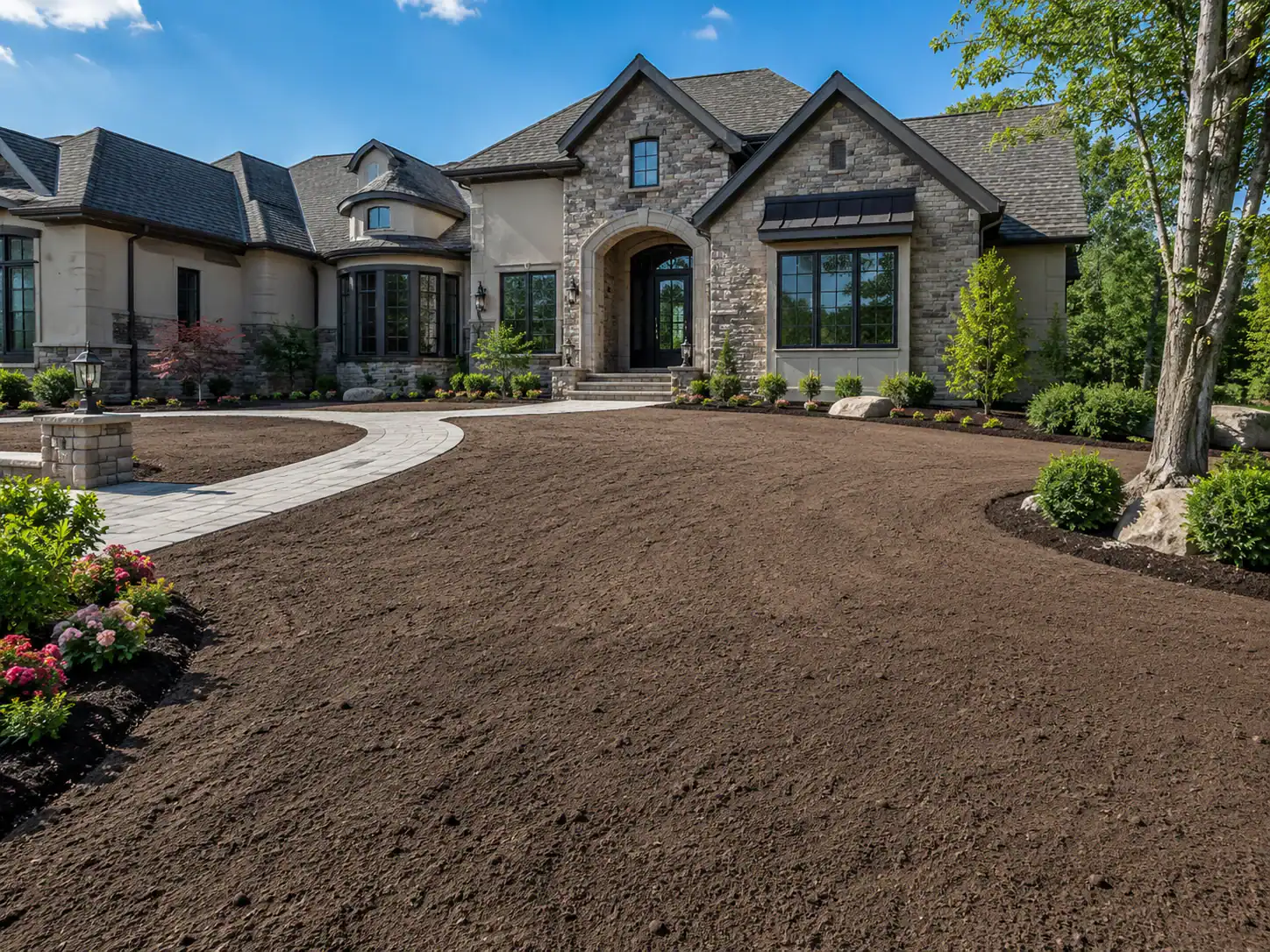
Restoration brings your existing lawn back to health rather than tearing it out and starting over. That means addressing what actually went wrong soil compaction, pH imbalance, root damage, thatch buildup and then rebuilding from there. When it’s done right, the results hold. You’re not reseeding the same bare patches every spring.
We’ve been operating in Suffolk County since the late 1980s. That’s not a marketing number it means we’ve worked through every drought cycle, every grub pressure spike, and every soil condition this part of Long Island has produced. We’ve restored lawns in Lake Grove, Centereach, Stony Brook, Lake Ronkonkoma, Nesconset, and across the Brookhaven Town area for nearly four decades.
We’re NYS-licensed, which matters more than most homeowners realize. Suffolk County sits above a sole-source aquifer that supplies Long Island’s drinking water. Every fertilizer and pesticide application we make is fully compliant with DEC regulations and Suffolk County environmental requirements. That’s not optional here it’s how responsible lawn care works in this county.
When you call us, you’re not getting a national franchise running a generic program. You’re getting a team that knows Haven Loam soil, knows the grub patterns in Brookhaven Town, and knows exactly when to seed on Long Island and when not to. We understand Lake Grove’s specific challenges: the post-war residential development patterns that created compacted soils, the Japanese beetle populations that spike every summer, and the seasonal windows that actually work for cool-season grass establishment in this region.
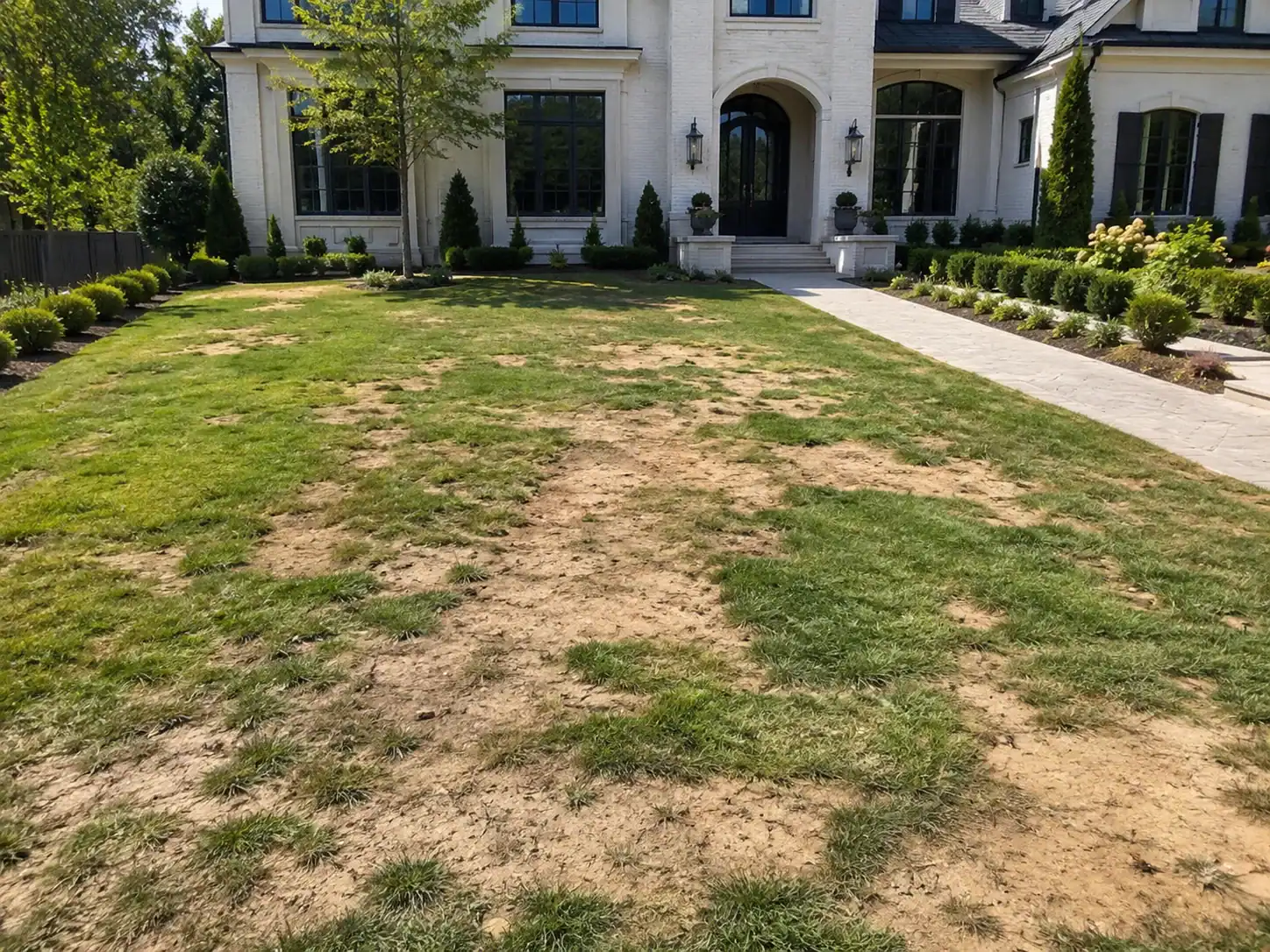
It starts with a site visit and a real diagnosis. Before anything gets applied or seeded, we look at your soil, your turf, and what’s actually causing the problem. In Lake Grove, that could be compaction from years of use on older residential lots, pH drift from inadequate liming, grub damage from Japanese beetle populations that are consistently high across this part of Suffolk County, or even road salt migration from runoff near the Route 347 and Middle Country Road corridors. The cause shapes everything that comes next.
Once we know what we’re dealing with, we correct the soil first. That typically means core aeration to break up compaction, lime applications to bring pH back into range, and in some cases compost top-dressing to restore organic matter that’s been depleted over time. Skipping this step is why so many reseeding attempts fail new seed put into unhealthy soil doesn’t establish the way it should.
Then comes the seeding. We use slice seeding rather than basic overseeding for most restoration work, because it cuts through thatch and places seed directly into the soil where it can actually germinate. Fall is the optimal window for this on Long Island late August through mid-October, when soil temperatures are still warm but air temps have dropped below the stress threshold. After seeding, we support establishment through the first growing season with timed follow-up fertilization and monitoring. This is a program, not a one-time visit.
Ready to get started?
Lawn restoration is not the same as lawn renovation. Restoration means bringing an existing lawn back to health working with the turf you have, correcting what went wrong underneath it, and rebuilding density and color through targeted treatment. Renovation means tearing out what’s there and starting from scratch. If your lawn genuinely needs a full rebuild, we’ll tell you that honestly and can handle it but that’s a different conversation and a different page. Most Lake Grove lawns we assess are candidates for restoration, not replacement.
What’s included in a restoration program depends on what the diagnostic assessment finds. Core aeration is almost always part of it, given how common compaction is on established properties in this area. Slice seeding follows once the soil is ready. pH correction through lime applications is standard for most Suffolk County lawns, where acidic soil is a consistent issue. Grub damage assessment and targeted soil repair are added when the root zone has been compromised which happens regularly in Brookhaven Town given the Japanese beetle pressure here.
Throughout the program, we work within NYS DEC and Suffolk County environmental guidelines on every application. For Lake Grove homeowners near the Nesconset Highway corridor or properties with low-lying areas prone to runoff, that compliance isn’t just a formality it’s the difference between a responsible program and one that creates problems down the line. You get a clear scope, honest expectations on timeline, and follow-up built into the process from the start.
Restoration means rehabilitating the lawn you already have. The goal is to identify what caused the damage whether that’s soil compaction, pH imbalance, grub activity, or drought stress correct those underlying conditions, and then reseed and rebuild density in the existing turf. It’s the right approach when your lawn still has a viable base to work with, even if it looks rough.
Renovation is a full rebuild. It involves killing off or removing what’s there and starting over with new seed or sod. That’s the right call when the lawn has deteriorated beyond what restoration can recover, or when the soil and turf profile need to be completely reset. In Lake Grove, where many properties have mature, established lawns that have just been through a few bad seasons, restoration is often the better and more cost-effective path. We assess your specific lawn before recommending either direction, and we won’t push renovation if restoration is genuinely the right answer.
In most cases, yes it can be saved. The key is figuring out what’s actually wrong. A lawn that looks dead after a hard Suffolk County summer isn’t always dead at the root level. Drought-stressed turf goes dormant and can recover with the right soil correction and seeding program. Grub-damaged areas are a different story when Japanese beetle larvae chew through the root zone, the turf above doesn’t come back on its own. But even grub-damaged sections can be restored once the soil is assessed and prepared correctly.
The honest answer is that we don’t know until we look at it. Some Lake Grove lawns we assess are strong candidates for restoration with a single-season program. Others have compaction or pH issues so severe that we need to correct the soil first before seeding will take. A small percentage genuinely need renovation. We’ll give you a straight assessment after the site visit not a sales pitch for the most expensive option.
If the restoration is timed correctly which on Long Island means a late-summer or early-fall start you should see meaningful germination and fill-in within three to four weeks of seeding. By the end of the fall growing season, a well-executed restoration program produces visible density improvement across most of the treated area. Full recovery, meaning a lawn that looks consistently thick and healthy through the following spring and summer, typically takes one complete growing cycle.
The timing piece matters a lot in this region. Cool-season grasses like tall fescue and perennial ryegrass the dominant varieties in Lake Grove have a specific establishment window. Seed put down in the fall has warm soil to germinate in, a full cool season to root, and goes into winter with a head start. Seed put down in spring often gets overwhelmed by summer heat before it’s established. We schedule restoration programs around Long Island’s actual growing calendar, not a generic national template.
The most common causes we see on Lake Grove properties are grub damage, soil compaction, and pH imbalance often in combination. Japanese beetle and European chafer grub populations are consistently high across the Brookhaven Town area, and grub activity in late summer is one of the leading drivers of lawn restoration calls in this part of Suffolk County. The damage often isn’t obvious until September, when the dead turf starts to pull back and you realize the roots are gone.
Compaction is the other major factor. Many Lake Grove neighborhoods were developed in the post-WWII and 1960s–1970s building booms, and those soils have been under residential use for decades. Foot traffic, equipment, and years without aeration create conditions where air, water, and nutrients can’t reach the root zone effectively. Properties along the Route 347 corridor also deal with road salt migration from winter treatments, which can cause sodium toxicity in lawns near the edges of those lots. Identifying the actual cause not just the symptom is where every restoration program starts.
The cost of lawn restoration in Lake Grove depends on the size of the area being treated, the extent of the damage, and what the soil assessment reveals. A targeted restoration program for a moderately damaged lawn covering aeration, slice seeding, and lime application typically runs in the range of several hundred to over a thousand dollars for a standard residential lot. Properties with significant grub damage, severe compaction, or widespread bare patch coverage will require more extensive soil correction work, which affects the final scope and cost.
The best way to get an accurate number is through a site visit and assessment. We look at your soil, your turf condition, and the underlying causes before we quote anything. Lake Grove homeowners at this price point with homes valued near $600,000 and property taxes around $10,000 a year are generally investing in a program that holds, not a cheap fix that needs to be repeated every season. We’ll give you a clear scope and honest pricing after we’ve actually seen the lawn.
Fall is genuinely the better window for restoration on Long Island, and it’s not a close call. Cool-season grasses the varieties that perform best in Lake Grove’s climate germinate most successfully when soil temperatures are still warm but air temperatures have dropped. That window runs roughly from late August through mid-October in this part of Suffolk County. Seed put down during that period establishes before winter, roots through the dormant season, and comes out of spring in far better shape than seed applied in March or April.
Spring seeding isn’t worthless, but it’s a race against the clock. You’re seeding into soil that’s still cold, and the new grass has to establish and harden off before the heat of July and August arrives. In a dry summer which Lake Grove sees regularly spring-seeded turf often thins out or fails before it’s had a full season to root. If you’re looking at a damaged lawn right now and wondering whether to wait until fall or act in spring, the honest answer is that fall gives you a much better return on the investment.
Useful Links
Other Services we provide in Lake Grove