
Hear from Our Customers
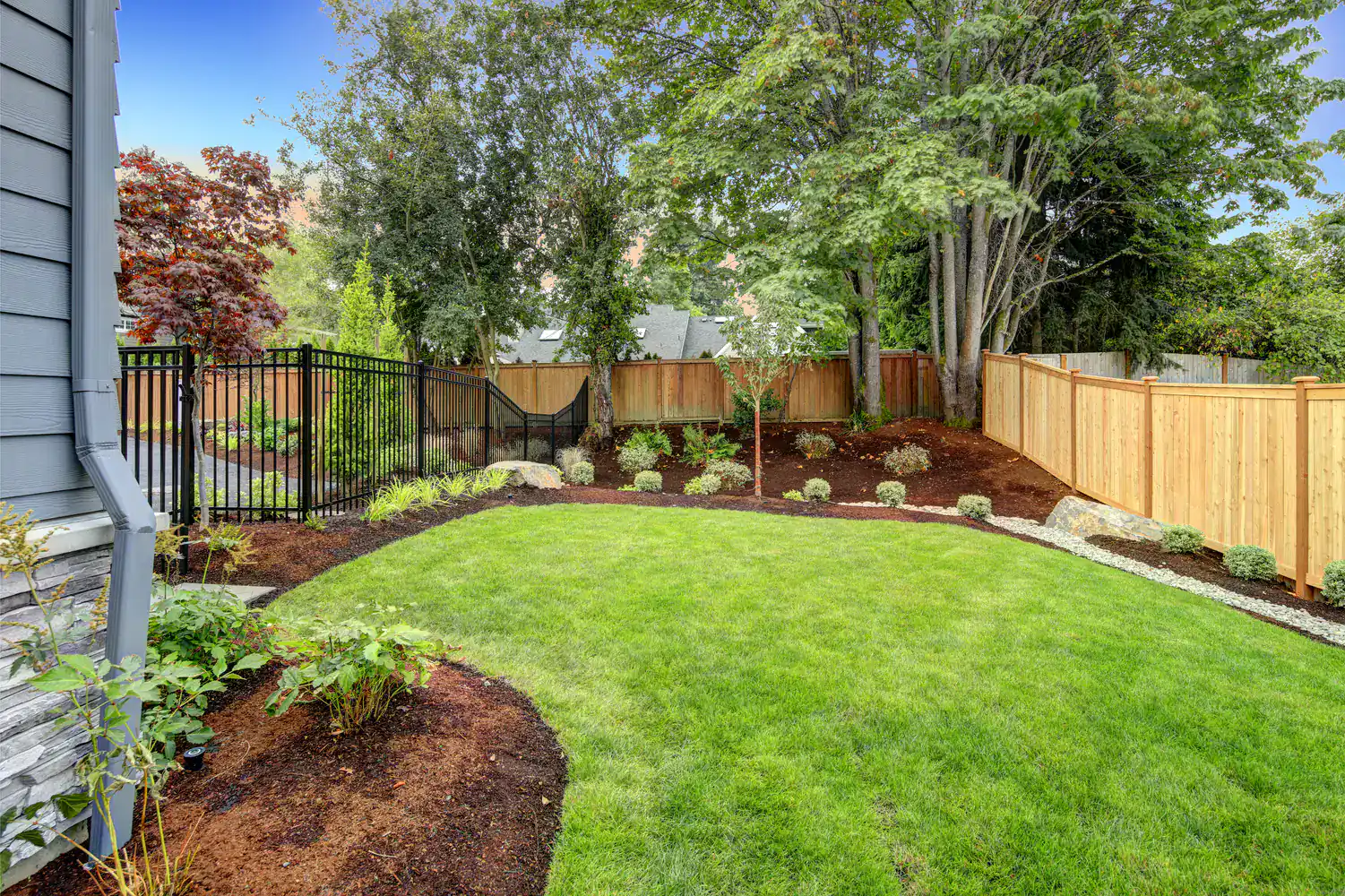
A property in Dix Hills commands a certain standard. The homes here sit on generous lots, surrounded by mature trees and rolling terrain and when the lawn doesn’t match the rest of the property, it shows. After a full lawn renovation, you get consistent coverage, a clean edge-to-edge look, and a lawn that holds up through the seasons instead of dying back every July.
A lot of Dix Hills properties have mature tree canopy that creates deep shade zones the kind where nothing seems to grow no matter what you try. Proper renovation addresses that directly: the right shade-tolerant grass varieties, amended soil to offset years of acidic leaf litter buildup, and a realistic plan for what those areas can actually support. That’s a different outcome than what a standard overseeding program delivers.
The other thing that changes after a real renovation is the soil itself. Most lawns in Dix Hills haven’t had their soil properly addressed in decades if ever. Suffolk County’s sandy loam drains fast and leaches nutrients quickly, which means surface-level treatments never quite stick. Once the soil is corrected and the root zone is healthy, the lawn stops being a recurring problem and starts being something you can actually maintain.
We’ve been doing this work in Suffolk County since 1994. That’s over thirty years of working on Long Island lawns through drought summers, grub outbreaks, and the full range of what this climate throws at cool-season turf. The company was founded on lawn renovation as a specialty, not as an add-on to a long service menu.
Dix Hills is not a simple market to work in. The wooded lots near West Hills County Park, the hilly terrain, the properties along Vanderbilt Parkway with 50-year-old lawns that have never had a true rebuild these aren’t situations a national brand handles well. They require someone who knows this county, knows these soils, and has actually solved these problems before on properties just like yours.
We’re a fully licensed pesticide applicator, operating in compliance with Suffolk County’s fertilizer regulations and the Town of Huntington’s application requirements. When you hire a professional here, that licensing matters both legally and for your property’s long-term health.
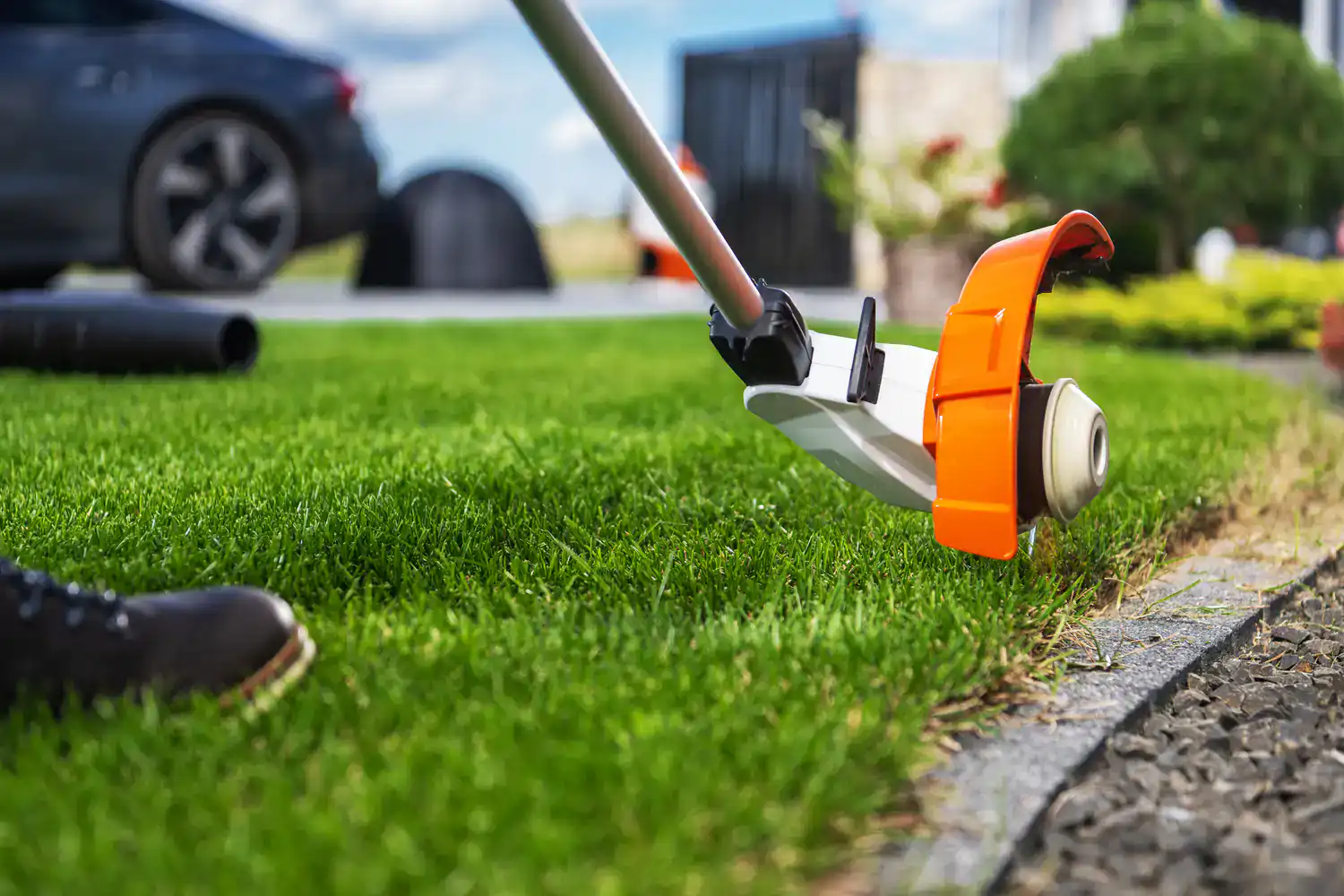
It starts with an honest look at what’s actually going on. Before anything gets applied or seeded, we assess the lawn soil compaction levels, pH balance, thatch depth, weed pressure, and what’s causing the bare or damaged areas in the first place. On a Dix Hills property, that often means identifying shade stress from mature tree canopy, grub damage that destroyed the root zone, or soil that’s been compacted and pH-imbalanced for so long that new seed never had a real chance.
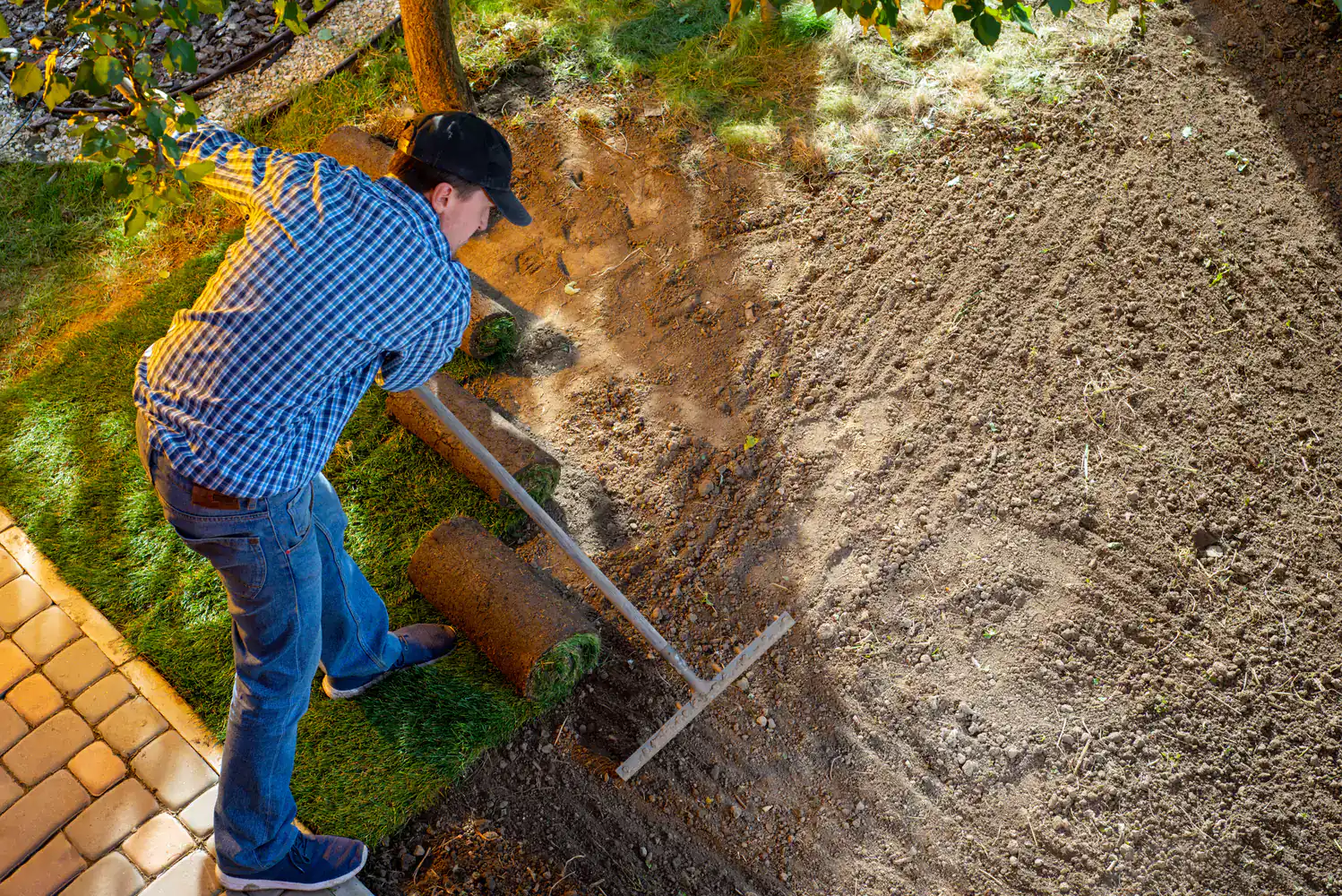
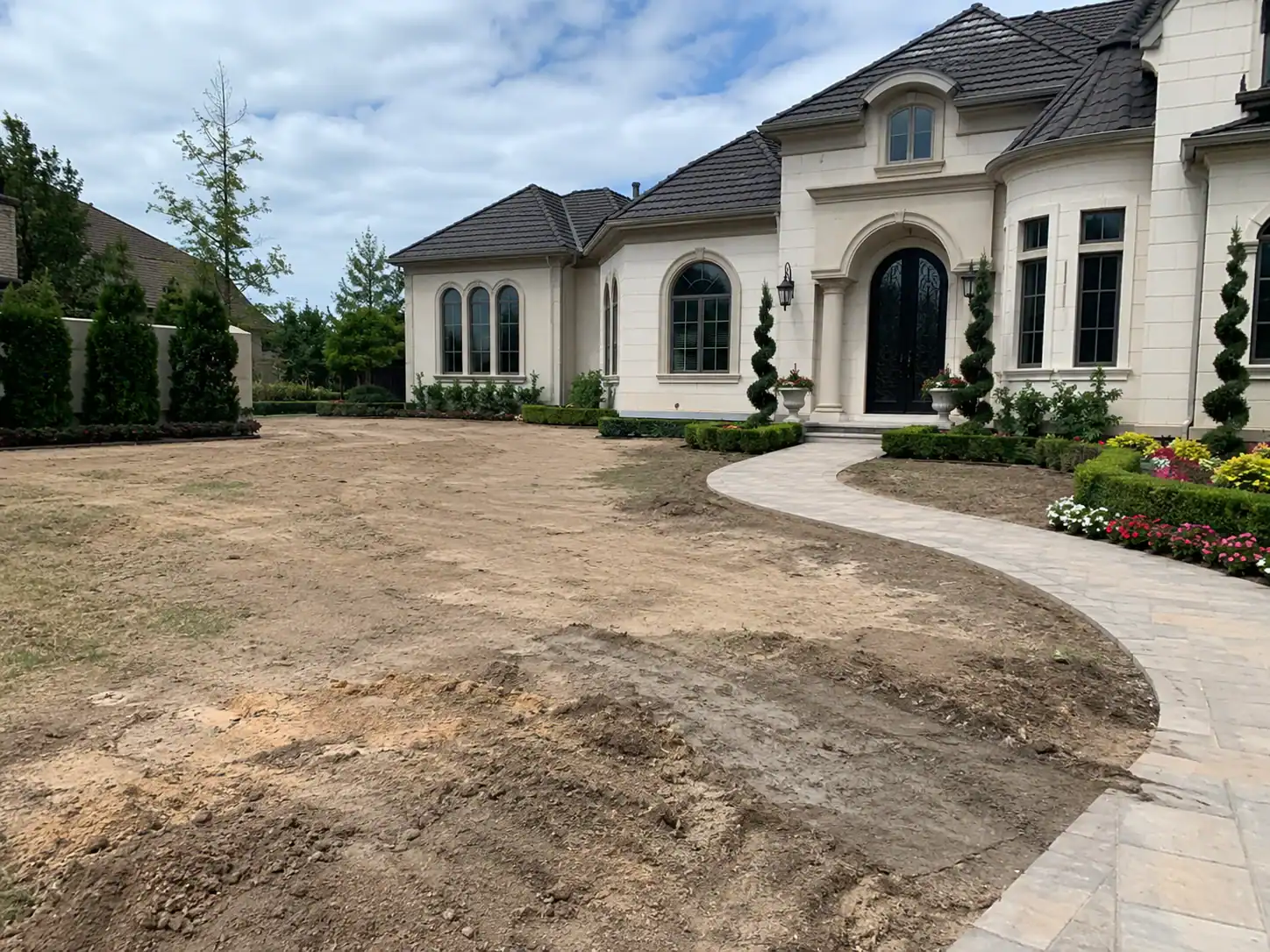
From there, the soil gets prepared. That means core aeration to relieve compaction, pH correction where needed, and clearing out the dead or weed-dominated turf that’s been holding the lawn back. This is the step most companies skip and it’s exactly why their results don’t hold. Once the seedbed is properly prepared, we use power seeding equipment that drives seed into direct soil contact, not just scattered over the surface.
Timing matters here too. In Dix Hills, the primary renovation window runs from late August through October, when soil temperatures hit the 50–65°F range that cool-season grasses need to germinate reliably. Fall renovation also avoids the crabgrass competition that makes spring seeding so difficult on Long Island. If you’re thinking about a renovation, the time to plan is now the fall window fills up, and waiting until the lawn is already in decline costs you another full year.

Ready to get started?
Most lawn care companies can aerate and overseed. That’s a surface treatment useful for maintenance, but not enough when a lawn has genuinely failed. We offer the complete renovation process: soil assessment, pH correction, weed elimination including nutsedge and bentgrass control, power seeding with professional-grade cool-season varieties matched to your specific conditions, starter fertilization, and follow-up guidance to protect the investment you just made.
For Dix Hills properties specifically, the renovation plan accounts for the things that make this area unique. Shade-tolerant variety selection for wooded lots. Slope-appropriate seeding methods for properties on the rolling terrain near West Hills. Grub damage protocols for lawns where the root zone has already been compromised. Suffolk County’s fertilizer blackout period December 1 through April 1 factors into the scheduling, and all applications are handled in compliance with local regulations so there are no surprises.
The scope of your renovation depends on what your lawn actually needs. Some properties need targeted rebuilding in specific zones. Others need a full overhaul from the front curb to the back fence. Either way, the process is the same: fix what’s underneath first, then establish turf that can actually survive and thrive. A lawn renovation in Dix Hills typically runs between $0.75 and $4.00 per square foot depending on the scope, condition, and size of the property and on a Dix Hills lot, that investment protects something worth protecting.
This is one of the most common frustrations we hear from homeowners in Dix Hills, and it has a straightforward explanation. The mature tree canopy that defines so many properties here oak, maple, Norway spruce creates shade conditions that standard grass varieties simply can’t survive in long-term. When a general lawn service overseeds those areas with a standard sun-and-shade blend, the grass may germinate and look okay for a few weeks, but it thins out and disappears once the canopy fills back in.
The fix requires two things working together: the right variety selection and the right soil preparation. Fine fescues and shade-tolerant tall fescue varieties are specifically bred for low-light conditions and perform meaningfully better under tree canopy than standard blends. But variety alone isn’t enough the soil under those trees is often acidic from years of leaf litter accumulation and depleted from root competition. That needs to be corrected before new seed goes down. When both pieces are addressed properly, you can get real, lasting coverage in areas that have failed repeatedly before.
Overseeding is adding seed to an existing lawn usually after aeration to fill in thin areas and improve density. It works well when the underlying lawn is basically healthy and just needs a boost. Lawn renovation is a different process entirely. It’s for lawns where the underlying conditions soil compaction, pH imbalance, heavy thatch, weed invasion, or root zone damage have made it impossible for grass to establish and hold regardless of how much seed gets thrown down.
In Suffolk County, the sandy loam soils drain fast and leach nutrients quickly, which means a lawn that hasn’t had its soil properly addressed will keep failing even with repeated overseeding. Renovation starts by correcting those soil-level problems first: aeration, pH adjustment, weed elimination, and proper seedbed preparation. Then we use power seeding to drive professional-grade seed into direct soil contact rather than scattering it over thatch. The result is a lawn that actually establishes and holds not one that looks good for a few weeks and reverts by July. If you’ve overseeded the same areas more than once without lasting results, renovation is the next step.
Fall is the right window for a full lawn renovation in Dix Hills specifically late August through October. That’s when soil temperatures drop into the 50–65°F range that cool-season grasses like tall fescue, Kentucky bluegrass, and perennial ryegrass need to germinate reliably. Fall also works in your favor because crabgrass and summer annual weeds are dying off, which means new seedlings aren’t competing against aggressive weed pressure the way they would in spring.
Spring renovation is possible for targeted bare patch repairs, but it comes with real tradeoffs. Any pre-emergent herbicide you’d normally use to control crabgrass can’t be applied when you’re seeding, so you’re either giving up weed control or giving up your seeding window. That’s a difficult position on Long Island, where crabgrass pressure is significant. For a full renovation especially on a larger Dix Hills property where you’re investing real money fall is the window that gives new turf the best chance of establishing strong roots before summer heat arrives. The fall schedule fills up, so planning ahead in summer is the smart move.
Lawn renovation in Dix Hills typically runs between $0.75 and $4.00 per square foot, depending on the scope of work, the current condition of the lawn, and the size of the area being renovated. For a property with a 10,000 to 15,000 square foot lawn which is common in Dix Hills given the lot sizes here a complete renovation can range from roughly $7,500 to $22,500 or more for a full rebuild. Targeted renovation in specific zones will come in lower.
The range exists because not every lawn needs the same level of intervention. A lawn with moderate thinning and manageable soil issues is a different project than one with severe grub damage, heavy nutsedge invasion, or soil that hasn’t been amended in decades. The only way to get an accurate number is to have the lawn assessed directly what looks like a straightforward overseeding job sometimes has underlying problems that change the scope significantly. What’s worth keeping in mind on a property in this price range: a well-maintained lawn consistently adds 5–15% to resale value. On a $1.2 million Dix Hills home, that’s not a small number.
That’s a grub problem, and it’s more common on Long Island than most homeowners realize until it happens to them. Japanese beetle grubs feed on grass roots from late summer through fall, and when the infestation is significant, they destroy the root zone entirely. The turf above looks like it’s just drought-stressed at first irregular brown patches that don’t respond to watering. But when you try to pull up the turf and it lifts like a loose rug, the roots are gone.
Once grub damage reaches that level, no amount of fertilizer or overseeding will fix it. The root system that held the turf in place no longer exists, and new seed scattered over dead, rootless turf won’t establish. The correct approach is to treat the grub infestation first, then renovate clear the damaged turf, prepare the soil, and power seed with professional-grade varieties into a properly prepared seedbed. Trying to overseed over grub-damaged ground is one of the most common reasons renovation attempts fail. If you’re seeing this pattern on your Dix Hills property, a renovation assessment is the right first call.
Yes and this is worth paying attention to, because these are two of the most difficult turf problems on Long Island and most lawn care companies either misidentify them or don’t have the right protocols to treat them effectively. Nutsedge, often called nutgrass, spreads through underground nutlets and rhizomes and is essentially immune to standard broadleaf herbicides. If you’ve had a lawn service apply weed control and watched the light-green, fast-growing patches come right back, that’s likely why. Bentgrass creates a low-growing, off-color mat that crowds out desirable turf and is very difficult to eliminate without affecting the surrounding lawn.
Both problems require specialized treatment timing, the right herbicide chemistry, and a follow-up renovation plan to restore the turf after the invasive species has been eliminated. In Dix Hills, where many properties have mature, established lawns that have never had a true renovation, nutsedge and bentgrass invasions often go unaddressed for years because homeowners don’t know what they’re dealing with and the companies they’ve hired don’t either. We specifically offer nutsedge and bentgrass control as part of the renovation process which means if either of these is part of your lawn’s problem, there’s an actual solution available, not just a workaround.
Useful Links
Other Services we provide in Dix Hills