
Hear from Our Customers
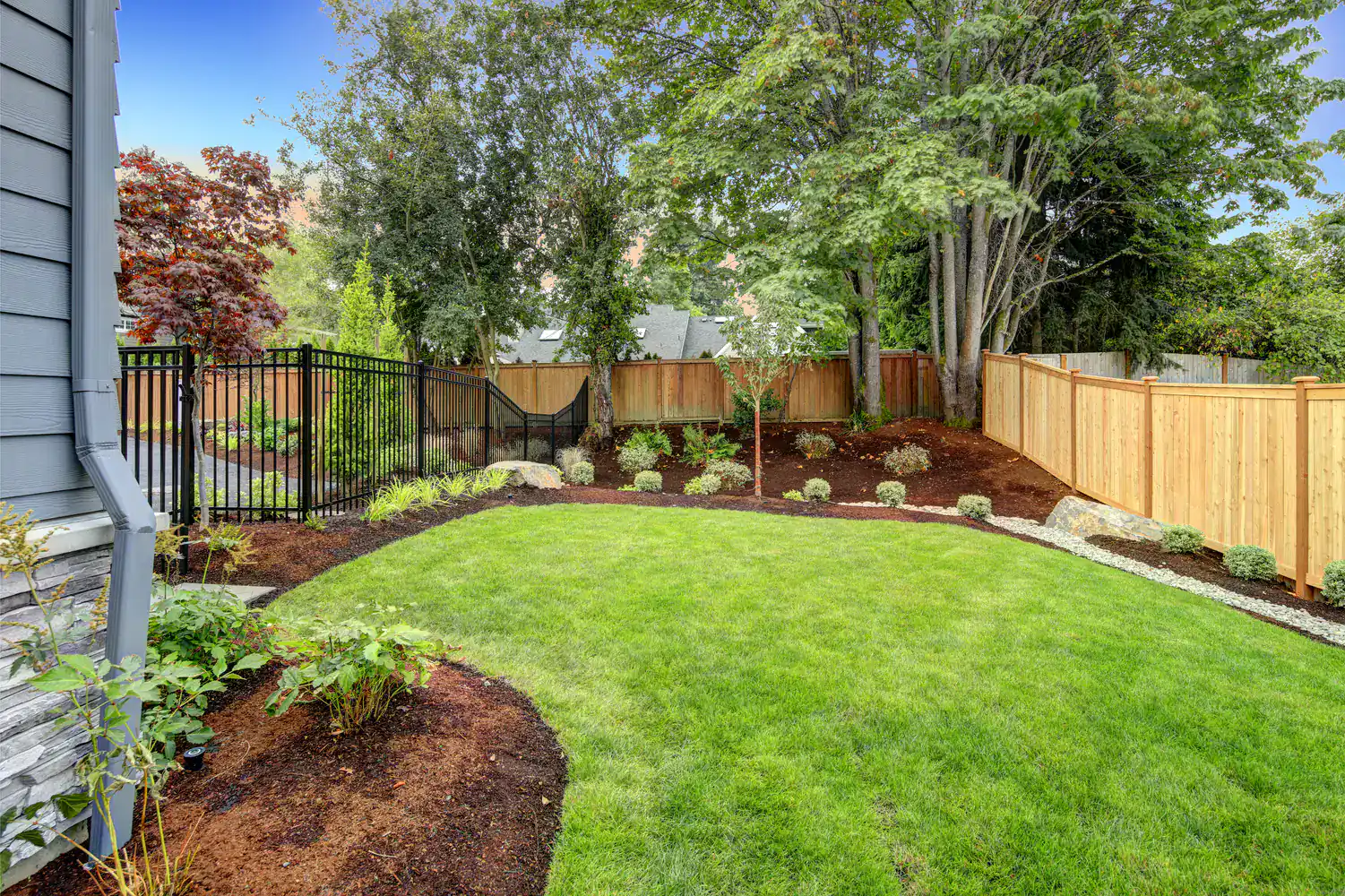
A renovated lawn isn’t just better-looking it’s structurally different from what you had before. The soil is corrected, the root system is deeper, and the turf variety is matched to your specific conditions. That’s what makes it last through a Long Island summer instead of dying back by July.
In East Setauket, that matters more than most people realize. Many properties here sit under heavy tree canopy dense shade that slowly starves turf of light and competes with it for nutrients. Others, especially on Strongs Neck near Conscience Bay, deal with salt air exposure that quietly degrades grass over time. A renovation that doesn’t account for those conditions will fail the same way the last one did.
When the work is done right, you get a lawn that holds through summer drought, resists weed re-invasion, and doesn’t require constant intervention to look presentable. For a home in the Three Villages area where properties carry real value and the neighborhood standard is high that’s not a luxury. It’s the baseline your property deserves.
We’ve been doing this work in Suffolk County since 1994. That’s not a tagline it means the crew working your property has seen what Long Island’s North Shore does to a lawn over time, and we know how to fix it.
We’re based in Port Jefferson Station, about two miles from the heart of East Setauket along Route 25A. That proximity isn’t incidental. It means we work in the same Haven Loam soil, the same grub-pressure conditions, and the same North Shore climate as your property every single week. There’s no learning curve when it comes to your neighborhood.
Matt Shaker, who founded the company, holds a Business Administration degree from the University of Michigan and has spent over three decades building a reputation in this specific market. The kind of reputation that only holds up if the results are real.
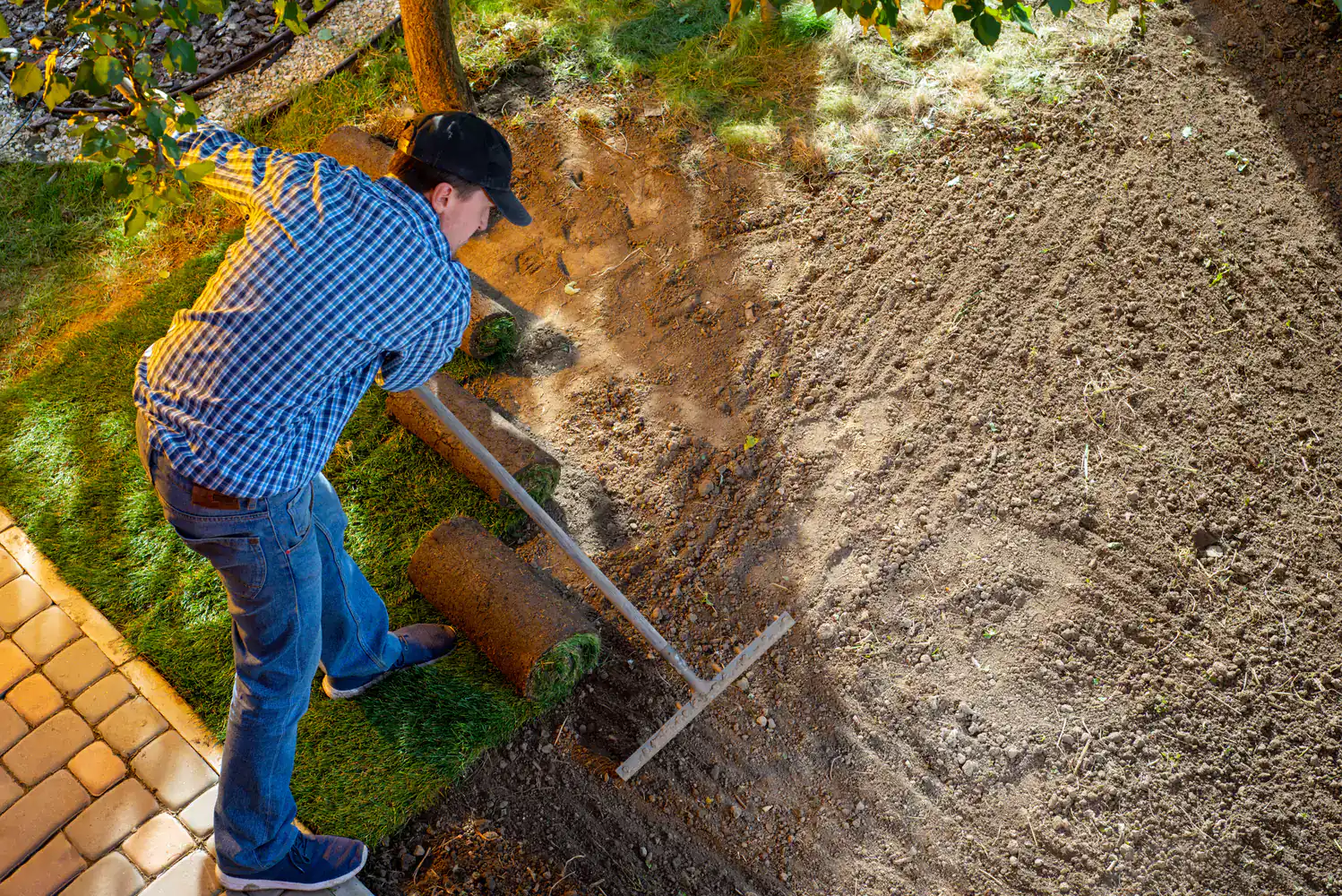
The most common reason renovations fail is that they skip the first step. Seed gets spread over compacted, pH-imbalanced, thatch-choked soil and it fails for the exact same reason the original lawn failed. Our process starts with a site assessment, not a seed spreader.
That means evaluating your soil conditions, identifying what’s actually driving the lawn’s decline whether that’s compaction, pH problems, grub damage, shade stress, or weed dominance and addressing those issues before anything else happens. In East Setauket, late August through mid-October is the window that matters most. Soil temperatures drop into the ideal germination range for cool-season grasses, weed competition drops off, and natural rainfall on the North Shore supports establishment without constant irrigation. That window books up. Homeowners who reach out in August are in a far better position than those who wait until October.
Once the ground is prepared aerated, amended, and ready the right grass varieties go in for your specific conditions: shade-tolerant blends for canopied lots, salt-resilient varieties for coastal-facing properties near Strongs Neck. After seeding, we walk you through what to expect and what comes next, including annual programs designed to keep the renovation from gradually reversing.

Ready to get started?
Our renovation work covers the full range from targeted repairs on grub-damaged or drought-stressed areas to complete lawn rebuilds on properties where the existing turf is too far gone to save. If a full new lawn installation is the right call, that’s on the table too. The ability to start from bare soil and establish turf from scratch means no lawn is too damaged to address.
Two services that consistently make the difference on North Shore properties are nutgrass control and bentgrass control. These are among the most persistent turf invasions in this area, and most companies either can’t treat them or won’t acknowledge the problem. We list both as specific, named services because they’re real issues that require real expertise and proper NYSDEC certification to address legally and effectively. Suffolk County’s Local Law 41-2007 also governs pesticide application near public water supply areas, and we operate in full compliance with those regulations.
The broader service menu core aeration, renovation seeding programs, fertilization, weed control, lime applications, flea and tick programs, and annual lawn care plans is designed to support the renovation long after the initial work is done. A rebuilt lawn that goes back on a proper maintenance program is one that stays rebuilt.
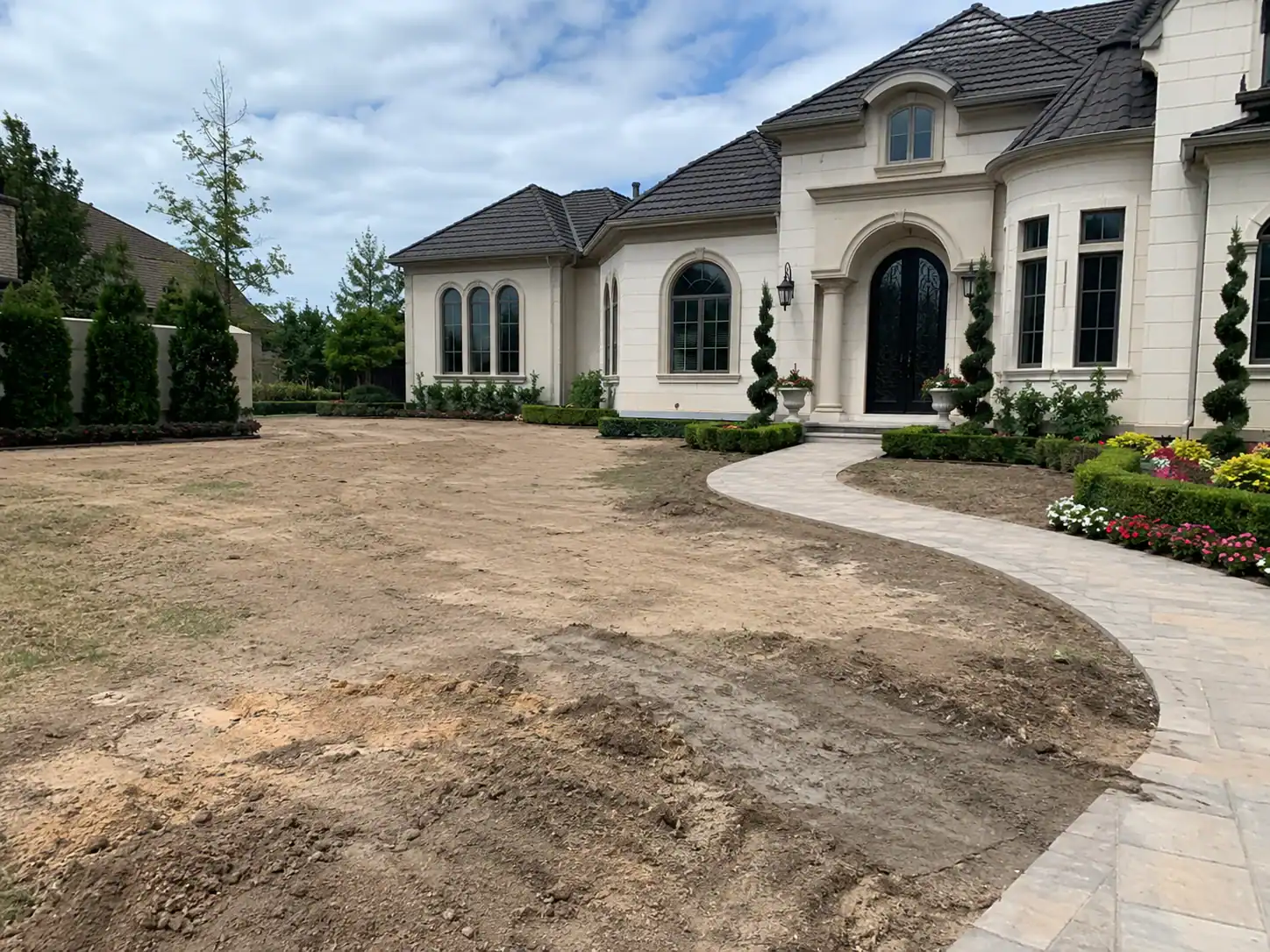
Overseeding puts new seed on top of existing turf it’s a surface-level fix. Renovation goes deeper. It starts by assessing and correcting the underlying conditions: soil compaction, pH imbalance, thatch buildup, weed dominance, or grub damage. Then the ground is properly prepared before any seed is introduced.
In East Setauket, this distinction matters because many properties have mature lawns some 30 to 40 years old that have been slowly degrading through compaction, root competition from the area’s dense tree canopy, and repeated failed overseeding attempts. Spreading more seed on soil that hasn’t been corrected produces the same result every time. A true renovation addresses why the lawn is failing, not just what it looks like on the surface. That’s what produces a result that actually holds through the following summer.
Late August through mid-October is the window that matters most for cool-season lawn renovation on Long Island. During this period, soil temperatures drop into the 50–65°F range that cool-season grasses need to germinate well, annual weeds like crabgrass are dying off and no longer competing with new seedlings, and natural rainfall patterns on the North Shore support establishment without constant irrigation.
Spring renovation is possible, but it’s a narrower window. You’re seeding into rising weed competition and heading toward summer heat before the new turf has time to fully establish. It works for targeted repairs grub-damaged patches, winter kill, bare spots but for a complete lawn rebuild, fall is the right time. One thing worth knowing: late August is also when Japanese beetle grub damage becomes visible in East Setauket. If your lawn suddenly has dead patches in late summer, it may be grub damage and a renovation need at the same time both of which can be addressed in a single fall program.
The clearest signal is whether the lawn responds to maintenance at all. If you’ve fertilized, watered, and overseeded and the lawn still looks the same or worse the problem is below the surface. Compacted soil, incorrect pH, heavy thatch, or persistent weed species like nutgrass or bentgrass won’t respond to a fertilizer program no matter how consistently it’s applied.
In East Setauket specifically, shaded lots under heavy tree canopy present a version of this problem that’s easy to misread. Homeowners often assume the grass is dying because of the shade alone, when the real issue is a combination of shade, root competition from mature trees, and soil that’s been depleted over decades. A proper site assessment will tell you which conditions are actually driving the decline and whether renovation, a targeted repair, or a different approach altogether is the right answer for your property.
Lawn renovation in Suffolk County typically runs between $0.75 and $4.00 per square foot, depending on the scope of work whether it’s a targeted repair, a full renovation with soil preparation and seeding, or a complete new lawn installation. For a 5,000 to 10,000 square foot property, that generally puts the investment somewhere between $3,750 and $22,500.
The range is wide because no two lawns are the same. A property on Strongs Neck with salt air stress and coastal soil conditions requires different preparation than a heavily shaded lot near Ward Melville. A lawn with active nutgrass or bentgrass invasion requires treatment before renovation seeding can even begin. The honest answer is that pricing depends on what your lawn actually needs and that starts with an assessment, not a quote based on square footage alone. What’s worth keeping in mind is that repeated failed overseedings and annual fertilizer programs that don’t hold add up quickly. A renovation that’s done correctly once tends to cost less over time than the cycle of fixes it replaces.
Yes but only if the grub problem is addressed first. Japanese beetle grubs feed on grass roots from late summer through fall, which is also the optimal window for renovation seeding on Long Island. If you seed into soil that still has active grub pressure, the new seedlings will be destroyed before they establish. The roots simply won’t have anything to anchor into.
The right approach is to assess grub activity as part of the renovation evaluation, treat if needed, and then proceed with soil preparation and seeding once the threat is managed. In East Setauket, grub damage is a common and recurring issue the area has well-established Japanese beetle populations, and mature lawns with deep organic matter in the soil are particularly attractive to them. Dead patches that appear suddenly in late August are often grub damage, not drought stress, and they look similar enough that many homeowners don’t diagnose the real cause until they’ve already tried to reseed once without success.
It can, but it requires honest assessment upfront. East Setauket has some of the most heavily canopied residential streets on Long Island’s North Shore many lots have mature trees that create deep, persistent shade that most grass varieties simply cannot survive in long-term. A renovation that ignores that reality will fail for the same reason the original lawn did.
What a proper renovation does in a shaded situation is evaluate how much usable light the lawn actually receives, select shade-tolerant grass varieties suited to those conditions, address soil nutrient depletion caused by root competition from surrounding trees, and in some cases, have an honest conversation about which areas of the property can realistically support turf and which might be better served by ground cover or mulched beds. That’s not a limitation it’s the difference between a renovation that holds and one that looks good for one season before thinning back out. Three Village properties with significant tree canopy need a company that understands North Shore growing conditions, not one applying a standard seeding program designed for open suburban lots.
Useful Links
Other Services we provide in East Setauket