
Hear from Our Customers
When we do lawn renovation right on a Shoreham property, you stop seeing bare patches every August. You stop reseeding the same spots. You stop wondering why nothing holds. The lawn fills in, stays dense through summer, and actually looks like it belongs in front of an $800,000 home on the North Shore.
The difference comes down to what’s happening below the surface. Shoreham’s soils along Long Island Sound are acidic, sandy loams they drain fast, lose nutrients quickly, and compact under foot traffic over time. Spreading seed on top of that without addressing the soil structure is why overseeding fails here year after year. A proper renovation fixes the root cause, not just the symptom.
Older homes in Shoreham Village many built before the 1940s tend to sit on wooded lots with mature tree canopy that thins turf over years of shade stress. Add in salt air exposure from the Sound and the occasional grub cycle, and you’ve got conditions that maintenance programs simply aren’t built to handle. Renovation is.
We’ve been doing this work in Shoreham and across Suffolk County since 1994. That’s over three decades of rebuilding lawns on North Shore properties properties with the same sandy coastal soils, the same shade challenges from mature oaks, and the same salt air stress that Shoreham homeowners deal with every season. This isn’t a national brand running programs from a call center. We’re a local operation that knows the difference between a wooded inland lot off Route 25A and a waterfront property with direct Sound exposure.
Matt Shaker founded our company with a renovation-first approach because he understood early on that most lawn problems aren’t a maintenance failure they’re a structural one. The soil is wrong. The pH is off. The seed never made proper contact. Those aren’t things a fertilization program fixes. They’re things a real renovation addresses from the ground up, and that’s been our focus here for 30 years.

We start with a real assessment of your specific property not a generic checklist. Shoreham lawns vary significantly depending on sun exposure, proximity to the Sound, tree canopy density, and how the soil has been managed over the years. Before anything goes into the ground, we look at what’s actually causing the failure. That means evaluating soil compaction, pH levels, existing weed pressure, and whether you’re dealing with something like nutgrass or bentgrass that needs to be addressed before seeding begins.
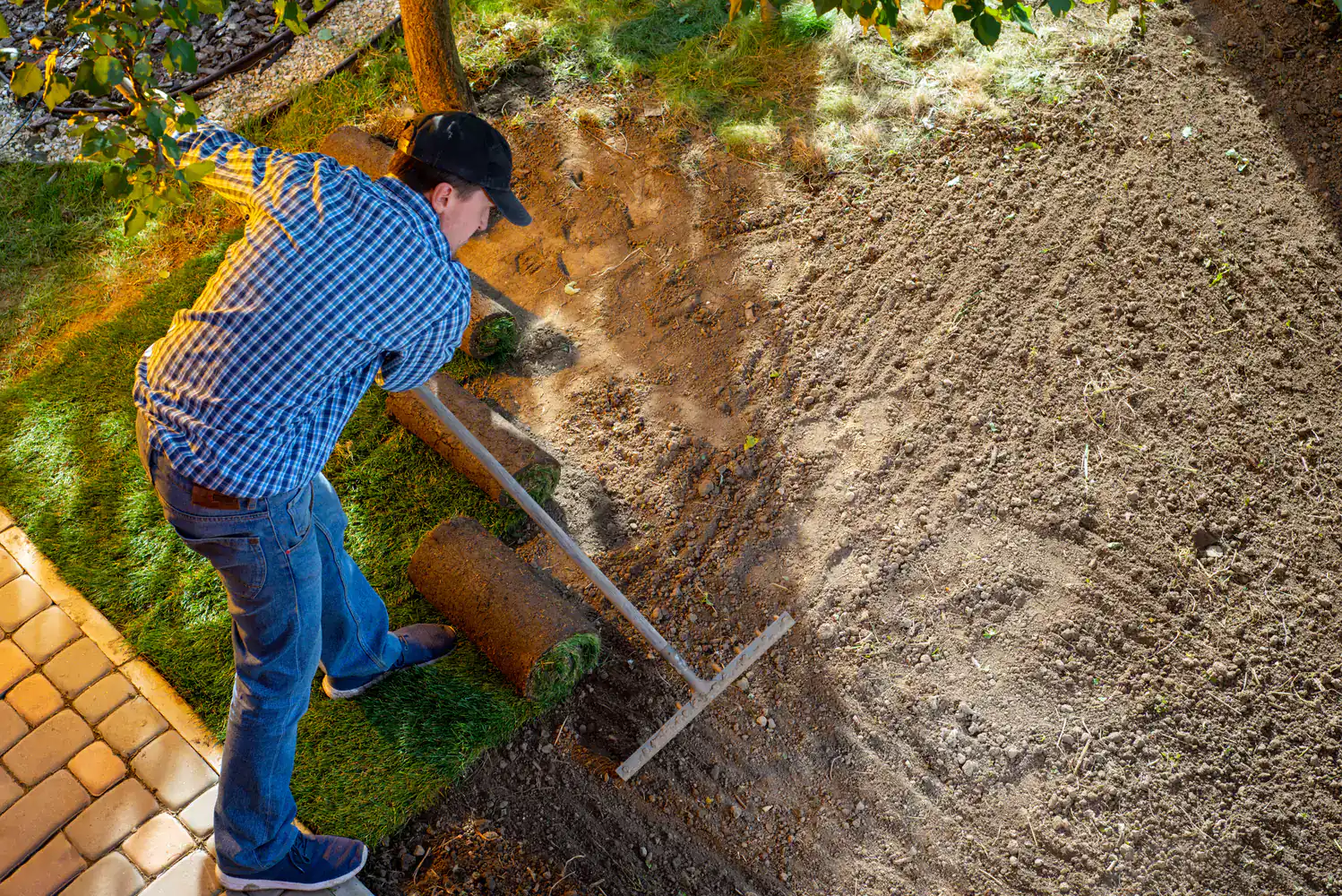
From there, the soil gets prepared properly. Core aeration breaks up compaction and creates the seed-to-soil contact that sandy loam alone won’t provide. Lime is applied where pH correction is needed which is common on North Shore coastal properties. Then power renovation seeding drives seed directly into the soil rather than leaving it sitting on the surface where it can wash away or dry out before germinating.
Fall is the primary window for lawn renovation in Shoreham late August through mid-October, when soil temperatures drop into the range cool-season grasses need to establish. The North Shore’s slightly milder fall temperatures can extend that window a bit, but it’s still finite. Spring renovation is available for winter damage repair, though the timeline is tighter given summer heat and crabgrass competition. If you’re considering a fall renovation, the time to get on our schedule is before it fills up.

Ready to get started?
Our renovation work covers the full range of what a Shoreham property might need from targeted turf repair on a single problem area to a complete new lawn installation when the damage is beyond what renovation seeding can address. Core aeration, power renovation seeding, lime applications, and soil preparation are the foundation. Nutgrass and bentgrass control are available for lawns where invasive species have taken over a real and common issue on coastal Suffolk County properties that most companies either can’t treat or won’t advertise that they can handle.
For Shoreham homeowners dealing with grub damage, salt air injury near the Sound, or years of shade-induced thinning under mature tree canopy, we adjust our approach to fit the actual conditions on your property. Shade-tolerant grass varieties get selected for the right areas. Soil amendments are applied based on what the soil actually needs, not a standard formula. And if your lawn is truly past the point of renovation, new lawn installation is on the table because sometimes starting fresh is the right call.
We operate as a fully licensed NYSDEC commercial pesticide applicator. Suffolk County’s Local Law 41-2007 establishes pesticide buffer zones around drinking water wells, and compliance with those requirements is part of how every job in this area gets handled. You won’t have to ask about it it’s already accounted for.
Overseeding puts seed on top of whatever problem already exists. If your soil is compacted, acidic, or draining too fast all common conditions on Shoreham’s sandy coastal lots new seed doesn’t have what it needs to establish deep roots before summer heat arrives. It germinates, looks decent for a few weeks, and then thins out again by July. You’re not doing anything wrong. The process itself is just insufficient for what your lawn actually needs.
A proper lawn renovation addresses the soil before the seed goes down. Core aeration creates real seed-to-soil contact. Lime corrects pH in soils that have drifted acidic over time, which is typical along the North Shore. Power seeding drives seed into the ground rather than leaving it exposed on the surface. That combination gives new grass a fighting chance to root deeply enough to survive Shoreham’s dry summers and that’s what makes the difference between a renovation that holds and one that doesn’t.
Renovation and restoration get used interchangeably, but the practical difference comes down to how much of the existing turf is worth saving. Lawn renovation typically means working with what’s there aerating, amending the soil, and power seeding into the existing lawn to rebuild density and crowd out weeds over time. It’s the right approach when your lawn is struggling but still has some viable turf to build on.
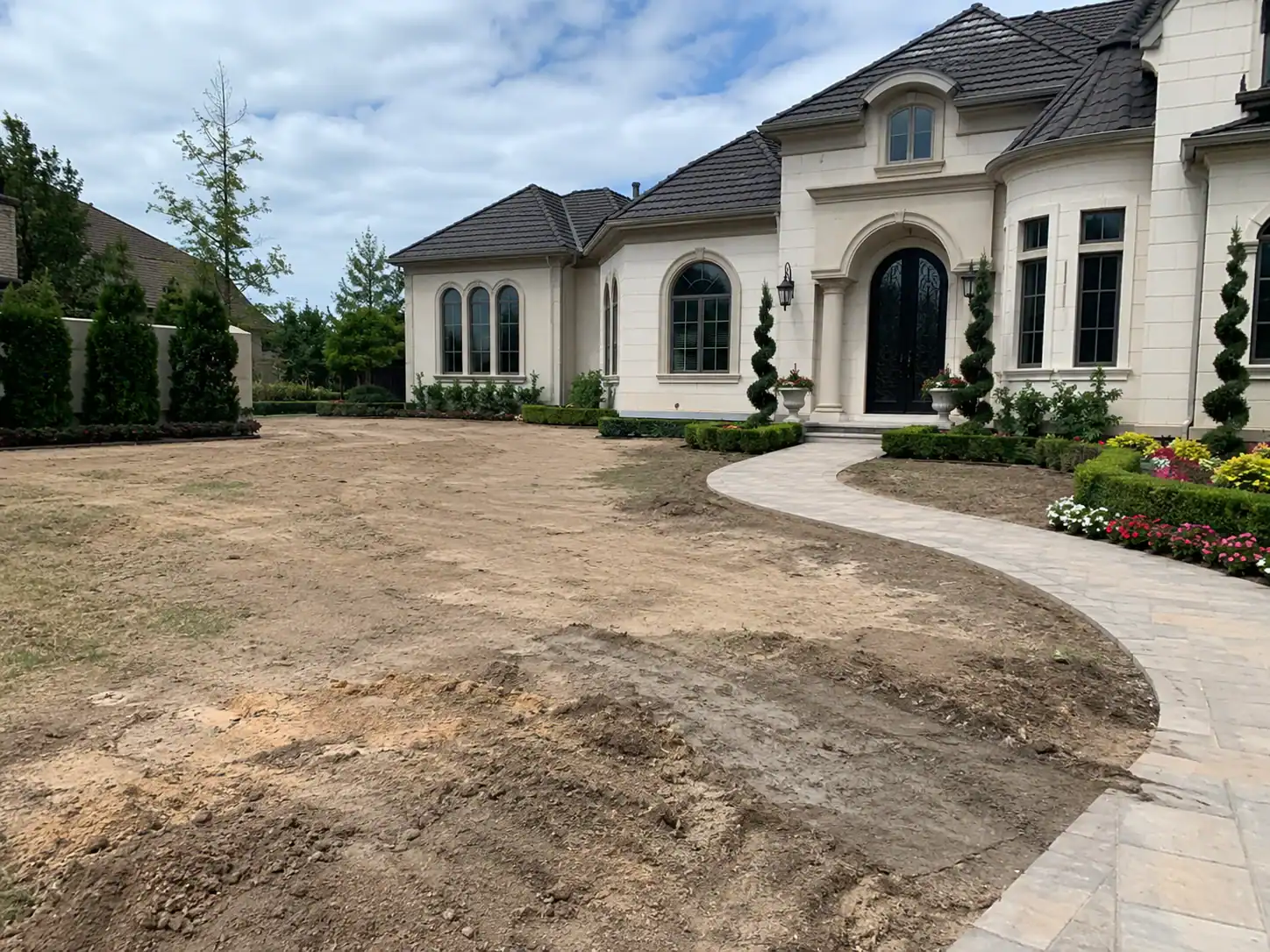
Restoration or a full lawn rebuild is what happens when the existing turf is too far gone to renovate. Grub damage that’s wiped out entire sections, a complete nutgrass or bentgrass takeover, or years of neglect that have left the soil in poor structural condition may require stripping the area down and starting from scratch with a new lawn installation. During the initial assessment of your Shoreham property, we’ll tell you honestly which category you’re in and what the realistic path forward looks like. There’s no reason to spend renovation money on a lawn that needs a full rebuild.
Fall is the primary window specifically late August through mid-October. Soil temperatures on the North Shore typically drop into the 50–65°F range that cool-season grasses like tall fescue and Kentucky bluegrass need for germination right around early September. Shoreham’s proximity to Long Island Sound moderates temperatures slightly compared to inland Suffolk County, which can extend the fall window by a week or two. That’s a real advantage, but it doesn’t make the window unlimited.
Spring renovation is possible and makes sense for repairing winter salt damage or bare patches that opened up over the colder months. The challenge in spring is timing pre-emergent crabgrass treatments conflict with new seed establishment, and young seedlings on sandy loam soils need to develop deep roots before summer heat arrives. It can be done well, but fall is consistently the better setup for lasting results. If you’re thinking about a fall renovation in Shoreham, reaching out before the end of summer gives you the best shot at getting on our schedule before it fills up.
Pricing for lawn renovation in Shoreham depends on the square footage being treated, the current condition of the soil, and what the property actually needs before seeding can begin. For a typical Shoreham residential lawn somewhere in the range of 5,000 to 10,000 square feet you’re generally looking at anywhere from $750 to $4,000 depending on the scope of work. Larger properties, waterfront lots, or lawns requiring full rebuilds with new lawn installation will run higher.
What drives cost up is usually what’s underneath the surface heavily compacted soil that needs multiple aeration passes, significant pH correction, invasive species control before seeding, or damage extensive enough to require a complete new lawn installation rather than renovation seeding. What you should avoid is making the decision based on the lowest quote you can find. In Shoreham, where homes are worth $800,000 or more and the lawn is one of the first things anyone sees, a renovation done cheaply that fails by next July costs you more than doing it right the first time.
Yes and this is one of the areas where most lawn care companies fall short. Nutgrass and bentgrass are two of the most persistent turf invasions on Long Island, and the majority of providers either don’t have the products to treat them effectively or simply don’t advertise that capability. Nutgrass thrives in the moisture-variable conditions common on coastal Suffolk County properties wet in spring, drought-stressed in summer which makes Shoreham lots particularly susceptible. Bentgrass creates a visually distinct texture that stands out against desirable turf and crowds it out over time.
Both require targeted treatment before renovation seeding begins. You can’t seed over an active nutgrass or bentgrass infestation and expect the new grass to win. The control program has to come first, then the soil preparation, then the seeding. We offer specific treatment programs for both species as part of the renovation process. If your Shoreham lawn has been taken over by either one and previous companies have told you there’s nothing to be done, that’s not accurate it just requires the right approach in the right sequence.
Properties in Shoreham Village especially those closest to the Sound deal with salt air stress that inland Suffolk County lawns simply don’t face. Salt deposits accumulate in soil over time, disrupting soil structure and creating conditions that cool-season grasses struggle to recover from without intervention. You’ll often see it show up as browning along turf edges in late fall and winter, or as patches that won’t fill back in despite adequate watering and fertilization in spring.
Addressing this during renovation means incorporating the right soil amendments to help flush sodium buildup, selecting grass varieties with better salt tolerance for exposed areas, and timing the renovation to give new seedlings the best possible establishment window before the next cold season. It also means being realistic about which areas of a coastal Shoreham property are candidates for a dense turf and which might be better suited for alternative ground covers or plantings in the most exposed spots. A renovation that ignores the salt factor will deliver the same results as every other fix that didn’t hold and that’s not what you’re calling us for.
Useful Links
Other Services we provide in Shoreham