
Hear from Our Customers
Most lawns in East Setauket aren’t struggling because of bad luck. They’re struggling because the soil underneath them has been compacted for decades. The median home here was built in the early 1970s which means most yards have had 50-plus years of foot traffic, mowing, and seasonal stress pressing down on glacial moraine clay that doesn’t drain or breathe the way South Shore sandy soils do. Seed thrown on top of that without any preparation doesn’t stand a chance.
When the soil is properly addressed before seeding aerated, amended, and timed to actual North Shore soil temperatures the difference is visible within a single growing season. You get density where there used to be bare patches, color that holds through summer, and turf that doesn’t thin out every time the weather shifts.
For properties near Conscience Bay or West Meadow Beach, there’s another layer to this. Salt exposure from the Sound affects which grass varieties actually survive long-term. The right seed selection for a coastal East Setauket lot is not the same as what works a few miles inland and getting that wrong is one of the most common reasons DIY seeding fails in this part of Suffolk County.
We’re a Suffolk County lawn care company not a national franchise, not a Nassau County operation stretching its service map. The Three Villages area, including East Setauket, is part of our core service territory, and we know the difference between a lawn off Route 25A near the historic district and one sitting closer to the water on the east side of East Setauket.
We understand that North Shore soils behave differently. We know that fall seeding timing here isn’t the same as it is for inland communities, and that properties near Conscience Bay need a completely different seed conversation than a lawn in Centereach or Medford. That local context isn’t a marketing line it’s what actually determines whether a seeding job works or doesn’t.
We hold full New York State DEC licensing for pesticide and fertilizer application, and we follow Suffolk County’s environmental guidelines for properties near sensitive water bodies. In a community that cares about its waterways as much as East Setauket does, that matters.
It starts with a soil assessment. Before any seed goes down, we look at what you’re actually working with compaction levels, pH, drainage, thatch buildup, and any site-specific factors like salt accumulation near the water or shade patterns from mature trees. That assessment shapes everything that comes next.
From there, we prepare the seedbed. For most East Setauket lawns, that means core aeration pulling plugs from the soil to break up compaction and give seed direct contact with the earth below the thatch layer. Without this step on North Shore glacial soils, germination rates drop significantly. It’s not optional if you want real results.
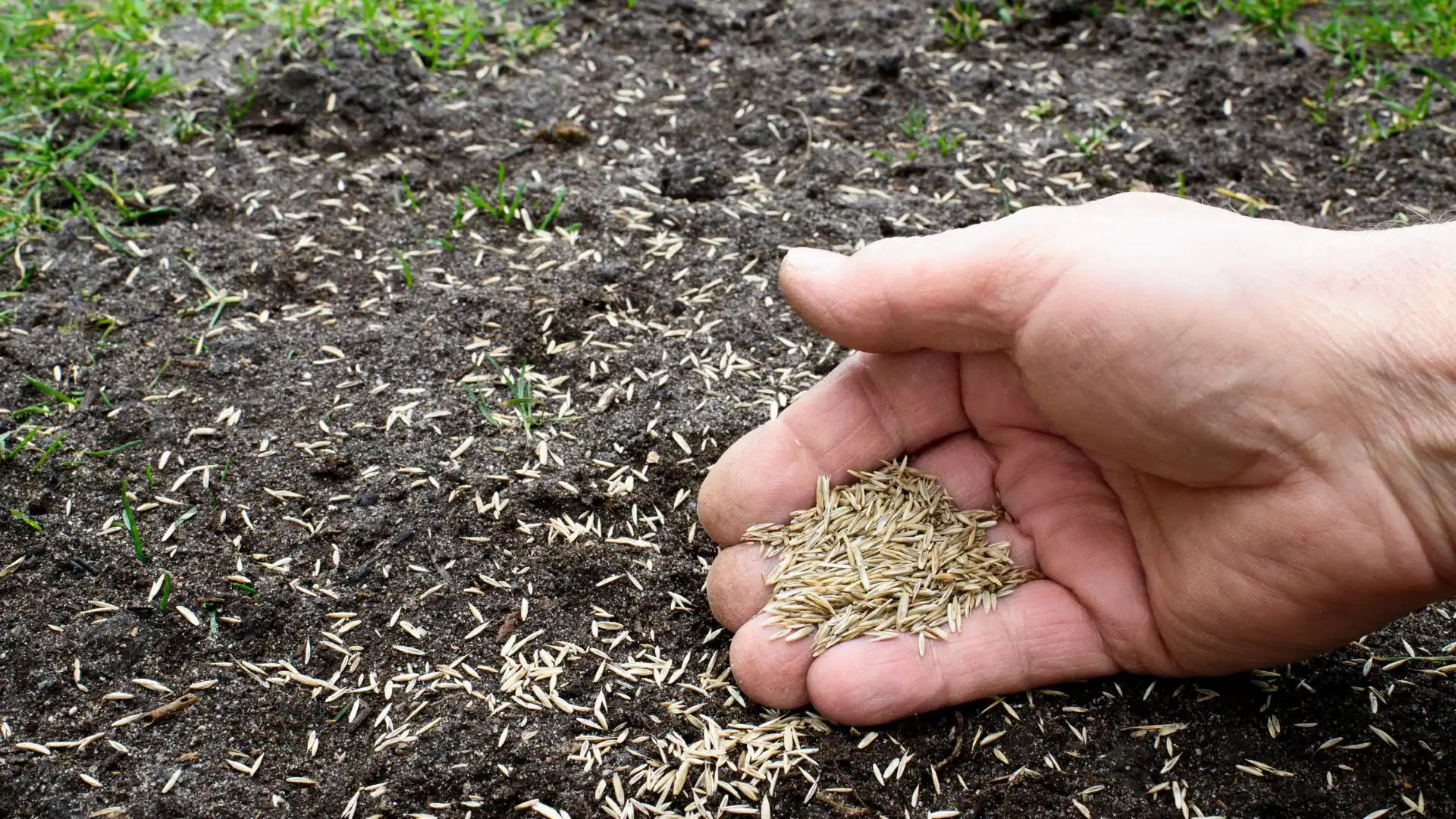
Once the ground is ready, we select the right seed blend for your specific site tall fescue for shadier or coastal-exposed areas, Kentucky bluegrass for dense full-sun coverage, perennial ryegrass where quick establishment is the priority. Starter fertilization goes down at the same time to support early root development. After that, we give you a clear follow-up schedule: what to water, when to mow, and what to expect at each stage so nothing catches you off guard. Fall is the optimal seeding window in East Setauket soil temperatures between 50°F and 65°F give cool-season grasses the best possible start before the ground freezes.
Ready to get started?
There’s a meaningful difference between dropping seed and running a seeding program. What we deliver in East Setauket is the latter a documented, step-by-step process that accounts for your soil, your site conditions, and your goals before a single seed goes into the ground.
For new lawn installations on bare or construction-disturbed ground, we handle full seedbed preparation grading, soil amendment where needed, and seeding with premium cool-season varieties matched to your sun exposure and proximity to the water. For homeowners looking to restore an existing lawn through professional overseeding, we pair aeration with overseeding to address the compaction that’s almost always the root cause of thinning turf in homes built in the 1960s and 70s. Both approaches include starter fertilization and a follow-up care plan.
Properties near Conscience Bay, the Setauket Mill Pond, or the Long Island Sound shoreline receive specific attention during the seed selection process. Suffolk County has fertilizer application restrictions near sensitive water bodies, and we apply within those guidelines as a matter of standard practice not as an afterthought. If your property falls near one of these areas, we’ll walk you through exactly what that means for your lawn program so there are no surprises.
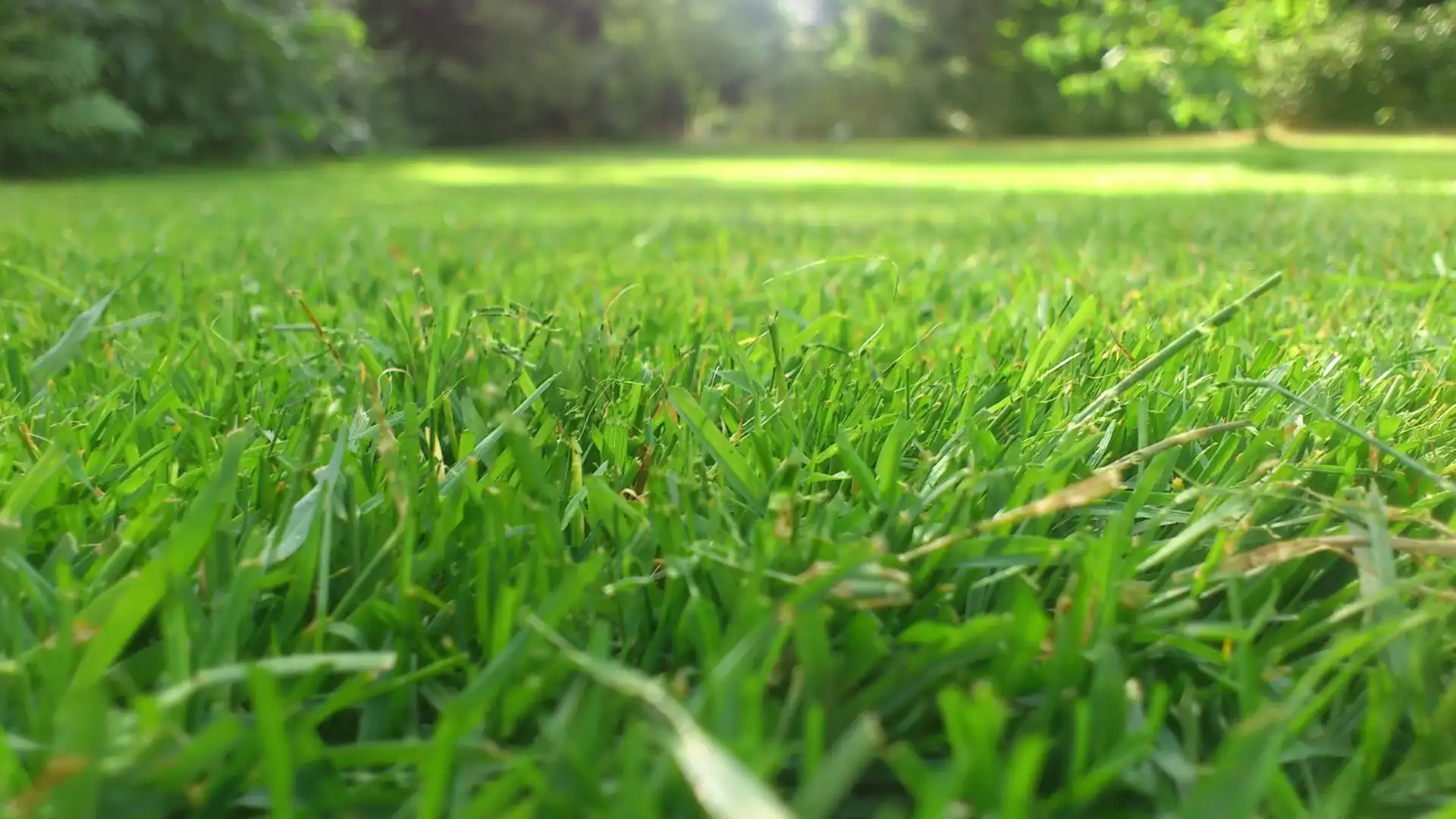
Fall is the clear winner for lawn seeding in East Setauket specifically mid-August through October. During that window, soil temperatures on Long Island’s North Shore drop into the 50°F to 65°F range, which is the sweet spot for cool-season grass germination. The summer heat stress is behind you, weed competition slows down, and new seedlings have enough time to establish roots before the ground freezes.
Spring seeding is possible, but it carries more risk here than it does in other parts of Suffolk County. North Shore glacial soils warm up later in spring than the sandy soils further south or inland, which compresses the usable planting window. By the time conditions are right, summer heat and humidity are often only a few weeks away and young turf that hasn’t fully established yet struggles in those conditions. If spring seeding is your only option, variety selection and follow-up watering become even more critical to bridge that gap successfully.
The most common reason is soil compaction and it’s almost always the culprit in East Setauket specifically. Most homes in this area were built in the late 1960s and early 1970s, which means the lawns underneath them have had decades of foot traffic, mowing equipment, and seasonal freeze-thaw cycles compressing the soil. The North Shore’s glacial moraine clay compacts more readily than sandy soils, and once it’s compacted, seed can’t penetrate the surface to make real soil contact. It germinates weakly, the roots stay shallow, and the turf thins out again within a season or two.
The fix isn’t more seed it’s core aeration before seeding. Pulling plugs from the soil breaks up that compaction layer and creates direct channels for seed and root development. Once the soil is opened up and seed is applied into a properly prepared seedbed, you start seeing the kind of density that holds year over year instead of fading every summer.
Yes, and this is a detail that gets missed a lot. Properties close to Conscience Bay, West Meadow Beach, and the Long Island Sound shoreline deal with salt spray and gradual salt accumulation in the soil that standard grass seed mixes simply aren’t designed to handle. If you plant a generic blend near the water and it struggles to hold through the first few seasons, salt stress is usually part of the explanation.
For coastal East Setauket properties, we lean heavily on salt-tolerant tall fescue varieties they perform well in these conditions, handle the humidity that comes off the water, and hold up through the kind of environmental stress that weaker varieties can’t manage. The specific blend we recommend depends on your sun exposure, slope, and how close you are to the water. It’s not a one-size answer, but the starting point is always choosing a variety that was actually bred to handle what your site throws at it.
Pricing for professional lawn seeding in Suffolk County typically ranges from a few hundred dollars for targeted overseeding on a smaller lawn to $1,500 or more for a full lawn renovation on a larger property that includes aeration, seedbed preparation, premium seed, and starter fertilization. The size of your lawn, the condition of the soil, the scope of prep work needed, and the seed varieties selected all factor into the final number.
In East Setauket, where lot sizes on North Shore properties tend to be larger and soil prep requirements are often more involved due to compaction and clay content, it’s worth getting a specific assessment rather than going off a per-square-foot estimate you find online. Those numbers rarely account for the actual condition of the soil, which is usually the biggest variable in what the job actually requires. A lawn that needs significant aeration and amendment before seeding is a different job than one that just needs overseeding on a well-maintained base.
Lawn seeding typically refers to establishing grass on bare or nearly bare ground new construction, areas where turf has completely died out, or a full lawn renovation where you’re essentially starting over. Overseeding is the process of introducing new seed into an existing lawn to thicken it up, fill in bare spots, and improve overall density without tearing out what’s already there.
For most East Setauket homeowners with an established lawn that’s looking thin or patchy, overseeding is the right answer especially when it’s paired with core aeration to address the compaction that’s usually driving the problem. If you have a lawn that’s more than 50% weeds, severely damaged, or coming off a construction project that disturbed the soil, a full seeding program with proper seedbed preparation is the better path. The honest answer is that it depends on what you’re actually working with, which is why we start with a site assessment before recommending anything.
It can be, in a couple of ways. The maritime influence from the Sound moderates temperatures on the North Shore fall stays milder a bit longer here than it does further inland, which can actually extend your usable seeding window slightly compared to communities south of the LIE. That’s a genuine advantage for fall seeding timing in East Setauket and the broader Three Villages area.
The flip side is that the same coastal humidity that moderates fall temperatures also drives higher disease pressure in established turf during summer. That makes variety selection important grasses with strong disease resistance perform better long-term in this environment than varieties that might do fine in drier, inland conditions. When we build a seeding program for an East Setauket property, disease resistance is always part of the seed selection criteria, not just germination rate and color. It’s one of those details that doesn’t show up until the second or third summer, but it’s the difference between a lawn that holds and one that starts thinning out again when humidity spikes.
Useful Links
Other Services we provide in East Setauket