
Hear from Our Customers
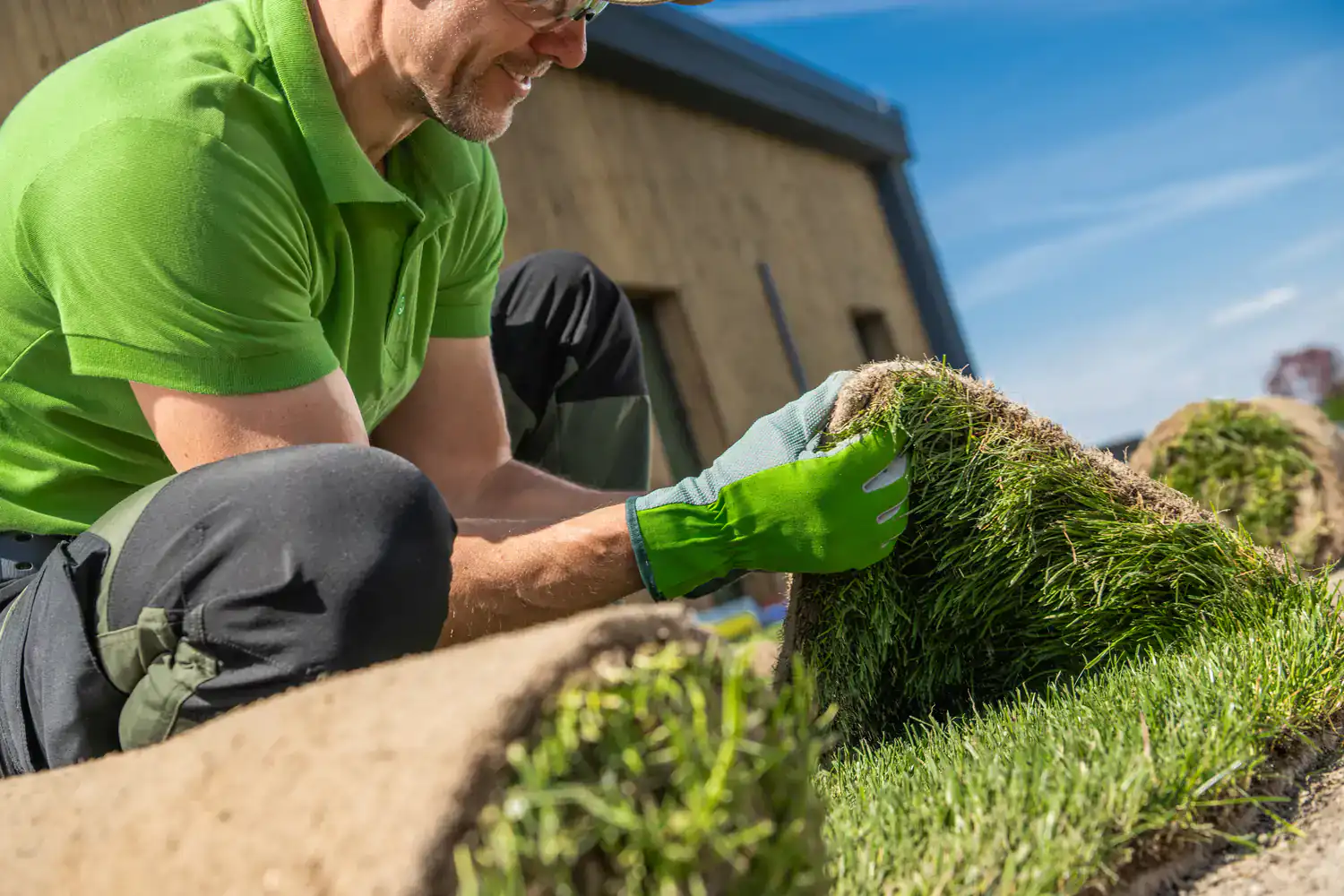
A thin, patchy lawn in Lake Grove isn’t just an eyesore it’s a sign that something in the process broke down. Wrong timing, wrong seed, no prep, or all three. When lawn seeding is done right, you get a yard that fills in uniformly, holds through the summer heat, and doesn’t revert to bare ground six months later.
Lake Grove’s housing stock is mostly mid-century ranches and colonials homes that have been here since the 1970s and 1980s, with lawns to match. Decades of foot traffic, mowing, and compaction have worked against those lawns year after year. That’s why overseeding alone rarely works here without aeration first. The soil needs to be opened up before new seed has any real chance of taking root and staying.
The other factor is timing. Central Suffolk County has a narrow window where cool-season grass actually wants to germinate late August through mid-October, when soil is still warm but the air is cooling down. Miss that window and you’re fighting the conditions instead of working with them. Get it right, and you end up with a dense, premium lawn that holds its color, resists weeds, and looks like it belongs in front of a $700,000 home because it does.
We’re a Suffolk County lawn care company that works specifically in this region not a national franchise with a call center somewhere else. Our team knows the difference between seeding conditions in the southern lots near Lake Ronkonkoma and the more wooded properties closer to the Stony Brook and Three Village district line. That local knowledge shapes every recommendation we make for Lake Grove homeowners.
We’re certified through the Suffolk County Fertilizer Turf Management Course, which means our seeding programs are designed around the county’s fertilizer blackout law November 1 through April 1 not just bolted on as an afterthought. That matters for Lake Grove residents who want a program that’s compliant, timed correctly, and built to actually work.
What you get is a team that treats your lawn like a project with a real outcome, not a recurring stop on a crowded route. We assess the yard, recommend the right approach, and follow through on it.
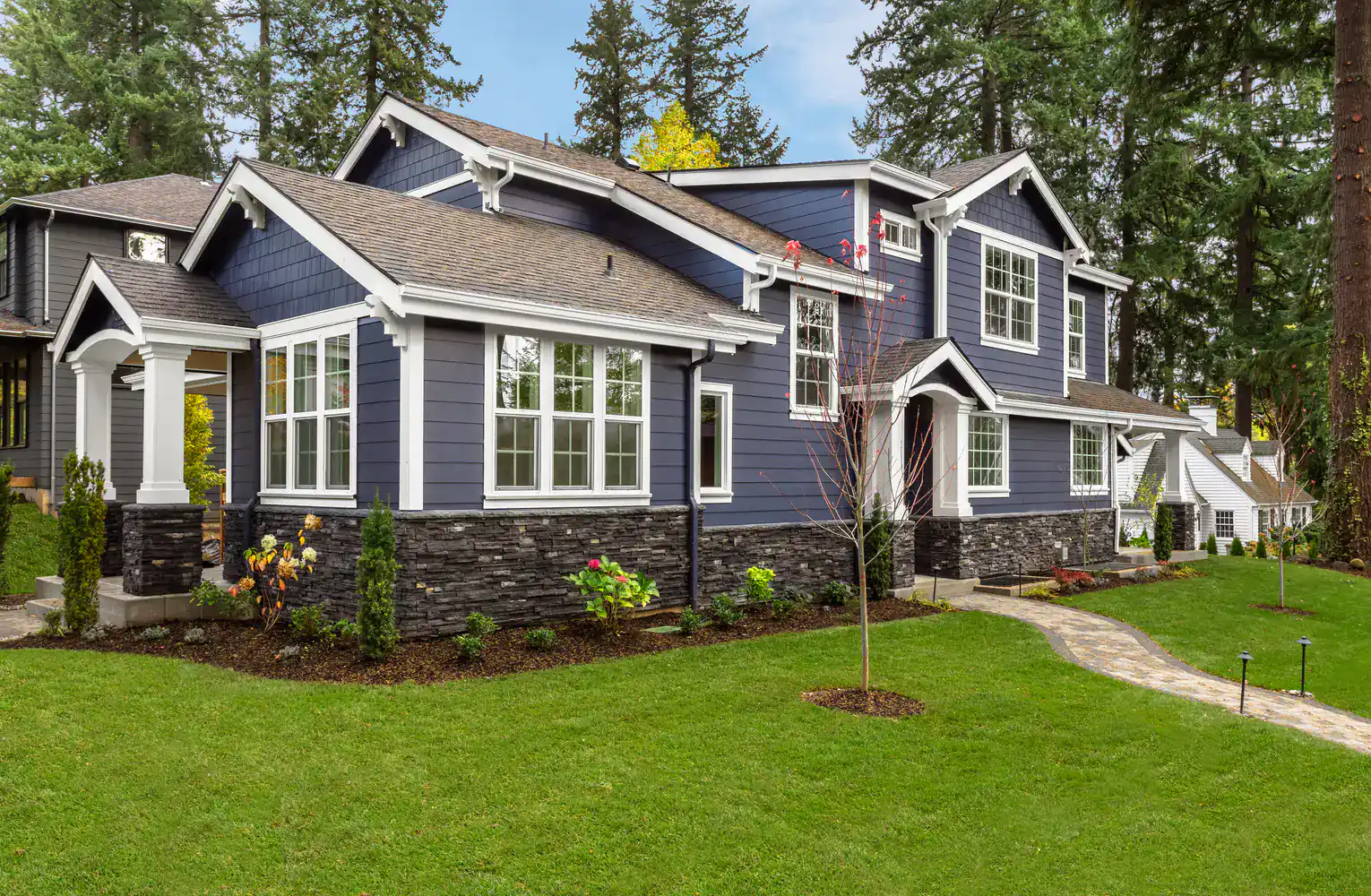
It starts with an honest look at what you’re working with. Is this a lawn that needs full establishment from bare ground maybe after a renovation, a patio installation, or construction work that stripped the topsoil? Or is it an existing lawn that’s thinned out and needs a professional overseeding program to bring it back? Those are two different jobs, and the process looks different for each.
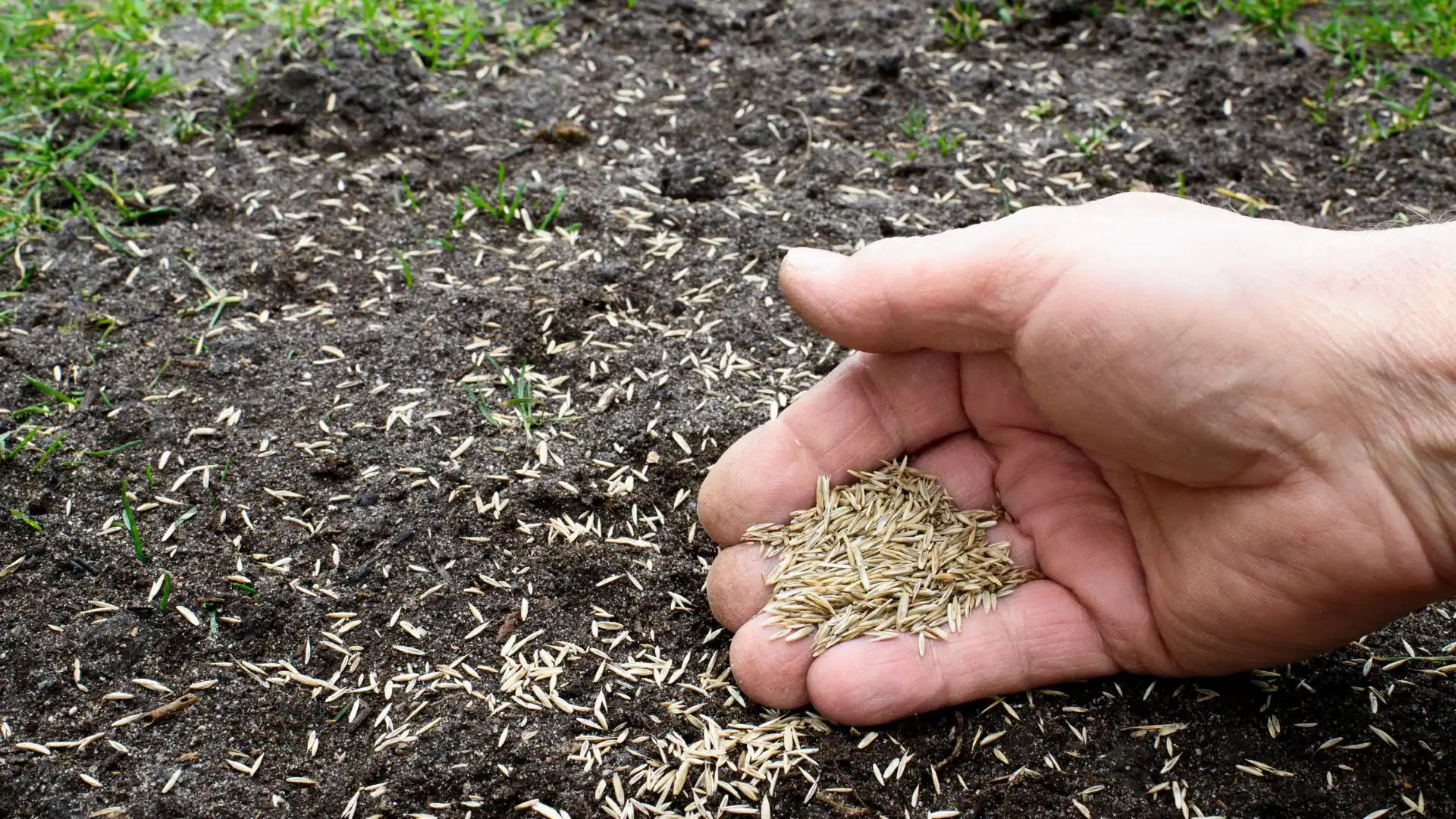
For overseeding, core aeration almost always comes first. Lake Grove’s older residential lots have compacted soil decades of use have closed off the channels that seed needs to reach soil contact. Aeration opens those channels back up. Then we apply premium cool-season grass seed turf-type tall fescue, Kentucky bluegrass, or perennial ryegrass depending on your yard’s sun exposure, use pattern, and existing turf at the right rate for your square footage.
For new lawn establishment on bare ground, we assess grading, soil condition, and drainage before anything goes down. Seeding is often the right call for larger areas or sloped terrain, delivering seed, starter fertilizer, and moisture-retaining mulch in a single application that protects the seed and promotes faster, more even germination. Either way, we time the work to fall within Suffolk County’s optimal seeding window and structure the fertilization plan to stay within the county’s November 1 blackout date.
Ready to get started?
Not every grass variety performs the same way in central Suffolk County. The soils in Lake Grove and the broader Town of Brookhaven tend to be slightly acidic with a sandy-to-loamy texture good drainage, but not forgiving if you plant the wrong species or skip soil prep. We select seed based on your specific yard conditions: turf-type tall fescue for adaptability and shade tolerance, Kentucky bluegrass for premium density on full-sun lawns, and perennial ryegrass when fast establishment and wear resistance are the priority.
Every seeding program we create includes a clear plan what prep is required, what seed goes down, when it’s applied, and what post-seeding care you need to follow for the first four to six weeks. We don’t hand you a bag and walk away. You’ll know what to expect at two weeks, at four weeks, and going into the following season.
For Lake Grove homeowners dealing with bare spots from dog traffic, shade stress under mature trees, or summer heat damage along sun-exposed south-facing slopes, we diagnose the cause before we seed. Putting the wrong variety on a shaded spot, or seeding without addressing compaction, just wastes money. The goal is a result that holds a thick, dense lawn that reflects the value of the home behind it and doesn’t need to be redone next fall.
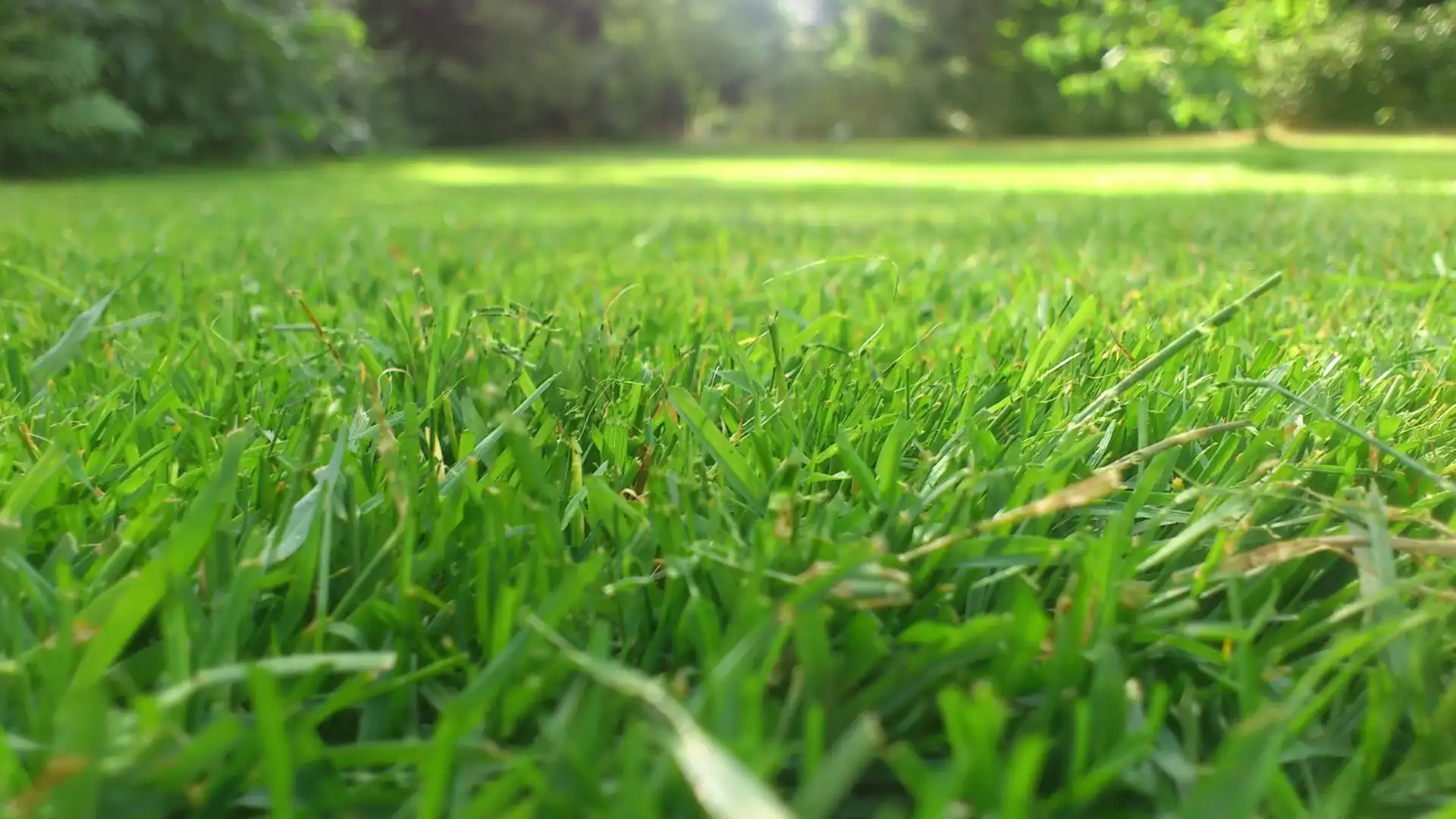
The best window for lawn seeding in Lake Grove is late August through mid-October. During that stretch, soil temperatures are still warm enough to support germination you want soil temps above 50°F while the air is cooling down, which reduces heat stress on young seedlings. Fall rains also begin to provide natural moisture, which helps new grass establish without relying entirely on irrigation.
Spring seeding is possible, but it’s a tighter window and comes with more variables. The soil in central Suffolk County often stays too cold for reliable germination through March and into early April. Then the gap between “warm enough to grow” and “hot enough to stress” closes fast. Spring seeding also conflicts with pre-emergent herbicide programs, which can’t be used at the same time as new seed. For most Lake Grove homeowners, fall is the right call and getting started in late August or September gives the new grass a full season to establish before the following summer.
In most cases, yes especially in Lake Grove. The homes here are largely from the 1970s and 1980s, and those lawns have had decades of foot traffic, mowing equipment, and general use working against them. That kind of history creates significant soil compaction, which blocks seed from making contact with the soil and limits root development even when seed does germinate.
Core aeration pulls small plugs of soil out of the ground, creating channels that allow seed to fall in, make direct soil contact, and establish a real root system. Without it, broadcast seed sits on top of compacted ground, struggles to germinate, and what does come up tends to be shallow-rooted and short-lived. Aeration also improves water and nutrient movement through the soil, which helps the entire lawn not just the newly seeded areas. If your lawn has been thinning out over several years despite regular care, compaction is almost certainly part of the problem.
The three cool-season grasses that perform best in Lake Grove and across Suffolk County are turf-type tall fescue, Kentucky bluegrass, and perennial ryegrass. Each has a different strength, and the right choice depends on your yard’s specific conditions.
Tall fescue is the most versatile option for central Suffolk it handles the region’s slightly acidic, sandy-to-loamy soil well, tolerates both sun and partial shade, and holds up through Long Island’s hot summers better than most cool-season varieties. Kentucky bluegrass produces a denser, more premium-looking lawn but needs full sun and consistent moisture to perform. Perennial ryegrass establishes faster than either of the other two, which makes it useful for bare spot repair or situations where you need visible results quickly. In many cases, a blended mix of two or three varieties gives you the best combination of appearance, durability, and adaptability and that’s what a professional seeding program should deliver.
Suffolk County Local Law 41-2007 prohibits fertilizer applications to lawns from November 1 through April 1. Violations carry fines of up to $1,000. This law exists to protect Long Island’s groundwater the same aquifer that supplies drinking water to the region from nitrogen runoff, and it applies to both homeowners and professional lawn care operators.
For lawn seeding, this means timing matters on two levels. The seeding itself should happen in the fall window late August through mid-October and the starter fertilizer that supports germination needs to be applied within the legal window before November 1. If the seeding happens too late in the season, you may not have enough time to apply a follow-up feeding before the blackout date kicks in, which can limit establishment. We build our seeding programs around this calendar the prep, seed application, and fertilization are all sequenced to stay compliant and give the new grass the best possible start before winter sets in.
Cost depends on what the lawn actually needs. A professional overseeding program for an average-sized Lake Grove residential lot including core aeration and premium seed typically runs in the range of $350 to $700, depending on square footage, the condition of the existing turf, and whether any additional prep work is required. New lawn establishment from bare ground runs higher, generally starting around $600 to $1,200 or more depending on lot size, grading needs, and whether seeding is the right method for the site.
What’s worth keeping in mind is what you’re protecting. Median home values in Lake Grove are running close to $700,000. A professional seeding program that delivers a thick, lasting lawn is a small investment relative to the property it’s supporting. The homeowners who’ve spent $150 on hardware store seed and DIY attempts two or three times over are often better off financially and definitely better off in terms of results getting it done right the first time by someone who knows what they’re doing in this specific area.
Lawn seeding and overseeding are related but not the same service, and the distinction matters for figuring out what your yard actually needs. Full lawn seeding sometimes called new lawn establishment is for situations where you’re starting from bare or heavily damaged ground. Think post-construction, post-renovation, or a lawn that’s so far gone that restoration doesn’t make sense. It involves soil preparation, grading if needed, and establishing an entirely new stand of grass from scratch.
Overseeding is for lawns that still have a working base but have thinned out, developed bare patches, or lost density over time. It’s the right call for most Lake Grove homeowners dealing with aging turf the kind of lawn that looked fine ten years ago but has gradually gotten weedy, thin, and patchy. Professional overseeding pairs with core aeration to get seed into the soil properly, and uses improved grass varieties that are more disease-resistant and durable than whatever was planted originally. If you’re not sure which approach your lawn needs, that’s exactly the kind of assessment we can walk you through before any work starts.
Useful Links
Other Services we provide in Lake Grove