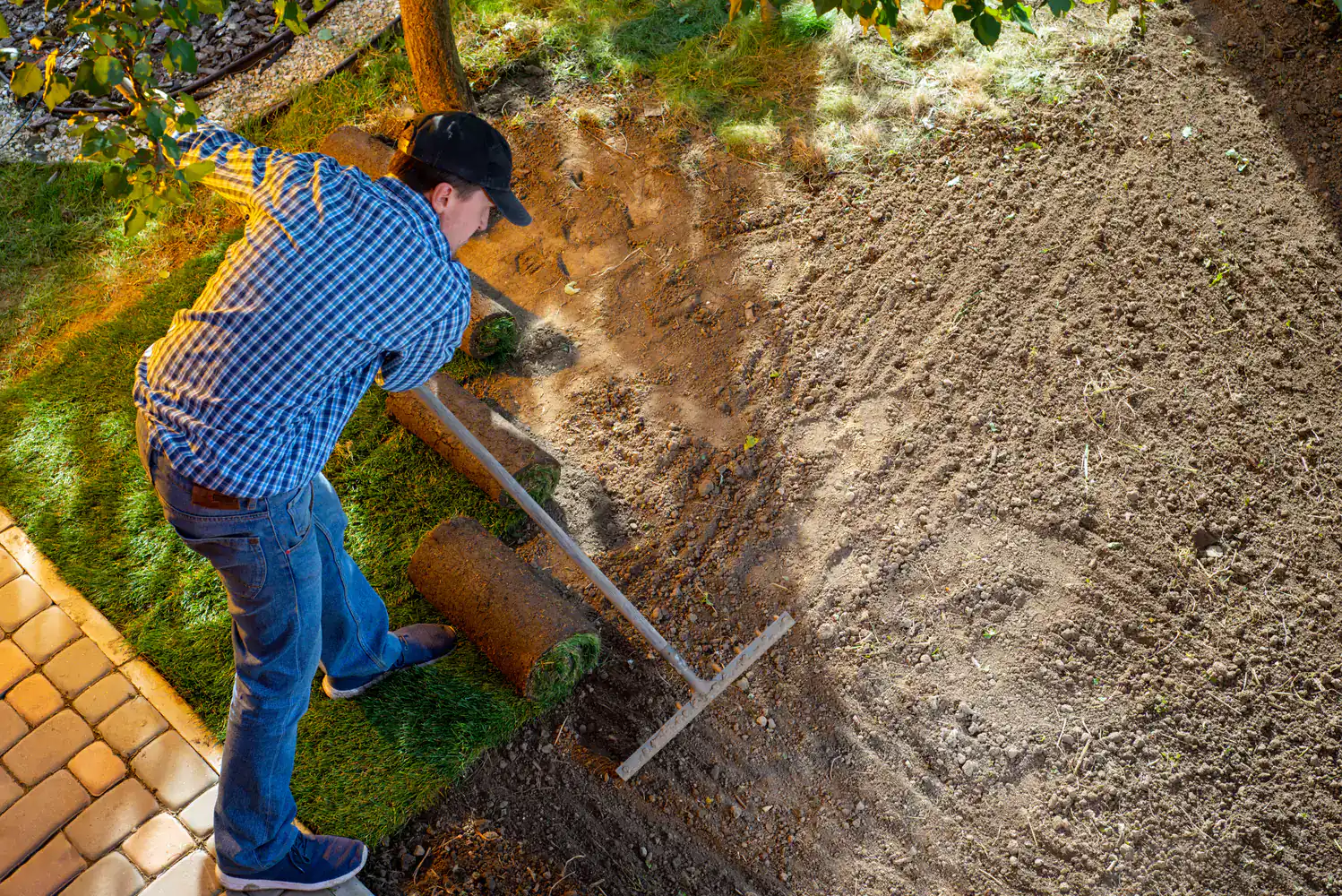
Miss the fall fertilizer window in Suffolk County and your lawn pays for it all winter. Here's what the timing actually looks like — and why it matters.
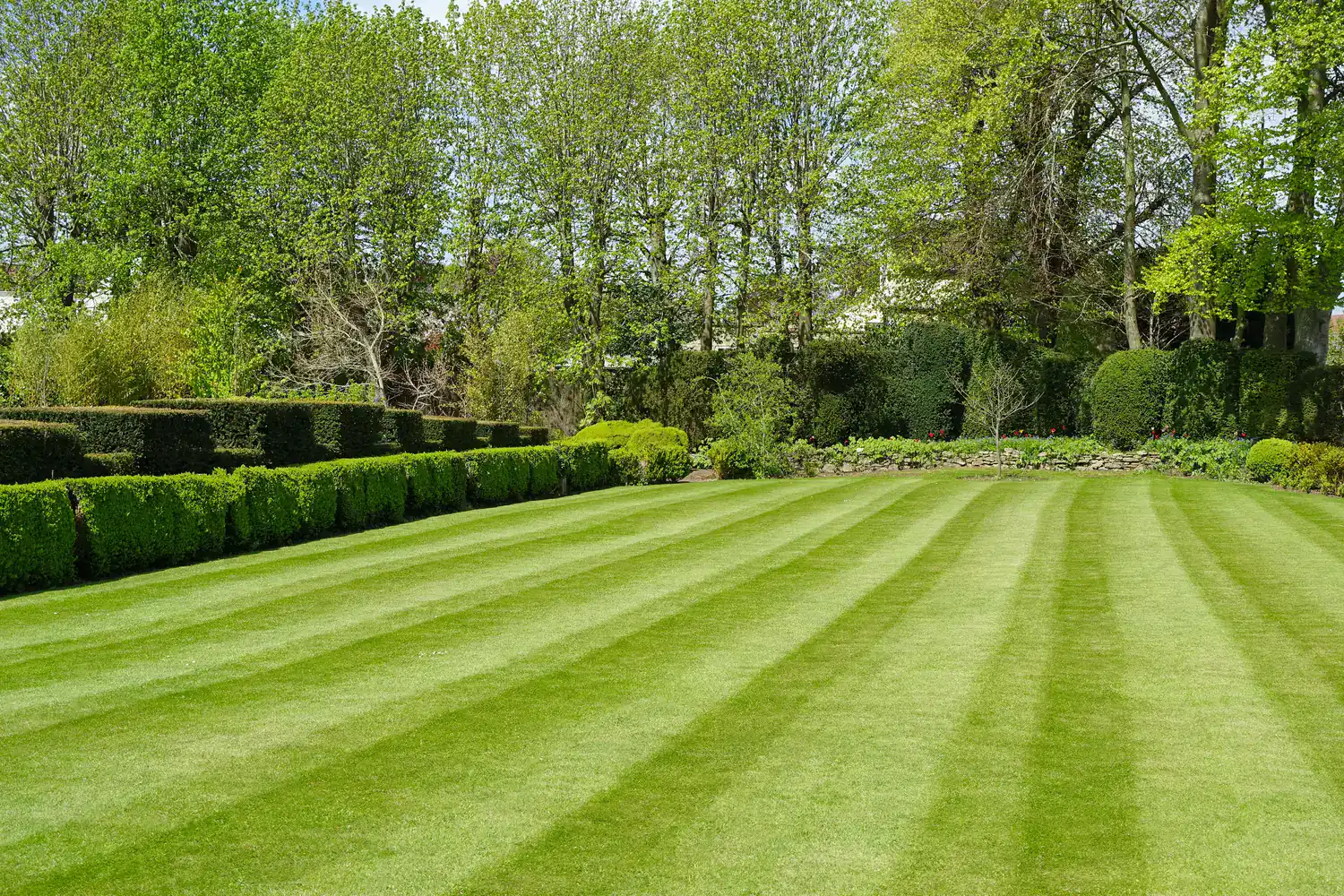
If you’ve ever wondered why your lawn looks thin and slow in April despite doing everything right in spring, the answer is almost always what didn’t happen the previous October. Fall fertilization is the most important application of the year for Long Island lawns — and in Suffolk County, it comes with a hard deadline most homeowners don’t know about until it’s too late.
Suffolk County bans all fertilizer applications between November 1 and April 1. No exceptions, no grace period. That means the window to feed your lawn before winter is shorter than most people realize — and getting the timing right is the difference between a lawn that thrives and one that limps through spring.
The sweet spot for fall fertilizer on Long Island is early September through late October. That’s when soil temperatures are dropping into the 50°F–65°F range, cool-season grasses like fescue, Kentucky bluegrass, and perennial ryegrass are in peak root growth mode, and the lawn is actively storing nutrients it will draw on all winter.
Waiting until late October isn’t wrong, but it does cut your margin thin. Suffolk County’s Healthy Lawns Clean Water program specifically recommends early September as the target — not because the grass needs it urgently right then, but because it gives the nutrients time to work before the ban closes the window entirely.

Most homeowners think of spring as the big lawn care moment. It makes intuitive sense — the grass is waking up, everything feels like a fresh start. But for the cool-season grasses that make up the vast majority of Suffolk County lawns, fall is actually where the real work happens.
Here’s why. In September and October, your grass isn’t just growing — it’s preparing. Root systems are expanding, the plant is drawing nutrients down into storage, and it’s building the energy reserves it will need to survive winter and green up quickly in spring. A well-fed lawn in October enters dormancy from a position of strength. An underfed one enters it depleted.
When spring arrives and you fertilize a lawn that had a strong fall feeding, you’re adding fuel to a machine that’s already primed to run. When you fertilize a lawn that missed its fall application, you’re essentially trying to restart something that ran out of gas months ago. The results look different, and the gap is visible.
Long Island’s soils add another layer to this. Suffolk County sits on a glacial outwash plain dominated by sandy, fast-draining soils — Haven and Riverhead series are the most common. These soils don’t hold nutrients the way heavier clay soils do. Nitrogen moves through them quickly. That’s precisely why slow-release formulations matter here, and why timing the fall application correctly is so critical. You want the nutrients available when the grass can actually use them, not leaching through the soil profile before the roots have a chance.
Cornell Cooperative Extension recommends approximately 2–3 pounds of nitrogen per 1,000 square feet per year for Long Island home lawns. A meaningful portion of that annual total should be applied in fall, when the grass is best positioned to absorb and use it.
This is where Suffolk County is different from most markets, and where a lot of homeowners get caught off guard. The fertilizer ban isn’t a suggestion from a local environmental group — it’s an enforceable law under Suffolk County Local Law 41-2007 and Chapter 459 of the Suffolk County Code. It applies to everyone: homeowners, landscapers, and commercial applicators alike.
Violations carry fines of up to $1,000 per incident. Intentional violations can be charged as an unclassified misdemeanor with penalties up to $5,000. For licensed commercial landscapers, repeat violations risk license revocation — which is effectively a business-ending consequence. The law was the first of its kind in New York State when it passed, and Suffolk County enforces it seriously.
The ban exists for a reason that hits close to home — literally. Long Island relies on a sole-source aquifer for drinking water for approximately 2.7 million people in Nassau and Suffolk counties. There is no municipal treatment system that removes nitrogen from groundwater. What leaches through the soil goes into the water supply. On top of that, more than half of Long Island Sound experiences dangerously low oxygen levels every summer due to nitrogen runoff — a problem visible in the fish kills that make local news every year.
One misconception worth clearing up: organic fertilizer is not exempt. The ban covers all fertilizer types, including organic products. Many environmentally conscious homeowners assume organic means unrestricted — it doesn’t in Suffolk County.
The practical takeaway is simple. If you want your lawn fertilized in fall, the work needs to be done by October 31. Not November 1. Not “close enough.” October 31. Plan accordingly, or work with someone who already has.
Want live answers?
Connect with a Lawn Master of Suffolk expert for fast, friendly support.
From November 1 through March 31, your lawn goes untreated — by law. That’s not necessarily a bad thing. Cool-season grasses enter dormancy during the coldest months, and applying fertilizer to a dormant lawn doesn’t feed the grass; it feeds the groundwater.
The ban period is actually an opportunity to assess, plan, and prepare. What did your lawn struggle with this year? Where were the thin spots, the weed pressure, the bare patches? Those answers shape what the spring program should look like, and having a plan in place before April 1 means you’re not scrambling when the window reopens.
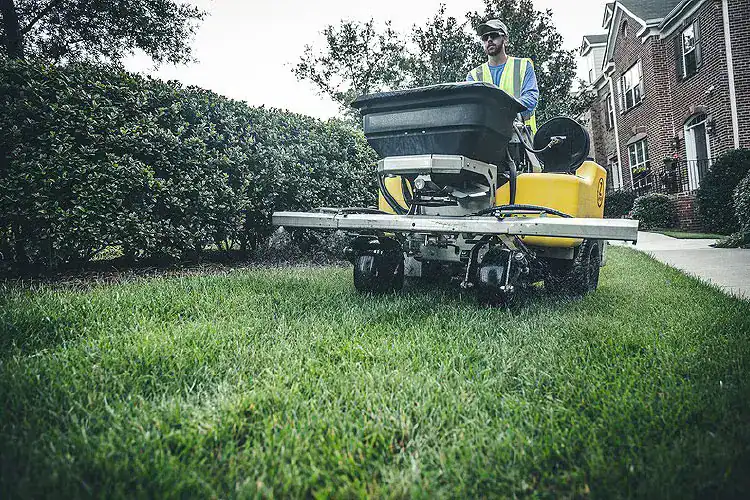
Before we get to spring, it’s worth addressing summer — because this is where a lot of well-intentioned homeowners make mistakes that compound into fall problems.
July and August are hard on cool-season grasses in Suffolk County. High humidity, heat, and the occasional drought push fescue and bluegrass into semi-dormancy. The grass isn’t dead; it’s conserving energy. And fertilizing a lawn in that state doesn’t help — it forces top growth the plant isn’t equipped to sustain, increases disease pressure, and sends nitrogen straight through those sandy Long Island soils and into the groundwater.
Suffolk County’s own Healthy Lawns Clean Water guidance specifically discourages fertilizing during periods of summer dormancy. This isn’t overly cautious advice — it’s sound science. The grass doesn’t need nitrogen it can’t use, and the water doesn’t need the nitrogen it can’t filter.
Summer is also when a lot of homeowners notice their lawn looking rough and reach for a bag of fertilizer as a fix. Thin, yellowing turf in August is almost never a fertilizer deficiency — it’s heat stress, drought stress, or both. Watering deeply and infrequently (rather than shallow daily watering) does more for a stressed summer lawn than any fertilizer application. Letting the grass go semi-dormant naturally and then feeding it properly in September is the right sequence.
If you do fertilize in summer — and there are situations where it makes sense, particularly for warm-season grasses or newly seeded areas — the application rate should be conservative, the product should be slow-release, and the timing should avoid periods of active heat stress. For most established Long Island lawns, the answer is simply to hold off and let fall do the heavy lifting.
April 1 is the date the ban lifts — but that doesn’t mean April 1 is the right day to fertilize. This is a distinction that matters, and it’s one reason working with someone who understands Long Island’s specific conditions pays off.
Soil temperatures on Long Island typically don’t reach the 55°F threshold for active cool-season grass growth until around April 12, based on Cornell Cooperative Extension data from Suffolk County. Applying fertilizer before the soil is warm enough to support active root uptake wastes product and risks sending nitrogen into the groundwater before the grass can absorb it. The ban may have lifted, but the biology hasn’t caught up yet.
The spring restart strategy should be phased. Early April is a good time for assessment — checking soil conditions, identifying winter damage, and evaluating where overseeding or aeration might be needed. Mid-April, once soil temperatures are confirmed above 55°F, is when fertilization becomes productive. A balanced formulation with moderate nitrogen supports steady, even green-up without pushing the excessive top growth that weakens roots and invites disease.
It’s also worth noting that a lawn with a strong fall fertilizer application behind it will green up faster and more evenly in spring than one that didn’t get fall feeding. The root reserves established in October are what drive early-season performance. Spring fertilizer accelerates what fall built — it can’t fully substitute for it.
Aeration in spring, particularly in Suffolk County’s compacted sandy soils, helps open the soil profile so nutrients and water reach the root zone efficiently. If the lawn didn’t get aerated in fall, spring is a reasonable second window. Hydraulic aeration equipment creates deeper, more consistent channels than walk-behind machines, which matters in soils that compact and crust between seasons.
The spring window in Suffolk County is relatively short before summer heat starts building pressure on cool-season grasses. Getting the timing right — not too early, not too late — is what separates a lawn that comes out of winter looking strong from one that struggles through May trying to catch up.
The November 1 ban is a hard stop. There’s no flexibility built into it, and the consequences of getting it wrong — either missing the window entirely or applying after the cutoff — show up in your lawn’s performance and potentially in your wallet.
The good news is that the fall window, when used correctly, does more for a Suffolk County lawn than any other application of the year. Early September through late October is when cool-season grass is most receptive, when the soil conditions are right, and when the nutrients you apply will actually be used rather than wasted.
If you want to stop guessing at timing and start seeing consistent results, we’ve been doing this work in Suffolk County since 1987. Reach out before the October deadline — that’s when the window is open, and that’s when it counts.
Summary:
Article details:
Share: