

Hear from Our Customers
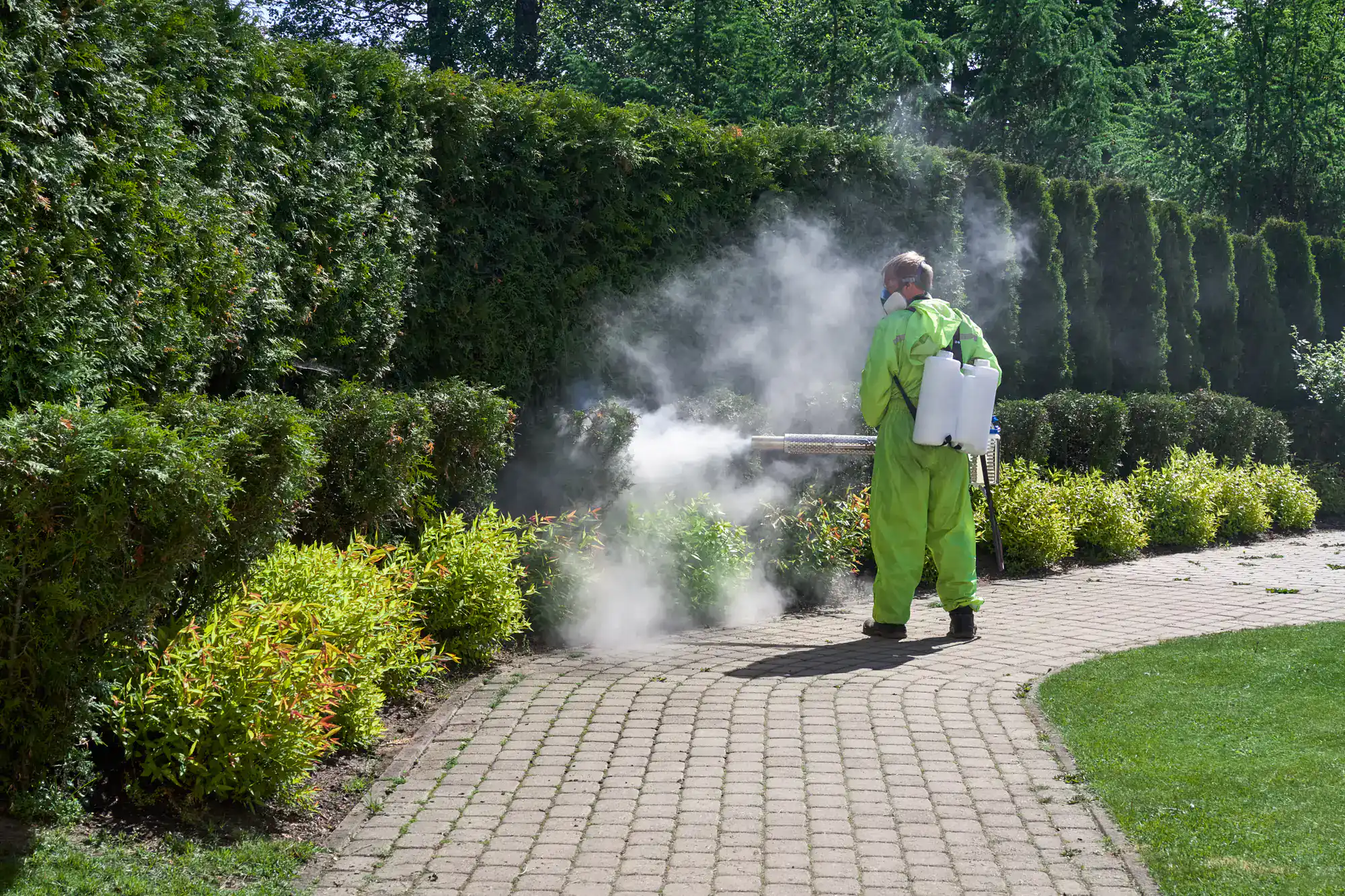
If you’ve got kids running through the backyard, a dog that visits Mud Creek Dog Park, or a property that backs up to the Swan River corridor, you already know the risk is real. Ticks in East Patchogue aren’t a seasonal nuisance they’re a documented public health concern. More than half of Long Island ticks carry Lyme disease, and Suffolk County’s South Shore communities tend to run even higher than the countywide average.
What changes after a properly timed, professionally applied treatment program isn’t just the tick count it’s how you use your outdoor space. You stop doing the mental calculation every time your kid plays in the yard. Your dog comes back from a walk without you spending ten minutes checking every inch of fur. That’s the actual outcome worth talking about.
East Patchogue’s housing stock adds another layer to this. Most homes here were built around 1970, which means 50-plus years of mature oaks, dense landscaping, and accumulated leaf litter exactly the conditions ticks prefer. Sandy South Shore soil also tends to produce thinner, more stressed turf, which creates more harborage opportunity along lawn edges and shrub borders. We build treatment programs that account for those specific conditions in East Patchogue, not a generic spray schedule built for someone else’s yard.
We’ve been treating Suffolk County lawns since 1987. That’s not a tagline it’s context. The South Shore communities around East Patchogue, from Patchogue to Blue Point to Bayport, have been part of our service area for decades. We know the seasonal tick patterns here, the sandy soil conditions, the deer pressure along the Swan River corridor none of that is new information to us.
Every technician who treats your property is a licensed pesticide professional under the New York State DEC. That’s a legal requirement in New York, but it’s worth saying plainly: a lot of companies in this market send workers who aren’t certified. We don’t. Licensed means trained, accountable, and legally authorized to make the judgment calls that affect how well a treatment actually works.
This is an owner-operated business, and that shows up in how jobs get done. There’s no revolving door of seasonal workers, no franchise playbook being followed from a regional office. The expertise that built our company over nearly four decades is the same expertise behind every program we run today.
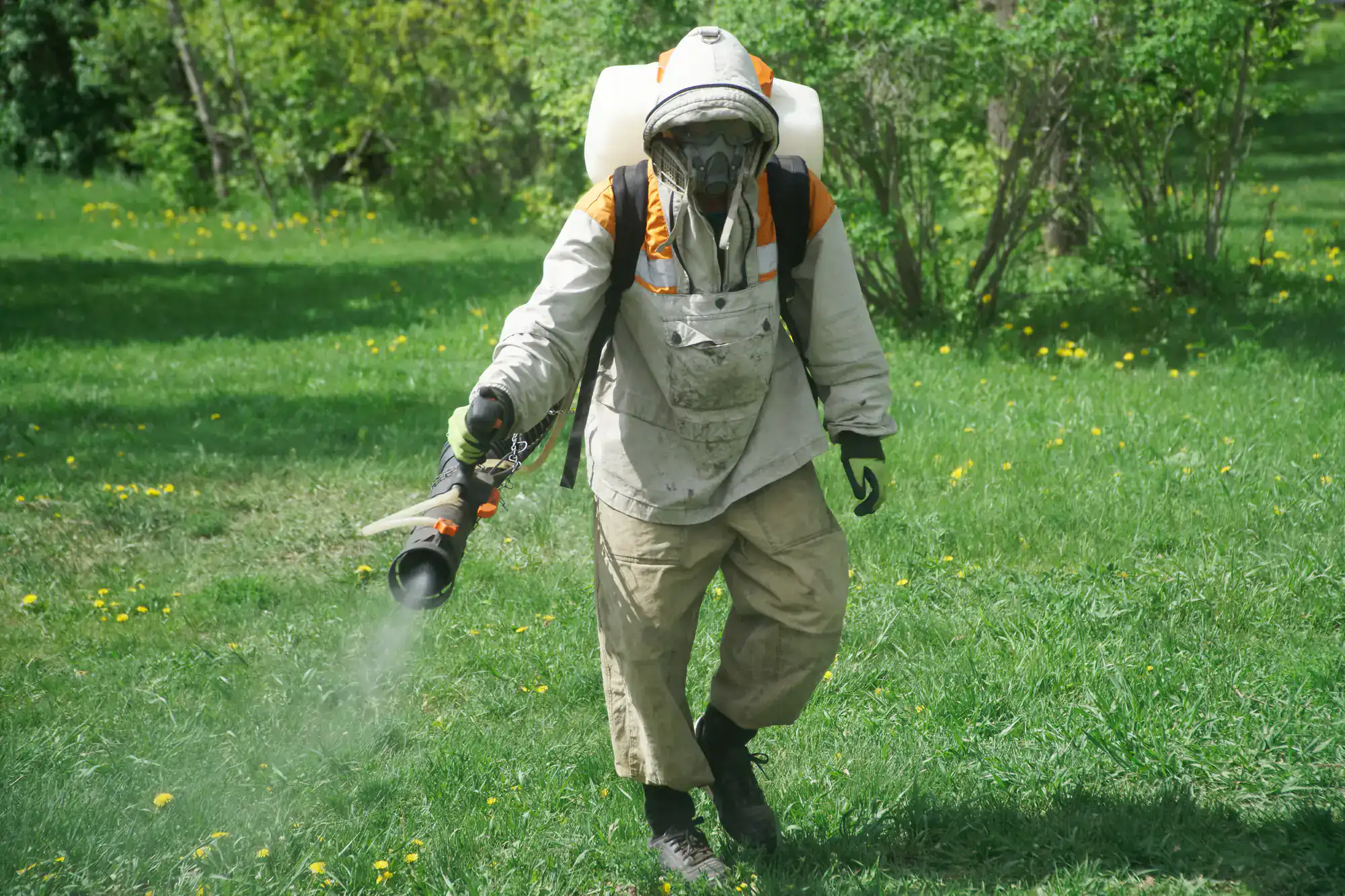
It starts with an honest look at your property. East Patchogue lots vary some back up to the Swan River, some sit near the bay, some are shaded heavily by mature trees that have been growing since the 1970s. Before anything gets applied, we identify the harborage zones on your specific property: the leaf litter pockets, the shrub borders, the shaded margins where ticks actually live. Ticks don’t sit in the middle of your open lawn. They’re in the edges, and that’s where treatment has to go.
From there, we build the program around Long Island’s actual tick calendar, not a national template. On the South Shore, the coastal microclimate means tick activity can start earlier in spring than inland communities and extend further into fall. The nymphal stage the poppy-seed-sized ticks responsible for most Lyme transmissions peaks in May and June. That window gets targeted specifically. Summer treatments maintain coverage through the high-use season. A fall application addresses the second adult tick surge before overwintering.
If fleas are part of the picture, our yard treatment targets the full life cycle not just the adults you can see. Professional-grade products with insect growth regulators disrupt the egg and larval stages, which is where a hardware store spray falls short. We handle Suffolk County’s notification requirements as part of the process, so there’s nothing on your end to manage.

Ready to get started?
Our flea and tick programs are custom-built per property which matters more in East Patchogue than it might somewhere else. A waterfront lot on Pine Neck Avenue with bay access and a high-traffic dog has different exposure dynamics than an inland property near Sunrise Highway with a heavily shaded backyard. Both need treatment. Neither needs the same program.
The integrated approach we bring is also worth understanding. We’re not a standalone pest control company we’re a full lawn care operation with licensed pest treatment built in. That matters because a dense, properly maintained lawn is itself a form of tick habitat reduction. Thin, stressed turf the kind East Patchogue’s sandy soil tends to produce creates more harborage opportunity. Custom-blended fertilizer, hydraulic aeration, and proper seeding are part of what we bring to the table, and they directly affect how hospitable your yard is to pests between treatments. No competitor in the East Patchogue market offers both sides of that.
All programs are delivered by NYSDEC-licensed professionals, comply with Suffolk County’s neighbor notification requirements, and are scheduled with seasonal timing built around the actual pest calendar for this part of Long Island not a generic schedule copied from somewhere else.
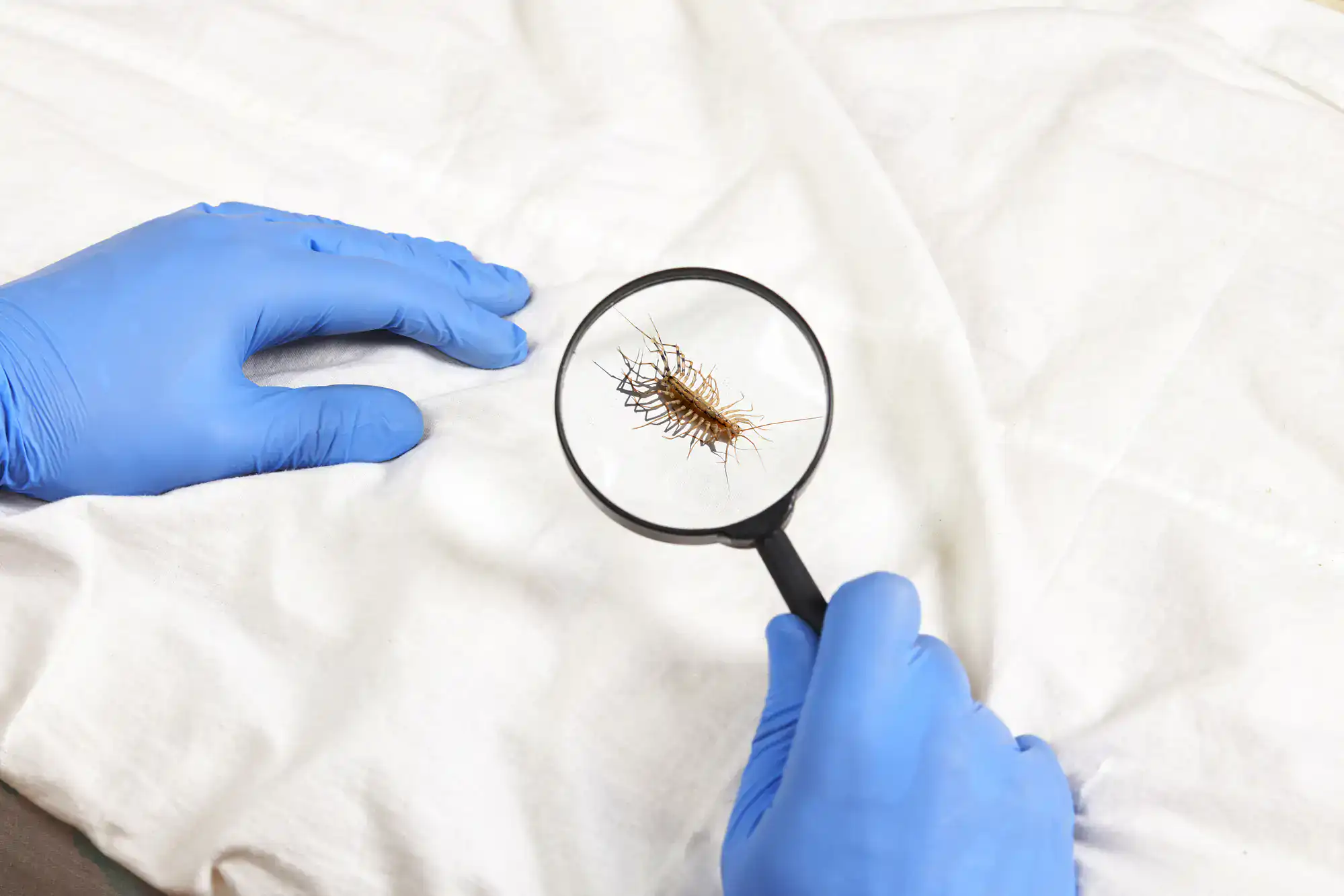
On Long Island’s South Shore, tick season starts earlier than most people expect. Adult deer ticks can become active during late-winter warm spells sometimes as early as late February or March because East Patchogue’s coastal microclimate keeps temperatures more moderate than inland Suffolk County communities. By the time most homeowners start thinking about tick season, the first generation is already moving.
The practical answer is to start your program in early April at the latest, ideally before nymphal ticks emerge in May. Nymphal ticks are the stage responsible for the majority of Lyme disease transmissions, and they’re roughly the size of a poppy seed nearly impossible to spot on skin or clothing. Getting ahead of that window is the whole point of a seasonal program.
The short answer is yes, and the reason comes down to how the products are applied, not just what they are. Our licensed professionals know exactly where to apply treatment, how much to use, and how to keep it away from areas where kids and pets spend the most time. That precision matters. A homeowner with a hardware store spray and no training is guessing at dosage and coverage.
In New York State, commercial pesticide applicators are required to hold a NYSDEC certification 30-plus hours of required training plus a licensing exam. That certification exists because pesticide application done wrong creates risks that done right doesn’t. The products we use are also different from what’s available over the counter. They’re more targeted, more effective at low concentrations, and in many cases include insect growth regulators that break the flea life cycle at the egg and larval stage something no consumer product on the shelf does reliably.
For most East Patchogue properties, a well-structured seasonal program runs three to four applications timed to the key stages of the tick life cycle. The first targets adult ticks and early nymphal activity in spring. Subsequent treatments through the summer maintain coverage during the peak outdoor-use months. A fall application addresses the second adult tick surge, which runs from September through November and represents the second major Lyme transmission window of the year.
Properties with higher pressure those adjacent to the Swan River corridor, near wooded Brookhaven Town preserved lands, or with regular deer activity in the yard may benefit from tighter treatment intervals during peak season. Deer are the primary reproductive host for black-legged ticks, and their movement through residential neighborhoods deposits tick eggs continuously. A single annual application can’t keep pace with that kind of reinfestation pressure. That’s why the program structure matters as much as the products we use.
The legal difference is straightforward: in New York State, anyone applying pesticides commercially is required by law to hold a valid NYSDEC Commercial Pesticide Applicator certification. Companies that send uncertified workers to apply pesticides aren’t cutting corners they’re operating illegally. That’s worth knowing before you let anyone treat your property.
Beyond the legal issue, the practical difference shows up in results. A licensed applicator has been trained to identify harborage zones, select the right products for the pest species and life stage present, calibrate application rates correctly, and apply treatments in a way that minimizes exposure to people and pets. An unlicensed worker with a spray tank is doing none of that with any formal basis. In East Patchogue specifically, where tick pressure from the Swan River corridor, mature lot conditions, and deer movement is genuinely elevated, the quality of the application makes a real difference in whether the program actually works.
Yes, and honestly, combining them tends to produce better results than treating them as separate services. The reason is straightforward: the health of your lawn directly affects how hospitable your yard is to ticks and fleas between treatments. Thin, stressed turf which is a documented challenge in East Patchogue due to the area’s sandy, fast-draining South Shore soil creates more leaf litter accumulation, more bare-spot conditions, and more of the shaded, damp margins where ticks concentrate.
Our integrated approach addresses both sides of that equation. Custom-blended fertilizer, hydraulic aeration, and proper overseeding build the kind of dense, healthy turf that is itself less attractive to pests. When that’s paired with a seasonally timed pest control program delivered by our licensed professionals, you’re not just treating the symptom you’re improving the underlying conditions that drive pest pressure in the first place. That’s something a standalone pest control company structurally can’t offer.
Cost varies based on property size, the level of harborage pressure on your specific lot, and how many applications your program includes across the season. For a typical East Patchogue single-family property, a seasonal program generally runs somewhere in the range of a few hundred dollars for the full treatment schedule which, when you put it next to the cost of a single Lyme disease diagnosis, tends to reframe the math pretty quickly. Lyme treatment involves weeks of antibiotics at minimum, potential long-term complications, and medical costs that dwarf what a season of professional yard treatment runs.
East Patchogue homeowners are typically dealing with properties that have real tick pressure mature lots, wooded borders, proximity to the Swan River corridor or bay-adjacent green spaces so the value of a properly structured program is higher here than it might be on a newer, more open property elsewhere. The best way to get an accurate number for your specific yard is to have it assessed directly. Property size and conditions vary enough in this neighborhood that a flat-rate quote without a site evaluation isn’t going to be accurate for anyone.
Useful Links
Other Services we provide in East Patchogue