
Hear from Our Customers
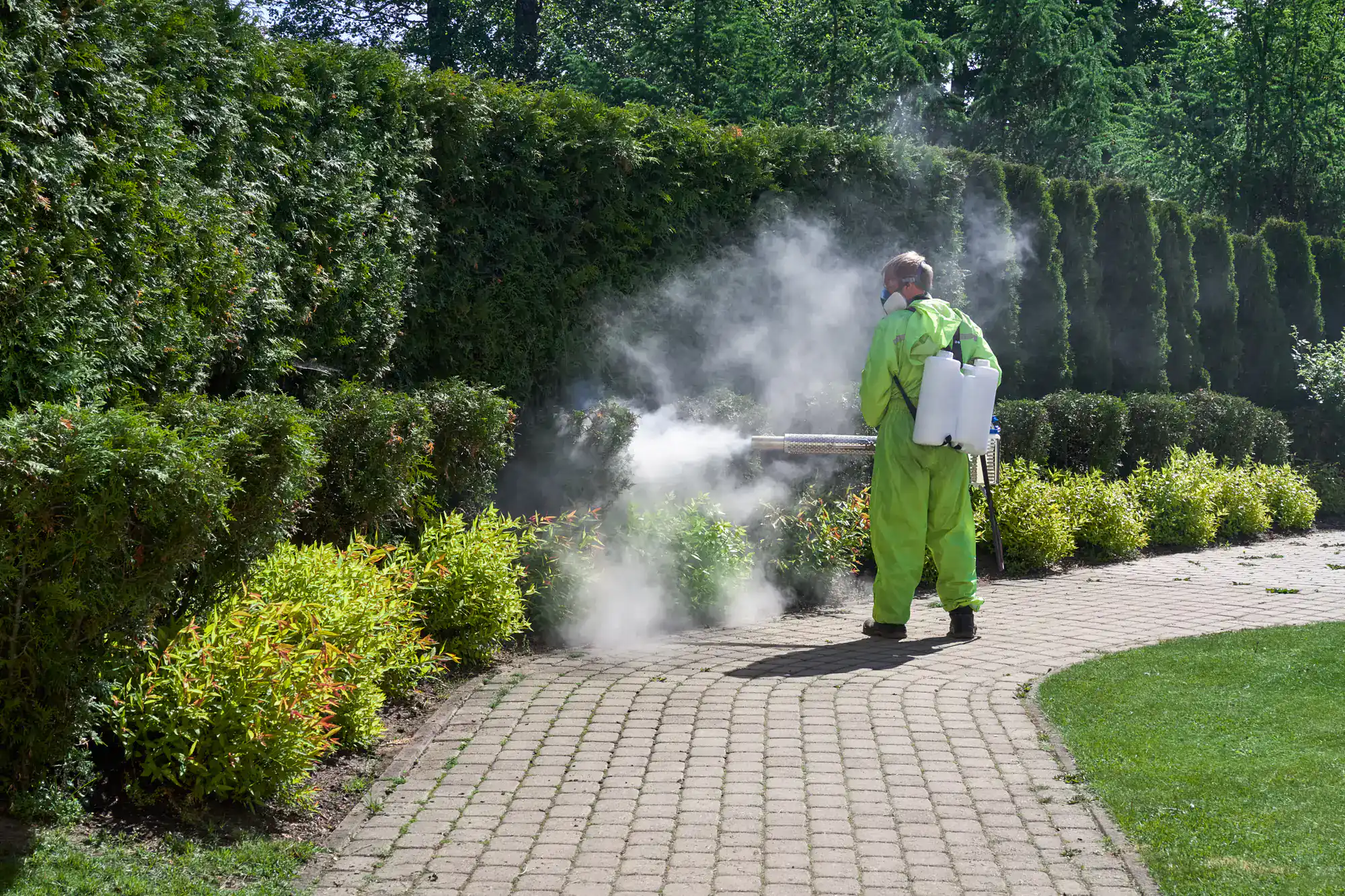
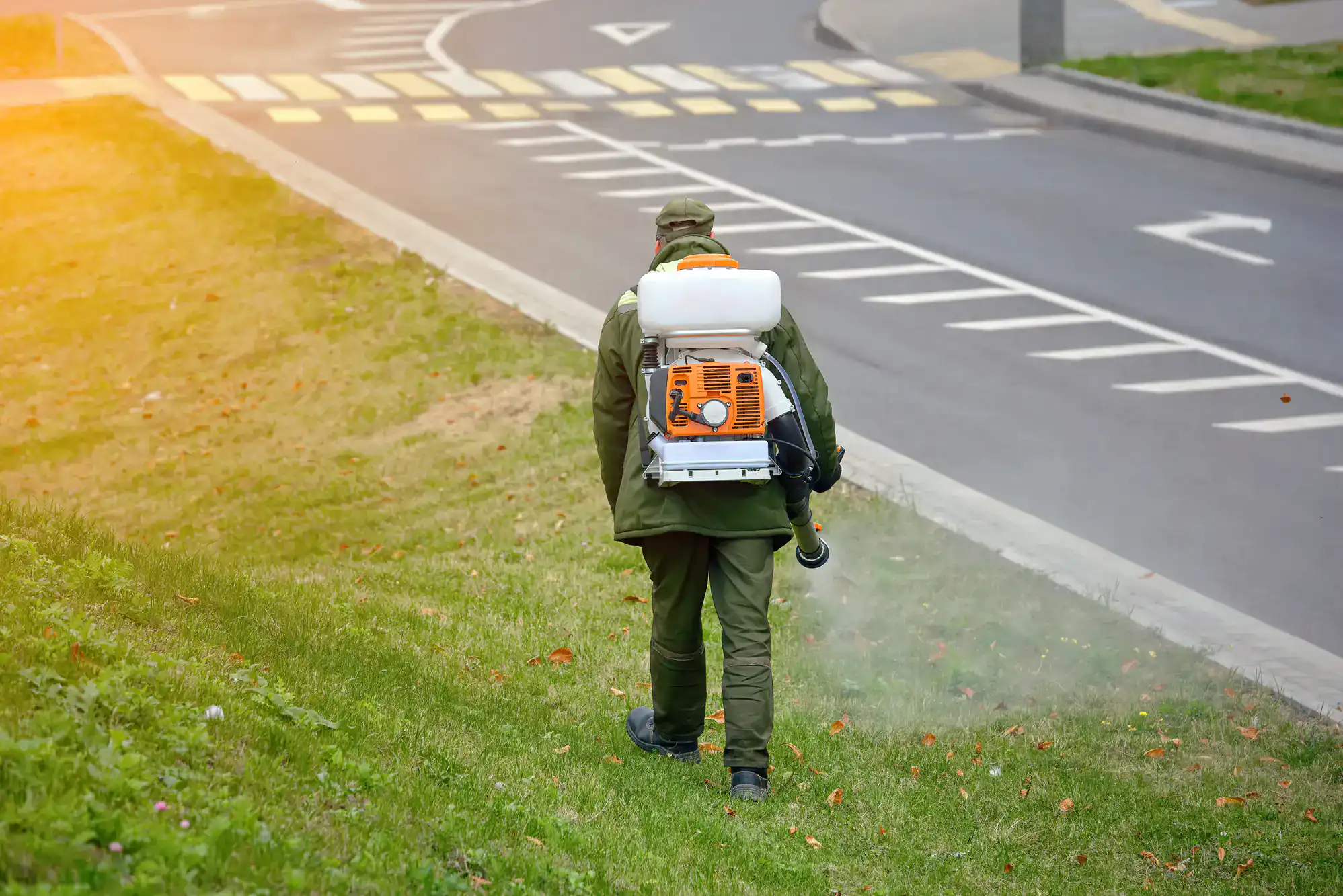
If you’ve found a tick on your dog after a walk near the Glacier Ridge trails, or pulled one off your kid after an afternoon in the yard, you already know the anxiety that follows. That feeling doesn’t go away on its own and it shouldn’t take a Lyme diagnosis to make professional tick control feel worth it.
Farmingville sits directly on the Ronkonkoma Moraine, and that wooded, hilly terrain isn’t just scenic it’s one of the most tick-friendly environments on Long Island. Dense shade, leaf litter accumulation on sloped lots, and the constant movement of deer and small mammals between Glacier Ridge Preserve and residential yards creates a cycle of tick pressure that doesn’t let up from April through November. A seasonal program addresses that pressure at every stage, not just during the obvious spring peak.
What changes after consistent, licensed treatment is simple: you stop thinking twice before letting your kids play outside. Your dog can come back from a walk without a full inspection every time. You use the yard you paid for. That’s the outcome not a perfect lawn on paper, but an outdoor space that actually works for your family.
We’ve been treating Suffolk County properties since 1987, including Farmingville and the surrounding communities along the Ronkonkoma Moraine. That’s not a tagline it’s a track record. We were built here, have operated here through every tick season Long Island has thrown at it, and understand the specific conditions that make central Suffolk County properties like those near Bald Hill and the Glacier Ridge Preserve genuinely different from communities further south on the outwash plain.
Every technician applying pesticides on your property is licensed under the New York State Department of Environmental Conservation’s commercial applicator program. That’s a legal requirement many companies quietly sidestep by sending unlicensed labor. We don’t. You get certified professionals, not a crew with a spray tank.
The other thing worth knowing: this isn’t a franchise. There’s no call center, no layers of management between you and accountability. Owner-level expertise is on every job, which means when something needs attention, it gets it without you having to chase anyone down.
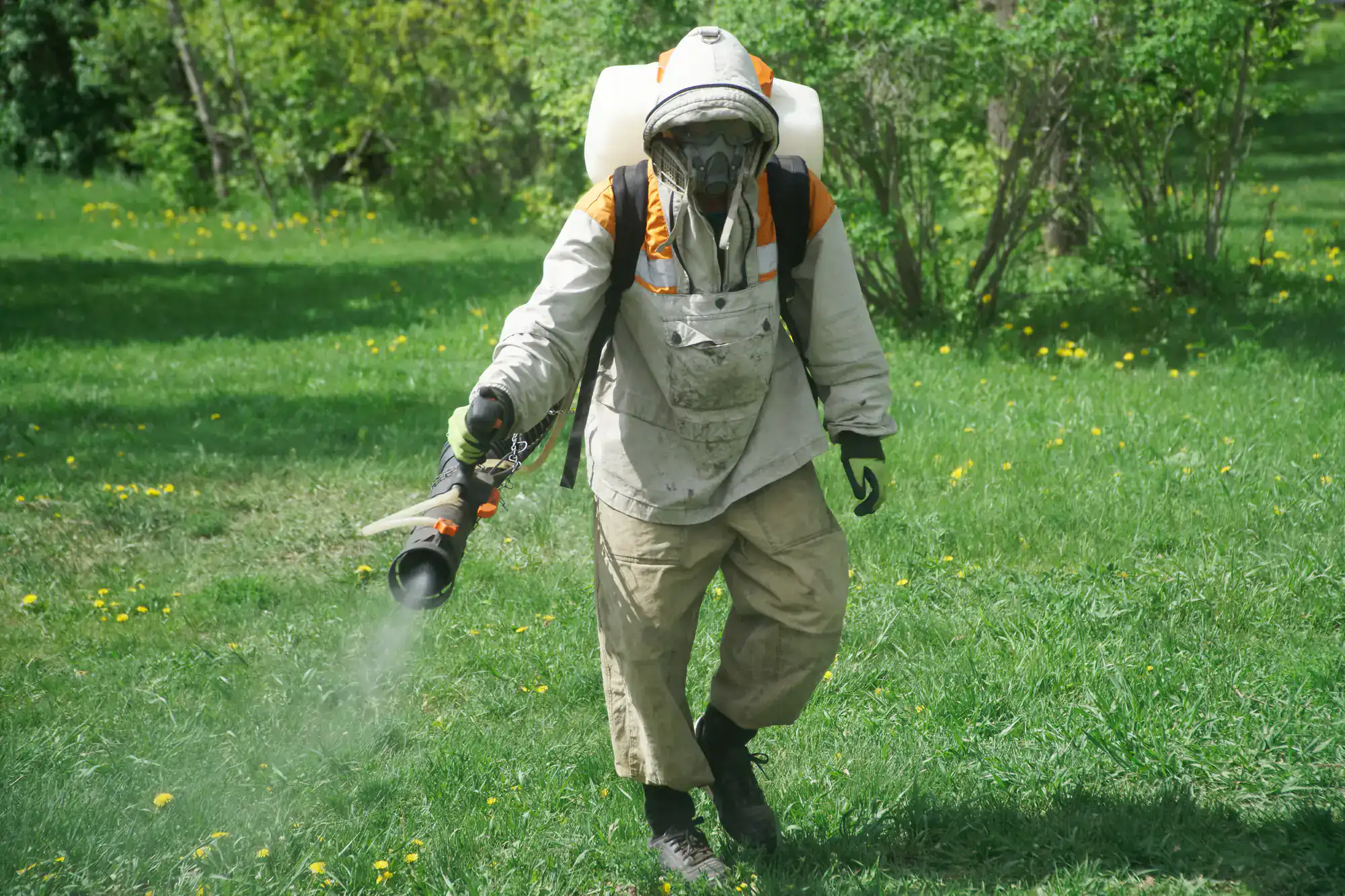
It starts with your specific property not a template. Farmingville lots vary significantly. A home backing up to the wooded border of Glacier Ridge Preserve has completely different tick pressure than a property on an open street near Middle Country Road. We build the treatment plan around what’s actually on your lot: wooded edges, shaded fence lines, leaf litter zones, pet activity areas, and any low-lying areas where moisture accumulates.
The first application goes down in early April, before nymphal tick populations peak. That timing matters more than most homeowners realize nymphal deer ticks are poppy-seed-sized and nearly impossible to spot before they’ve already fed. Getting ahead of that May–June surge is the whole point of starting early. From there, applications follow every 30 days through the active season, with a fall treatment in September or October to address the second adult tick surge that catches a lot of people off guard.
Each application targets the harborage zones where ticks actually live not just the open lawn. After the product dries, typically within 30 to 60 minutes, your yard is ready for normal use. You’ll get seasonal reminders so you’re never guessing when the next treatment is due, and billing is handled online so there’s nothing to chase down.
Ready to get started?
Flea and tick control in Farmingville isn’t a one-size application. The community’s position on the Ronkonkoma Moraine with Glacier Ridge Preserve and Farmingville Hills County Park sitting directly adjacent to residential neighborhoods means tick populations here have consistent wildlife corridor access to residential yards year-round. That’s a different problem than a flat, open suburban lot, and it requires a program designed around it.
Our treatments are applied by NYSDEC-licensed professionals using commercial-grade product targeted at the areas that matter most: wooded borders, shaded slopes, ornamental beds, and the transitional zones between maintained lawn and natural growth. These are the areas where blacklegged ticks, lone star ticks, and American dog ticks actually concentrate not the middle of a sunny backyard. Fleas get addressed at the same time, including the harborage areas along fences, under decks, and in shaded ground cover where flea populations establish and cycle.
Because we handle both lawn care and pest control, there’s also a practical advantage most standalone pest companies can’t offer. Thatch buildup, poor drainage, and overgrown turf all make your yard more hospitable to pests. When those conditions are addressed alongside the treatment program, you’re not just spraying over the problem you’re reducing the conditions that invite it back. That’s what an integrated lawn care approach looks like in practice, and it’s what separates a real program from a one-time spray.
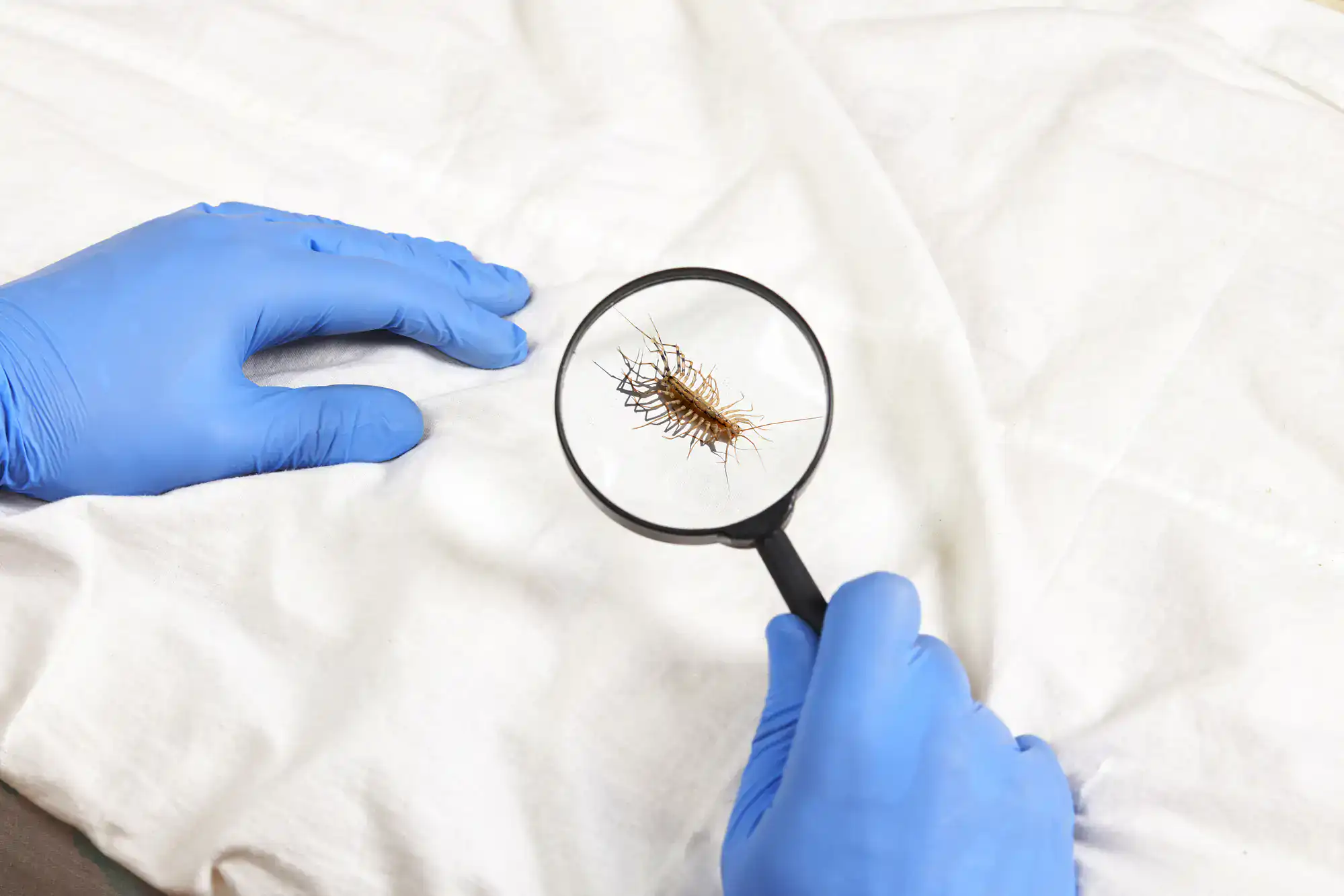
Yes and it’s not just a general Suffolk County warning. Farmingville’s specific geography puts it in a higher-risk category than many surrounding communities. The Glacier Ridge Preserve, 240 acres of preserved woodland directly adjacent to residential neighborhoods, creates a permanent wildlife corridor between dense forest and residential yards. Deer, white-footed mice, and other small mammals that carry and transmit Lyme-infected ticks move freely between the preserve and the properties bordering it.
Columbia University research found that 56% of Long Island ticks carry Lyme disease, and Suffolk County’s infection rates rank among the highest in New York State. If you live near Bald Hill, back up to a wooded lot, or walk your dog on the Glacier Ridge trails, your exposure risk is real and recurring not theoretical.
For a property in Farmingville, a minimum of four to six applications per season is the realistic standard for effective control. Each application provides roughly four to six weeks of protection, which means a single treatment in May doesn’t carry you through October it barely covers the first peak.
The blacklegged tick has two documented activity surges on Long Island: nymphs in May and June, and adults again in September through November. Lone star ticks remain active across the full warm season. A program that only addresses one of those windows leaves a significant gap. For properties near the Glacier Ridge Preserve or Farmingville Hills County Park where wildlife pressure is constant skipping treatments mid-season means tick populations can rebound quickly. The goal of a seasonal program is consistent population suppression, not a one-time knockdown.
When we apply treatments by licensed professional standards, the products used in yard tick control are targeted to harborage zones wooded edges, shaded areas, fence lines, ornamental beds not broadcast-sprayed across every inch of the lawn. That targeting matters both for effectiveness and for minimizing unnecessary exposure.
Re-entry is typically safe once the application has dried, which usually takes 30 to 60 minutes depending on conditions. Your technician will let you know the specific window for your treatment. It’s also worth putting this in perspective: the documented risk of Lyme disease, babesiosis, and Powassan virus all confirmed in Suffolk County ticks is significantly greater than the minimal, professionally managed risk of a properly applied licensed treatment. For Farmingville residents with proximity to wooded preserves and active wildlife corridors, that calculation matters most.
The biggest difference isn’t the product it’s the application. Store-bought sprays are typically applied by homeowners to the open lawn, which misses the areas where ticks actually live. Ticks concentrate in shaded, moist zones: wooded lot borders, leaf litter accumulation, ornamental beds, under decks, and along fence lines. If those areas aren’t treated thoroughly, you’re spending money and getting partial results at best.
Professional treatments also use commercial-grade formulations that aren’t available over the counter, applied at the correct concentration and coverage rate by someone trained specifically for this. In New York State, commercial pesticide application requires NYSDEC licensure meaning the person doing the job has completed state-mandated training and passed a licensing exam. Beyond the product itself, a professional seasonal program is structured around the actual tick calendar, with applications timed to the spring nymphal surge and the fall adult surge that most DIY homeowners miss entirely.
The first application should go down in early April before most homeowners are thinking about ticks at all. This timing is deliberate. Nymphal deer ticks, which are responsible for the majority of Lyme disease transmission, begin emerging in late April and peak through May and June. They’re poppy-seed-sized and nearly impossible to detect before they’ve already fed. Getting a treatment down before that emergence window is the most important application of the entire season.
On Long Island, adult ticks also become active during warm spells in late winter, so waiting until you see a tick to start treatment means you’re already behind. For Farmingville properties near Glacier Ridge Preserve or Farmingville Hills County Park, where wildlife pressure is consistent and the wooded borders are significant, starting early and maintaining the program through October gives you the best chance of keeping tick populations suppressed across both activity peaks.
It comes down to what’s actually driving the problem on your property. A standalone exterminator can spray for ticks, but they’re not looking at the lawn conditions that make your yard more hospitable to pests in the first place. Thatch buildup, excessive moisture from poor drainage, overgrown turf, and neglected lot borders all create the kind of microhabitat that fleas and ticks prefer. Treating the pest without addressing those conditions means the problem keeps coming back.
We handle both sides of that equation. The same company managing your fertilization, aeration, and lawn health is also managing your tick program which means the two are coordinated, not siloed. For Farmingville homeowners with established 1960s and 1970s-era properties, where aging lawns often have compaction, thatch, and drainage issues that create exactly the conditions ticks favor, that integrated approach makes a practical difference. You’re not just suppressing the symptom you’re improving the underlying conditions that invite it back season after season.
Useful Links
Other Services we provide in Farmingville