

Hear from Our Customers
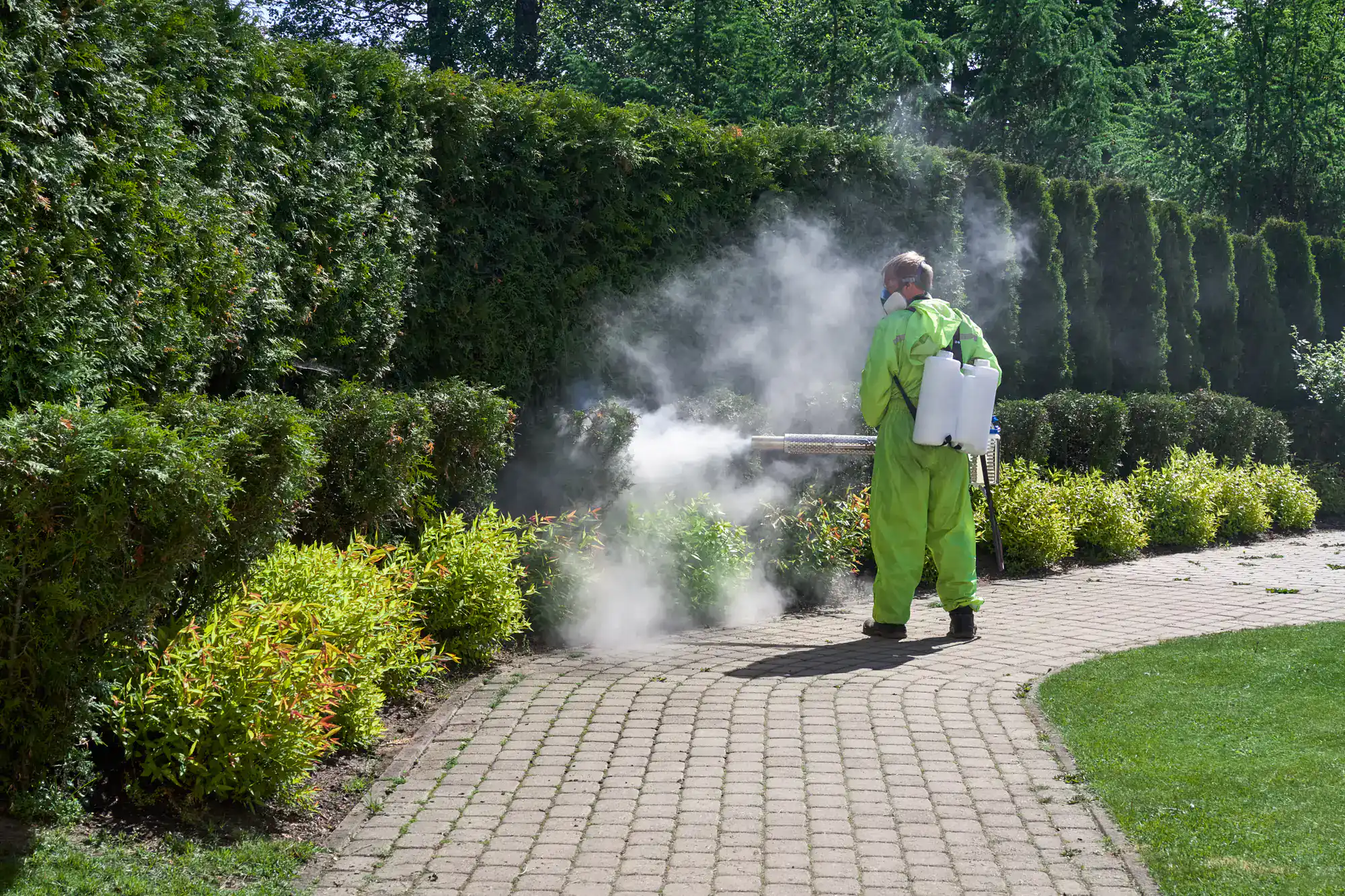
When ticks are a real concern not just a seasonal afterthought the goal isn’t just to spray something and hope for the best. It’s to create a yard where your kids can play, your dog can run, and you’re not doing a full tick check every time someone comes back inside. That’s what a properly structured seasonal treatment program delivers.
Medford’s position along the Pine Barrens transition zone changes the math on tick pressure compared to most Long Island communities. The scrub oak and pitch pine edges bordering residential developments here are prime habitat for lone star ticks specifically an aggressive species that actively pursues hosts rather than waiting on grass blades. Add the deer herds that move freely between protected Pine Barrens land and residential streets, depositing adult blacklegged ticks as they go, and you’re dealing with a sustained, multi-species pressure that doesn’t let up from April through November.
A well-executed flea and tick control program addresses the places where ticks actually live wooded borders, shaded fence lines, leaf litter, ornamental beds, and the transition zones between your lawn and whatever sits behind it. When that’s done right, on the right schedule, by someone who’s licensed to do it properly, the difference is something you feel every time you step outside.
We’ve been serving Medford and surrounding Suffolk County communities since 1987 which means we were treating Long Island properties before most of our current competitors even existed. That’s not a throwaway stat. It represents decades of accumulated, property-level knowledge about how tick seasons actually unfold on Long Island, what Pine Barrens-adjacent lots in Medford require, and what a reliable seasonal program looks like from start to finish.
Every technician we put on your property is a licensed pesticide professional under NYSDEC certification not a labor-only crew following a spray route. In New York State, that distinction is the law, and it’s one that many companies operating in Medford quietly ignore.
From Eagle Estates to Parkway Estates, we’ve been working in communities like yours along the Route 112 corridor for decades. The trucks are professional, the programs are custom-built for each property, and the accountability runs straight to ownership not a regional franchise manager you’ll never speak to.
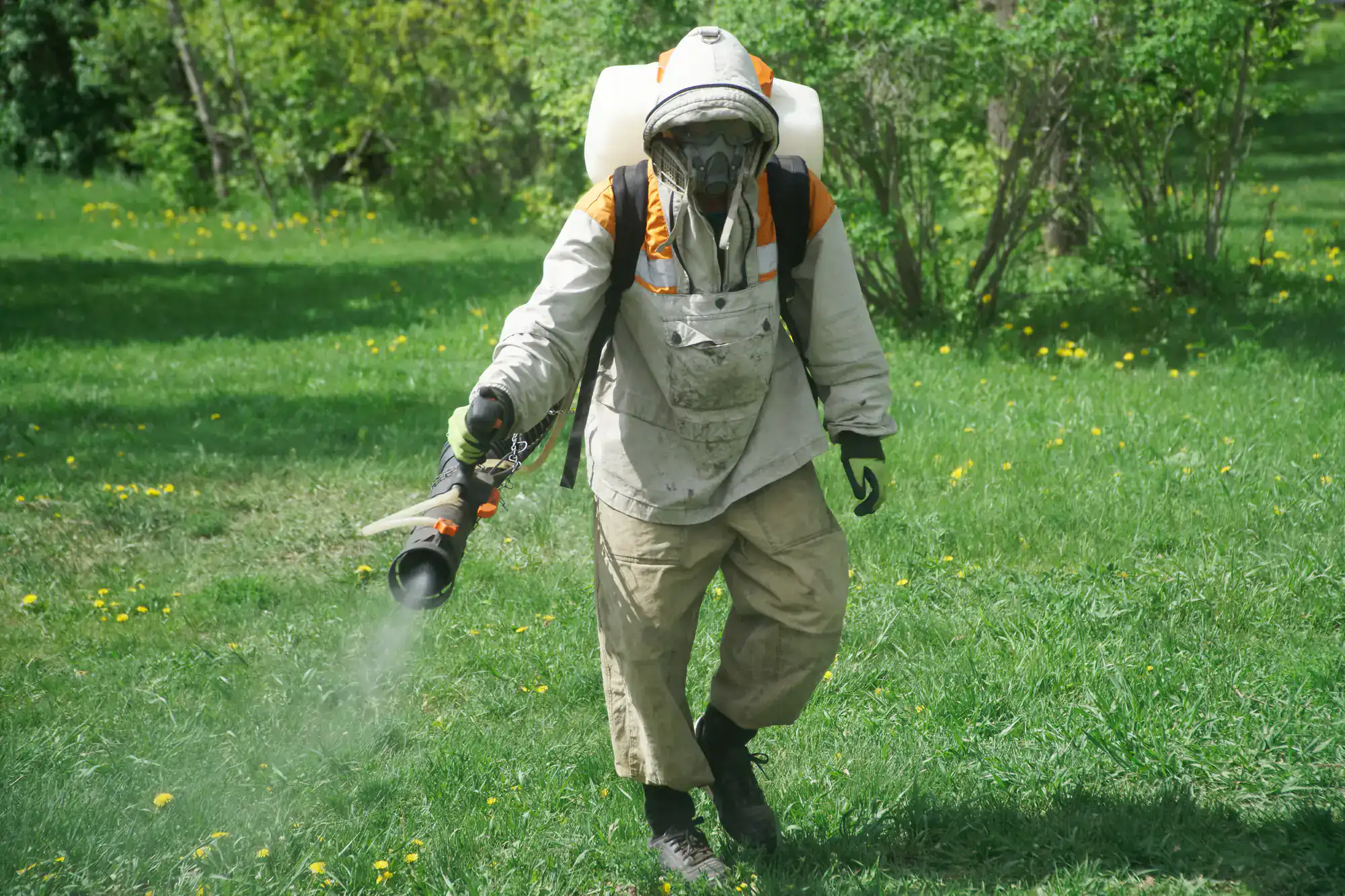
It starts with an assessment of your specific property not a generic walkthrough, but an actual evaluation of your wooded borders, shaded zones, ornamental beds, fence lines, and any transition areas between your lawn and surrounding vegetation. In Medford, that often means paying close attention to properties that back up to scrub oak edges or have deer corridors running nearby. Those details change where the treatment goes and how it’s structured.
From there, we build a seasonal program timed to Long Island’s actual tick activity windows. The first application goes down in early April, before nymphal deer tick populations peak in May and June the period when the smallest, hardest-to-spot ticks are most active and most likely to transmit Lyme disease. Each treatment provides roughly four to six weeks of protection, and the program continues through fall to address the second surge of adult blacklegged ticks that runs September through November.
For properties with wooded borders which describes a significant portion of Medford’s residential lots treatment extends into the tree line, not just the lawn’s edge. That’s the difference between a spray job and an actual tick control program. When the season wraps, you’ll have had consistent, licensed, professionally applied coverage across every high-risk zone on your property.

Ready to get started?
Medford’s residential properties particularly in neighborhoods like Eagle Estates and Parkway Estates tend to be single-family homes on landscaped lots with wooded or overgrown borders. That specific combination of maintained lawn space and adjacent natural cover is exactly where flea and tick pressure concentrates. Fleas enter yards through wildlife: deer, raccoons, and opossums passing through Pine Barrens-adjacent properties deposit flea eggs in the thatch and soil, and populations establish quickly once conditions are right.
Our flea and tick control programs are custom-tailored to each property’s actual layout and risk profile. That means treatment isn’t limited to the lawn perimeter it covers the specific harborage zones identified during the initial assessment: wooded transitions, under-deck areas, shaded ornamental borders, and fence lines where ticks concentrate. All applications are made by NYSDEC-licensed pesticide professionals using professional-grade products, applied in targeted amounts to the right areas. Re-entry is typically safe within 30 to 60 minutes of drying.
Because we also offer integrated lawn health services fertilization with a custom-blended fertilizer, hydraulic aeration, and seeding your yard can be managed as a whole system. A properly aerated, well-maintained lawn with reduced thatch is a less hospitable environment for pests than a neglected one. That’s something a pest-only operator simply cannot offer you.
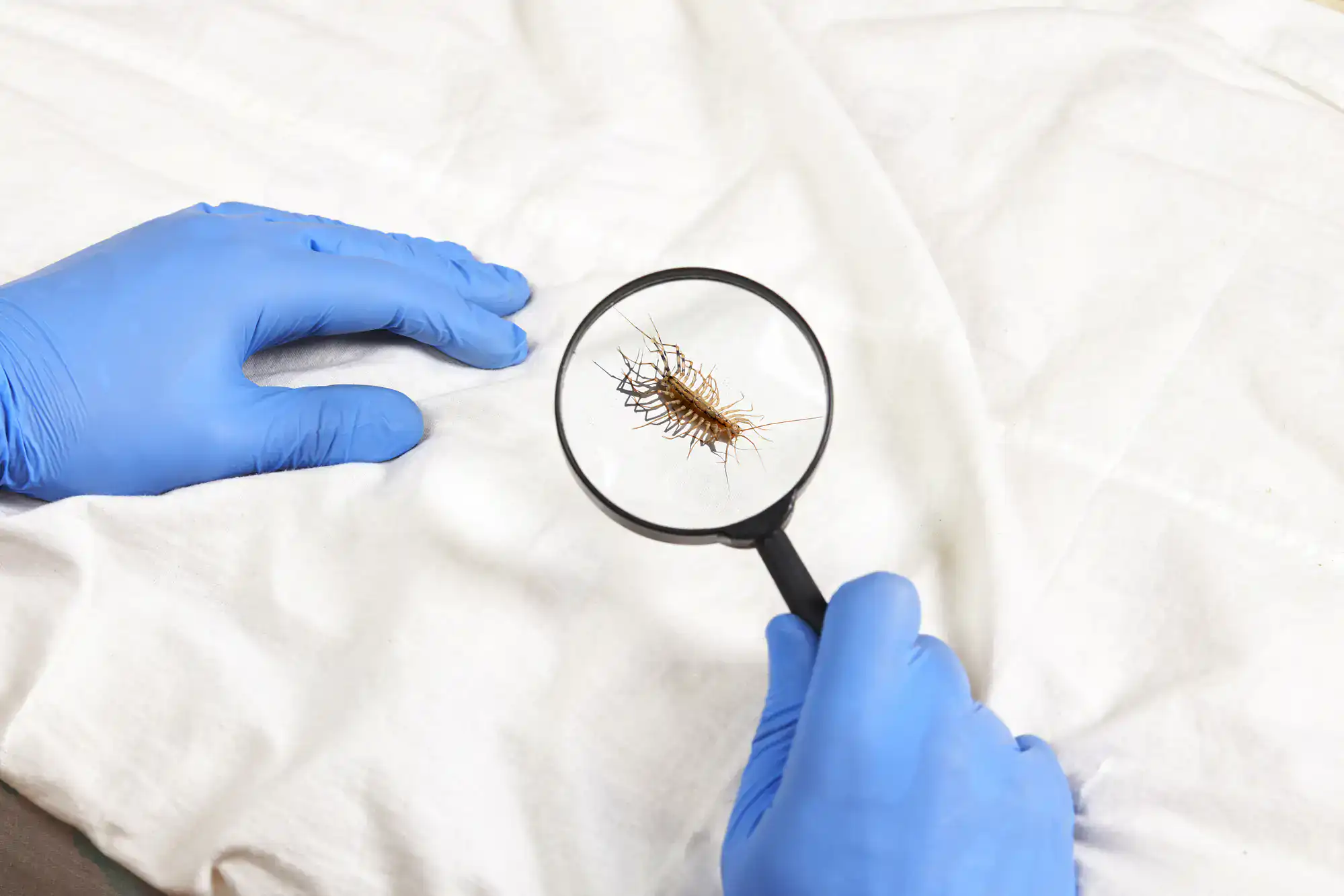
Medford sits at the southern edge of the Long Island Central Pine Barrens, which puts it in a different category than many other Suffolk County communities. The scrub oak and pitch pine habitat immediately bordering Medford’s residential neighborhoods is documented habitat for lone star ticks an aggressive species that actively pursues hosts in addition to the blacklegged (deer) ticks and American dog ticks present across Long Island. The Long Island Pine Barrens Society has specifically identified Pine Barrens scrub oak as ideal lone star tick habitat.
Beyond species variety, the deer herds that move between protected Pine Barrens land and Medford’s residential streets deposit adult blacklegged ticks continuously throughout spring and fall. Columbia University research found that 56% of Long Island ticks carry Lyme disease, and Suffolk County’s own health department believes local infection rates may be even higher. For Medford homeowners with properties near wooded borders, that’s not background noise it’s a direct, documented risk that warrants a structured seasonal response.
The gap is bigger than most homeowners expect. Consumer products from hardware stores are formulated at lower concentrations, don’t include the Insect Growth Regulators (IGRs) that interrupt the flea reproductive cycle, and are typically applied by homeowners who aren’t trained to identify the specific harborage zones where ticks and fleas actually concentrate. Spraying the middle of your lawn doesn’t address the wooded border behind your fence, the shaded area under your deck, or the leaf litter along your property line which is exactly where the problem lives.
Licensed pesticide professionals are trained in application technique, product selection, and harborage identification. In New York State, any commercial pesticide application requires NYSDEC certification a credential that involves more than 30 hours of training and a state examination. That training directly affects how well the treatment works. For Medford properties with Pine Barrens-adjacent wooded edges, that expertise isn’t a luxury it’s what separates a treatment that holds for four to six weeks from one that wears off in days.
On Long Island, tick activity begins as early as late February or early March when temperatures climb above 40°F. The most dangerous window nymphal deer tick season runs from May through June. Nymphal ticks are roughly the size of a poppy seed, nearly impossible to spot before they’ve already bitten, and responsible for the majority of Lyme disease transmissions. Starting your program in early April, before that peak arrives, is the standard professional recommendation.
Each application provides approximately four to six weeks of protection, which means a full season requires multiple treatments typically three to six applications depending on your property’s risk profile and the level of wooded border exposure. Medford properties near Pine Barrens edges benefit from maintaining coverage through late November, when adult blacklegged ticks experience their second seasonal surge. A single treatment in May won’t cover you through fall. A properly structured seasonal program will.
This is one of the most common questions, and it deserves a straight answer. Professional-grade pesticide applications are targeted to tick and flea harborage zones wooded borders, shaded areas, ornamental beds, fence lines not broadcast across your entire yard. The amount of product applied is calibrated by a licensed professional who is trained in safe application rates and placement. That’s a fundamentally different approach from someone saturating a lawn with a consumer spray.
Re-entry to treated areas is typically safe within 30 to 60 minutes after the product has dried. Your technician will confirm the specific re-entry window for the products used on your property. For households with dogs which are one of the primary ways ticks and fleas get introduced into a yard in the first place maintaining a treated perimeter actually reduces the overall tick load your pets are exposed to on every trip outside. The risk calculation is straightforward: untreated Pine Barrens-adjacent yards in Medford carry documented, serious disease risk. Professionally applied treatments, done correctly, do not.
The most common reason DIY treatments fail in Medford is that they address the lawn but not the source. Ticks don’t breed in the middle of your grass they come in from the edges. Deer moving through your property from the Pine Barrens, wildlife crossing your yard at night, and neighboring wooded lots all continuously reintroduce ticks throughout the season. A single perimeter spray, even a good one, doesn’t create a barrier that lasts long enough or covers the right zones to interrupt that cycle.
The second issue is timing. Treating once in June misses the early nymphal peak and leaves your yard unprotected through the fall adult surge. Effective tick control in a Pine Barrens-adjacent community like Medford requires consistent, scheduled applications across the full active season starting in April and running through November. Without that cadence, you’re always reacting to a problem that’s already established rather than preventing it from taking hold in the first place.
Yes we serve Medford and the surrounding Suffolk County communities, traveling Route 112 through the heart of the hamlet as part of regular service routes that extend across Brookhaven Town and beyond. Medford is well within our core service area, and our familiarity with Pine Barrens-adjacent properties throughout this part of Suffolk County directly informs how we build programs for homes in neighborhoods like Eagle Estates and Parkway Estates.
Getting started is straightforward. We offer online credit card invoice payment, seasonal reminder communications, and custom-tailored programs built around your property’s specific layout and risk profile not a one-size-fits-all package. If you’ve been dealing with ticks in your yard, finding them on your dog, or just want to get ahead of the problem before the May nymphal peak arrives, the best move is to reach out and get your property assessed. The earlier in the season you start, the more complete your protection will be.
Useful Links
Other Services we provide in Medford