Hear from Our Customers
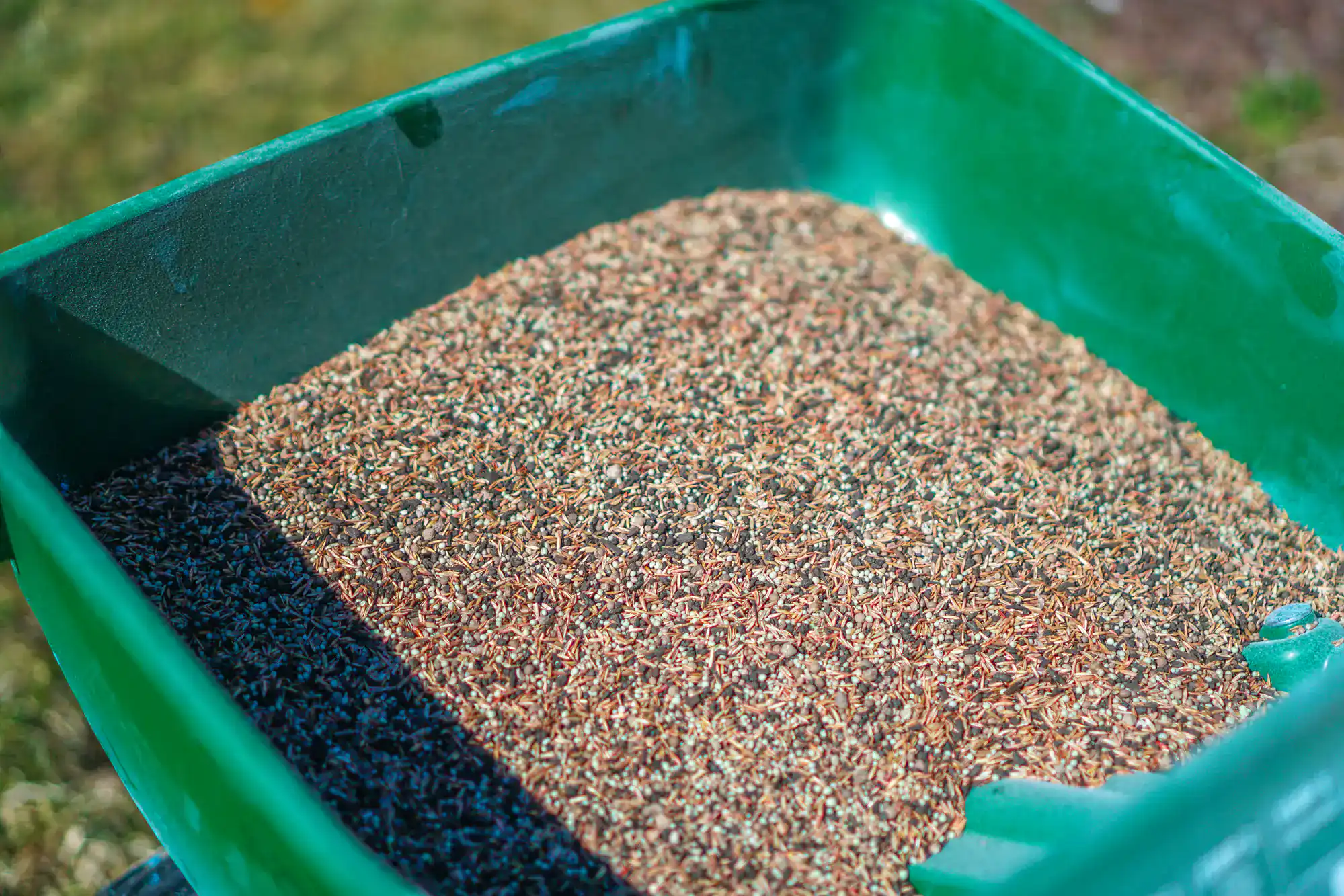
Most fertilization programs are designed for average soil. Medford doesn’t have average soil. The sandy, fast-draining substrate left behind by the Long Island Central Pine Barrens means nutrients move through your lawn quickly before the grass even has a chance to absorb them. A generic program applied on a generic schedule doesn’t account for that, which is why so many Medford homeowners have watched their lawns stay thin and yellow even after paying for treatment after treatment.
When you’re working with a fertilizer that’s actually formulated for Long Island’s soil chemistry, and applied by someone who understands the timing windows that matter here spring applications after soil temps hit 55°F, the critical fall window from mid-August through September when cool-season grasses are actively rebuilding the results are different. You get a lawn that fills in, holds color through the summer, and doesn’t just look good for two weeks after a treatment.
The other thing worth knowing: every Medford property sits above the Long Island sole-source aquifer. That’s the only source of drinking water for all of Suffolk County. What gets applied to your lawn matters not just for your grass, but for what moves through that sandy soil and into the ground below it. Licensed applicators who understand Suffolk County’s fertilization regulations aren’t a luxury here. They’re the only responsible way to do this job.
We’ve been serving central and eastern Suffolk County since 1987. That’s nearly four decades of working through Long Island summers, grub cycles, drought years, and the kind of sandy, Pine Barrens-influenced soil that most national chains never bother to understand. We know what a Medford lawn needs because we’ve been treating them for a long time from the Eagle Estates neighborhood off Horseblock Road to the larger properties further out toward horse country on Bellport Avenue.
Every job is handled by a licensed pesticide professional, not a seasonal crew following a laminated card. The fertilizer we use isn’t pulled off a distributor shelf it’s a custom blend formulated specifically for Lawn Master, calibrated for Long Island’s soil conditions. And our equipment hydraulic aerators, hydraulic seeders, a fleet of five fully wrapped professional trucks reflects a company that takes the work seriously. You’ll notice the trucks. More importantly, you’ll notice the results.

It starts with understanding what your lawn is actually dealing with. Medford lawns vary more than people expect a shaded backyard near Blue Ridge Condominiums holds moisture differently than a sun-exposed front lawn in a subdivision off Route 112 that bakes all summer above fast-draining sandy soil. Before anything gets applied, we build the program around what your specific lawn needs, not a one-size-fits-all package.
From there, applications are timed to the windows that actually move the needle on Long Island. Spring treatments go down once soil temperatures are consistently at 55°F or above too early and you’re wasting product. The fall window, roughly mid-August through late September, is when cool-season grasses are recovering from summer stress and building root reserves for winter. That’s the most important window of the year for a Medford lawn, and it’s when core aeration and overseeding make the biggest difference.
Suffolk County law prohibits fertilizer applications between November 1 and April 1 a rule that exists specifically because of the sole-source aquifer beneath every property in this area. Every application we make is within that legal window, applied at the right rate, by a licensed professional who knows the phosphorus restrictions and neighbor notification requirements that apply here. You don’t have to think about any of that. That’s our job.
Ready to get started?
Our core service is a custom-tailored fertilization program built around your lawn’s specific conditions soil type, grass variety, sun and shade exposure, history of treatment, and current problem areas. The fertilizer itself is a proprietary blend made specifically for Lawn Master, not an off-the-shelf product. In Medford, where Plymouth loamy sand and Pine Barrens-influenced soil profiles make nutrient retention a real challenge, the formulation and release rate of your fertilizer matters more than most people realize.
Beyond fertilization, our full service lineup includes core aeration with hydraulic aerators that pull deeper plugs than standard equipment, overseeding with cool-season grass varieties suited to Long Island’s climate, lawn restoration for properties that have been damaged by drought, grubs, or years of poor treatment, nutgrass and bentgrass control for the invasive weed problems that show up regularly in central Suffolk County, and complete new lawn installations from seed for properties that need a full restart. If your lawn is thin, weedy, or just not responding the way it should, we have a specific service for that not just a bag of fertilizer and a hope.
Online credit card invoice payment is available, so managing your account doesn’t require a phone call or a paper check. Scheduling is handled professionally, and the trucks show up when they’re supposed to. For a working homeowner in Medford whether you’re catching the LIRR or heading out on the LIE that reliability matters as much as the results.
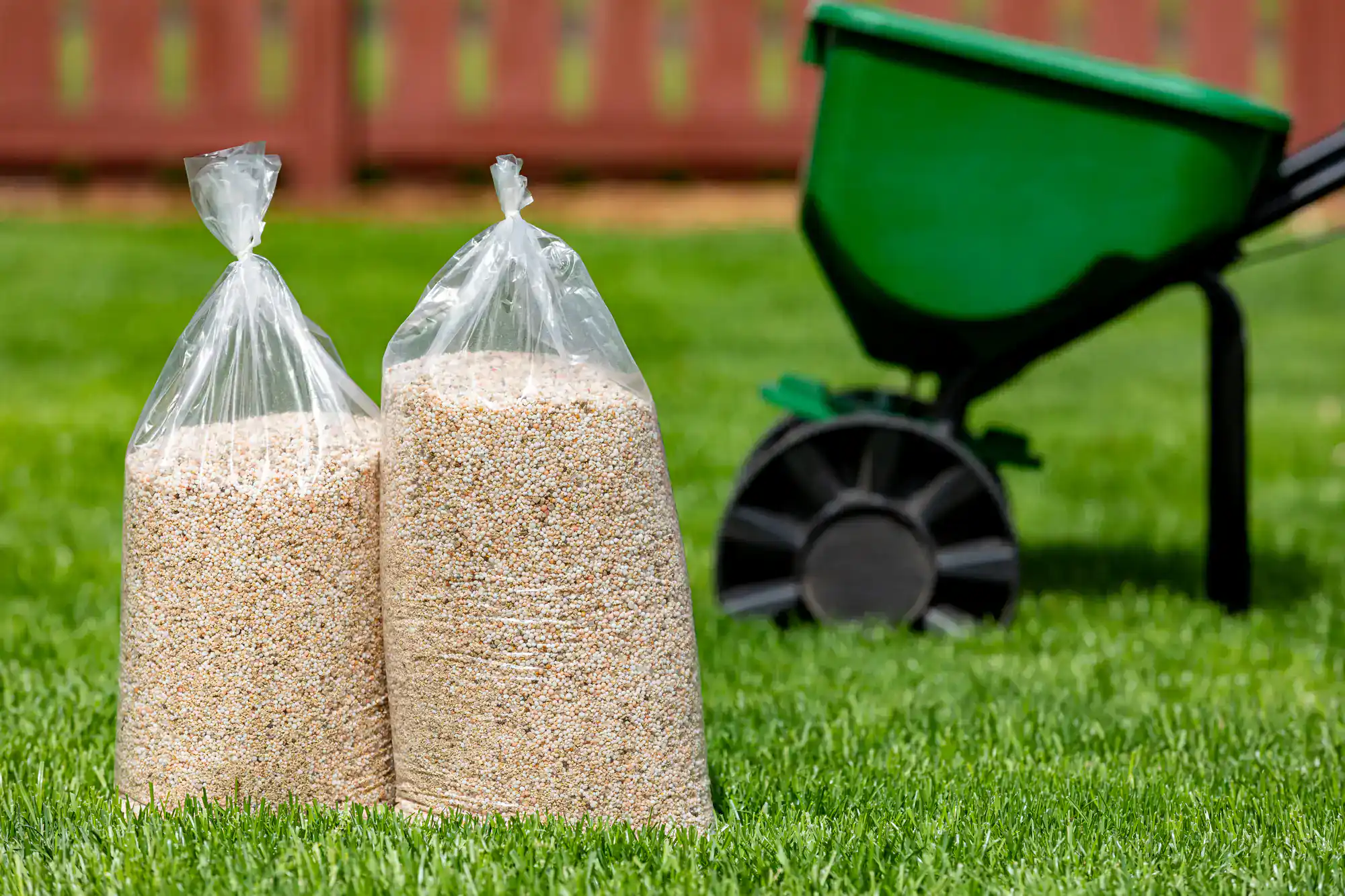
The most common reason is that the fertilizer isn’t built for the soil underneath your lawn. Medford sits at the edge of the Long Island Central Pine Barrens, and a lot of residential properties here were built on top of sandy, low-nutrient substrate that drains quickly and holds very little. When nutrients leach through that kind of soil before the grass roots can absorb them, you end up with a lawn that looks okay for a week or two and then fades back to thin and pale regardless of how often it’s been treated.
The other factor is timing. Cool-season grasses, which make up most Medford lawns, have two active growth windows: spring and early fall. If applications are hitting outside those windows, or if the product being used has the wrong release rate for your soil type, the results will always be underwhelming. A fertilizer program that accounts for Long Island’s specific soil chemistry and applies product during the right seasonal windows will outperform a generic program applied on a generic schedule every single time.
For cool-season grasses which is what the majority of Medford lawns are planted with there are two windows that matter most. The first is spring, once soil temperatures have consistently reached 55°F, which typically falls in mid-to-late April on Long Island. Going earlier than that means the grass isn’t actively growing yet and won’t absorb what you’re putting down. The second and more important window is late summer into early fall, roughly mid-August through late September. This is when cool-season grass is recovering from summer heat stress and building the root depth it needs to come back strong in spring.
It’s also worth knowing that Suffolk County law prohibits any fertilizer application between November 1 and April 1. This isn’t a suggestion it’s a local ordinance with a fine of up to $1,000 per violation, put in place specifically to protect the Long Island sole-source aquifer that sits beneath every property in Medford. Any legitimate lawn care company operating in this area is working within that window. If someone is offering to fertilize your lawn in February, that’s a red flag.
In New York State, any business applying pesticides for hire is required to register with the NYSDEC and employ at least one certified commercial pesticide applicator. Getting that certification means passing the Core exam plus a category-specific exam, and maintaining it requires 24 continuing education hours every three years. That’s not a formality it’s training in application rates, runoff risk, product safety, and the specific regulations that apply in Suffolk County, including the phosphorus restrictions and the Neighbor Notification Law that requires advance written notice to neighbors within 150 feet of certain spray applications.
A labor-only crew following a laminated instruction card doesn’t have that training. They might apply the right product, or they might not. They might apply the right amount, or they might not. In Medford, where the sole-source aquifer sits directly beneath your lawn and the sandy soil moves water downward quickly, the difference between a properly trained applicator and an untrained one isn’t just about your grass it’s about what ends up in the groundwater. Licensed professionals aren’t optional here. They’re the baseline for doing the job responsibly.
For most Medford lawns, aeration isn’t optional it’s one of the most productive things you can do, especially in late summer before overseeding. Here’s why: over time, soil compacts from foot traffic, equipment, and the natural settling of the ground. When soil is compacted, water, air, and nutrients can’t reach the root zone effectively. In Medford’s sandy soil, you also get a different problem stratification, where layers of different soil types create a barrier that water moves through unevenly, causing dry patches even after rain.
Core aeration physically removes small plugs of soil, opening up channels for water and nutrients to penetrate where they need to go. The difference between a hydraulic aerator and a standard tow-behind unit is significant hydraulic aerators pull deeper plugs, which means better penetration and more effective results. Done in the fall window and followed by overseeding with appropriate cool-season grass varieties, aeration is the single most impactful thing most Medford homeowners can do to improve a lawn that’s been struggling. It’s not an upsell. It’s the reason fall programs work.
Nutgrass more accurately called yellow nutsedge is one of the most frustrating weed problems in Long Island lawns, and it’s particularly common in central Suffolk County where soil moisture levels fluctuate and sandy soil creates the drainage patterns that nutsedge thrives in. It grows faster than your turf, turns a noticeably lighter shade of green, and keeps coming back even after you pull it because the underground nutlets it produces can remain viable in the soil for years.
Standard broadleaf weed control doesn’t touch it. Nutsedge is a sedge, not a broadleaf weed, and it requires a targeted herbicide application by a licensed professional who knows the right product, the right timing, and the right rate for your lawn’s conditions. Most generalist lawn care companies in the Medford area either skip it entirely or apply the wrong product and call it done. Effective nutgrass control is a specialized service it takes multiple targeted applications timed correctly throughout the growing season, and it’s one of the specific services we offer rather than something that gets lumped into a generic weed control package.
The honest answer depends on how much viable grass you’re actually working with. If your lawn is more than 50% weeds, bare spots, or dead turf whether from a bad grub season, years of drought stress, or a previous lawn care company that made things worse a fertilization program alone isn’t going to get you where you want to be. You’d essentially be fertilizing weeds and hoping the grass fills back in on its own, which doesn’t happen reliably in Medford’s sandy, nutrient-poor soil.
A lawn renovation which combines core aeration, overseeding with appropriate cool-season grass varieties, and a targeted fertilization program is the right starting point for a lawn that’s in rough shape but still has a viable base. For properties where the turf is essentially gone, a full new lawn installation from seed makes more sense. The key is getting an honest read on what you’re starting with before committing to a program. Medford lawns that have been neglected or damaged by a drought summer don’t bounce back the same way a Nassau County lawn might the soil conditions here are less forgiving, and the approach needs to match that reality.
Useful Links
Other Services we provide in Medford