
Hear from Our Customers
If you live near Stony Brook University, you already know the tick situation isn’t abstract. The university’s own researchers working right here on Nicolls Road published findings showing that more than half of Long Island’s deer ticks carry the Lyme disease agent. That’s not a national statistic pulled from a press release. That’s a peer-reviewed study conducted on ticks collected from this area. Your yard borders the same wooded corridors those deer walk through every day.
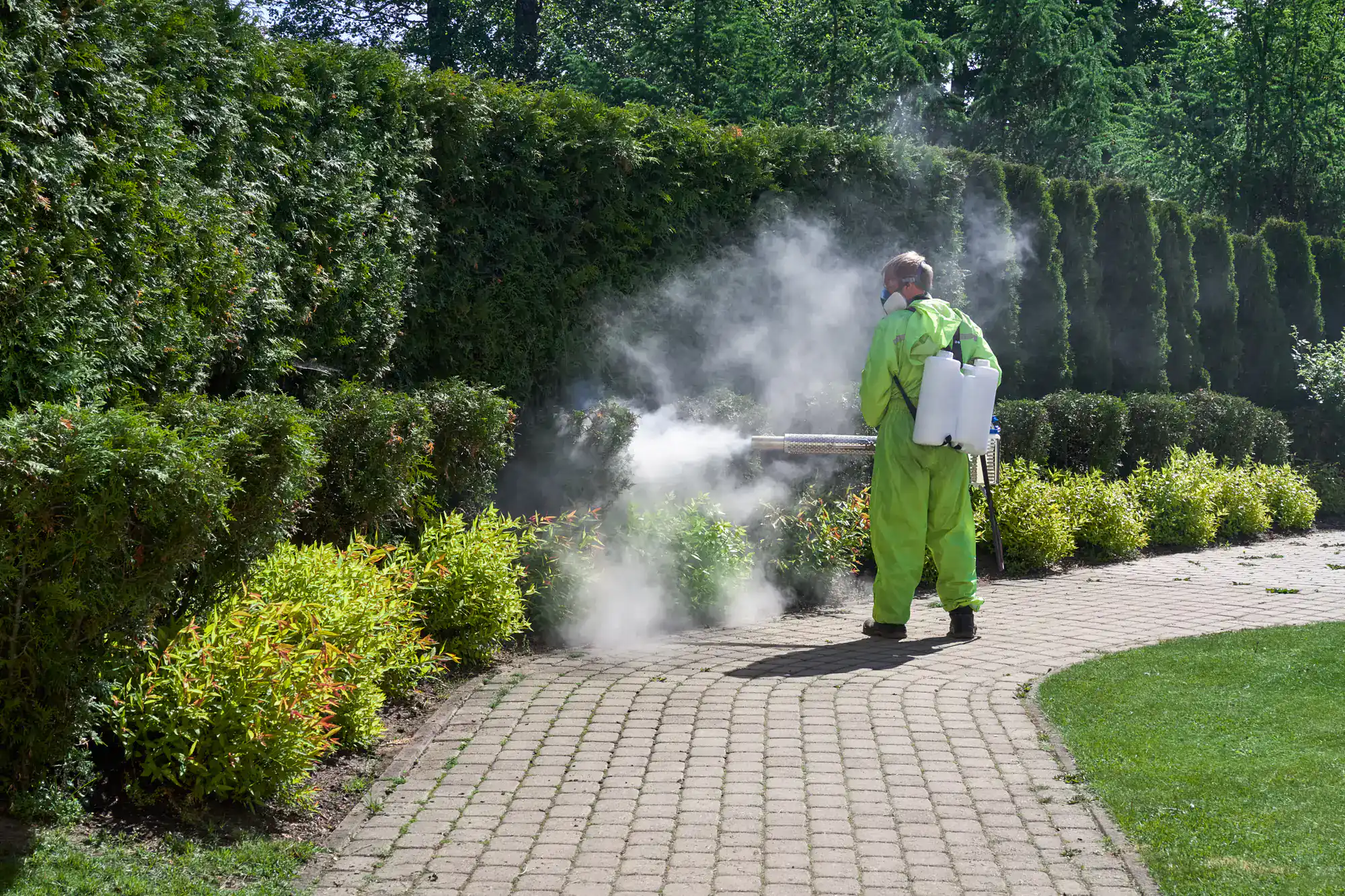
What a proper flea and tick control program actually does is reduce the population where it builds in the leaf litter along your fence line, in the shaded border where your lawn meets the tree line, in the ornamental beds where deer stop to graze. Those are the zones that matter most on a North Shore Long Island property, and those are the zones a licensed professional knows to treat first.
Beyond ticks, flea pressure peaks during Stony Brook’s humid summer months. The mature oak canopy and shaded lots that make this neighborhood beautiful also keep your lawn cooler and moister than an open suburban yard which is exactly the environment fleas thrive in. A seasonal program that addresses both threats, timed to Long Island’s actual activity calendar, is what turns a reactive problem into a managed one.
We’ve been serving Suffolk County homeowners since 1987. That includes the wooded, large-lot properties along Route 25A near Stony Brook University, the established neighborhoods surrounding the campus, and the homes tucked between Avalon Park and Stony Brook Harbor that deal with deer pressure and tick exposure season after season. This isn’t a company that moved into the area last year. The seasonal patterns here, the way North Shore properties hold moisture, the timing of nymphal tick emergence on Long Island that’s knowledge that builds over decades, not months.
Every job is handled by NYSDEC-certified pesticide professionals. Not unlicensed labor. Not a rotating crew of unfamiliar faces. The people treating your property have passed New York State’s commercial pesticide applicator certification a 30-hour training requirement backed by a state exam. In a community where professional standards mean something, that distinction matters.
We also bring a fleet of five fully wrapped professional trucks and commercial-grade hydraulic equipment to every job. If you’ve dealt with lawn companies that show up inconsistently or send different people every time, you’ll notice the difference immediately.
It starts with understanding your specific property not a generic walkthrough, but an actual assessment of where your tick and flea pressure is coming from. On a Stony Brook University area property, that usually means paying close attention to wooded borders, deer entry points, shaded lawn edges, and any transition zones between your yard and adjacent natural areas like Avalon Park or the university’s own wooded perimeter.
From there, we build a program timed to Long Island’s documented tick activity calendar. Treatments begin in early April, before nymphal deer ticks the stage most responsible for Lyme transmission reach peak density in May and June. Summer applications every three to four weeks address flea populations and lone star tick activity, which the Stony Brook University and Columbia University joint study confirmed is now well-established on Long Island. A fall treatment in September or October targets adult blacklegged ticks before they overwinter in your lawn.
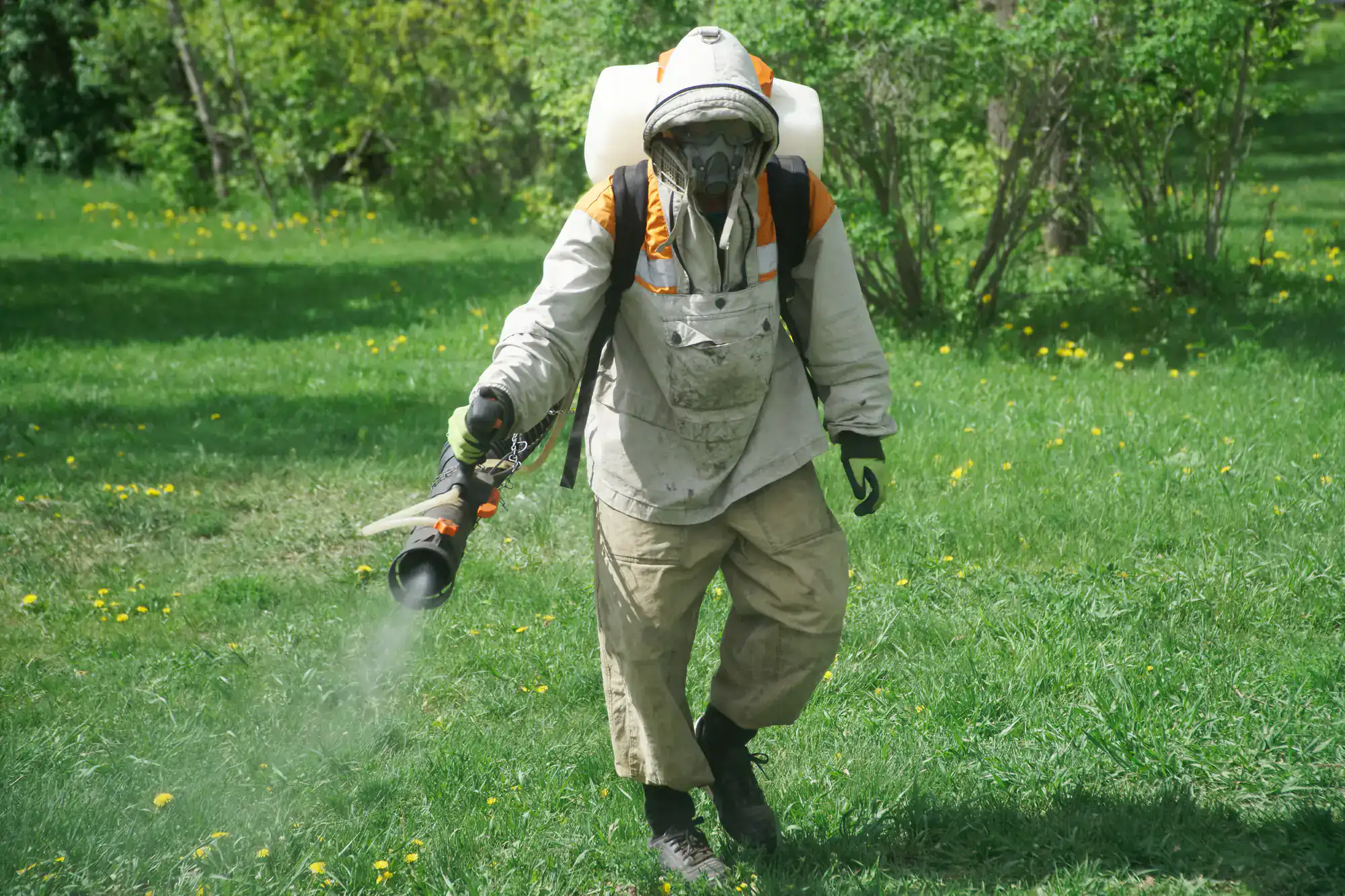
Every application is handled by a licensed professional using commercial-grade products applied to the harborage areas that actually matter not broadcast across your entire property indiscriminately. Re-entry is typically safe within 30 to 60 minutes of drying. You’ll receive seasonal email reminders so you always know when your next treatment is coming, and billing is handled online so there’s nothing to chase down.
Ready to get started?
Most homeowners think about Lyme disease when they think about ticks. What the Stony Brook University and Columbia University research made clear is that Long Island properties especially those near wooded corridors like the ones surrounding this campus are dealing with three distinct tick species. Deer ticks carry Lyme, Babesiosis, and Anaplasmosis. American dog ticks carry Rocky Mountain Spotted Fever. And the lone star tick, now confirmed as abundant on Long Island, carries Ehrlichiosis and is described in the research as an aggressive biter. A program that only addresses one of these threats isn’t a complete program.
Our flea and tick control services are designed to cover all three species across their respective activity windows. That means spring treatments timed to nymphal deer tick emergence, summer coverage for fleas and lone star ticks, and fall applications for adult blacklegged tick activity. Treatments are targeted to the specific harborage zones on your property wooded edges, fence lines, ornamental borders, leaf litter accumulation areas, and shaded lawn sections that stay moist longer than open turf.
Because we’re a full-service lawn care company and not just a pest spray operation, there’s an added layer that standalone pest control companies can’t offer. A properly maintained, aerated lawn with healthy turf density reduces the thatch and moisture buildup that creates flea and tick habitat in the first place. That integrated approach is available to Stony Brook University area homeowners who want to address the conditions, not just treat the symptoms.
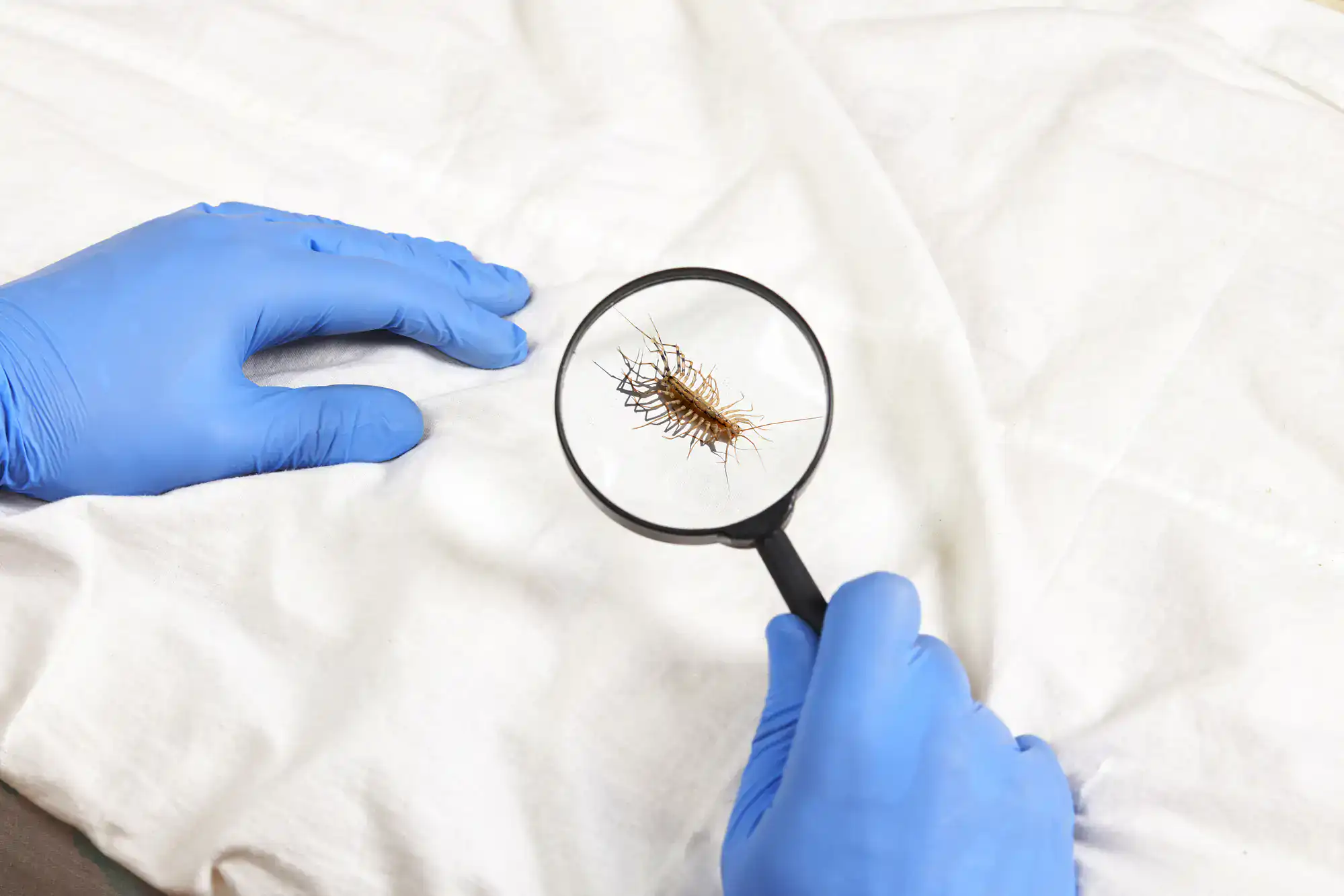
It’s one of the more documented tick risk environments on Long Island, and that’s not marketing language it comes directly from the research. Stony Brook University and Columbia University researchers conducted a study examining over 1,600 individual ticks collected from Long Island and found that more than half of the deer ticks were infected with the Lyme disease agent. Additional infections from the agents of Babesiosis and Anaplasmosis were also detected. That research was conducted here, by scientists based at this institution.
The campus itself spans 1,454 acres of largely wooded land that functions as active deer habitat. Deer are the primary reproductive host for adult deer ticks, and they move from the campus into residential yards along Route 25A, near Avalon Park, and throughout the neighborhoods bordering the university perimeter daily. Properties with wooded borders, mature tree canopy, and proximity to natural areas like Frank Melville Jr. Memorial Park face consistent, season-long tick pressure not occasional exposure. That’s the environment we’ve built our programs for.
Early April is the right time to start on Long Island’s North Shore, and here’s why the timing matters. Nymphal deer ticks the life stage most responsible for Lyme disease transmission reach peak density in May and June. They’re roughly the size of a poppy seed, nearly impossible to spot before they’ve already bitten, and they’re most active right when families are spending the most time outside. Getting a treatment down in early April means you’re ahead of that window, not reacting to it.
The wooded, shaded properties around Stony Brook University also hold moisture longer than open suburban lots, which extends the effective tick and flea season at both ends. A program that runs from April through October with summer applications every three to four weeks and a fall treatment to address adult blacklegged ticks gives you coverage across all three species’ active windows. Starting late or stopping early leaves real gaps in protection, especially on a property that borders the kind of wooded corridors common in this area.
Yes, when it’s applied correctly by a licensed professional and that distinction matters more than most people realize. NYSDEC-certified applicators are required to apply products to targeted harborage areas: the wooded edges, leaf litter zones, fence lines, and shaded borders where ticks actually live. That’s a fundamentally different approach than broadcasting product across your entire lawn indiscriminately, which is what unlicensed or undertrained applicators often do.
After a Lawn Master treatment, re-entry is typically safe within 30 to 60 minutes once the product has dried. The specific re-entry window depends on the product used and weather conditions on the day of treatment, and your technician will confirm that before leaving your property. If you have questions about specific products being used which is a completely reasonable thing to ask, especially in a community with many residents who have scientific or medical backgrounds our licensed professionals can walk you through exactly what’s being applied and why.
The legal line is NYSDEC commercial pesticide applicator certification. In New York State, anyone applying pesticides commercially on residential properties is required to be certified by the Department of Environmental Conservation. That certification requires completing a 30-hour training course, passing a state examination, and renewing every three years. It’s not a formality it covers product selection, application rates, environmental safety, and legal liability. A company that sends uncertified workers to apply pesticides on your property is operating outside of state law, and that’s more common in the lawn and pest control industry than most homeowners know.
Beyond the legal requirement, a licensed applicator understands how to read a property where tick harborage zones actually form, how to adjust treatment timing based on seasonal conditions, and which products are appropriate for the specific species present. On a North Shore Long Island property near the Stony Brook University campus, that knowledge is the difference between a program that works and one that gives you a false sense of security heading into peak tick season.
Fleas are a real yard problem in this area, and the conditions around Stony Brook University are particularly favorable for them during summer months. Fleas thrive in warm, humid environments with shaded ground cover which describes most of the established, wooded residential properties in this area accurately. The mature oak canopy that’s common on North Shore Long Island lots keeps lawns cooler and moister than open suburban yards, and that’s exactly the microclimate fleas prefer. If you have a dog or an outdoor cat, the risk goes up significantly, because pets pick up fleas from the yard and bring them inside.
The other factor most homeowners don’t think about is wildlife. Deer, raccoons, opossums, and feral cats all carry fleas, and all of them move through the wooded corridors adjacent to residential properties in this area regularly. Your lawn doesn’t need a flea infestation to have a flea problem it just needs one host animal to pass through the right spot. Treating the yard as part of a seasonal program is far less disruptive than dealing with an indoor infestation after the fact.
For a property near Stony Brook University, a minimum of three targeted treatments across the season is the baseline but most properties in this area benefit from a more complete program that runs April through October. The reason is that Long Island’s North Shore has two distinct peak tick windows: nymphal deer ticks in late spring and adult blacklegged ticks in fall. A single spring treatment addresses one of those windows and leaves the other completely unprotected.
The wooded lot characteristics common around the university campus mature canopy, persistent leaf litter, deer traffic from the adjacent campus and Avalon Park also mean that tick populations here tend to be more sustained than on open suburban properties. A program with a spring kickoff, summer maintenance applications every three to four weeks, and a fall treatment gives you coverage across all three tick species’ active periods and reduces the overwintering population heading into next season. We’ll assess your specific property and recommend a program based on what’s actually present not a one-size-fits-all schedule that may leave gaps in coverage when your exposure is highest.
Useful Links
Other Services we provide in Stony Brook University