
Hear from Our Customers
Most lawns in the Stony Brook area aren’t struggling because of bad grass seed or the wrong fertilizer. They’re struggling because the soil underneath has compacted to the point where water, air, and nutrients can’t get to the root zone. That’s what compaction does it cuts off the supply chain your grass depends on, and no amount of surface treatment fixes it.
The North Shore sits on the Harbor Hill Moraine, which means the soil here tends to be heavier and more clay-rich than what you’d find on Long Island’s South Shore. Clay compacts faster, holds moisture in ways that suffocate roots, and responds more dramatically to professional core aeration than lighter sandy soils do. If your lawn has thin patches, slow drainage, or just looks tired despite regular care, compaction is likely the reason and aeration is the fix.
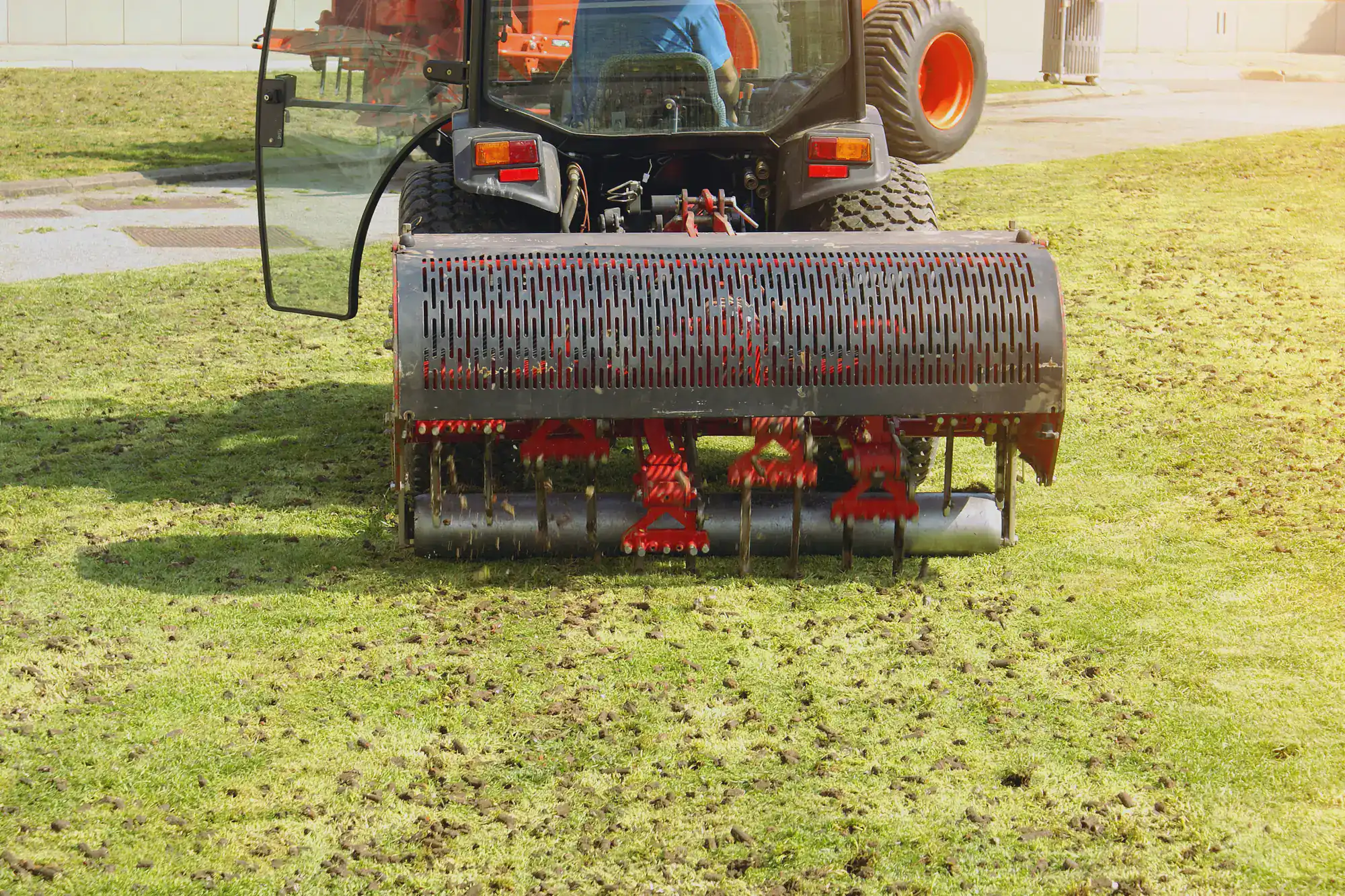
After a proper aeration, fertilizer reaches the root zone instead of sitting on the surface. Water drains the way it should instead of pooling. Grass fills in thicker because the roots finally have room to spread. For properties near Stony Brook University where mature oak and maple canopy adds to thatch buildup and root competition that difference is visible within a single growing season.
We’ve been servicing lawns across Suffolk County since 1987 which means we’ve been working in the Stony Brook, East Setauket, and Three Village area longer than most of the companies currently showing up in your search results have been in business. That kind of tenure isn’t just a number. It means we’ve treated thousands of North Shore properties across every soil type, every unusual season, and every condition Long Island throws at a lawn.
Every job is handled by NYSDEC-licensed pesticide professionals who have passed state certification exams and completed the Suffolk County Fertilizer Turf Management Course through Cornell Cooperative Extension a legal requirement for commercial lawn care in this county that a surprising number of operators quietly skip. We don’t. We also use hydraulic core aerators and a custom-blended fertilizer formulated specifically for our programs not generic equipment from a rental shop and not a product pulled off a distributor shelf.
If you’ve been cycling through lawn care companies that show up inconsistently and treat every lawn the same, this is a different experience.
It starts with an honest assessment of your lawn not a generic walkthrough, but a real look at what’s going on with your specific property. Soil type, compaction level, thatch depth, shade patterns, drainage behavior. In the Stony Brook area, that assessment matters more than it would in a community with uniform sandy soil, because North Shore properties can have meaningfully different soil compositions even within the same neighborhood. A program that works for the lawn two streets over may not be right for yours.
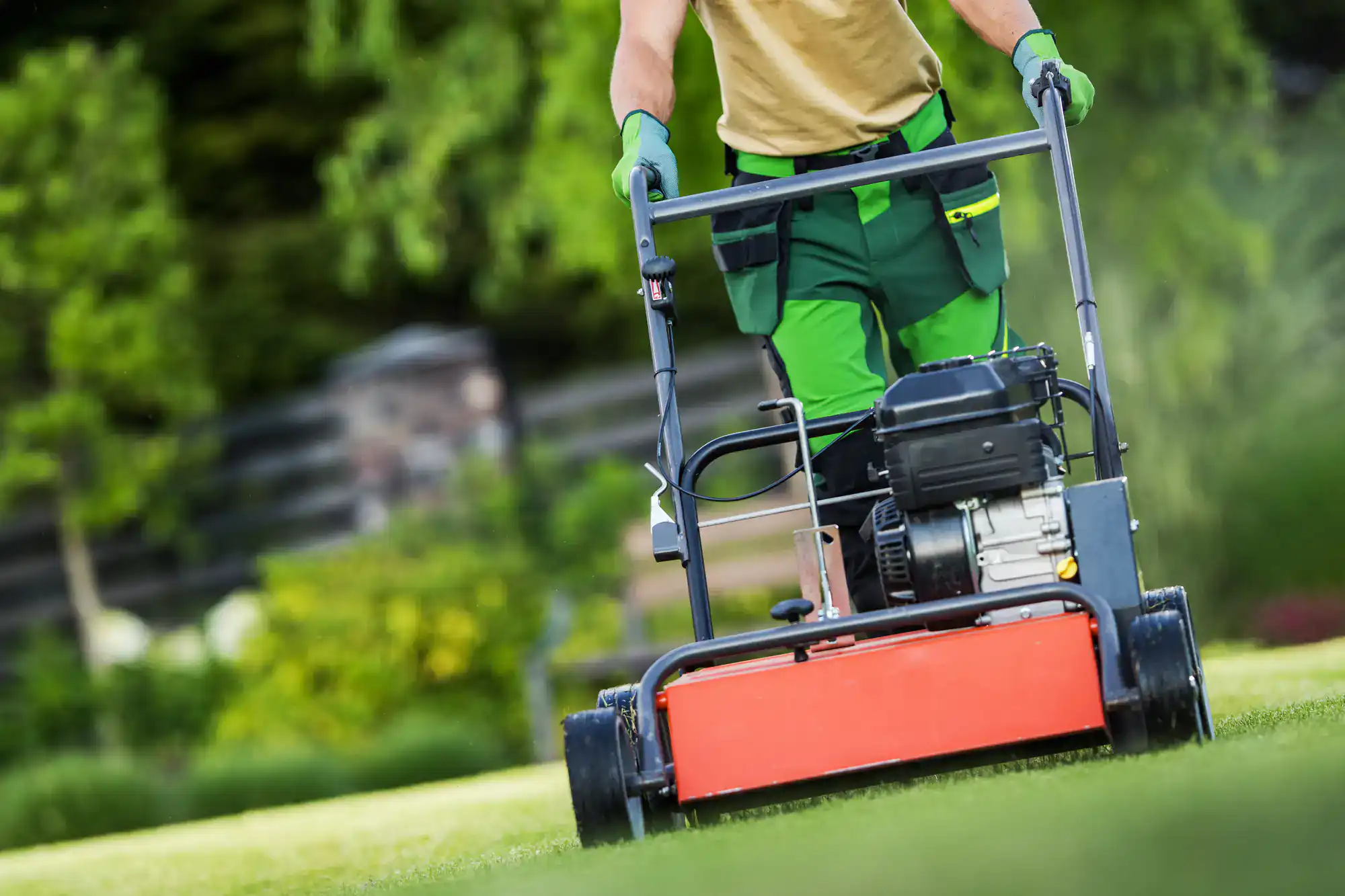
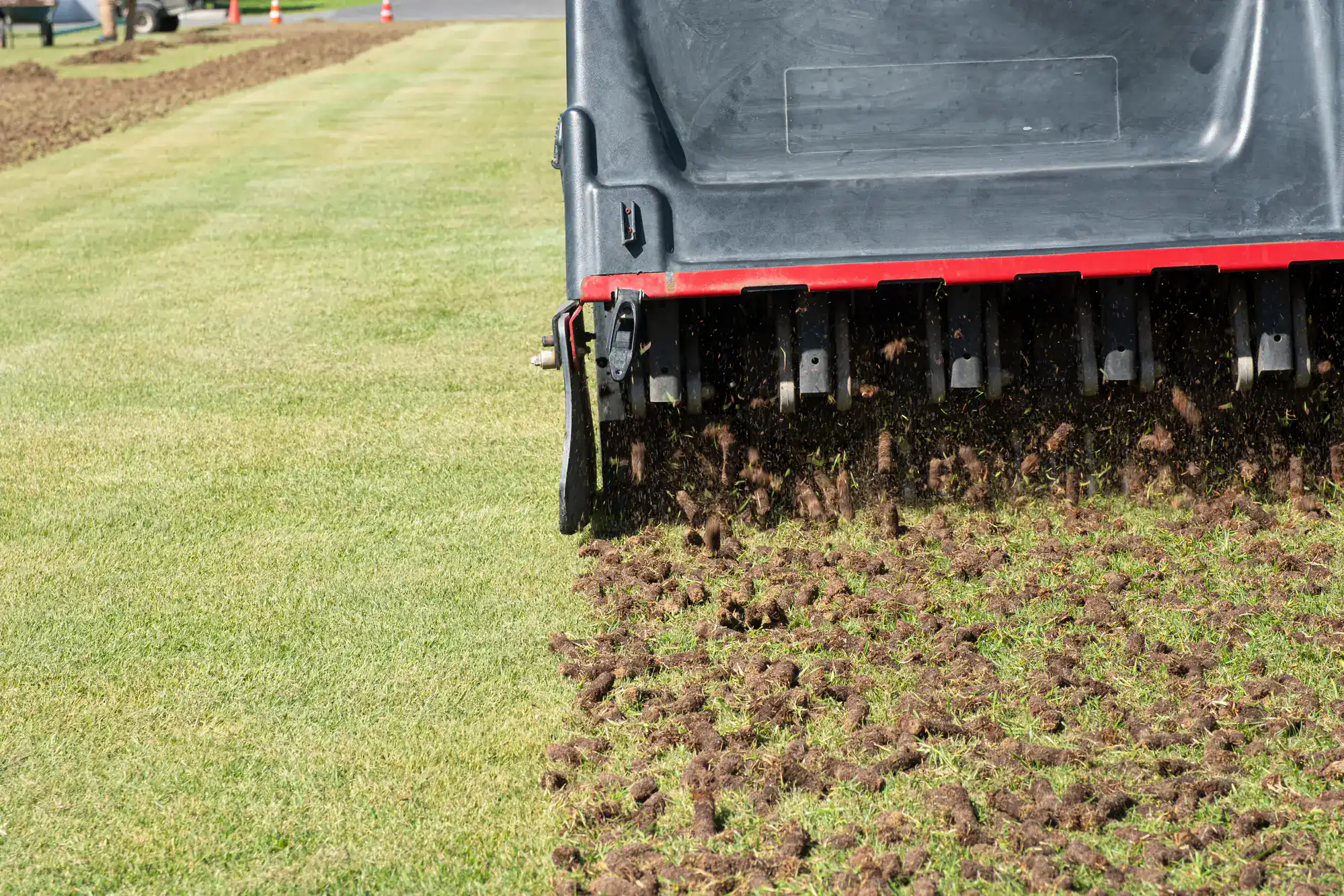
Once the assessment is done, we run our hydraulic core aerator across the lawn. This pulls out plugs of compacted soil typically two to three inches deep at consistent spacing across the entire surface. Those plugs get left on the lawn to break down naturally, returning organic matter to the soil as they do. What’s left behind are open channels that allow water, fertilizer, and oxygen to reach the root zone directly instead of sitting on top of a compacted layer.
Timing matters here. For the cool-season grasses that dominate Stony Brook lawns tall fescue, Kentucky bluegrass, perennial ryegrass the ideal aeration window runs from late August through mid-October. That window also has to work around Suffolk County’s fertilizer ban, which takes effect November 1. Booking early in the fall season means your lawn gets treated at the right time, not squeezed in after the window has already closed.
Ready to get started?
We don’t sell aeration off a standard menu. Every program is built around what your specific lawn actually needs which is especially relevant in the Stony Brook and East Setauket area, where properties near the university often deal with a combination of clay-heavy soil, mature tree canopy, and the kind of compaction that builds up over years of mowing cycles and foot traffic. A one-size approach doesn’t work here, and we don’t pretend it does.
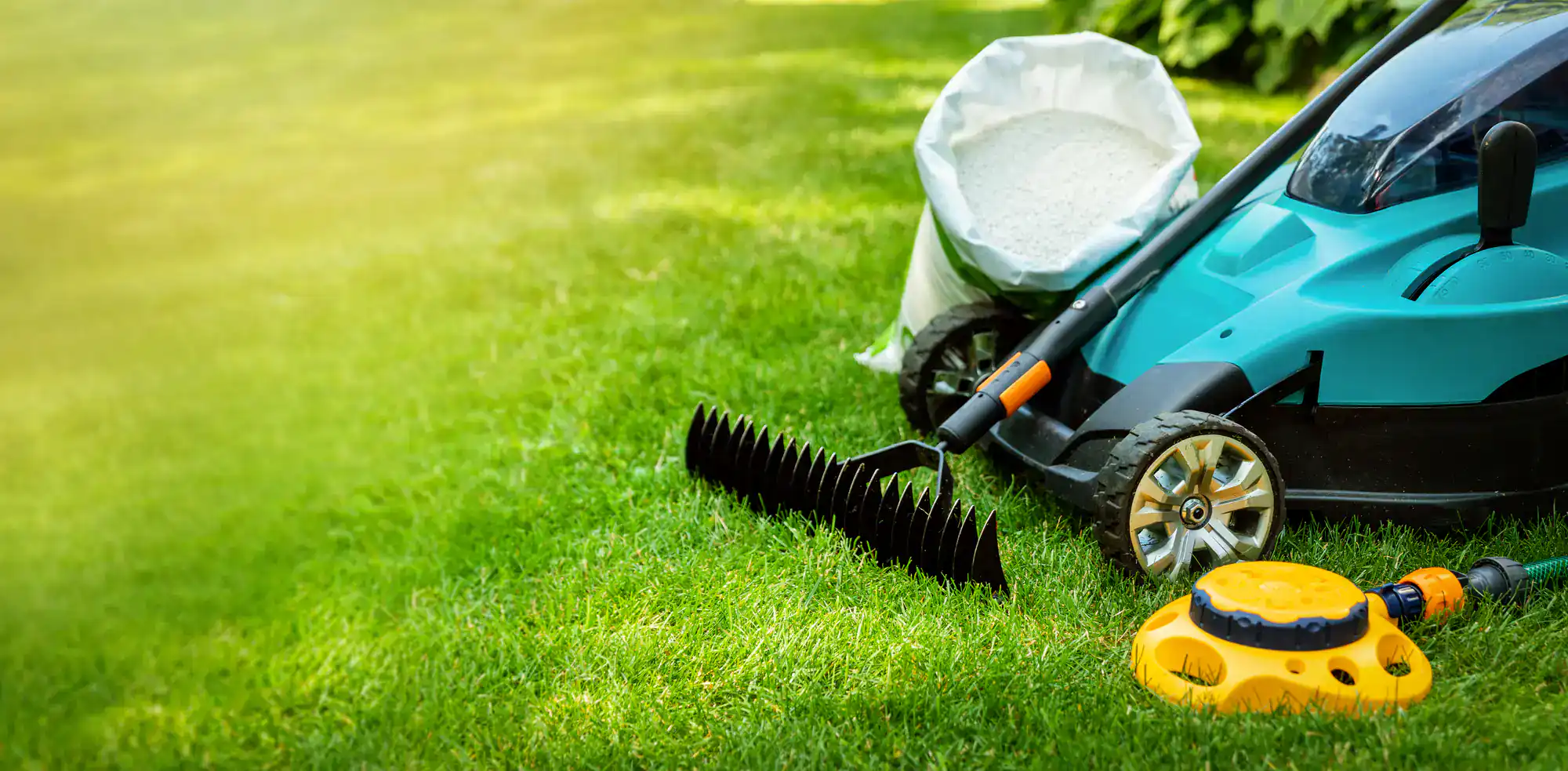
Core aeration is available as a standalone service or paired with overseeding and fertilization for a more complete fall program. For lawns that have been neglected or are beyond what annual maintenance can recover, we also offer full lawn restoration and new lawn installs from seed so if you’ve inherited a struggling lawn or the compaction damage runs deeper than one season of aeration can address, there’s a path forward for that too.
Lawn aeration cost in the Stony Brook area depends on lawn size and what’s being paired with the service, but the investment is straightforward and discussed upfront. Online credit card payment is available, and the process is designed to be as low-friction as possible for homeowners with demanding schedules which describes most of the faculty, physicians, and professionals who make up this community. One call, one assessment, one company that handles it.
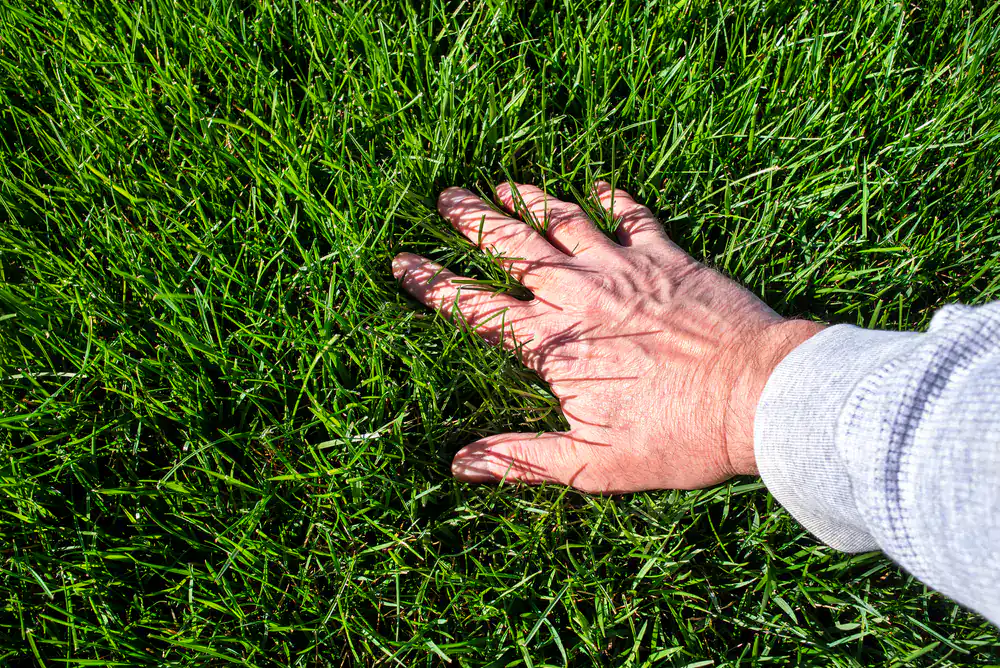
The most reliable test is simple: push a screwdriver or a pencil into your lawn. If it goes in easily to about two inches, your soil is in decent shape. If you have to push hard or it stops short, you’ve got compaction worth addressing. Other signs include water pooling after rain something a lot of Stony Brook and East Setauket homeowners noticed after the heavy flooding events in August 2024 thin or bare patches in high-traffic areas, and grass that looks dull or stressed even when it’s been watered and fertilized.
On the North Shore specifically, the clay-heavy glacial till soil that characterizes this part of Long Island compacts faster than the sandy soils you’d find further east or on the South Shore. If your property has mature trees oak, maple, or other deciduous species common throughout the Three Village area the combination of root competition, shade, and leaf litter accelerates thatch buildup on top of whatever compaction is already happening below. Most lawns in this area benefit from aeration every one to two years at minimum.
For the cool-season grasses that are standard throughout Stony Brook and the surrounding Three Village communities tall fescue, Kentucky bluegrass, and perennial ryegrass the optimal aeration window is late August through mid-October. This is when soil temperatures are still warm enough for the grass to recover and fill in the aeration holes, but the air has cooled enough that the newly exposed root systems aren’t under heat stress.
There’s also a regulatory factor specific to Suffolk County that affects timing. The county’s fertilizer ban takes effect November 1 under Chapter 459, which means the window for pairing aeration with a follow-up fertilization the combination that produces the best results is roughly 10 weeks in the fall. If a company pushes your job into late October or November, you’re either missing the fertilization window entirely or working with a provider that isn’t planning their calendar properly. Booking early in the fall season gives your lawn the full benefit of both services applied at the right time.
It depends entirely on whether your soil is actually compacted which is why the assessment matters before anything else. If your lawn has decent soil structure and good drainage, aeration every year may not produce dramatic results. But if you’re dealing with the clay-heavy North Shore soil common in the Stony Brook and Setauket area, and your lawn gets regular foot traffic from mowing, kids, or pets, compaction is almost certainly limiting what your grass can do.
Here’s what changes when compaction is genuinely addressed: fertilizer that previously sat on the surface and ran off starts reaching the root zone. Water that was pooling or draining slowly starts moving through the soil profile the way it’s supposed to. Grass that was thin or patchy fills in because the roots finally have physical space to expand. These are visible improvements on a compacted North Shore lawn a properly executed aeration with hydraulic equipment produces results within one growing season. The key word is properly executed. A walk-behind rental machine on clay soil doesn’t deliver the same penetration depth or core quality that professional hydraulic equipment does.
Core aeration removes plugs of soil from the ground physically pulling out compacted material and leaving open channels behind. Spike aeration punches holes without removing anything, which means it can actually increase compaction in the surrounding soil by pushing material to the sides rather than extracting it. For sandy soils, spike aeration is less problematic. For the clay-heavy glacial till that makes up a significant portion of North Shore Long Island including the Stony Brook, East Setauket, and Setauket area spike aeration is largely ineffective and can make things worse.
Core aeration is the right tool for this soil type, full stop. The cores that get pulled out and left on the surface aren’t waste they break down over two to three weeks and return organic matter to the lawn, which actually improves soil structure over time. The depth and consistency of those cores matters too, which is why hydraulic core aerators outperform walk-behind or tow-behind consumer machines on dense clay soil. Professional hydraulic equipment maintains consistent tine pressure and depth even when the soil is hard, which is exactly the condition you’re dealing with on most North Shore properties.
You can rent a walk-behind aerator they run around $75 to $100 per day at local equipment rental shops and the results on light, sandy soil can be decent. On the clay-heavy North Shore soil around Stony Brook University, the outcome is usually less satisfying. Consumer rental machines don’t generate the hydraulic pressure needed to pull clean, deep cores from dense or dry clay. You end up with shallow holes, torn cores, or a machine that bogs down in heavier sections of the lawn. The effort is real, the results are limited, and you still have to haul the machine.
Beyond the equipment gap, there’s the timing and follow-through. Professional aeration is most effective when it’s paired with overseeding and fertilization applied at the right point in the fall window before Suffolk County’s November 1 fertilizer ban closes the door on that combination. Coordinating all of that correctly, with the right products for your specific grass type and soil conditions, is where professional service pays for itself. For a homeowner in the Stony Brook area managing a demanding schedule, the practical math usually favors hiring someone who does this every day with the right equipment.
Pricing differences in this market usually come down to three things: equipment, credentials, and what’s actually included. A general landscaper with a walk-behind aerator and a lower overhead structure can charge less than a licensed specialist running hydraulic equipment but the service isn’t the same. Penetration depth, core quality, and the ability to work effectively in clay-heavy North Shore soil all depend on the equipment being used. A cheaper aeration that doesn’t actually address compaction at the root level isn’t a bargain.
Credentials also factor in. Licensed pesticide professionals who have completed the Suffolk County Fertilizer Turf Management Course and hold active NYSDEC certification carry a compliance overhead that unlicensed operators don’t. That compliance exists for good reasons it’s a consumer protection standard, not a bureaucratic formality. In the Stony Brook area, where many homeowners are physicians, researchers, and academics who understand the difference between a qualified professional and someone who just owns equipment, that distinction tends to matter.
Finally, what’s bundled into the service affects the price. Aeration alone costs less than aeration paired with overseeding and a custom fertilization program. For most lawns in this area, the combined fall program produces substantially better results than aeration alone so comparing a standalone aeration quote to a full program quote isn’t an apples-to-apples comparison.
Useful Links