
Hear from Our Customers
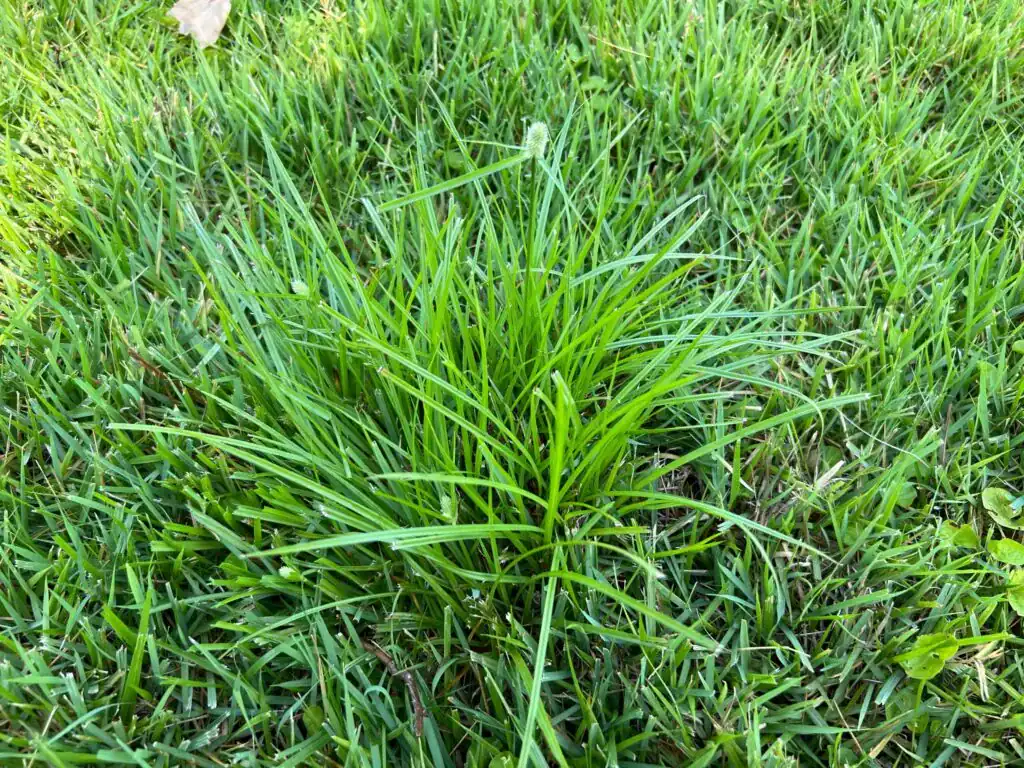
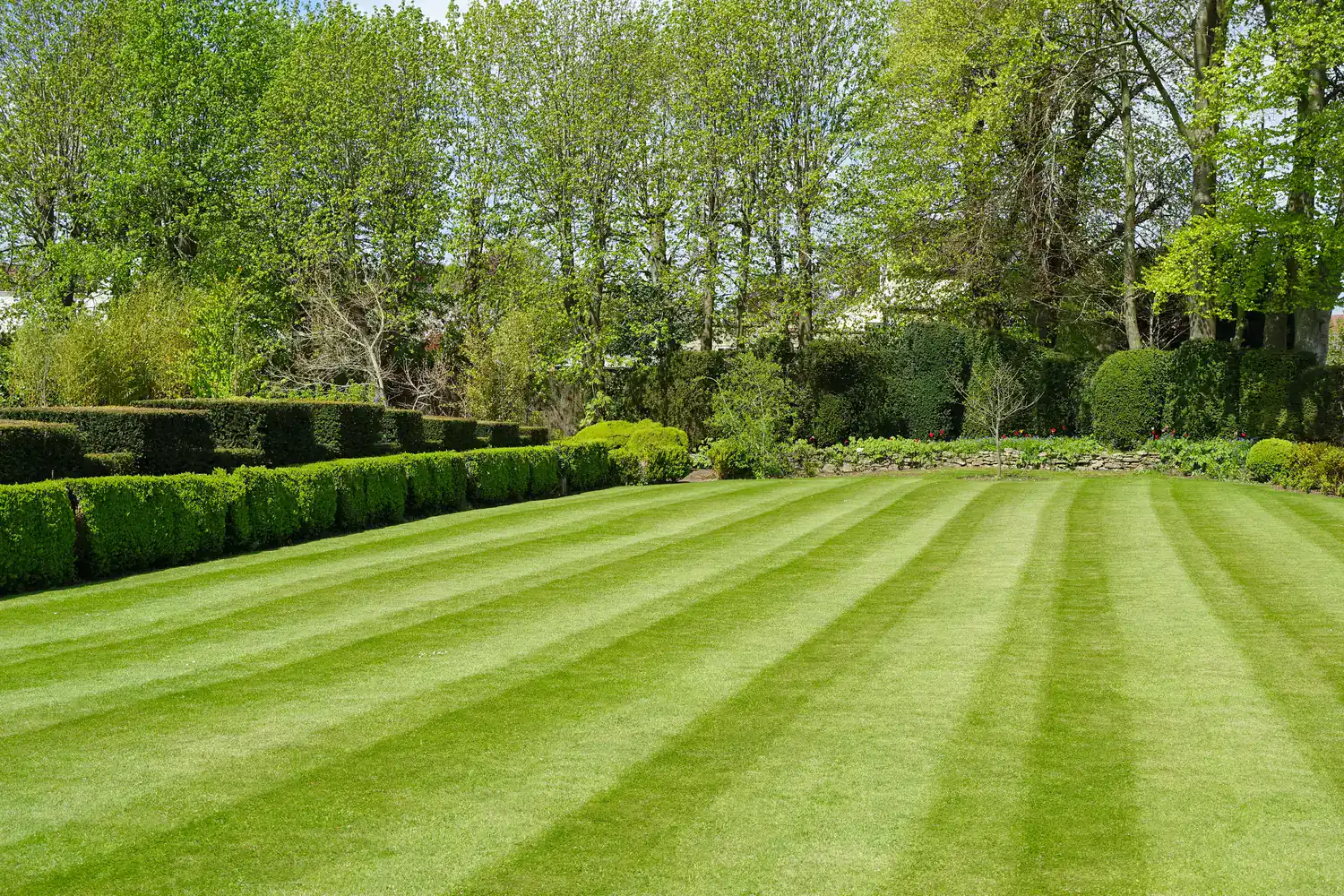
When kyllinga is correctly identified and treated with a licensed, properly timed program, the change is noticeable fast. That dense, dark-green mat that stayed aggressively green while your surrounding turf slowed down in the summer heat it stops spreading, thins out, and eventually disappears. What’s left is a lawn that looks like it belongs together again, not one that’s been quietly taken over by something your last provider couldn’t name.
In Port Jefferson, this matters more than it might somewhere inland. The lower-elevation neighborhoods near the harbor the streets that slope toward the water, the yards that stay wet longer after rain are exactly the kind of environment kyllinga thrives in. The moisture retention in those areas, combined with the North Shore’s warm summers, gives kyllinga every advantage it needs to spread from a small patch into a serious problem within one or two seasons.
For a home valued above $700,000 in a village people actually visit, a lawn that looks patchy and overtaken isn’t just a personal frustration. Eliminating kyllinga and restoring the turf it leaves behind is the difference between a property that holds its standard and one that quietly falls behind the neighborhood. Severely damaged lawns may need more than weed control, so we also offer Port Jefferson lawn restoration.
We operate out of Port Jefferson Station not a regional call center, not a franchise routing jobs from across the county. When you call, you’re reaching a locally based lawn specialist who has been treating properties along this exact stretch of the North Shore, from the harbor neighborhoods of Port Jefferson down through the Route 25A corridor.
The license matters here. The herbicides that actually work on kyllinga halosulfuron-methyl and sulfentrazone require a New York State DEC Commercial Pesticide Applicator License (Category 3a) to purchase and apply. We hold that credential. That’s not a detail to gloss over; it’s the reason a licensed professional can solve a problem that a homeowner or an unlicensed provider simply cannot.
Our work is built around renovation, not just maintenance. The goal isn’t to spray something and leave it’s to get your lawn back to where it should be. Relieving soil compaction helps too, which is why many clients pair this with Port Jefferson lawn aeration.
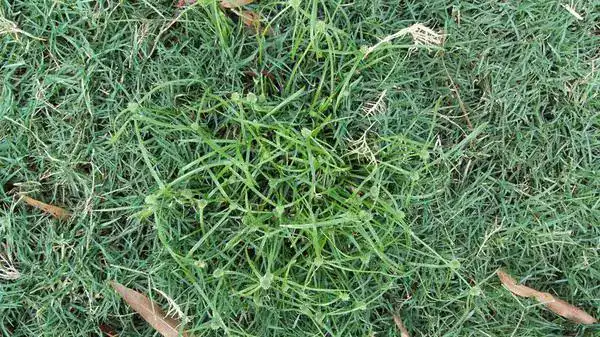
It starts with identification. Kyllinga and nutsedge are related, but they’re not the same plant, and treating one with a program designed for the other produces incomplete results. Before anything gets applied to your lawn, we confirm the specific sedge species present. That step alone separates this from what most providers do.
Once the species is confirmed, treatment begins during the active growing window in Port Jefferson’s North Shore climate, that’s typically late May through late August. Kyllinga has to be actively growing for the herbicide to move through the plant and reach the underground rhizome network. Applications made too early in spring or after the plant begins going dormant in early fall are significantly less effective. Timing isn’t a preference it’s biology.
A properly structured program requires a minimum of two to three applications spaced four to six weeks apart. One application kills visible tissue but leaves the root system capable of regenerating. The follow-up applications address what the first pass couldn’t reach. After the kyllinga is eliminated, the bare or thinned areas it leaves behind need to be overseeded and restored because an open patch is just an invitation for the next problem. That restoration step is part of the program, not an afterthought. If the existing turf is beyond rescue, we also handle new lawn installation for Port Jefferson properties.
Ready to get started?
A kyllinga control program from Lawn Master covers the full cycle identification, treatment, and restoration. It’s not a single visit with a generic sedge herbicide. It’s a sequenced program built around how kyllinga actually grows and spreads in the soil conditions specific to Port Jefferson and the North Shore.
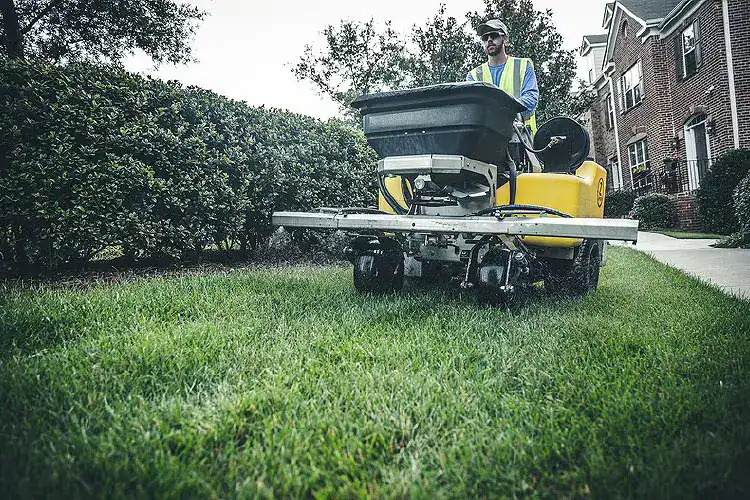
The herbicides we use are professional-grade formulations halosulfuron-methyl (Sedgehammer) or sulfentrazone (Dismiss), depending on what the identification assessment calls for and what’s appropriate for your turf type. These are not retail products. They require a licensed applicator to purchase and use, and they work in a way that over-the-counter weed killers simply don’t against sedge species. Every application is documented in compliance with the NYSDEC Pesticide Reporting Law, and all treatments are conducted in full awareness of Suffolk County Local Law 41-2007 the county’s pesticide buffer zone regulations that apply near drinking water supply areas. For properties in lower Port Jefferson near the harbor, that environmental compliance isn’t a formality. It’s a real consideration that we take seriously.
After treatment, any areas thinned or cleared by the program are addressed with overseeding and turf restoration. Kyllinga leaves gaps. Those gaps need to be filled with desirable grass before something else moves in. That’s the renovation side of this work and it’s what makes the difference between a lawn that recovers and one that cycles through the same problem every summer. Year-round, our Port Jefferson lawn treatment company handles the recurring needs of local turf.
Kyllinga is a perennial sedge, which means it doesn’t just drop seeds and disappear it has an underground rhizome network that survives winter and regenerates new growth the following season. If a previous treatment only addressed the visible plant tissue without reaching those roots, the plant comes back. That’s the most common reason homeowners in Port Jefferson see the same patch return year after year despite having “treated” it.
The other factor is environment. Properties in lower-elevation areas of Port Jefferson particularly those closer to the harbor where soil stays moist longer are providing kyllinga with exactly the conditions it prefers. Even after a successful treatment, if the underlying moisture conditions aren’t managed through irrigation adjustments, drainage improvements, or improved turf density, the risk of reinfestation remains. A complete program addresses the weed and the conditions that invited it in.
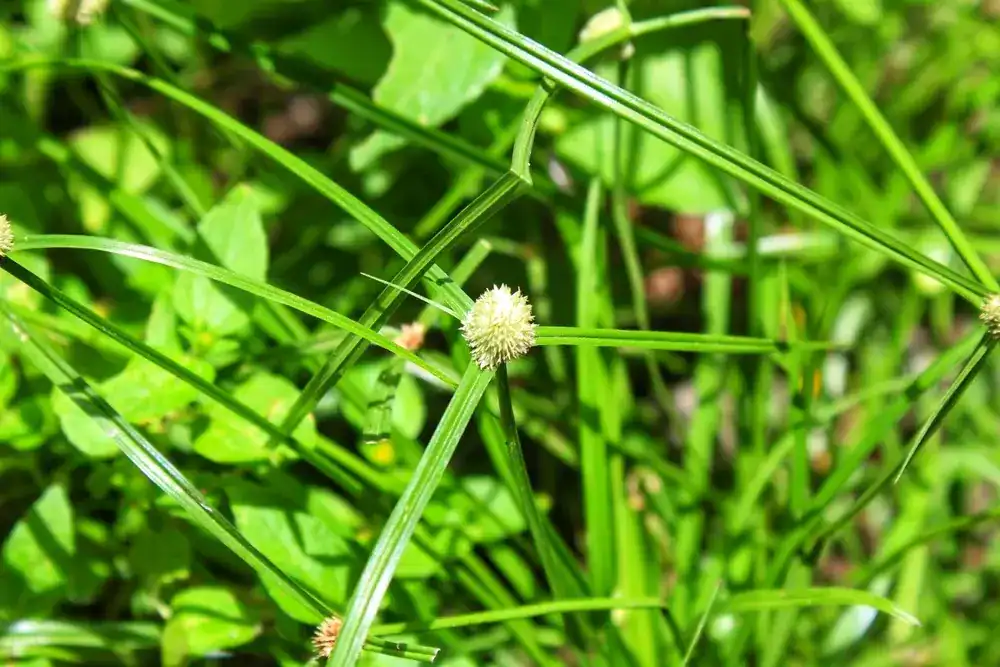
It matters a lot. Both are sedges, and they look similar enough that generalist lawn care providers frequently treat them interchangeably but they’re different plants. Kyllinga tends to grow lower to the ground, forms a denser mat, and produces a round or oval seed head. Nutsedge grows taller and has a more upright habit with a star-burst seed cluster. Applying a nutsedge-specific program to a kyllinga infestation can produce incomplete results, and vice versa.
The reason this distinction is so important in practice is that homeowners who have already paid for a “sedge treatment” and seen it fail are often dealing with a misidentification problem, not a chemistry problem. We confirm the specific species before selecting any herbicide protocol. That identification step isn’t a technicality it’s what determines whether the program actually works or whether you’re spending money on the wrong solution again.
Because kyllinga is a sedge not a grass, not a broadleaf weed. The herbicides that make up the vast majority of retail weed control products are formulated to target broadleaf weeds (like dandelions and clover) or grassy weeds (like crabgrass). Neither category has meaningful activity against sedge species. You can spray a kyllinga patch with a standard weed-and-feed product or a broadleaf herbicide blend and see essentially no response from the plant.
The professional-grade herbicides that actually work on kyllinga halosulfuron-methyl and sulfentrazone are not available on any retail shelf. They require a New York State DEC Commercial Pesticide Applicator License (Category 3a) to purchase in professional formulations. That’s not a marketing distinction it’s a legal and regulatory fact. The access gap is real, and it’s the primary reason homeowners who have genuinely tried to fix the problem on their own keep running into the same wall.
The treatment window for kyllinga in Port Jefferson runs from late May through late August the period when the plant is actively growing and metabolically engaged enough for herbicide to move through the tissue and reach the root system. Applications made before the plant has fully emerged in spring, or after it begins going dormant in early fall, are significantly less effective because the plant isn’t actively transporting the chemistry where it needs to go.
Most Port Jefferson homeowners discover kyllinga in July or August, when the weed stays dark green and continues growing while the surrounding cool-season turf slows down in the summer heat. That contrast makes it suddenly visible. If you’re in that discovery window and there’s still time left in the season, starting a program immediately makes sense. If the season is closing out, the right move is to schedule the following spring’s program before winter so treatment begins at the earliest effective point next year not after the weed has already spread further.
A properly structured kyllinga control program requires a minimum of two to three applications, spaced four to six weeks apart during the active growing season. A single application even using the correct professional chemistry will kill visible plant tissue but leave the underground rhizome network intact and capable of regenerating new growth within weeks. The follow-up applications address what the first pass couldn’t reach and continue to suppress regrowth as the plant weakens.
The number of applications needed in a specific lawn depends on the severity of the infestation, how long it’s been established, and the soil conditions of the property. In the moisture-favorable conditions common to lower-elevation properties in Port Jefferson where soil stays wetter longer due to harbor proximity or irrigation kyllinga tends to be more deeply established and may require the full three-application sequence. Lawns caught earlier, with smaller infestations, sometimes respond well to two applications. There’s no honest one-size answer, but anyone telling you one visit will solve it is setting you up for disappointment.
Yes when applied by a licensed professional who understands the local regulatory framework. Suffolk County Local Law 41-2007 establishes pesticide-free buffer zones around public drinking water supply wells, and the Suffolk County Department of Health Services maintains maps of those zones that licensed applicators are required to consult before any application. Port Jefferson’s position on the Long Island Sound and the county’s documented groundwater sensitivity Long Island sits atop the sole-source Long Island aquifer make this a genuine consideration, not a formality.
We operate exclusively in Suffolk County and are fully familiar with these requirements. Every treatment is applied in compliance with NYSDEC licensing standards, the county’s buffer zone regulations, and the NYSDEC Pesticide Reporting Law. For homeowners in lower Port Jefferson near the harbor, or anywhere in the village where proximity to water is a real factor, working with a locally based, licensed applicator who knows these rules isn’t just a preference it’s the responsible and legally correct way to get this done.
Useful Links
Other Services we provide in Port Jefferson