
Hear from Our Customers
Compacted soil is quiet damage. You water, you fertilize, maybe you even overseed and nothing really changes. That’s not a product problem. That’s a soil problem. When the ground beneath your grass is too dense for air, water, and nutrients to reach the roots, everything you put on top of it is wasted. Core aeration fixes that at the source.
Central Islip is one of the more densely populated communities in Suffolk County nearly 5,000 residents per square mile and about 40% of households here have kids under 18. That means lawns in this area take a real beating. Foot traffic, freeze-thaw cycles every winter, and the kind of hot, humid summers Long Island is known for all accelerate compaction faster than most homeowners realize. You’re not dealing with a lazy lawn. You’re dealing with soil that’s been packed down and starved.
When that compaction gets broken up with professional core aeration, the difference shows up fast. Water stops pooling and starts soaking in. Fertilizer reaches the root zone instead of sitting on the surface. Grass fills in thicker because the roots finally have room to grow. For a community where median home values have climbed past $470,000, that’s not just a nicer-looking yard it’s protecting a real investment.
We’ve been operating in Suffolk County since 1987 continuously, without a rebrand, without being bought out, and without sending unlicensed labor to your property. Every technician who shows up is a licensed pesticide professional certified through the NYSDEC. That’s not a detail most companies lead with, because most companies can’t.
The lawns we treat in Central Islip from the newer developments near Courthouse Commons and Islip Landing to the established neighborhoods along Carleton Avenue reflect a community that’s invested in where it lives. We’ve watched this area grow and change over decades, and that kind of familiarity with local soil conditions, seasonal patterns, and what actually works here isn’t something a newer company or a national chain can replicate.
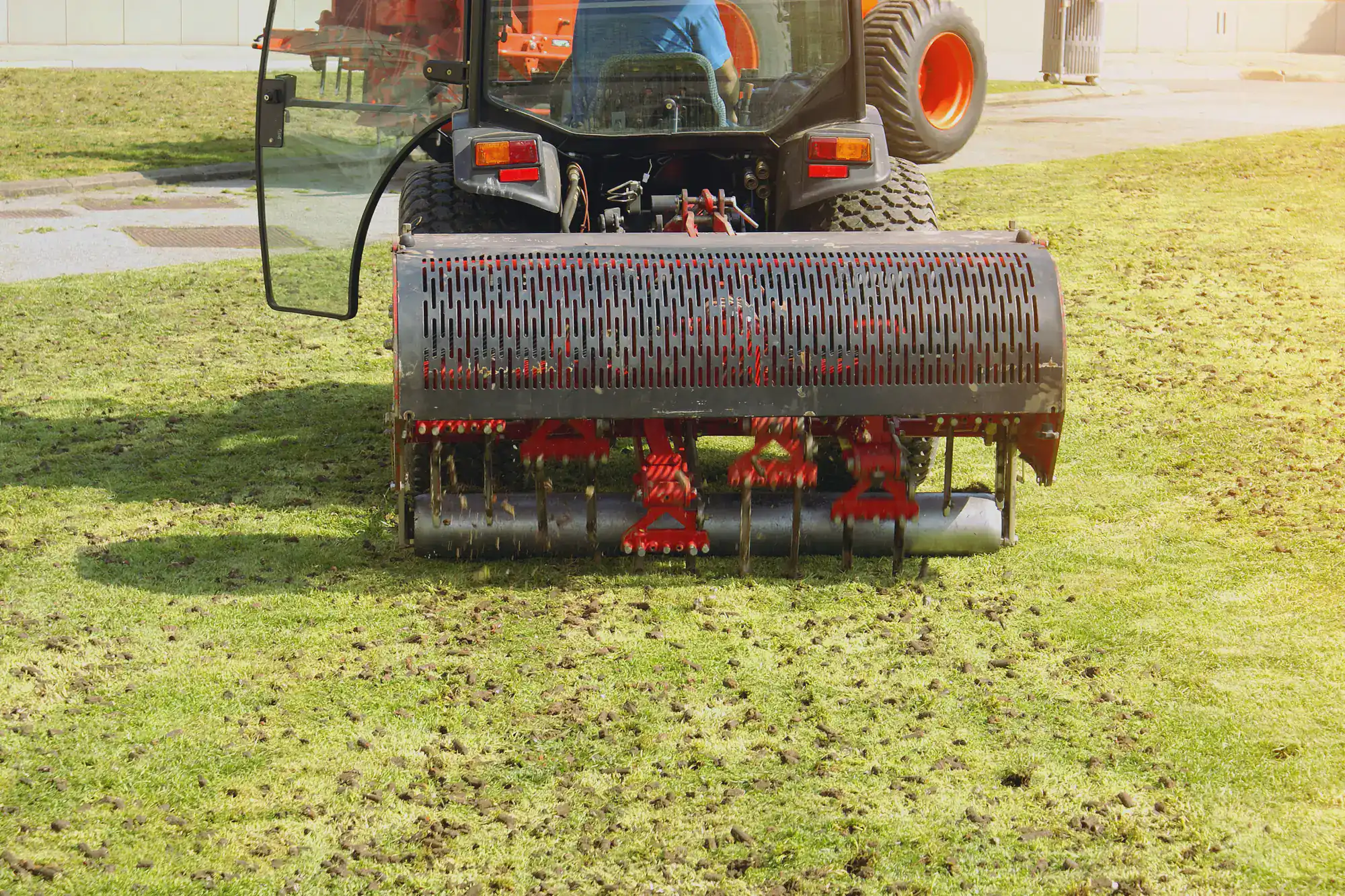
We use hydraulic core aerators, custom-blended fertilizer made specifically for our programs, and equipment you won’t find at a rental counter. Five fully wrapped trucks run throughout Suffolk County, and every program we build is customized around your specific lawn not a package pulled off a menu.
It starts with an assessment of your actual lawn not a quick glance from the truck, but a real look at your soil compaction level, thatch depth, grass type, and what’s going on beneath the surface. Central Islip’s predominant grass types are Kentucky bluegrass, tall fescue, and perennial ryegrass. All three are cool-season grasses, which means the timing of aeration matters significantly. Fall roughly late August through October is the prime window, when soil temperatures are still warm enough to support root recovery but the summer heat has backed off.
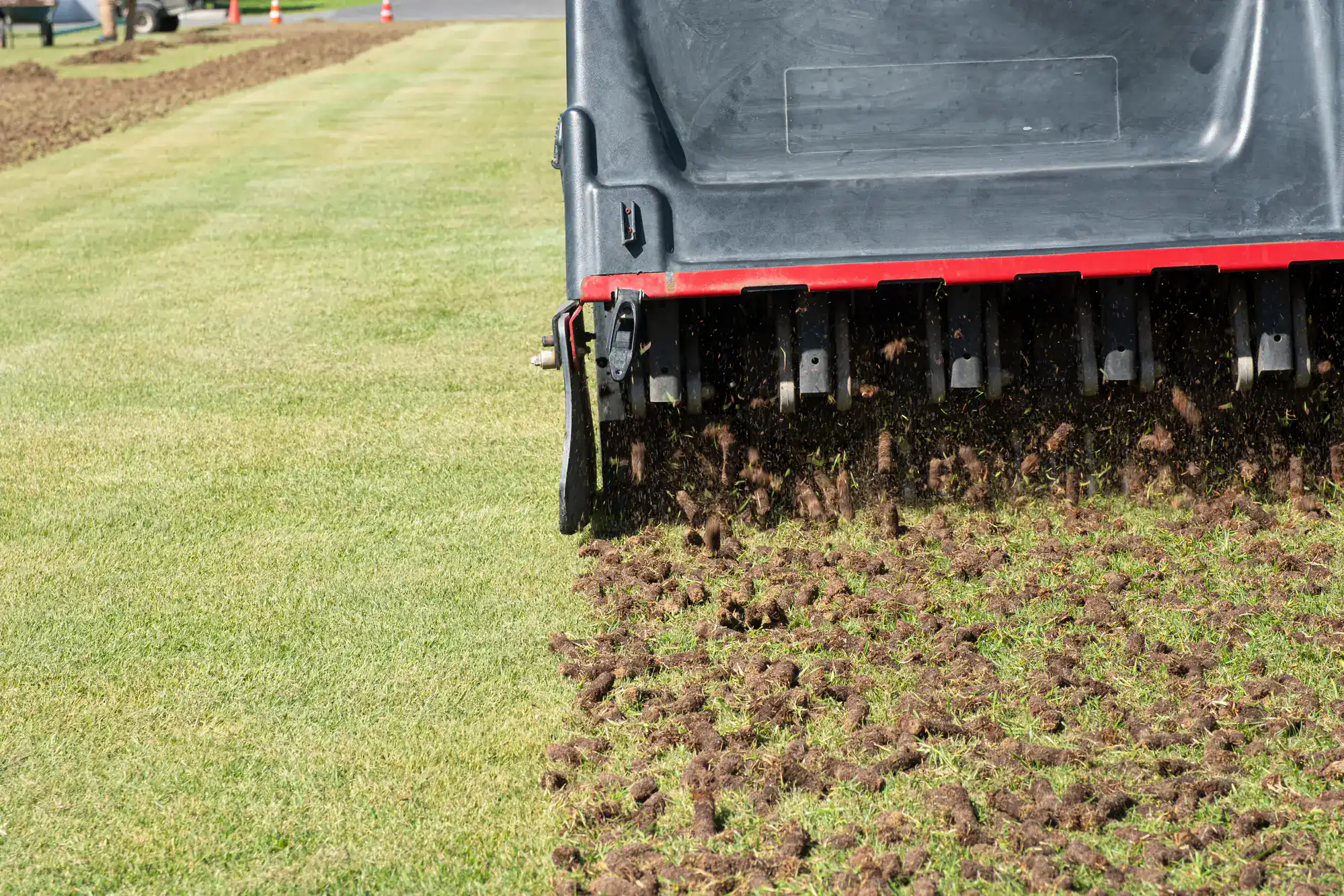
Once we’ve assessed the lawn, we run our hydraulic core aerator across the surface. This pulls out actual plugs of soil typically two to three inches deep and leaves them on the lawn to break down naturally. Those cores return organic matter to the surface while the channels they leave behind open up the root zone to air, water, and nutrients. It’s a mechanical process with measurable results, not a treatment you have to take on faith.
One thing worth knowing if you’re planning a fall program in Central Islip: Suffolk County’s fertilizer ban takes effect November 1. Aeration works best when it’s followed immediately by overseeding and fertilization, so the window to get all three done before the deadline is real and it fills up. We plan our fall schedule accordingly, and we honor it.
Ready to get started?
Lawn aeration cost varies based on lawn size, current compaction level, and whether overseeding and fertilization are included which they usually should be, since aeration without follow-up is a missed opportunity. When you call for a quote, we’re not pulling a number off a rate card. We’re looking at your specific property in Central Islip and building a program around what it actually needs.
Every program we build is custom. That means if your lawn in Bella Casa Estates has different soil conditions than a property near College Woods, those programs won’t be identical because they shouldn’t be. The soil beneath newer housing developments built on former institutional grounds in Central Islip can have subsoil disturbance from construction that affects how compaction builds and how deep aeration needs to go. We account for that. A national chain running a standard route doesn’t.
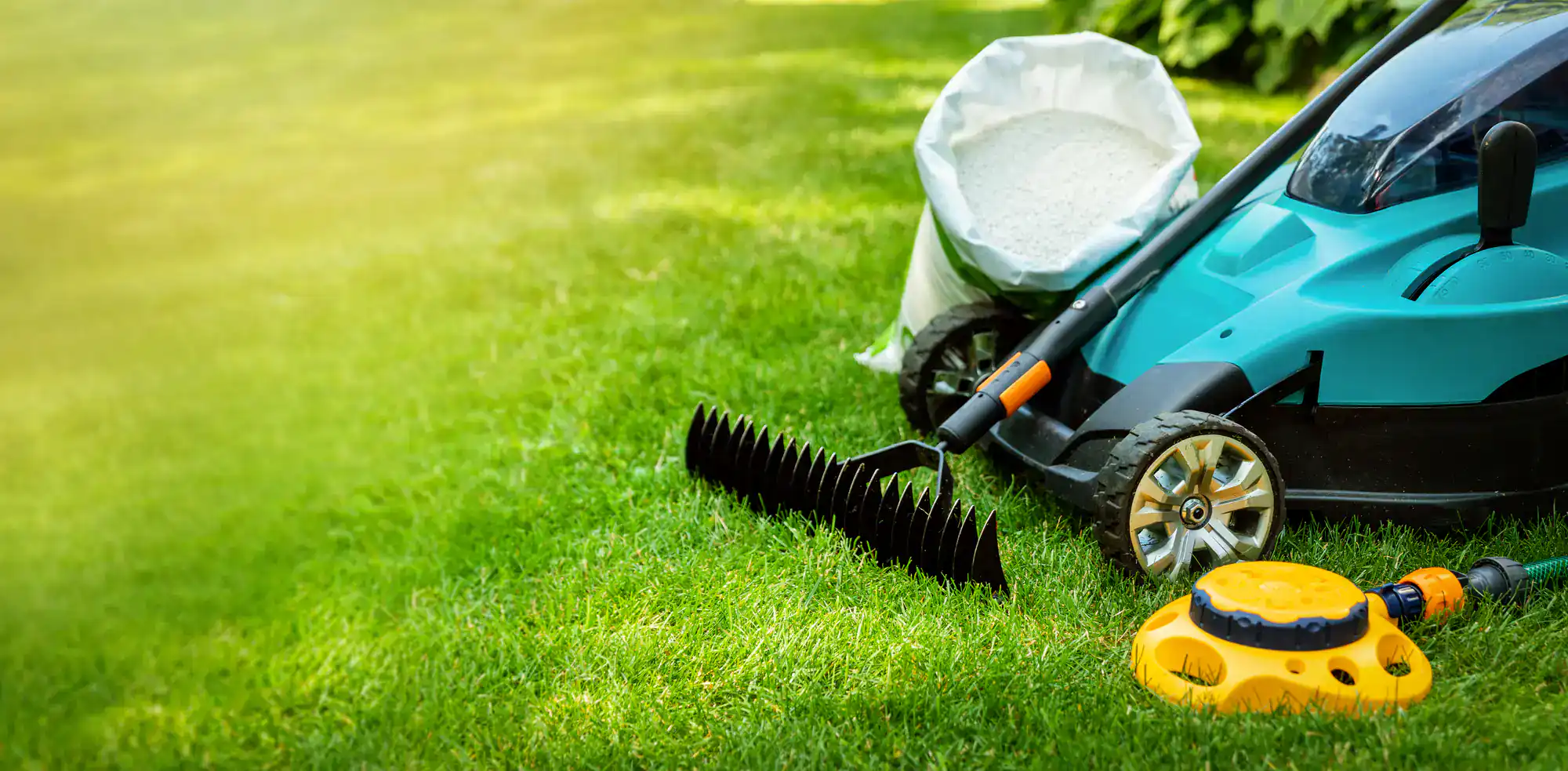
Beyond aeration, we also handle overseeding, lawn restoration, new lawn installs from seed, and ongoing fertilization programs. If your lawn is in rough shape, aeration is often the starting point but it’s rarely the only step. We can walk you through what a full program looks like for your property, what it costs, and what you can realistically expect to see by the following spring. No pressure, just a straight answer.
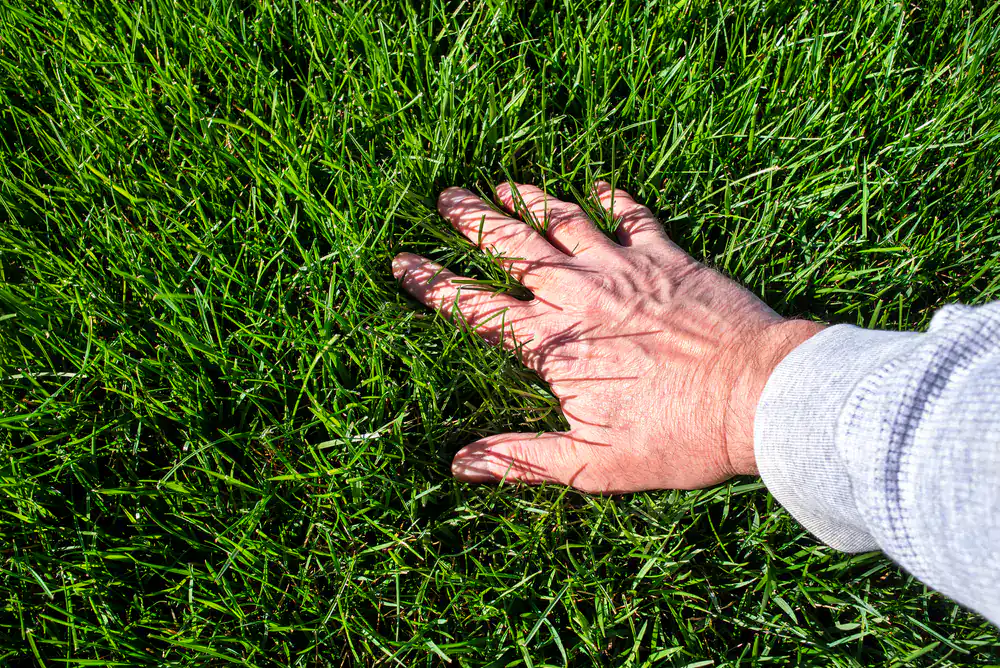
For the grass types most common in Central Islip Kentucky bluegrass, tall fescue, and perennial ryegrass fall is the best window for aeration. Specifically, late August through mid-October is ideal. Soil temperatures are still warm enough to support root recovery and seed germination, but the air has cooled down enough that you’re not stressing the grass in the middle of summer heat. Spring aeration is possible, but it gets complicated if pre-emergent weed control has already been applied, since aerating after a pre-emergent breaks the barrier you just paid to put down.
There’s also a hard deadline to be aware of in Suffolk County: the county-wide fertilizer ban kicks in on November 1. Since aeration is most effective when it’s followed by overseeding and fertilization in the same visit, you need all three done before that date. That window fills up fast for established companies, so if you’re thinking about fall aeration, earlier in the season is always better than waiting until October.
The most straightforward test is the screwdriver test. After watering your lawn, push a standard 6-inch screwdriver into the soil. If it won’t go down three inches without real force, your soil is compacted. Other signs include water pooling on the surface after rain instead of soaking in, grass that looks thin or patchy despite regular fertilizing, and soil that feels hard underfoot even after watering. If you’ve been fertilizing consistently and seeing little to no improvement, compaction is often the reason nutrients simply can’t reach the root zone through dense, packed soil.
In Central Islip specifically, the combination of high residential density, active family households, and Long Island’s freeze-thaw winters creates conditions where compaction builds steadily year over year. Lawns that haven’t been aerated in two or more years are almost always compacted to some degree. It’s not a sign of neglect it’s just what happens to soil under regular use, and professional core aeration is the fix.
Core aeration physically removes plugs of soil from your lawn, creating open channels that allow air, water, and nutrients to reach the root zone. Spike aeration, by contrast, just pushes holes into the ground with solid tines which can actually increase compaction around each hole by compressing the surrounding soil. For lawns with moderate to severe compaction, spike aeration does very little.
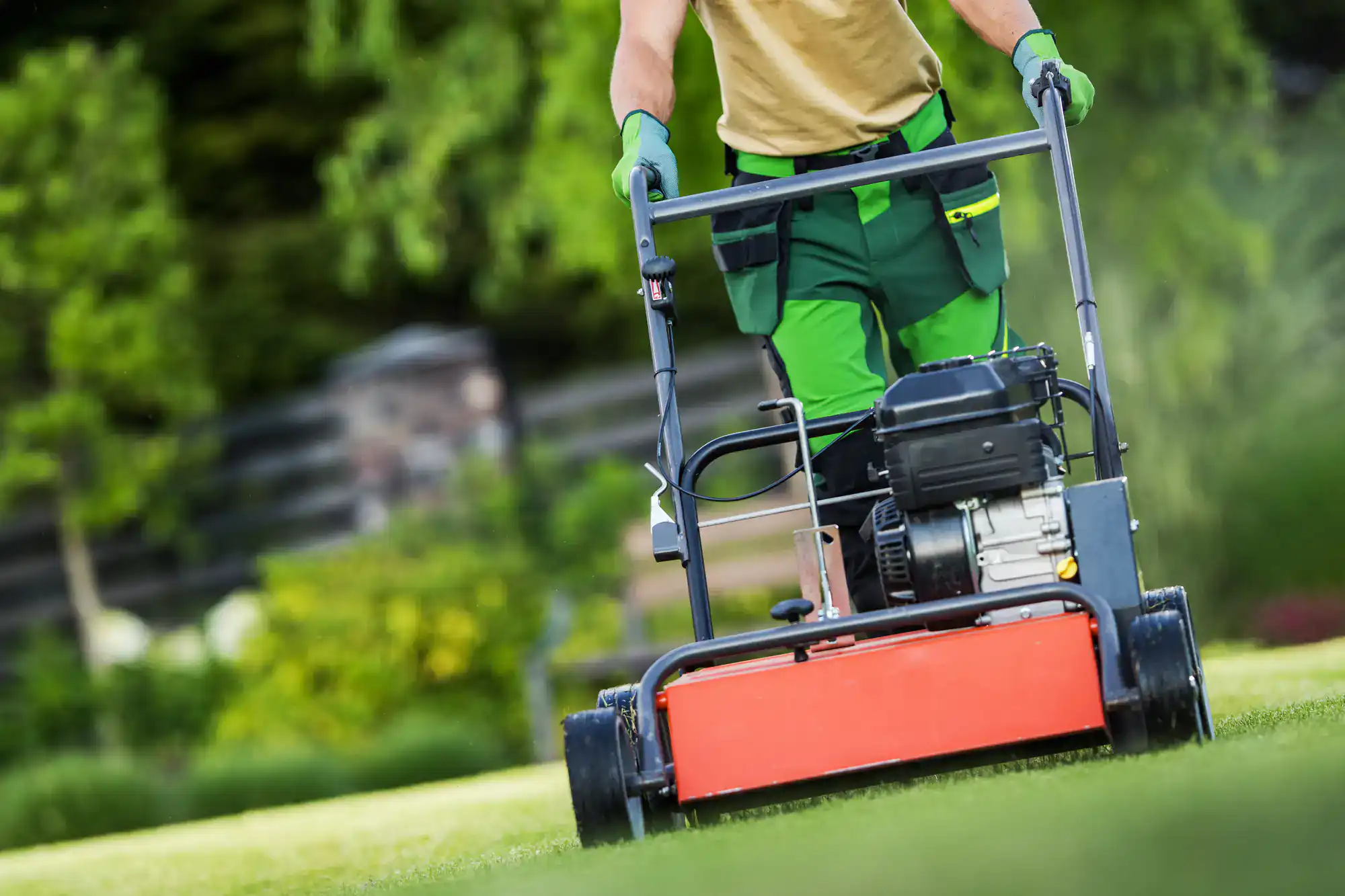
Core aeration is the professional standard for a reason. The plugs that get pulled out are left on the surface to break down naturally, returning organic matter to the lawn while the channels they leave behind do the real work. We use hydraulic core aerators not the light tow-behind or walk-behind units available at rental counters which means deeper penetration and cleaner core removal across the full range of soil conditions you’ll find in Central Islip’s residential neighborhoods.
You can, but there are a few things worth knowing before you go that route. Consumer-grade and rental aerators are built for light-duty use on moderately compacted turf. If your lawn has significant compaction which is common in Central Islip’s denser residential areas a rental machine may not penetrate deeply enough to make a real difference. You’ll also need to water the lawn thoroughly the day before to soften the soil, and you’ll need to make multiple passes in different directions to get adequate coverage, which takes longer than most people expect.
The bigger issue is what happens after aeration. The full benefit comes from following it immediately with overseeding and fertilization and doing all of that correctly, with the right seed blend for your grass type and a fertilizer formulated for your soil, takes knowledge that goes beyond the mechanical part of the job. A licensed professional can assess your lawn, aerate it properly, and follow up with the right program in a single visit. For most homeowners, that’s a better use of a Saturday than a rental machine and a guess.
In most cases, yes and compaction is frequently the underlying cause of thin or patchy turf that fertilizer alone hasn’t fixed. When soil is compacted, grass roots can’t expand, which means the plants themselves stay shallow and weak. Shallow roots are more vulnerable to heat stress in summer, drought, and the freeze-thaw cycles that Central Islip gets every winter. The result is turf that thins out gradually and never seems to recover no matter what you put on it.
Aeration opens the soil back up and gives roots room to grow deeper and spread wider. When it’s paired with overseeding which we typically recommend doing in the same visit new seed falls directly into the channels left by the aerator, giving it direct soil contact and a much higher germination rate than seed broadcast over a closed, compacted surface. If your lawn has been thin for a while, a single properly executed aeration and overseed program in the fall can produce visible improvement by the following spring.
That’s a fair question, and the honest answer is that it comes down to what you’re actually paying for. Cheaper options in the Central Islip area tend to fall into a few categories: informal one-truck operators, national chains running standardized routes, or marketplace apps connecting you to whoever is available. None of those options come with a licensed pesticide professional on every job, hydraulic aeration equipment, or a custom-blended fertilizer formulated specifically for Suffolk County soil.
We’ve been operating continuously in this area since 1987. That’s not a number we use to fill space it means the people treating your lawn have seen what works and what doesn’t across decades of Long Island seasons, soil conditions, and regulatory changes. When you invest in a lawn care program for a property worth close to half a million dollars, the difference between a company that’s been doing this since before most of Central Islip’s current housing developments existed and one that started last year is not a small thing. You can call us, get a straight quote, and decide from there.
Useful Links
Other Services we provide in Central Islip