
Hear from Our Customers
When your lawn is getting the right nutrients at the right time, it shows. Dense, green turf that holds its color through August. Fewer bare patches. Weeds that don’t stand a chance against thick, healthy grass. That’s not a sales pitch that’s just what happens when the program is built correctly from the start.
Central Islip’s soils are part of the story here. The houdek and loamy sandy profiles that run through this part of Suffolk County drain quickly, which means standard fertilizer applications can move right through the root zone before the grass absorbs much of anything. A custom-blended formula applied on the right schedule changes that. Your lawn gets what it needs when it actually needs it not what’s convenient for a crew running behind on a Tuesday.
The housing stock in Central Islip also matters. Most homes here were built around 1969, which means the lawns have decades of soil compaction and uneven maintenance history underneath them. A good fertilization program doesn’t just feed grass it works with aeration and overseeding to actually rebuild what’s been lost. The difference between a lawn that survives and one that genuinely looks good starts with understanding what’s going on beneath the surface.
We’ve been working Suffolk County lawns since 1987 that’s nearly four decades of experience with Central Islip’s sandy drainage patterns, humid summers, and the specific pest pressures that come with this part of Long Island. We were here before the federal courthouse complex went up, before Bethpage Ballpark opened, and through every pest cycle, drought summer, and regulatory change that has shaped what it takes to maintain a healthy lawn in Central Islip.
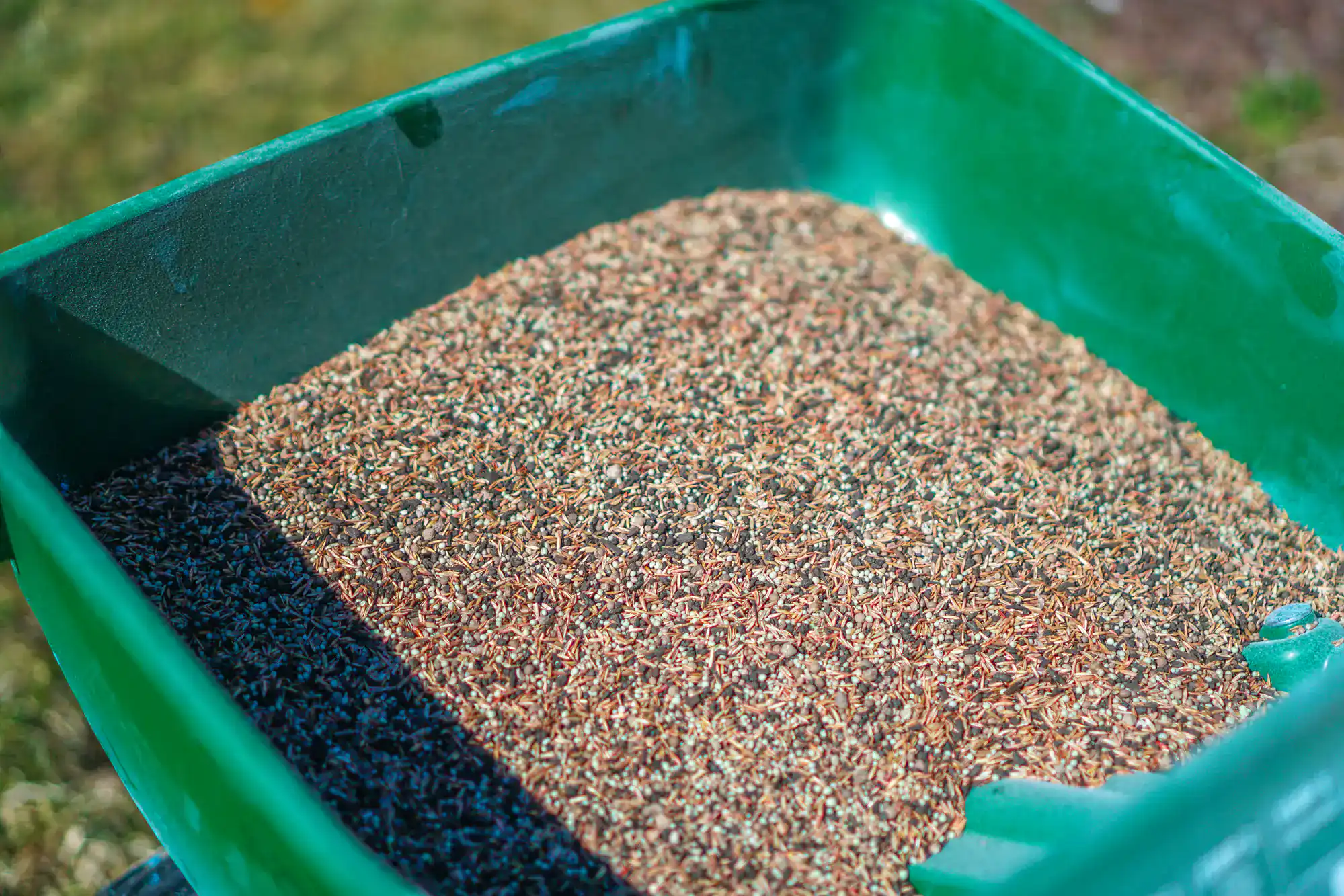
Every job is handled by a licensed pesticide professional not a seasonal hire with a spreader and a route sheet. The fertilizer we apply to your lawn is a custom blend formulated specifically for our programs, not an off-the-shelf product pulled from a distributor warehouse. That distinction matters more than most homeowners realize until they’ve seen the difference firsthand.
Our fleet is fully wrapped, our equipment is commercial-grade, and our payment process is straightforward online, by credit card, no chasing invoices. We’re a professional operation that’s been earning repeat business in Central Islip and across Suffolk County for nearly four decades.
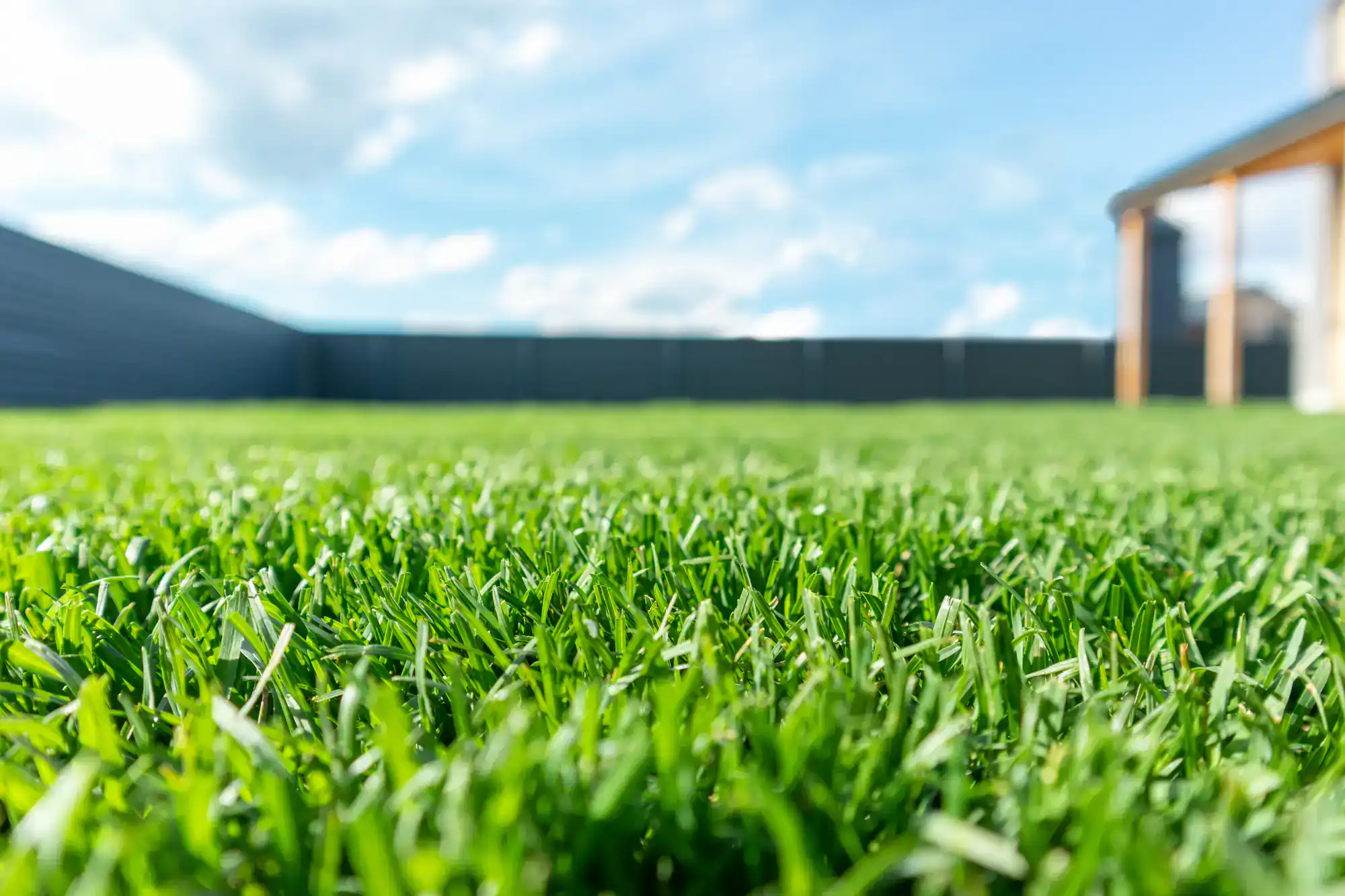
It starts with understanding what your lawn is actually dealing with. Soil type, grass variety, compaction level, sun exposure, drainage these aren’t details to skim over. In Central Islip, where cool-season grasses like Kentucky bluegrass and tall fescue are the norm and the soil drains faster than most homeowners expect, the timing and formulation of each application directly determines whether you get results or just spend money.
From there, we build a custom program around your property’s specific conditions. Early spring treatments focus on crabgrass prevention and getting nutrients into the root zone as the lawn wakes up. Summer applications are dialed back intentionally pushing too much nitrogen during Central Islip’s hot, humid July and August is one of the fastest ways to stress cool-season grass. The real work happens in late summer and fall, when the window from mid-August through late September is the single most important period for aeration, overseeding, and fertilization. That’s when the soil is still warm, the air is cooling, and grass roots are actively building the reserves they’ll need to survive winter.
One thing that’s non-negotiable in Suffolk County: no fertilizer applications between November 1st and April 1st. That’s county law, not a preference, and it carries fines of up to $1,000 for professional applicators who ignore it. Our licensed professionals know the window, work within it, and time every application to get maximum results before the cutoff.
Ready to get started?
Fertilization is the foundation, but what we apply and when depends entirely on what your lawn needs. Our custom-blended fertilizer is formulated specifically for our programs and the soil chemistry common to Long Island lawns. It’s not a product you can buy at a hardware store, and that’s the point. When western chinch bugs are active in Central Islip during a dry summer stretch, or when a lawn has been quietly losing ground to thatch buildup and compaction, a generic bag of granules isn’t going to fix anything.
For lawns that need more than maintenance, we also handle full restoration work and new lawn installs from seed. If you’ve got bare areas, persistent thin spots, or a lawn that’s been neglected long enough that a fertilization program alone won’t turn it around, that’s a conversation worth having. Our hydraulic aerators pull deeper plugs than the equipment most smaller operators use, which means better water and nutrient penetration into the root zone especially important in Central Islip’s faster-draining soils.
Suffolk County’s fertilizer law also restricts phosphorus applications unless a soil test confirms a deficiency or a new lawn is being established. Every application we make is compliant with county and state regulations including the Neighbor Notification requirements for spray applications. You’re not just getting a greener lawn. You’re getting a program that protects the aquifer your family drinks from.
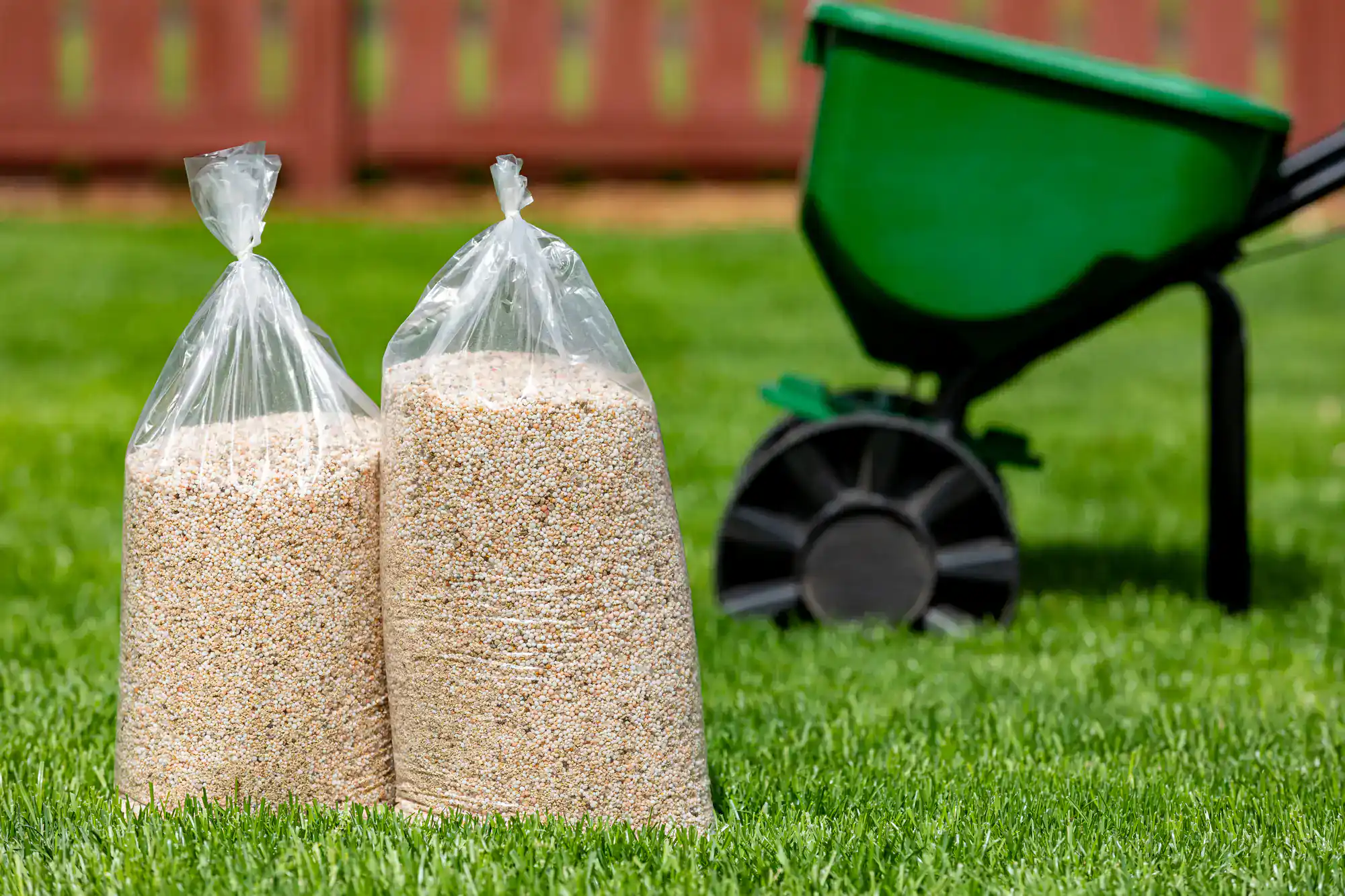
For most lawns in Central Islip, a properly structured program runs five to six applications per year, timed around the growth cycles of cool-season grasses like Kentucky bluegrass, perennial ryegrass, and tall fescue. These grasses grow most actively in spring and fall, so the program is front- and back-loaded heavier emphasis early in the season and again from late summer through October, with lighter or no applications during the peak heat of summer when the grass is under stress.
Suffolk County law prohibits any fertilizer applications between November 1st and April 1st, so the final application of the season needs to happen in late October at the latest. That last fall feeding is one of the most important of the year it builds root reserves that carry the lawn through winter dormancy and support strong green-up the following spring. Missing it is one of the most common mistakes homeowners make when they try to manage fertilization on their own.
The products on the shelf at a hardware store are formulated to work adequately across a wide range of soil types and grass varieties. They’re not wrong they’re just not built for anything in particular. A custom-blended fertilizer is formulated around the specific nutrient ratios, release timing, and soil chemistry relevant to the lawns it’s being applied to. For Long Island’s houdek and loamy sandy soils, which drain faster than heavier soils in other parts of the state, that specificity matters.
When nutrients move through the root zone too quickly, the grass doesn’t absorb them effectively you’re essentially fertilizing the groundwater instead of the lawn. A custom blend accounts for that drainage rate and adjusts the formulation accordingly. It’s also worth noting that Suffolk County restricts phosphorus in fertilizer applications unless a soil test confirms a deficiency. A professional using a properly formulated product is already working within those parameters. A homeowner grabbing a bag off the shelf may not be.
Brown patches in summer can come from several different sources, and misdiagnosing the cause is one of the most expensive mistakes a homeowner can make. Heat stress on cool-season grass looks similar to drought stress, fungal disease, and insect damage but each one requires a completely different response. Watering more when the problem is actually western chinch bugs, for example, makes the situation worse, not better. Chinch bugs are a documented pest concern in the Central Islip area specifically, and they cause irregular brown patches that are easy to confuse with drought.
A licensed professional can correctly identify what’s actually happening whether it’s heat stress, a fungal issue related to Central Islip’s humid summer conditions, grub damage, or an insect infestation. Getting the diagnosis right is the difference between a targeted treatment that works and a season’s worth of wasted effort. If you’ve been dealing with the same brown patch problem year after year without a clear answer, it’s worth having someone who knows this area’s specific pest pressures take a look.
Partially true, but the details matter. Suffolk County law prohibits fertilizer applications between November 1st and April 1st so fall fertilization is not only allowed, it’s one of the most important things you can do for your lawn before winter. The restriction exists to protect the county’s sole-source aquifer system, which supplies drinking water to over a million Long Island residents. Applying fertilizer when the ground is frozen or dormant means the nutrients have nowhere to go except into the groundwater.
The key is timing. A properly timed late-October application builds the root reserves cool-season grasses need to survive winter and come back strong in spring. Miss that window, and you’re starting the following season with a lawn that’s already behind. Professional applicators who know the county regulations work backward from the November 1st cutoff to make sure the final application happens at the right time not too early to be effective, not too late to be legal.
If your lawn has been in place for more than a few years and hasn’t been aerated regularly, it almost certainly has some degree of soil compaction especially in Central Islip, where the median home was built around 1969 and many lawns have been walked on, mowed, and driven over for decades. Compacted soil prevents water, air, and nutrients from reaching the root zone, which means your fertilizer program is working against a structural problem it can’t solve on its own.
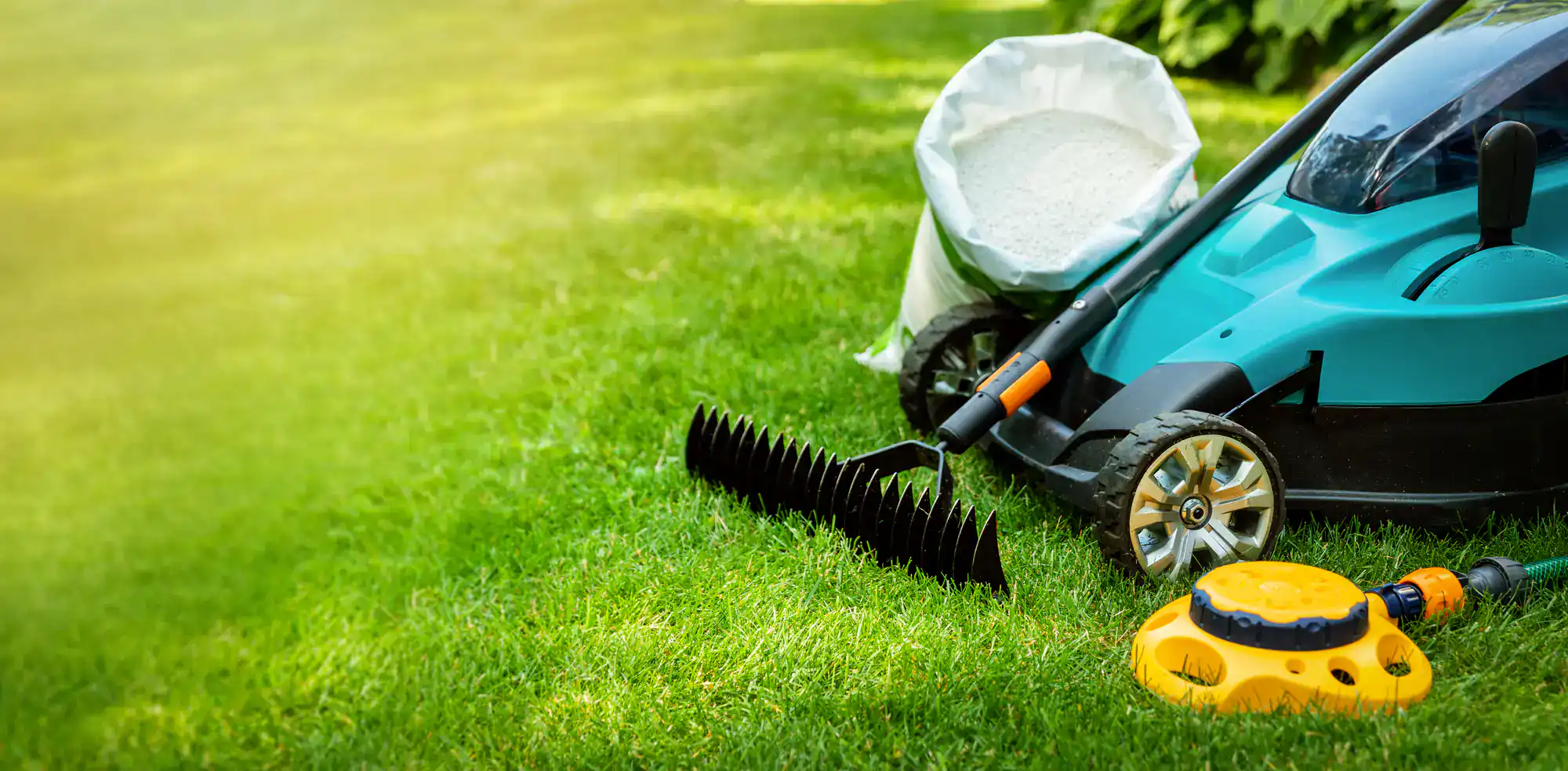
A few signs to look for: water pooling on the surface after rain instead of absorbing, grass that looks thin and struggles to recover from summer stress, or soil that feels hard underfoot. Aeration pulls physical plugs out of the ground and opens up channels for everything to move more freely. When it’s paired with overseeding and a fall fertilization application ideally in that mid-August to late-September window the results are noticeably better than fertilization alone. For lawns with significant compaction, skipping aeration and just adding more fertilizer is a shortcut that rarely pays off.
The cost difference comes down to what you’re actually getting. A bag of fertilizer from a hardware store and a broadcast spreader can handle the basics, but it doesn’t account for your lawn’s specific soil conditions, the correct application rates for Suffolk County’s regulations, the timing windows that determine whether cool-season grass thrives or struggles, or the ability to identify and address problems like chinch bug damage or fungal disease before they spread.
Licensed professional applicators in New York State have passed state certification exams and recertify every three years that’s a legal requirement, not a marketing detail. In Central Islip, where the aquifer beneath your property supplies the region’s drinking water and county law restricts how and when fertilizer can be applied, having someone who knows those rules isn’t optional if you want the job done right. The homeowners who’ve tried the DIY route or hired the cheapest option on a platform and ended up with burned grass, persistent weeds, or the same thin lawn year after year already know what the real cost of cutting corners looks like.
Useful Links
Other Services we provide in Central Islip