

Hear from Our Customers
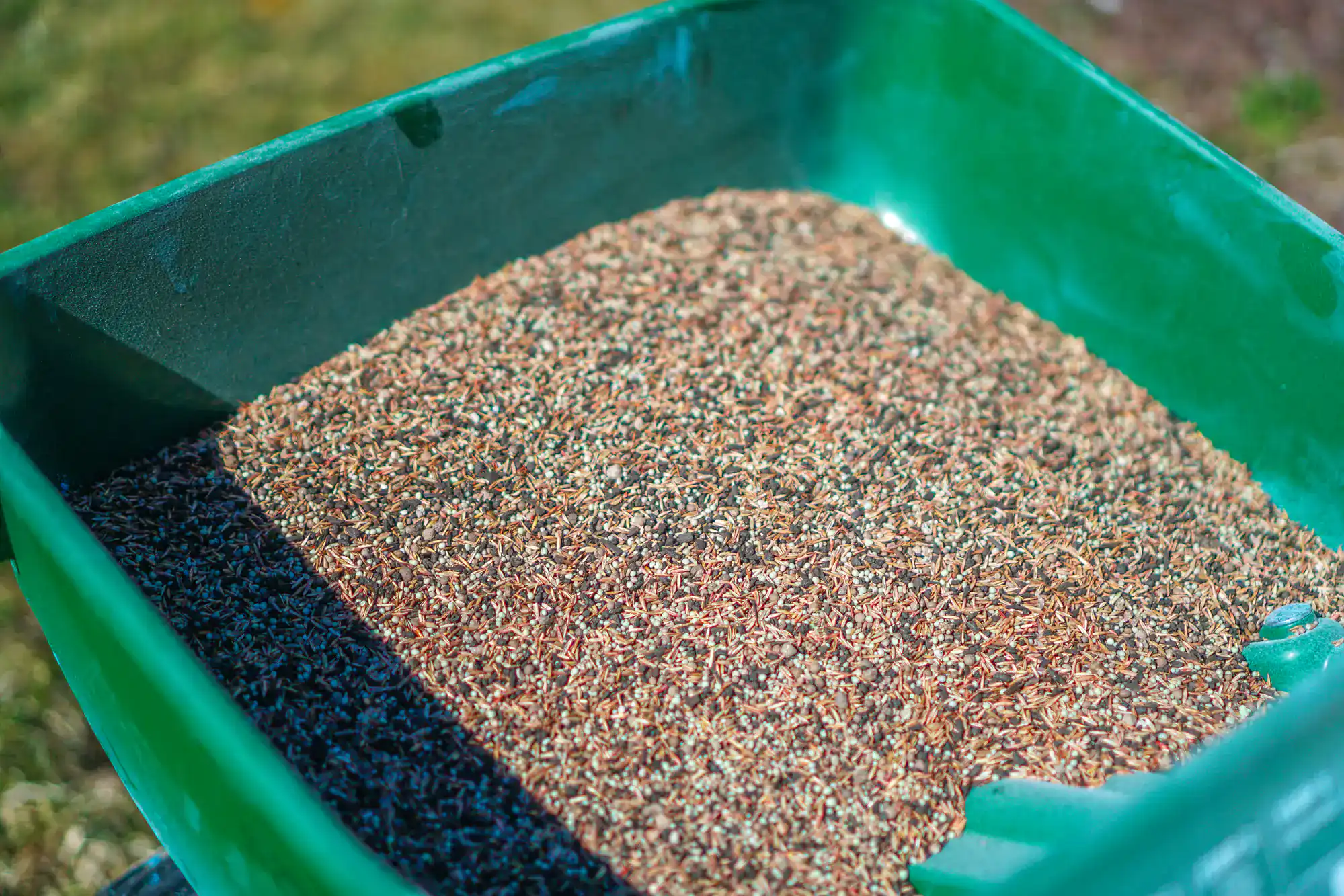
When your home is worth over $600,000, a thin, patchy, or weed-choked lawn isn’t just an eyesore it’s a gap between what your property could look like and what it actually does. A professional fertilization program closes that gap. You get thicker turf, better color through the season, and a lawn that holds up instead of burning out every August.
Miller Place’s position on the bluffs above Long Island Sound creates conditions that most lawn care programs aren’t built for. Salt spray off the Sound stresses grass blades and disrupts nutrient uptake. The sandy North Shore soil drains fast, which means cheap, fast-release fertilizers leach through the root zone before your grass can use them. A program that doesn’t account for those two factors specifically is going to keep disappointing you, no matter how many times they show up.
The older housing stock here adds another layer. Many Miller Place homes started as post-WWII beach cottages converted to year-round use over decades. That history often means compacted, nutrient-depleted soil that needs more than a seasonal feeding. When the program is built around what your specific lawn actually needs, the results are different. Noticeably different.
We’ve been serving Suffolk County since 1987, and Miller Place has been part of that work from the beginning. That’s not a number we throw around for effect it means we’ve been treating North Shore lawns through droughts, pest cycles, regulatory changes, and every condition Long Island knows how to throw at a lawn. We know what works here because we’ve been doing it here, specifically, for nearly four decades.
Every job is handled by a licensed pesticide professional. Not a seasonal laborer. Not someone supervised from a distance. Suffolk County has real legal requirements around fertilization including a hard ban from November through April and strict phosphorus restrictions designed to protect the aquifer and Long Island Sound and every person on our crew is certified, tested, and up to date on all of it. That matters for your lawn and for your property’s compliance.
We run a fleet of five fully wrapped trucks across the county, and we bring hydraulic aerators, commercial seeders, and a custom-blended fertilizer made specifically for Lawn Master not sourced from a warehouse shelf. If you’re along North Country Road, near the Sound Beach border, or anywhere in the 11764 ZIP, we know your neighborhood and we know what your lawn is dealing with.

We start by understanding what you’re actually working with. Miller Place lawns vary more than most people realize a bluff-top property with direct Sound exposure has different needs than a shaded lot on a wooded street off Lower Rocky Point Road, and a converted beach cottage with 50 years of compacted soil needs a different approach than a newer build on a larger lot. Before anything gets applied, we look at what’s in front of us.
From there, your fertilization program is built around your lawn’s specific conditions: soil type, sun and shade ratio, grass variety, existing weed pressure, and any prior treatment history. Our custom-blended fertilizer is formulated for Long Island’s soil chemistry slow-release, calibrated to stay in the root zone longer in sandy soil rather than leaching through before your grass can use it. Timing matters too. On the North Shore, the best fall application window is early September, and summer nitrogen needs to be dialed back to avoid pushing surge growth that invites fungal disease in the Sound-side humidity.
If your lawn needs more than fertilization compaction relief, overseeding, or a full restoration we handle that with hydraulic aerators and seeders, not the consumer-grade equipment you’d rent at a hardware store. The whole process is designed to produce a result, not just complete a visit.

Ready to get started?
Lawn fertilization on the North Shore isn’t the same service it is in an inland town. Salt air off Long Island Sound, sandy bluff-top soil with low nutrient retention, elevated coastal humidity in summer, and greater tree coverage than most of Long Island these are the conditions your lawn is living in. Every application we make is calibrated to those realities, not copied from a national program template.
Our custom-blended fertilizer is a proprietary formula made specifically for Lawn Master. No competitor in Miller Place not the ones running generic 7-step programs, not the national franchises with a local landing page uses a product built to this specification. It’s formulated for Long Island soil chemistry and designed to release nutrients at the rate and in the form that North Shore turf actually responds to. We also handle nutgrass and bentgrass control, which are two of the most stubborn problems in Suffolk County lawns and two things most generalist companies aren’t equipped to address effectively.
Suffolk County’s fertilization ban runs November 1 through April 1, which compresses the program year to roughly seven months. Every application has to be timed correctly within that window to get maximum benefit. We manage that calendar for you including the 48-hour neighbor notification requirement for certain spray applications so you’re not carrying the compliance burden yourself. If your lawn needs aeration, overseeding, or a full new lawn installation from seed, we do that too.
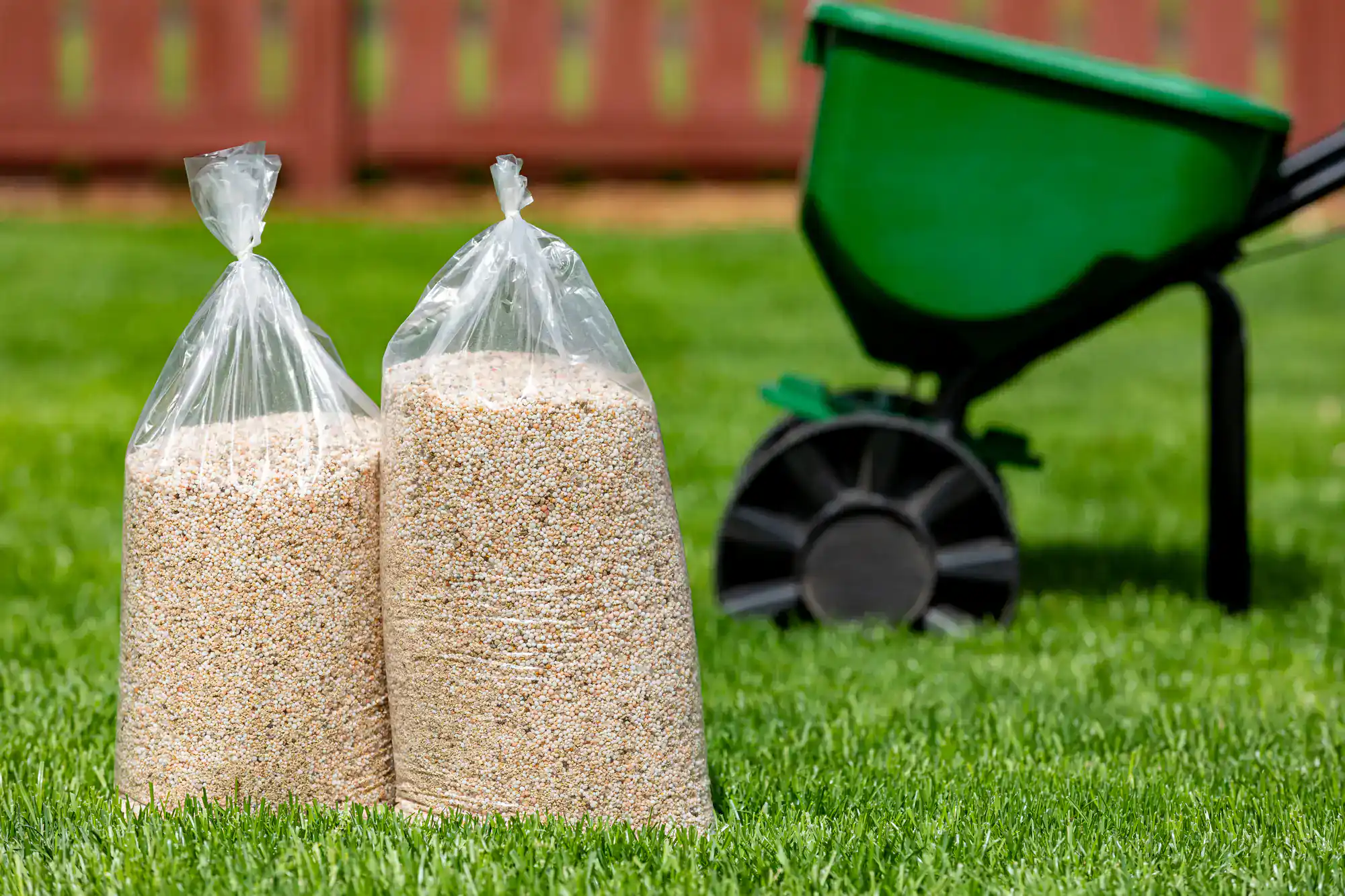
For the cool-season grasses that make up most Miller Place lawns fine fescue, tall fescue, perennial ryegrass fall is the most important fertilization window. Early September is the sweet spot on Long Island’s North Shore, timed to let nutrients absorb before the grass goes dormant. This timing is also consistent with Suffolk County’s Healthy Lawns Clean Water guidance, which specifically targets North Shore communities because of how closely lawn drainage connects to Long Island Sound and the county’s sole-source aquifer.
Spring applications typically begin around mid-April, once soil temperatures are warm enough that the grass is actively growing and can actually use what you’re putting down. Applying too early wastes product and risks nutrient runoff into local waterways. Summer is where most homeowners over-fertilize pushing nitrogen during the hottest months stresses cool-season turf and, in Miller Place’s coastal humidity, creates ideal conditions for fungal disease. A well-timed program avoids that entirely. Suffolk County also bans all fertilization between November 1 and April 1, so the program year runs roughly seven months and every application within that window needs to count.
The most common reason fertilization stops working in Miller Place is the soil itself. The sandy North Shore soil drains quickly, which means fast-release granular fertilizers the kind most companies apply can leach through the root zone before your grass has a chance to absorb them. You’re paying for applications that are literally passing through the ground. You get the invoice, but your grass doesn’t get the benefit.
Soil compaction is the other major factor, especially in the older housing stock that makes up most of Miller Place. Homes that started as post-WWII beach cottages and were converted to year-round use often have decades of compaction built up foot traffic, lawn equipment, and natural soil settling have compressed the ground to the point where water, air, and nutrients can’t reach the root zone effectively. No amount of fertilizer fixes a compacted lawn. Core aeration needs to happen first, ideally in late August or September, to open the soil back up. Once that’s done, fertilization actually gets to where it needs to go.
No and this is one of the most commonly misunderstood regulations in the county. Suffolk County law prohibits fertilizing any lawn between November 1 and April 1. The fine for a violation is $1,000. The ban exists specifically to protect the groundwater aquifer that supplies drinking water to the entire county and to prevent nutrient runoff into Long Island Sound, which Miller Place drains directly toward.
Beyond the seasonal ban, Suffolk County also restricts the use of phosphorus-containing fertilizers. Under New York State law, fertilizer with more than 0.67% phosphorus can only be applied when establishing a new lawn or when a soil test confirms it’s actually necessary. This is particularly relevant for Miller Place properties near the Sound, where runoff has a short path to sensitive coastal waters. Any company that doesn’t know these rules or ignores them is putting you at legal risk on your own property. Our licensed pesticide professionals are fully certified under NYSDEC requirements and current on every Suffolk County regulation that applies to residential lawn care.
Salt spray is a real and ongoing stressor for properties on or near the bluffs in Miller Place. When salt-laden air blows in off the Sound, it deposits sodium on grass blades and the soil surface. Salt draws moisture out of the grass through osmosis, which causes the same kind of stress you’d see from drought browning tips, weakened turf, and reduced density over time. It also disrupts the soil’s ability to absorb and retain nutrients, which makes fertilization less effective if the salt issue isn’t being managed alongside it.
The impact varies significantly by location. Properties with direct Sound exposure along the bluff-top sections of North Country Road experience this more intensely than homes set back from the water. But even a few blocks inland, the cumulative effect over a growing season is real. A fertilization program for a bluff-top property needs to account for salt stress in both product selection and timing using formulations that support osmotic balance in the plant and avoiding heavy nitrogen applications during the periods when salt stress is highest. This is the kind of local nuance that a national chain running a standardized program across Long Island simply doesn’t factor in.
A standard package applies the same product on the same schedule to every lawn in a given area. It’s efficient for the company and mediocre for the customer. A custom program starts by looking at what’s actually going on with your specific lawn the soil type, the grass variety, the sun and shade conditions, the weed pressure, the drainage, and any environmental stressors like salt exposure or heavy tree coverage and builds the program around those factors.
In Miller Place, that distinction matters more than it does in many other places. The hamlet’s lawns vary considerably: a shaded historic property along North Country Road has different needs than an open lot near the Sound Beach border, and a newer home on a larger lot in the 11764 ZIP has different soil conditions than a converted beach cottage with 50 years of compaction. We use a custom-blended fertilizer made specifically for our programs not an off-the-shelf product and adjust the application schedule, product concentration, and supplemental treatments based on what each lawn actually needs. The result is a program that produces real improvement rather than one that just maintains the status quo.
A few signs point clearly to compaction: water pooling on the surface after rain instead of soaking in, soil that feels hard underfoot, grass that stays thin despite regular fertilization, and visible thatch buildup more than half an inch thick. If your lawn checks any of those boxes, fertilizing without aerating first is going to produce limited results the nutrients can’t penetrate compacted soil efficiently enough to make a real difference.
Miller Place’s housing stock makes this especially relevant. The median home construction year here is 1978, and many properties go back further original beach cottages that were converted to year-round homes after World War II. That’s decades of foot traffic, mowing, and natural soil settling on the same ground. The best window for aeration and overseeding on Long Island is mid-August through late September, which also lines up with the early fall fertilization window. Doing both together gives your lawn the best possible setup going into dormancy and the strongest foundation for spring. If you’re not sure whether your lawn needs it, a professional assessment before the fall season starts will give you a clear answer without any guesswork.
Useful Links
Other Services we provide in Miller Place