
Hear from Our Customers
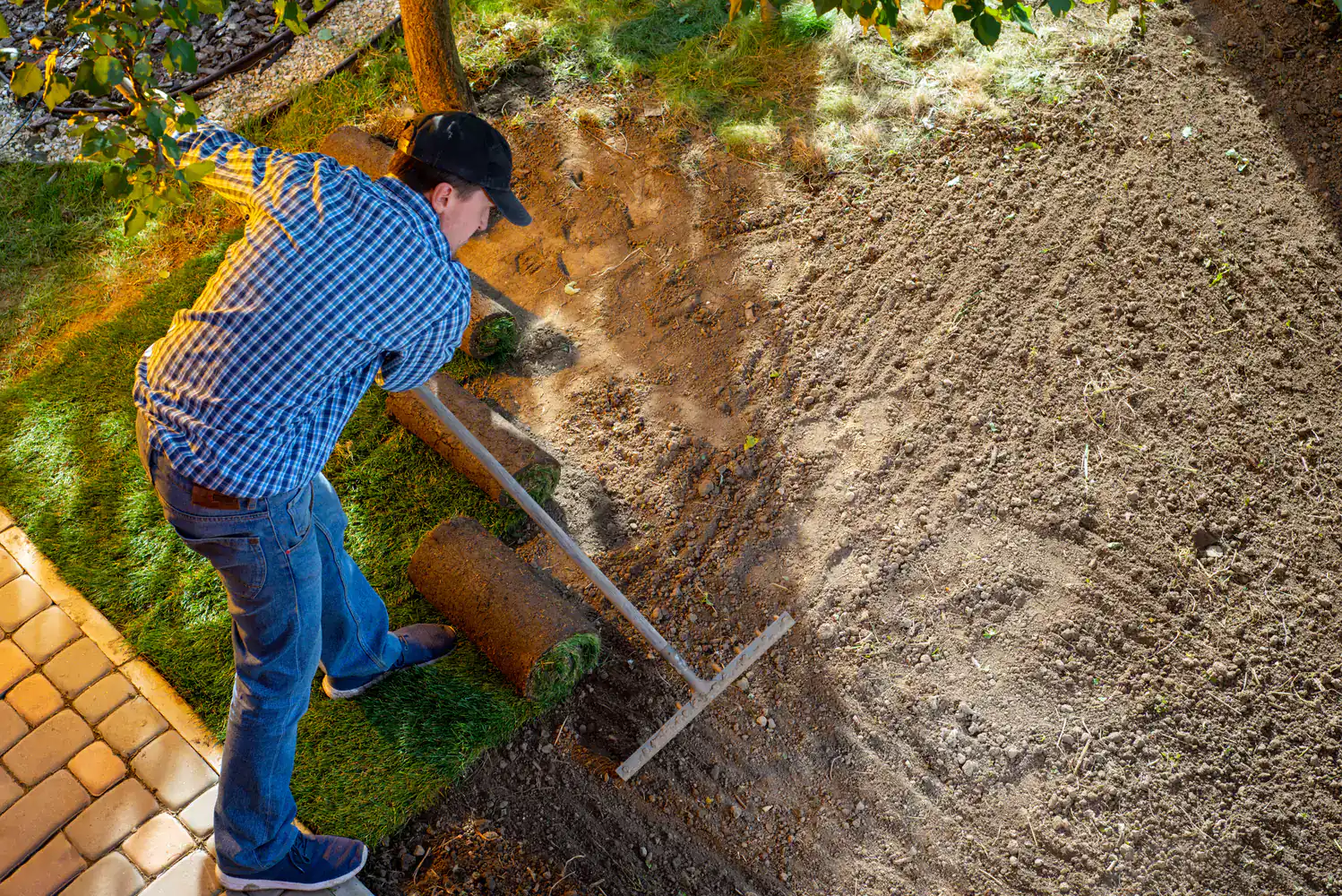
You’ve already put serious money into your home. The renovation is done, the construction crew is gone, and now you’re staring at bare, compacted ground that doesn’t match anything else on the property. That’s the moment we were built for.
When new lawn installation is done correctly real soil preparation, proper grading, the right seed for your specific conditions you end up with a lawn that holds through the first summer and actually looks like it belongs on a Miller Place property worth $600,000 or more. That’s the standard we work to.
Miller Place’s sandy soil drains fast, which is great for avoiding puddles but rough on a new lawn without proper organic matter and topsoil depth. Properties in the northern sections near the Sound also deal with salt air that will stress the wrong grass varieties into thin, patchy results by August. We account for both of those things before the first seed goes down because getting it right the first time is cheaper than doing it twice.
We’re based in Port Jefferson Station about five miles from Miller Place via Route 25A. We’re not a franchise, not a maintenance company that installs lawns on the side, and not a crew that drives in from Nassau County to work on properties we’ve never seen before. We are a lawn installation and renovation specialist, and that’s all we do.
We’ve been working on North Shore properties since the mid-1980s. We know what the soil looks like near Cordwood Landing, we know how the terrain rolls between North Country Road and the Sound, and we know which grass varieties hold up against the salt air that comes off the water in fall and winter. That’s not something you pick up reading about Long Island it comes from doing this work here for nearly four decades.
If you’re finishing a construction project, a pool install, or a full renovation in Miller Place, we’re the call you make when you want the lawn to look like the rest of the property.

The first thing we do is assess the ground not assume it’s ready. On most Miller Place properties, especially those coming out of construction, the soil has been compacted by equipment, stripped of topsoil, or contaminated with construction debris. We identify what’s there, what’s missing, and what needs to happen before anything gets planted.
From there, we address grading and drainage. Miller Place isn’t flat. The rolling terrain near the bluffs and throughout the interior of the hamlet means slopes that can cause erosion during the establishment period if they’re not handled correctly. We grade for drainage, not just appearance, because a lawn that washes out in the first heavy rain is a failed installation regardless of how good the seed was.
Once the ground is properly prepared topsoil at the right depth, organic matter incorporated where the sandy soil needs it, grading confirmed we move to seed selection and installation. For most Miller Place properties, that means a salt-tolerant tall fescue blend that handles the coastal environment, stays green longer in summer heat, and builds a strong root system in your specific soil. We time installations to the late-summer and fall window whenever possible, because that’s when cool-season grasses establish best on Long Island. Before we leave, you’ll know exactly what to do for the first 30 to 60 days watering schedule, mowing height, traffic restrictions because establishment doesn’t stop when we do.
Ready to get started?
Every new lawn installation we do in Miller Place starts with a site-specific assessment not a price sheet. The sandy, fast-draining soil that’s common throughout this part of Suffolk County requires a different approach than the heavier soils you’d find inland. We test before we build, and we recommend based on what your property actually needs.
For larger lots and Miller Place has plenty of them, given its predominantly single-family housing stock seeding is often the right call. It covers more ground efficiently, the seed germinates in place rather than being transplanted, and the mulch layer helps protect against the erosion risk that comes with Miller Place’s rolling terrain. For smaller areas or properties where timeline is tight, sod is an option we’ll discuss honestly based on your situation. We’re not going to push one method because it’s easier for us.
What’s always included, regardless of method: proper soil preparation, grading and drainage review, topsoil assessment and amendment where needed, seed or sod selection suited to North Shore coastal conditions, and post-installation establishment guidance. We also work on a project schedule not a maintenance route. You get a start date, a clear scope, and a crew that shows up when they’re supposed to. For a Miller Place homeowner wrapping up a construction or renovation timeline, that matters.
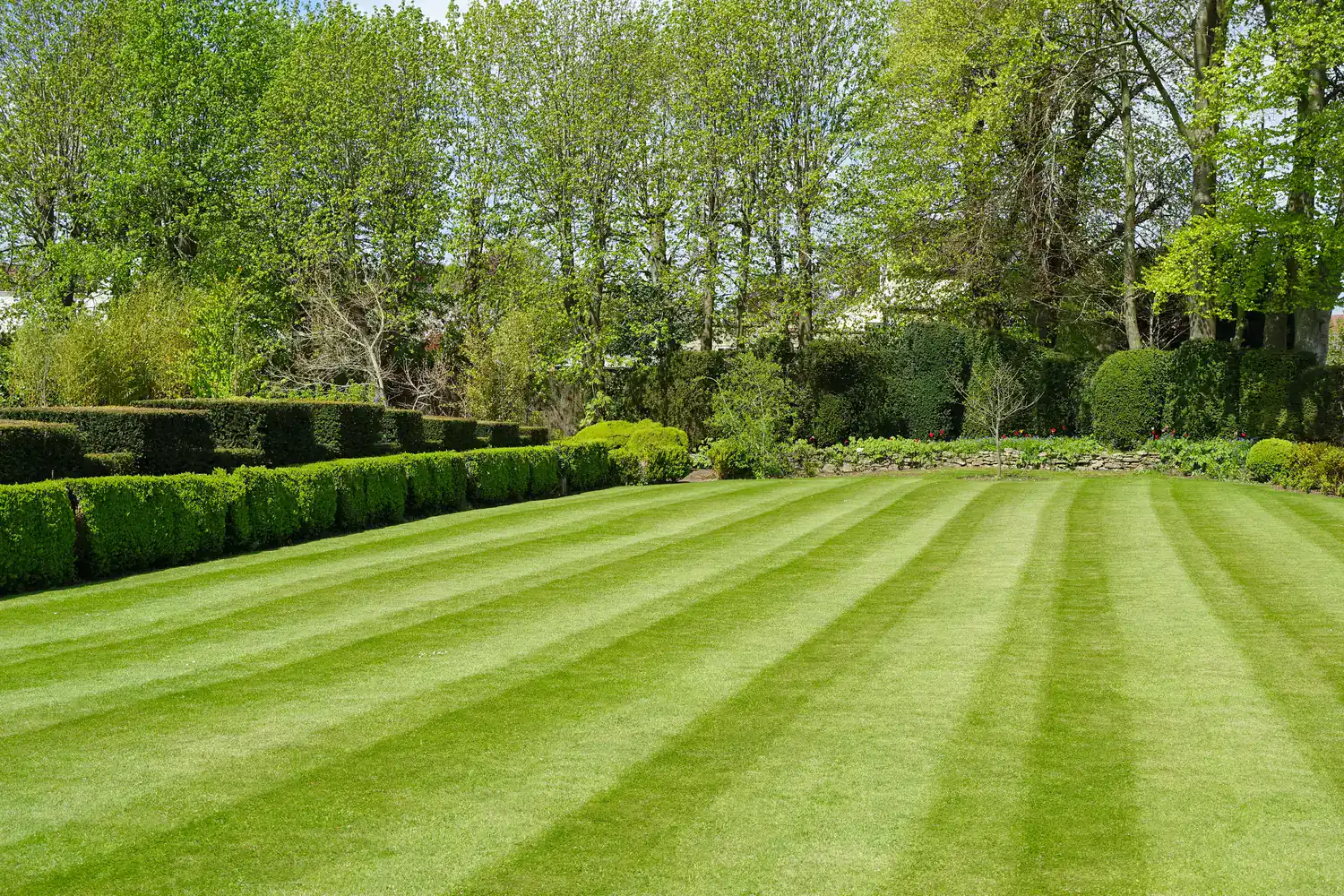
For most Miller Place properties, a salt-tolerant tall fescue blend is the strongest choice. Tall fescue handles the salt air that comes off Long Island Sound better than Kentucky bluegrass or perennial ryegrass on their own, and it stays greener longer during the dry stretches that hit the North Shore in July and August. It also builds a deeper root system than many other cool-season grasses, which matters a lot when your soil is sandy and drains quickly.
That said, the right blend depends on your specific property. A lot in the northern section of Miller Place closer to the water faces different conditions than one set back from North Country Road. Seed selection is one of the decisions we make after we’ve actually looked at your site not before. If your property has a slope, a low-drainage area, or a section that gets heavy shade from mature trees, those factors affect the recommendation too.
For cool-season grasses on Long Island, yes late August through October is the best installation window, and it’s not particularly close. Soil temperatures are still warm enough to support germination, air temperatures are dropping, and weed competition drops off sharply compared to spring. A lawn seeded in September with proper preparation will go dormant by December and come back in March with an established root system that a spring-seeded lawn won’t have.
Spring installations are possible, but they’re working against you from the start. You’re racing to get the grass established before summer heat arrives, weed pressure is at its highest, and Miller Place’s sandy soil dries out fast in a hot July without irrigation. If your project timeline allows it, fall is the right call. If you’re finishing construction in May and can’t wait, we’ll tell you exactly what it takes to make a spring installation work including whether irrigation is a realistic requirement for your property.
The minimum for a successful lawn installation is four to six inches of quality topsoil. That’s not a conservative estimate it’s the threshold below which cool-season grasses struggle to build the root depth they need to survive a Long Island summer. On Miller Place properties with sandy, fast-draining native soil, that topsoil layer is also what holds nutrients and moisture long enough for roots to access them.
A lot of Miller Place properties coming out of construction have had their topsoil stripped or buried under fill material. What’s left on the surface often looks like soil but doesn’t behave like it it compacts quickly, drains too fast, and doesn’t support healthy establishment. We assess what’s already there before recommending how much to bring in, because the answer varies by property. Bringing in more topsoil than you need adds cost without adding benefit. Bringing in less than you need means you’ll be reseeding in two years.
For standard lawn installation seeding, sodding, topsoil application no permit is required from the Town of Brookhaven. You can move forward without any approvals for a typical residential new lawn project in Miller Place.
Where it gets more nuanced is grading. If your project involves significant earth movement that changes drainage patterns on your property or affects neighboring properties, Brookhaven Town’s Building Department may require a grading permit. This comes up more often on Miller Place properties than in flatter communities because of the terrain a lot near the bluffs or on a rolling lot may need real grading work, not just cosmetic leveling. We’ll flag anything during the site assessment that looks like it could trigger a permit requirement so you’re not caught off guard. It’s also worth knowing that New York State restricts the use of high-phosphorus fertilizer at installation unless a soil test confirms a deficiency we follow that protocol as part of our standard process, which keeps you compliant and protects the water quality near Long Island Sound.
Seeding often called seeding is a method where seed, fertilizer, water, and a mulch material are mixed into a slurry and sprayed directly onto prepared soil. The mulch layer holds moisture around the seed, improves germination rates, and importantly for Miller Place properties with slopes helps prevent erosion during the establishment period before the grass fills in.
Regular dry seeding involves spreading seed by hand or machine without the mulch layer. It works well on flat, protected areas but leaves seed more exposed to wind, washout, and birds, and it dries out faster on Miller Place’s sandy soil. For larger properties or anything with grade changes, seeding typically outperforms dry seeding and often costs less than sod while producing comparable results. Sod gives you instant coverage and is a strong option when timeline is the priority, but it costs significantly more per square foot and the roots are transplanted rather than grown in place which can be a factor on properties with challenging soil conditions. We walk through all three options with you based on your specific property before recommending anything.
For a seed-based or hydroseeded installation, plan on keeping foot traffic off the lawn for the first four to six weeks longer if germination is slow due to cooler temperatures later in the fall. The grass may look established on the surface before the root system is actually ready to handle traffic, and walking on it too early compacts the soil and disrupts the roots before they’ve anchored. The first mowing typically happens around three to four weeks in, once the grass reaches three to four inches, and even then you want to keep it light.
For sod, you’re looking at two to three weeks before light use and four to six weeks before regular use. Sod roots faster than seed, but the roots still need time to knit into the soil beneath especially in Miller Place’s sandy, fast-draining ground, which doesn’t hold moisture the way heavier soils do. One thing that consistently shortens establishment time regardless of method is consistent watering in the first three to four weeks. We give every customer a specific watering schedule based on their installation method, the time of year, and whether they have irrigation because the establishment phase is where most new lawns either succeed or start to fail.
Useful Links
Other Services we provide in Miller Place