
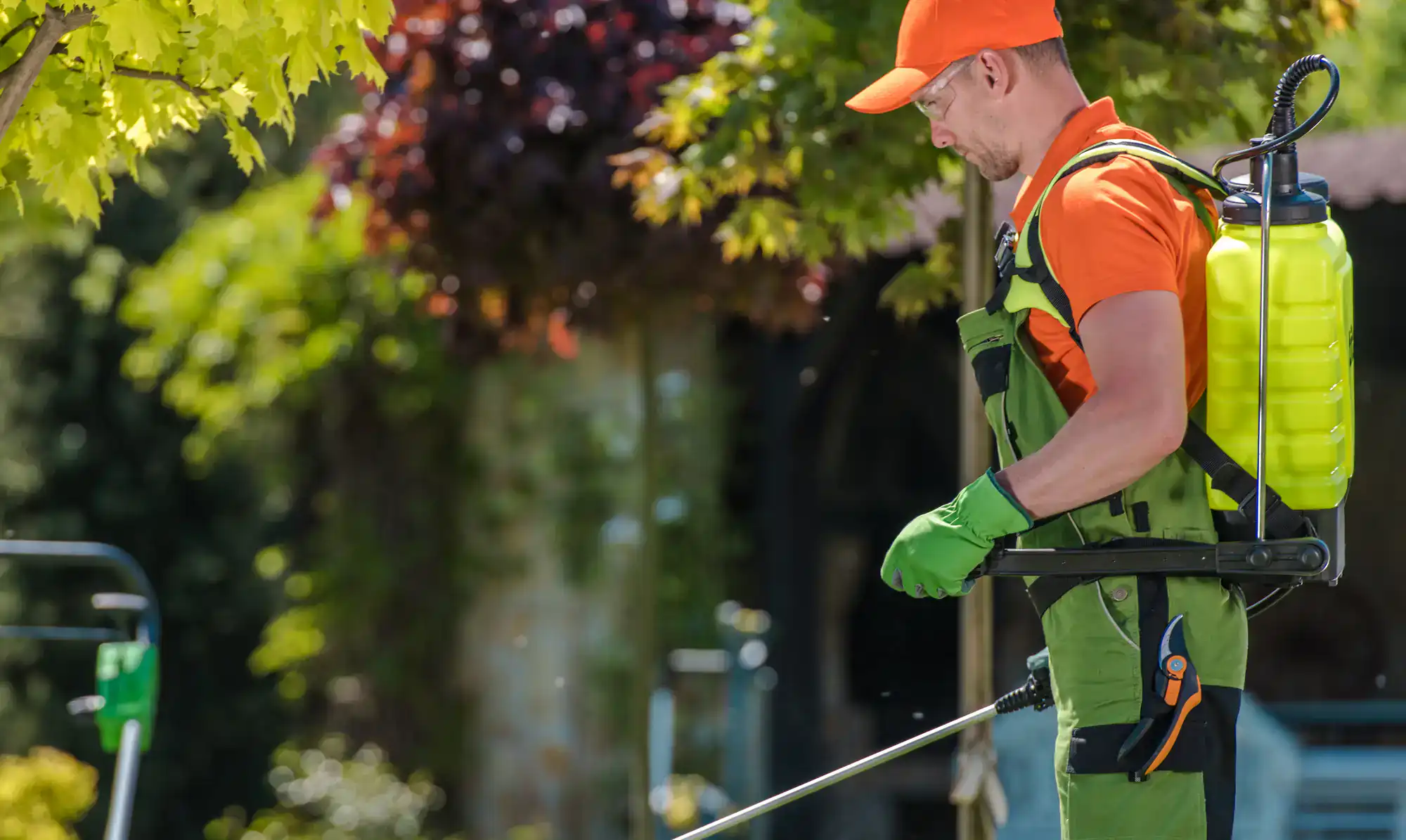
Hear from Our Customers
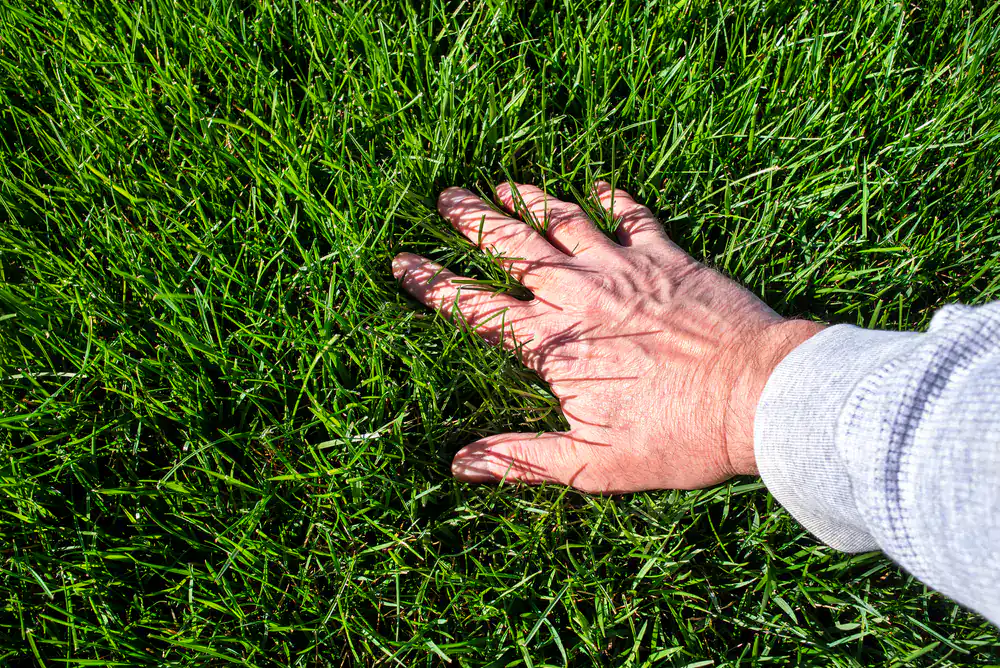
Here’s something most homeowners in Miller Place don’t know: when your soil pH drops too low, the nutrients in your fertilizer become chemically unavailable to grass roots. It doesn’t matter how much you apply or how often the grass simply can’t absorb it. That’s not a fertilizer problem. That’s a pH problem.
Miller Place sits on Long Island’s North Shore, where the soil is predominantly sandy and glacially deposited. That kind of soil drains fast, which sounds like a good thing and in some ways it is but it also means acidic compounds leach through without buffering, and pH drifts downward year after year without active management. Cornell Cooperative Extension Suffolk County recommends a target lawn pH of 6.3 to 6.5 for maximum turf growth on Long Island. Most untreated North Shore lawns test well below that range.
Once pH is corrected, the difference shows up quickly. Grass thickens, color returns, and the fertilizer you’re already paying for actually reaches the roots. There’s also a bigger picture here: Miller Place homes are a short walk from Long Island Sound through Heritage Park and Cordwood Landing. When fertilizer can’t be absorbed because the pH is off, it leaches through Long Island’s porous soil and heads straight toward the water table and coastal waterways. Getting the pH right isn’t just good for your lawn it keeps excess nitrogen out of the Sound that your neighborhood actually uses.
Lawn Master is based in Port Jefferson Station just a few miles west of Miller Place on Route 25A, the same road that runs through the heart of your hamlet. We’re not a national brand routing calls through a regional hub. When you reach out, you’re talking to a real person who knows this corridor, these soil conditions, and what North Shore Long Island lawns actually look like after a wet winter or a dry August.
The homes in Miller Place were mostly built in the 1960s through the 1980s. That means the average established lawn here has decades of soil history years of rainfall, fertilizer applications, and organic matter decomposition quietly pulling pH in the wrong direction. We work with that reality, not against it. Our approach starts with a proper soil test, not a guess, and treatment is based on what your specific lawn actually needs.
It starts with a professional soil pH test a real lab analysis, not a hardware store kit. The test tells us exactly where your pH stands, how far it’s drifted from the optimal range, and what type and amount of lime is needed to bring it back. This step matters more than most people realize. Over-applying lime pushes soil alkaline, which creates its own nutrient deficiencies. Under-applying does nothing. The test removes all of that uncertainty.
Once the results are in, we apply lime at the correct rate for your lawn’s specific square footage and soil profile. For most Miller Place properties, the right window for this is September through October. That timing isn’t arbitrary the freeze-thaw cycling of a North Shore winter, combined with increased rainfall and snowmelt, helps work the lime into the soil gradually over the colder months. By the time your grass starts actively growing in spring, the pH correction is already in place. Homeowners who wait until spring to apply lime are already a full growing season behind.
It’s also worth knowing that lime is a natural mineral amendment ground limestone not a synthetic chemical. It’s not subject to Suffolk County’s fertilizer blackout period that runs from November 1 through April 1, but the professional service window for a complete fall lawn program still closes in late October. Getting on our schedule before then is the smartest move.
Ready to get started?
Our lawn pH treatment in Miller Place includes a professional laboratory soil test, a full review of your results, and a precisely dosed lime application calibrated to your lawn’s actual size and current pH level. The type of lime matters too calcitic lime is typically recommended for Long Island lawns because it delivers a calcium benefit alongside pH correction, which sandy North Shore soils often need.
If your lawn has been in place for decades which describes most properties in Miller Place’s 11764 ZIP code there’s a good chance pH has never been professionally tested. That’s not a criticism; it’s just not something most homeowners think about until the lawn stops responding to everything else they’ve tried. Soil pH testing on Long Island is the starting point that makes every other service fertilization, overseeding, weed control actually worth what you’re paying for it.
Beyond the initial correction, pH balanced fertilization in Miller Place means staying ahead of the natural acidification cycle. Sandy soils don’t hold their pH correction indefinitely. Cornell Cooperative Extension Suffolk recommends retesting every two to three years, and our program-based service model is built around exactly that kind of ongoing attention seasonal reminders, scheduled follow-ups, and a real person to call when something looks off between visits.
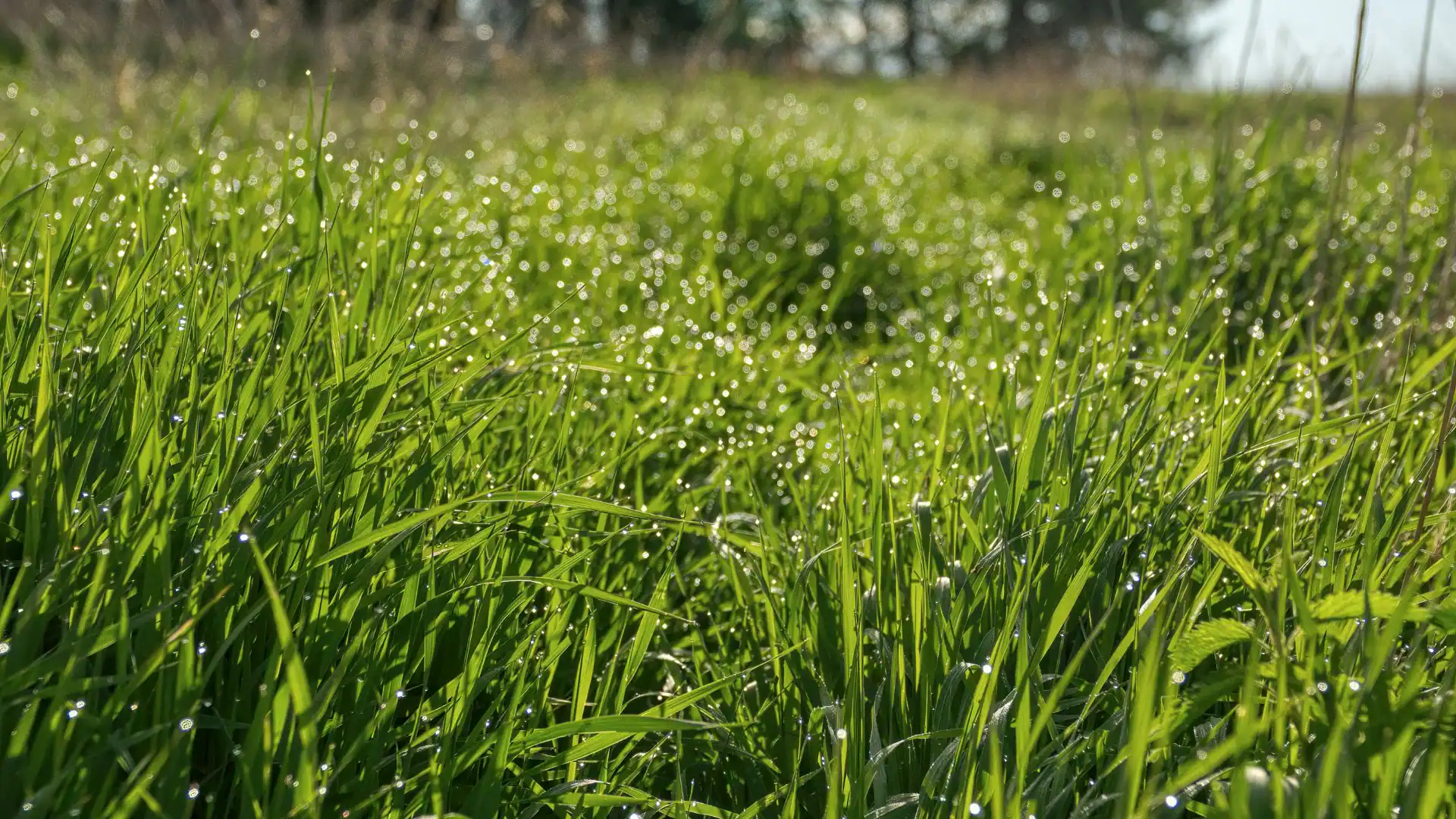
The most reliable way to know is a professional soil test but there are signs worth paying attention to before you even test. If your lawn has persistent thin patches, yellowing grass, moss growth, or an unusually heavy presence of clover and other weeds despite regular fertilizing, acidic soil is one of the most common explanations. These are exactly the conditions that low-pH soil creates: grass can’t absorb nutrients effectively, so it grows slowly and weakly, while acid-tolerant weeds and moss move into the space it leaves behind.
In Miller Place specifically, the combination of sandy North Shore soil and decades of accumulated rainfall leaching makes below-optimal pH the norm, not the exception. Cornell Cooperative Extension data puts untreated Northeast soils commonly in the 4.8 to 5.5 range well below the 6.3 to 6.5 target for Long Island turf. If your home was built in the 1970s or 1980s and the lawn has never been professionally tested, there’s a strong chance it needs correction. A soil test will confirm the exact number and tell you how much lime is required no guessing involved.
This is one of the most common frustrations we hear from homeowners across Suffolk County, and the answer is almost always the same: the soil pH is too low for the fertilizer to be absorbed. Nitrogen, phosphorus, and potassium the core nutrients in any lawn fertilizer become chemically locked out of the root zone when soil drops below the optimal pH range. The fertilizer is there, but the grass can’t access it. You’re essentially spending money on nutrients that go nowhere.
What makes this especially relevant on Long Island is where those unused nutrients end up. Miller Place’s sandy, porous soil doesn’t hold onto things it moves them. Fertilizer that can’t be absorbed leaches through the soil profile and eventually reaches the water table or runs off toward coastal waterways like Long Island Sound and Mount Sinai Harbor. Suffolk County Law 41-2007 was enacted specifically because of this nitrogen runoff problem. Correcting soil pH before fertilizing isn’t just about getting better results from your lawn care it’s about making sure what you’re applying actually stays in your lawn.
Fall is the optimal window specifically September through October for most Miller Place properties. The reason comes down to how lime actually works. It doesn’t change soil pH overnight. It needs time and moisture to break down and integrate into the soil profile, and the freeze-thaw cycling of a North Shore Long Island winter does exactly that job. By the time the ground warms up and grass starts actively growing in spring, the lime has already been working for months and the pH correction is in place.
Spring applications aren’t useless, but they put you behind. You’re applying lime at the same time the grass is trying to grow, and the correction won’t be fully in effect until well into the season sometimes later. Fall application also fits naturally within the broader professional lawn care calendar in Suffolk County. While lime itself isn’t a fertilizer and isn’t restricted by the county’s November 1 blackout period, the practical window for a complete fall program lime, aeration, overseeding closes in late October. Getting on our schedule in September gives you the best outcome heading into the following spring.
Yes lime is a natural mineral, ground limestone, not a synthetic chemical or pesticide. It doesn’t carry the same concerns as herbicide or insecticide applications. That said, it’s reasonable to keep children and pets off the lawn for a short period after application, typically until the lime has been watered in or has settled after rainfall. This is more about avoiding tracking the powder indoors or getting it on paws than any toxicity concern.
For Miller Place families with kids playing in the yard or dogs running through the grass, lime application is genuinely one of the more benign treatments in a professional lawn care program. It’s worth noting that lime is not subject to the NYSDEC pesticide application regulations that govern herbicide and insecticide treatments it’s classified as a soil amendment. That distinction matters when you’re thinking about what’s going into the ground in a yard where your family spends time. If you have specific questions about timing or precautions based on your household, that’s exactly the kind of thing to ask when you call to schedule.
The main difference is precision. Retail lime bags and hardware store pH test kits exist, and some homeowners have tried them but they can’t tell you how many pounds of lime per thousand square feet your specific lawn needs, or whether calcitic or dolomitic lime is the right choice for your soil profile, or how the result will interact with your existing fertilization program. Without that information, you’re guessing. And the consequences of guessing wrong go both directions: too little lime does nothing, and too much lime pushes soil alkaline, which creates a different set of nutrient deficiencies.
A professional soil test run through a laboratory gives you an actual pH number and a specific lime recommendation based on your lawn’s size, soil type, and current condition. For a property in Miller Place where the soil is sandy, the lawn may have decades of accumulated acidification, and the coastal environment makes fertilizer runoff a real concern that precision matters. It’s the difference between a treatment that works and one that just adds cost without results.
Cornell Cooperative Extension Suffolk County recommends retesting soil pH every two to three years for residential lawns on Long Island. That’s not an arbitrary number it reflects the natural acidification rate of sandy North Shore soils, which don’t hold pH correction the way heavier, clay-rich soils might. Rainfall, organic matter decomposition, and the ongoing leaching that comes with Long Island’s porous glacial soil all work against pH stability over time. A lawn that tests at 6.4 today may be back down to 5.8 in three years without any lime reapplication.
For most Miller Place homeowners, the practical approach is to treat pH correction as a periodic maintenance item, not a one-time fix. Our program-based service model is built around this kind of ongoing attention you’ll receive seasonal reminders when it’s time to retest, and follow-up applications are scheduled based on what the soil actually shows, not on a fixed annual calendar. If your lawn was corrected two or three seasons ago and you haven’t retested since, that’s a good reason to get a soil pH test scheduled before this fall’s treatment window closes.
Useful Links
Other Services we provide in Miller Place