
Hear from Our Customers
After a construction project, a renovation, or a full tear-out, you’re staring at bare ground and the rest of the property looks great. The lawn is the last piece, and it either pulls everything together or it doesn’t. A properly installed lawn from scratch changes the entire feel of a finished property, and in Oakdale’s market, where homes average close to $700,000 and waterfront properties go well beyond that, it absolutely needs to match what you’ve built.
The problem with Oakdale’s South Shore soils is that they don’t hold onto moisture or nutrients the way heavier soils do. Plymouth loamy sand the dominant soil type across this part of Suffolk County drains fast. Seed that germinates in June can be dead by August if the ground wasn’t properly amended before installation. That’s not a watering problem. That’s a soil preparation problem, and it’s one of the most common reasons new lawns on the South Shore fail in the first season.
If your Oakdale property sits near the Connetquot River, Ludlow Creek, or the Great South Bay, there’s another layer to consider: drainage, water table depth, and in some cases, salt air exposure from the bay. These aren’t deal-breakers but they do require someone who’s worked in this specific environment, not someone who’s applying the same approach they’d use in Centereach or Hauppauge.
We’re not a landscaping company. There are no mowing routes, no fertilization programs, no maintenance contracts. This is a lawn installation and renovation specialty and it has been since the beginning. When you call about a new lawn installation in Oakdale, NY, you’re talking to a team that has been doing exactly this kind of work on Long Island since the mid-1980s.
That longevity matters in a real way here. The South Shore’s sandy soil, the waterfront drainage conditions near the Connetquot River State Park Preserve, the ecological sensitivity of the bay watershed these are things we’ve learned from decades of actual work in Oakdale and the surrounding communities, not from a training manual. Most of the operators showing up in local search results are maintenance-first companies that do seeding as an add-on. That’s a different skill set entirely.
When your Oakdale property is finished and the ground is bare, you want a specialist who treats the installation as a project with a defined process, a real start date, and a result that lasts.
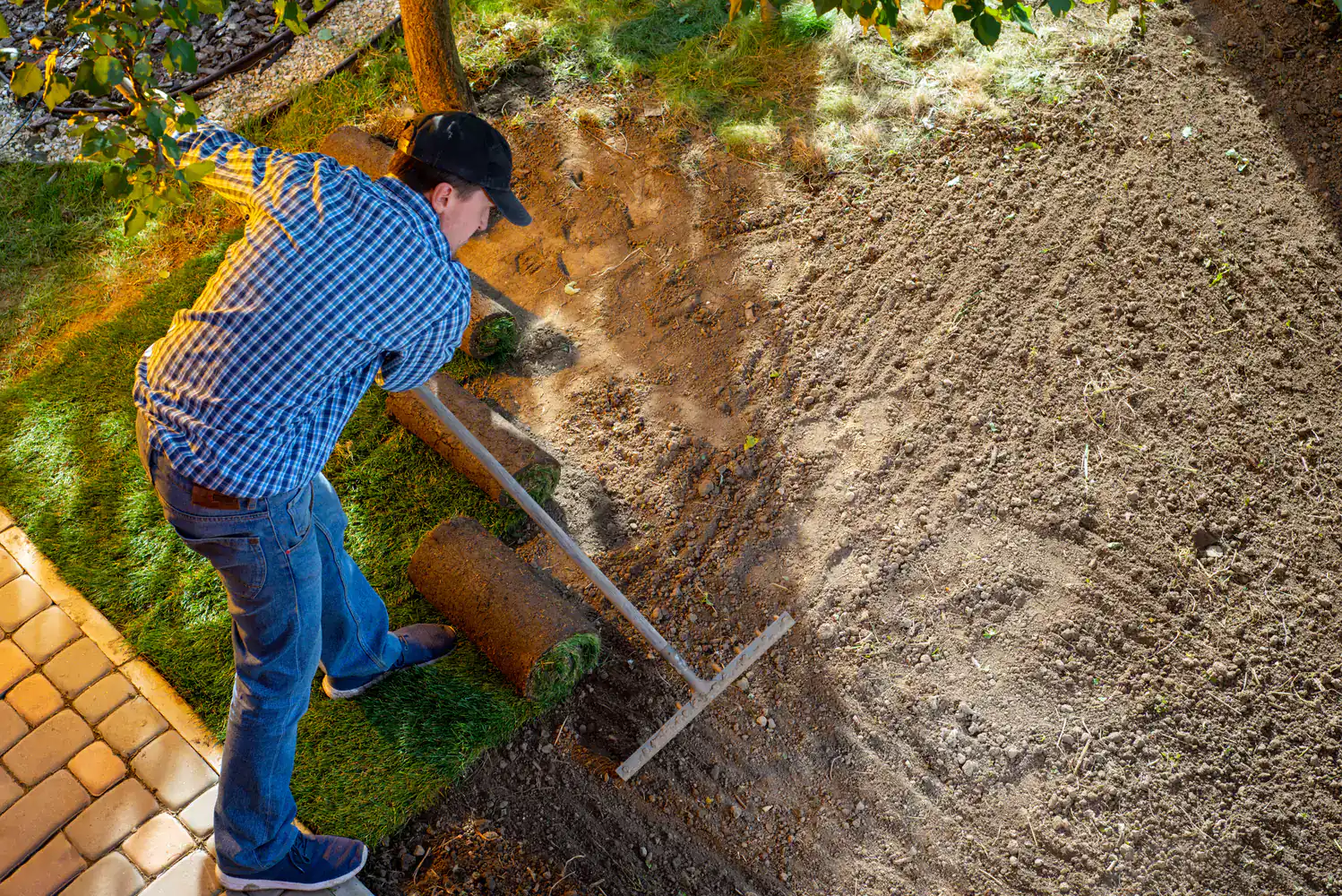
The first thing that happens is a site assessment not a sales pitch. Before anything gets seeded, the ground needs to be evaluated: soil composition, grade, drainage patterns, topsoil depth, and any debris or compaction left behind by construction. In Oakdale, that assessment almost always includes a conversation about the sandy South Shore soil and what amendments are needed to give the new lawn a real foundation. Skipping this step is the single most common reason new lawns fail here.
Once the soil is properly prepared amended, graded, and topsoil depth confirmed seed selection comes next. Cool-season grasses are the right call for this climate: tall fescue, Kentucky bluegrass, and perennial ryegrass blends are standard, but the specific mix depends on sun exposure, drainage, and how the property sits relative to the water. For larger Oakdale properties, seeding is often the most effective method, delivering seed and mulch together in a way that dramatically improves germination rates on sandy ground. Hand seeding is the right call for smaller or more precise areas.
The optimal installation window on the South Shore is late August through October. Oakdale’s sandy soils actually warm earlier in the season than the heavier glacial soils of the North Shore which means the fall window can open slightly earlier here than in towns like Port Jefferson or Stony Brook. If your project wraps up in summer, the honest recommendation is to stabilize the bare ground and plan for fall and we’ll tell you that upfront rather than rush an install that won’t hold.
Ready to get started?
What you get with us isn’t just seed on ground. It’s a complete new lawn installation process that begins with what’s underneath because in Oakdale, the surface is almost never the problem. Soil testing, grade assessment, topsoil evaluation, and drainage review are part of every installation. For waterfront and near-waterfront properties along Shore Drive or the Connetquot Drive corridor, that drainage review carries extra weight, and it’s handled accordingly.
Seed selection is matched to your property’s specific conditions not pulled from a default mix. South Shore properties near the bay have different sun exposure, salt air considerations, and soil moisture dynamics than inland properties closer to Sunrise Highway. The installation method whether seeding, hand seeding, or a combination is chosen based on your property’s size, terrain, and timeline, not based on what’s easiest to execute.
Suffolk County’s high-phosphorus fertilizer law permits phosphorus use on new lawn installations, and our process includes responsible soil amendment and starter fertilization within those legal guidelines. For properties adjacent to the Connetquot River or near the Great South Bay, that means careful application practices that protect the watershed which matters in this community. After installation, you’ll get clear establishment guidance: a specific watering schedule built for Oakdale’s fast-draining soils, first-year care expectations, and a realistic picture of what the lawn will look like at 30, 60, and 90 days.
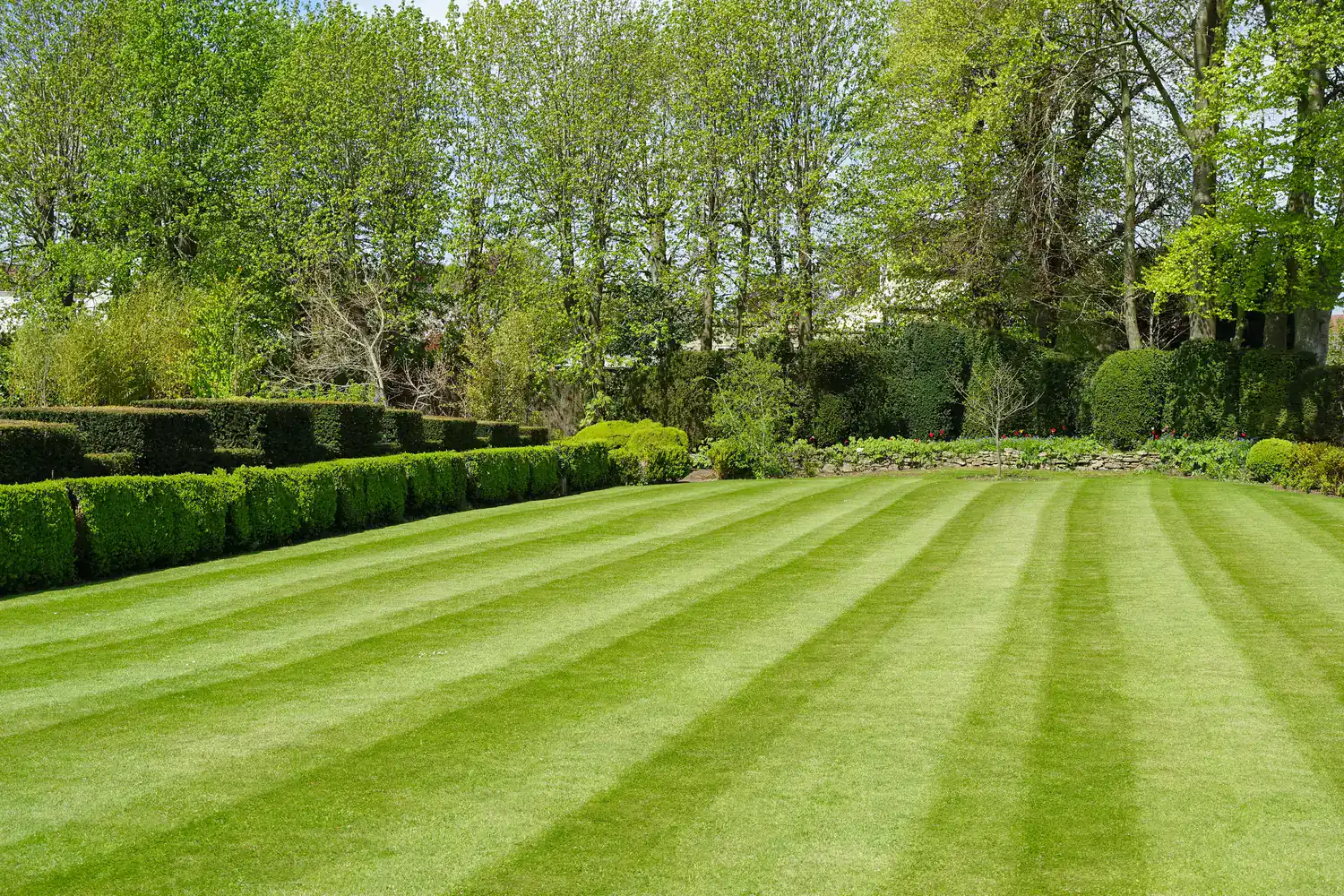
Oakdale sits on the South Shore, which means the dominant soil type is Plymouth loamy sand a fast-draining, nutrient-poor soil that behaves very differently from the heavier glacial moraine soils you’d find in North Shore communities like Port Jefferson or Stony Brook. Water and fertilizer move through it quickly, which means a new lawn installed in Oakdale without proper soil amendment is at real risk of failing before the first summer is over. Germination might look fine in May or June, and by August the lawn is thin, dry, and patchy not because the seed was bad, but because the ground underneath wasn’t ready for it.
On top of that, Oakdale’s waterfront character adds another layer. Properties near the Connetquot River, Ludlow Creek, or the Great South Bay often deal with high water tables in low-lying areas, salt air exposure near the water, and drainage patterns that a standard lawn company isn’t set up to assess. A new lawn installation here requires someone who understands those conditions specifically not someone applying a generic Long Island approach.
Cost depends on a few key variables: the size of the area being installed, the condition of the soil, how much grading and topsoil work is needed, and the installation method used. For a typical residential property in Oakdale, seed-based installation including soil preparation, grading, and proper establishment generally runs less than sod while delivering a stronger root system over time. Seeding for larger properties falls in the mid-range and is often the most cost-effective method per square foot for South Shore lots with open areas.
What drives cost up in Oakdale specifically is soil preparation. Because the sandy South Shore soils require targeted amendment organic matter, pH adjustment, topsoil depth correction properties that skip this step often end up paying twice: once for the installation and once for the redo. The better way to think about it is total investment over two to three years. A professional installation done correctly the first time, on properly prepared ground, costs less in the long run than a cheap install that fails and needs to be redone the following season.
For most Oakdale properties, seed whether hand-seeded or hydraulically applied is the better long-term choice. Sod gives you an instant result, which is appealing, but it comes with a real risk on South Shore sandy soils: if the ground underneath isn’t properly prepared before the sod goes down, the roots don’t establish deeply, and the lawn struggles through its first summer drought. Sod also costs significantly more per square foot, which adds up quickly on larger properties.
Seed-based installation, done on properly amended soil, develops a root system that grows in place from the beginning. Those roots go deeper, which matters a lot when Oakdale’s sandy ground dries out fast in July and August. Seeding is particularly effective for larger open areas it combines seed, mulch, and a tackifier in a single application that holds moisture against the soil surface and dramatically improves germination rates compared to dry broadcast seeding on bare sandy ground. The right recommendation depends on your timeline and your property but for most South Shore new installations, seed wins on value and long-term performance.
Late August through mid-October is the optimal window for new cool-season lawn installation in Oakdale. Soil temperatures are still warm enough to support germination, air temperatures are dropping which reduces stress on new seedlings, weed competition falls off significantly, and fall rainfall supports establishment without the need for constant irrigation. For a new lawn on Oakdale’s fast-draining sandy soil, the fall window is especially important the cooler temperatures reduce the moisture demand on young grass before it’s had time to build a deep root system.
Spring installations are possible but carry more risk here. Weed pressure is high in spring on South Shore sandy soils, and summer heat can arrive before a new lawn is fully established which puts the grass under stress at exactly the wrong time. If your construction or renovation project wraps up in summer and you’re eager to get the lawn in, the honest answer is to stabilize the bare ground with erosion control and wait for the fall window. It’s the recommendation that leads to a lawn that actually survives its first year.
Construction activity does significant damage to soil that most homeowners don’t see until after the lawn fails. Heavy equipment compacts the subsoil, which restricts root growth and drainage. Topsoil the biologically active layer that grass roots need gets stripped away or buried under fill. Debris, concrete fragments, and construction waste often end up mixed into the ground in ways that create dead zones where grass simply won’t establish. In Oakdale, where the natural topsoil layer over sandy subsoil is already relatively thin, losing that layer to construction activity is a serious problem.
This is why a site assessment before any seeding happens is non-negotiable on a post-construction new lawn installation. The ground needs to be evaluated for compaction, topsoil depth, debris contamination, and grade before a single seed goes down. In some cases, the right first step is decompaction and topsoil addition. In others, regrading is necessary to ensure proper drainage away from the structure. Skipping the assessment and going straight to seed on post-construction ground is one of the most reliable ways to guarantee a failed lawn and a second installation bill.
Yes, and they’re worth knowing before you start. Suffolk County has a high-phosphorus fertilizer restriction that limits phosphorus application on established lawns but new lawn installations are a permitted exception, which means starter fertilization with phosphorus is legally allowed during the installation process. We apply this correctly and within the legal guidelines; a generalist who doesn’t know the county rules may apply it incorrectly or skip it entirely, which affects establishment on Oakdale’s nutrient-poor sandy soils.
For properties near the Connetquot River or the Great South Bay, New York State DEC wetlands regulations and Town of Islip shoreline setback requirements may apply to grading and drainage work. These aren’t obstacles they’re just part of working responsibly in a community where the watershed matters. The Connetquot River State Park Preserve borders Oakdale directly to the north, and the bay sits to the south; this is an ecologically sensitive area, and the right installer knows how to work within that context. We’ve been navigating Long Island’s regulatory environment for 38 years, so none of this is new territory.
Useful Links