
Hear from Our Customers
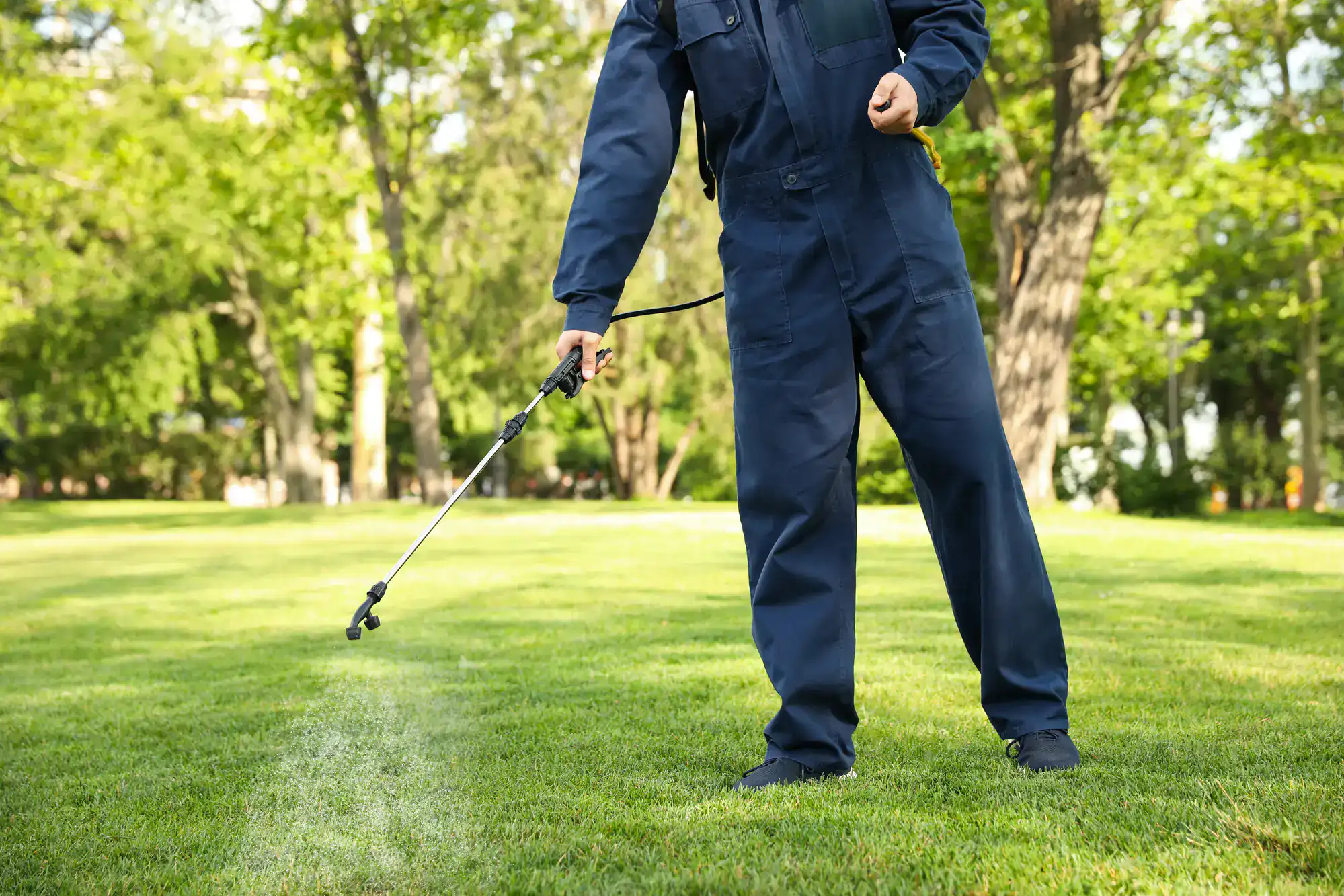
Most lawns in Farmingville aren’t struggling because the homeowner isn’t trying. They’re struggling because the soil underneath them drains fast, the terrain around Bald Hill creates uneven sun exposure and runoff, and whatever program was applied last season wasn’t built for any of that. When treatment is dialed in for your specific conditions, the difference shows up quickly thicker turf, fewer bare patches, weeds that stop coming back.
The homes along Nicolls Road and throughout the Brookhaven corridor sit on sandy, glacially deposited soil that leaches nutrients faster than most fertilizer programs account for. A custom-blended fertilizer calibrated to Long Island’s soil chemistry releases nutrients at the rate your grass can actually absorb them not at the rate a national chain’s standard formula was designed for somewhere else. That’s what separates a lawn that looks good for two weeks from one that holds up through summer stress and into fall.
Fall is also where most Farmingville homeowners lose ground without realizing it. September through early November is the most important window of the year for cool-season grasses it’s when roots are storing energy for winter, and when aeration, overseeding, and fertilization do the most lasting work. Miss that window, and you’re starting next spring already behind.
We’ve been treating residential lawns in Farmingville and throughout Suffolk County since 1987. That’s not a marketing number it means we’ve worked through every drought, every grub outbreak, every regulatory change, and every difficult season this area has produced. Every technician is a NYS DEC-licensed pesticide applicator, which is a legal requirement in New York that a surprising number of operators quietly ignore.
We run five fully wrapped, professionally branded trucks the kind you recognize when they’re in your neighbor’s driveway in Farmingville. There’s no national call center routing your questions to someone who’s never been to our area. The expertise behind every visit is the kind that only comes from decades of treating lawns in Farmingville specifically, on this specific soil, through these specific seasons.
If you’ve had a bad experience with a larger lawn care company a missed visit, a burned lawn, a customer service line that couldn’t tell you what was actually applied we’re built around the opposite of that model.
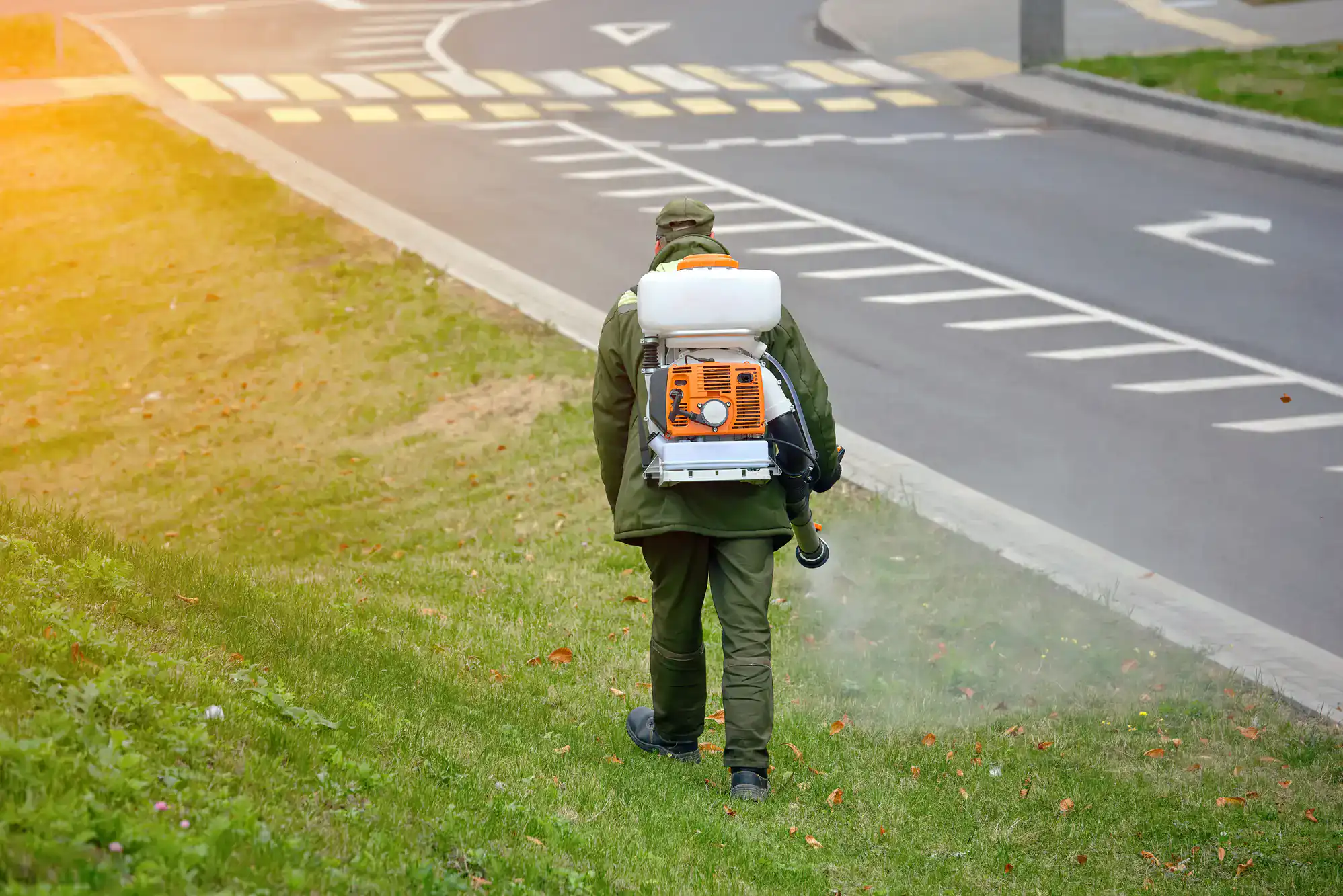
It starts with your lawn specifically not a zip code template. Before anything is applied, we build the program around what’s actually in front of you: the grass type, the sun and shade pattern, the weed pressure, the slope and drainage, and whatever treatment history the lawn has. A property on the elevated side of Farmingville near Bald Hill drains and dries differently than a flat backyard a half mile away, and the program should reflect that.
From there, treatment follows a seasonal schedule timed to how cool-season grasses actually grow on Long Island. Pre-emergent crabgrass control goes down before soil temperatures hit 55°F in spring timing that matters here and can’t be pulled from a national calendar. Summer applications focus on protection rather than heavy feeding. Fall is when the real work happens: core aeration with hydraulic equipment, overseeding where needed, and fertilization timed to maximize root storage before dormancy.
Suffolk County Law 41-2007 prohibits fertilizer applications after November 1, and every program we run is built around that cutoff. No applications during the blackout period, no shortcuts on product rates, and no guessing on what your lawn actually needs. You get a clear schedule, licensed professionals on every visit, and the ability to pay online through the customer portal when it’s convenient for you.
Ready to get started?
Our programs cover the full range of what a Farmingville lawn actually needs across a season fertilization with a custom-blended product made specifically for Long Island soil chemistry, pre-emergent and post-emergent weed control, targeted treatment for persistent problems like nutsedge and bentgrass, and grub control timed to address Japanese beetle pressure before the damage shows up as brown patches in late summer.
Core aeration is done with professional hydraulic equipment, not the consumer-grade tow-behind units available at hardware stores. Hydraulic aerators pull deeper, more consistent cores which matters more on the compacted, sloped terrain common in Farmingville than it would on a flat, sandy lot closer to the South Shore. If your lawn needs more than maintenance bare areas, grub damage, years of neglect we also offer full restoration and new lawn installation from seed, using hydraulic seeders that apply at professional rates and depths.
Every program we run is built around the NYS phosphorus ban, the Suffolk County fertilizer blackout, and the groundwater sensitivity of the Upper Glacial Aquifer that Farmingville sits directly above. The aquifer is the only source of drinking water for Long Island what gets applied to your lawn matters beyond your property line, and our licensed professionals apply products at rates that account for that.
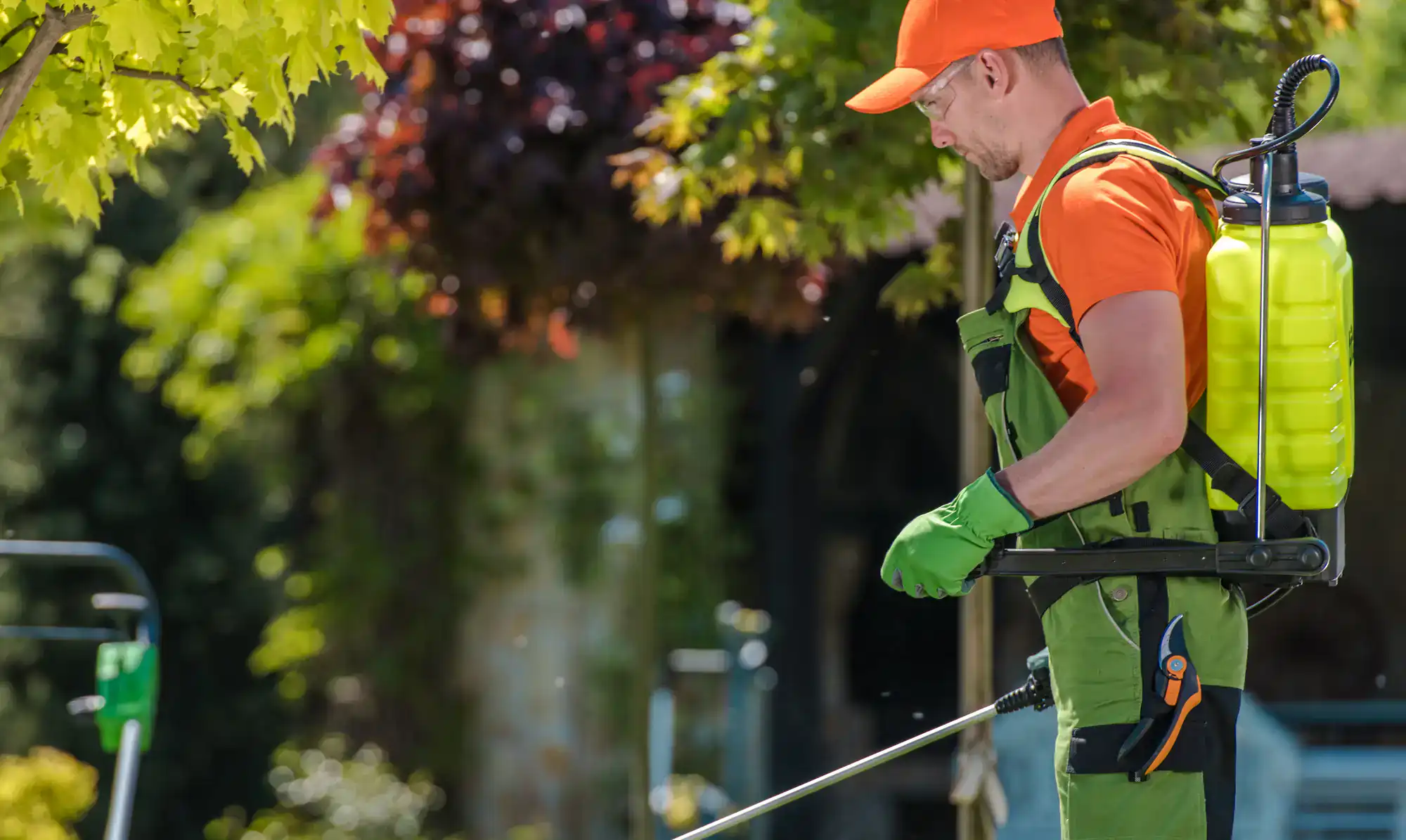
The two most productive windows for fertilizing cool-season lawns in Farmingville are spring and fall. Spring applications typically begin in mid-April when soil temperatures reach around 55°F that’s also the threshold for pre-emergent crabgrass control, so timing matters. Apply too early and you’re wasting product. Apply too late and crabgrass has already germinated.
Fall is actually the more important of the two windows. From September through early November, cool-season grasses like tall fescue and Kentucky bluegrass which are the dominant types in Farmingville are actively storing energy in their root systems for winter. A well-timed fall fertilization program strengthens those roots, improves spring green-up, and sets the lawn up for a better growing season overall.
One hard boundary to know: Suffolk County Law 41-2007 prohibits fertilizer applications between November 1 and April 1. Applying fertilizer after November 1 doesn’t feed dormant grass it leaches directly into the groundwater beneath your property. Any company still applying fertilizer in November in Farmingville is either uninformed or cutting corners, and it carries fines of up to $1,000.
The most common sign is brown patches that appear in late summer usually July through September that look like drought stress but don’t recover when you water them. If you can pull back the turf in those areas and it lifts like loose carpet, grubs have been feeding on the roots underneath. Japanese beetle grubs are widespread throughout central Suffolk County, including Farmingville, and they’re one of the most common causes of unexplained lawn decline in this area.
The tricky part is that by the time you see the damage, the grub population has already done its work. That’s why preventive grub control applied in early summer before the eggs hatch is more effective than reactive treatment after the fact. A curative application can still help, but it’s working against an active infestation rather than stopping one before it starts.
If you’re seeing spongy turf, increased bird activity pecking at the lawn, or brown patches that don’t respond to irrigation, it’s worth having the lawn evaluated. Grub damage that goes untreated tends to compound the weakened turf becomes more susceptible to weed pressure and drought stress the following season.
Core aeration is the process of pulling small plugs of soil out of the lawn to relieve compaction, improve drainage, and create channels for water, air, and nutrients to reach the root zone. It’s one of the most effective things you can do for a cool-season lawn on Long Island, and most established Farmingville lawns benefit from it at least once a year.
Here’s why it matters more in Farmingville than in some other areas: the hilly terrain around Bald Hill creates slope-related compaction that flat-terrain properties don’t face the same way. Water runs off sloped ground faster, which means the soil at the surface tends to pack down over time, and roots struggle to get the air and moisture they need. Core aeration opens that up. Combined with overseeding in fall, it’s the most reliable way to thicken a thin lawn or recover from grub damage or summer stress.
The equipment used makes a real difference. Hydraulic core aerators pull deeper, more consistent cores than the tow-behind units available at hardware stores or rented by the day. If you’ve had aeration done before and didn’t see much improvement, the equipment may have been part of the problem.
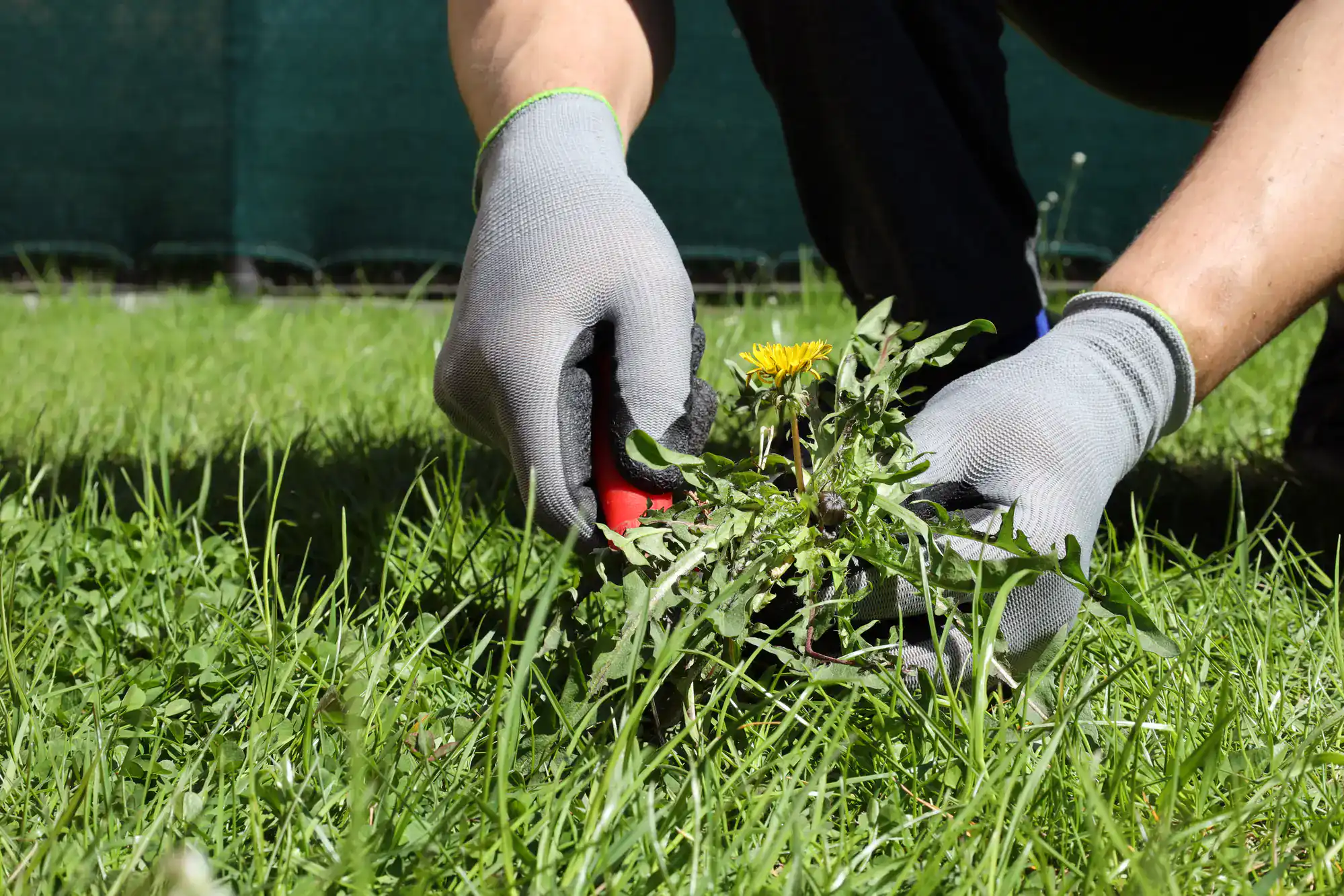
Usually it comes down to one of three things: the program isn’t timed correctly, the product isn’t matched to the specific weed, or the lawn is thin enough that weeds are filling in gaps that grass should be occupying. In Farmingville, two of the most persistent offenders are nutsedge and bentgrass and both require targeted treatment that a standard fertilization program won’t address.
Nutsedge, which a lot of people call nutgrass, thrives in moist or poorly drained areas and is notoriously resistant to generic herbicide applications. It spreads through underground tubers, so surface treatment alone rarely eliminates it. Bentgrass creates patches of fine, matted turf that look different from the surrounding lawn and can’t be controlled without a specific approach. If you’ve been on a program and these are still showing up, the program likely isn’t addressing them directly.
The other factor is turf density. A thick, healthy lawn is your best long-term defense against weeds they move into bare and thin areas first. Aeration and overseeding in fall, combined with a properly timed fertilization program, builds the kind of turf density that crowds out most common weeds before they get established.
That’s a question a lot of homeowners in Farmingville and throughout central Suffolk County end up asking usually after a season or two of inconsistent results, missed visits, or technicians who couldn’t explain what they applied. The national chain model is built around volume, which means your lawn is one of dozens on a route, and the program it receives is largely the same program applied to every other lawn in the zip code.
The practical difference with us comes down to customization and accountability. A program built around your specific lawn its grass type, its drainage pattern, its weed history, its sun exposure produces better results than a template. And when something isn’t right, you’re dealing with a company whose trucks are on your street in Farmingville, not a regional call center.
The other factor worth considering is licensing. New York State requires NYS DEC-licensed pesticide applicators for residential lawn treatment a credential that demands real training and a state exam. Knowing that the person treating your lawn holds that license, and that the program they’re running is built for Long Island’s soil and Suffolk County’s regulations, is a meaningful difference from what a national chain typically delivers at the field level.
The cost of a professional lawn care program in Farmingville typically depends on the size of your property, the condition of the lawn going in, and what the program includes. A standard annual treatment program for an average-sized residential lot in central Suffolk County generally runs in the range of a few hundred dollars per season for basic fertilization and weed control, with full-service programs that include aeration, overseeding, and grub control running higher.
What’s worth thinking about in Farmingville specifically is the context of the investment. Median home values in the area have climbed to around $600,000 and a lawn that looks neglected or damaged is one of the most visible things a buyer or neighbor notices. A well-maintained lawn contributes directly to curb appeal and the perceived condition of the property. For most homeowners, the cost of a professional program is modest relative to the asset it’s protecting.
The more useful question isn’t just what it costs it’s what you’re getting for it. A licensed professional applying a custom-blended fertilizer calibrated for Long Island soil, on a schedule timed to Suffolk County’s actual growing season and regulatory requirements, is a different product than a commodity program priced to be cheap. If you want a specific number for your property, the best starting point is a direct conversation about what your lawn actually needs.
Useful Links
Other Services we provide in Farmingville