Hear from Our Customers
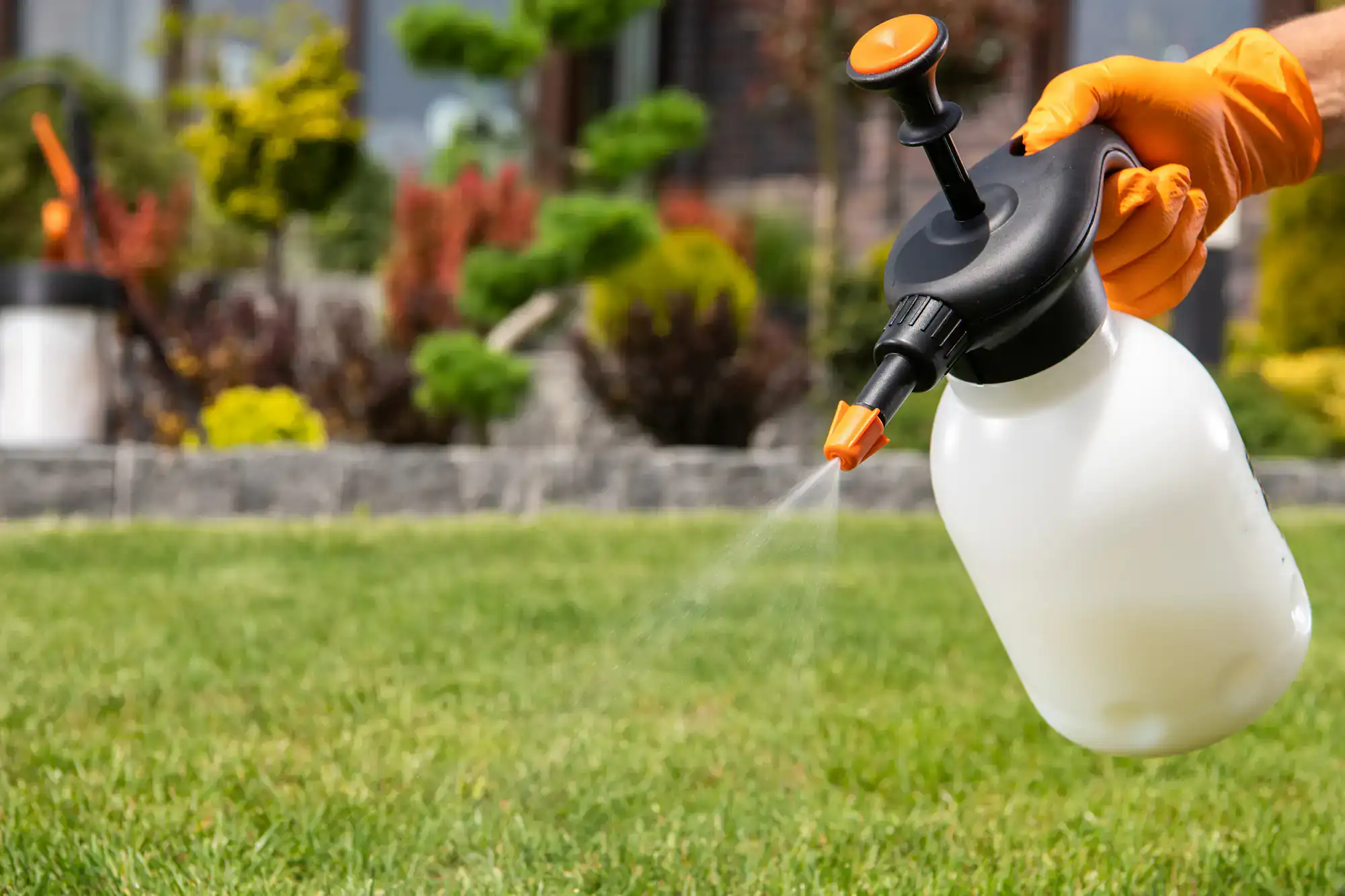
Most Holbrook homeowners who call us have already tried something else. A national chain. A guy with a truck. Maybe a season or two of doing it themselves. And the lawn looks okay at best thin in spots, weedy in others, never quite what they pictured when they bought the house.
The problem usually isn’t the lawn. It’s that the program wasn’t designed around what your lawn actually needs. Holbrook sits on Haven Loam a well-draining soil that responds well to fertilizer but leaches nutrients faster than most homeowners realize. A generic fertilizer schedule applied at the wrong time doesn’t just underperform. A good portion of it drains right past the root zone before the grass can use it.
When the program is right custom-blended fertilizer timed to your soil, core aeration that actually reaches the compaction layer, overseeding done in the fall window when germination rates are highest the difference shows up within a season. Thicker turf. Fewer weeds crowding in. Grass that holds its color through summer instead of burning out by July. That’s what a lawn on a real program looks like. And in a neighborhood where most homes were built in the 1970s and the lawns have decades of history behind them, getting there usually takes a professional who understands what’s actually going on beneath the surface.
We’ve been treating residential lawns in Holbrook and throughout Suffolk County since 1987. That’s not a tagline it means we’ve been working in this county longer than most of our customers have owned their homes. We know the soil here. We know the seasonal patterns that Holbrook lawns face. We know what grub damage looks like in August and what a lawn in this neighborhood needs going into fall.
Every technician we send is a New York State DEC-licensed pesticide applicator. Not a laborer, not a subcontractor a licensed professional who knows what they’re applying, why they’re applying it, and what the regulations require. That matters more than most people realize until something goes wrong on someone else’s property.
We run five fully wrapped trucks throughout Suffolk County, and if you’ve driven Sunrise Highway or Veterans Memorial Highway over the years, you’ve probably seen them. That visibility isn’t accidental. It means we stand behind every visit with our name on it no anonymous vans, no guessing who showed up.
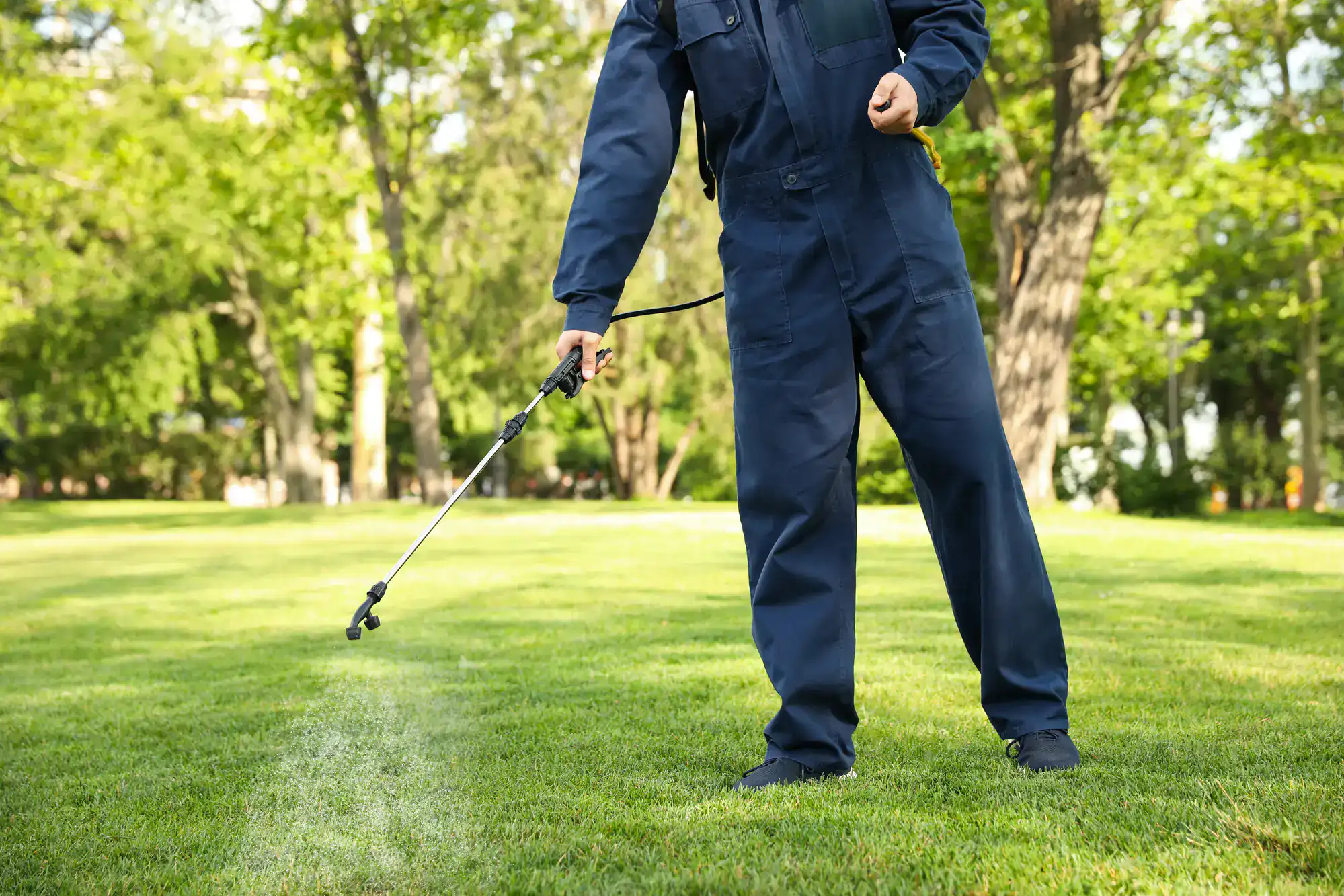
It starts with an assessment of your actual lawn not a clipboard checklist, but a real look at what’s growing, what’s struggling, what the soil is doing, and what’s been tried before. Holbrook lawns vary more than people expect. A full-sun front lawn on an open lot needs a different approach than a shaded backyard under a 40-year-old oak, and a lawn with a history of grub damage needs targeted prevention built into the program from the start.
From there, we build a treatment schedule around your lawn’s specific needs and Suffolk County’s regulatory calendar. The county’s fertilizer blackout runs from November 1st through April 1st no applications during that window, and for good reason. Grass doesn’t absorb nutrients when it’s dormant, and anything applied during that period ends up in the groundwater that Holbrook residents drink. Our programs are timed to work with the growing season, not around a billing cycle.
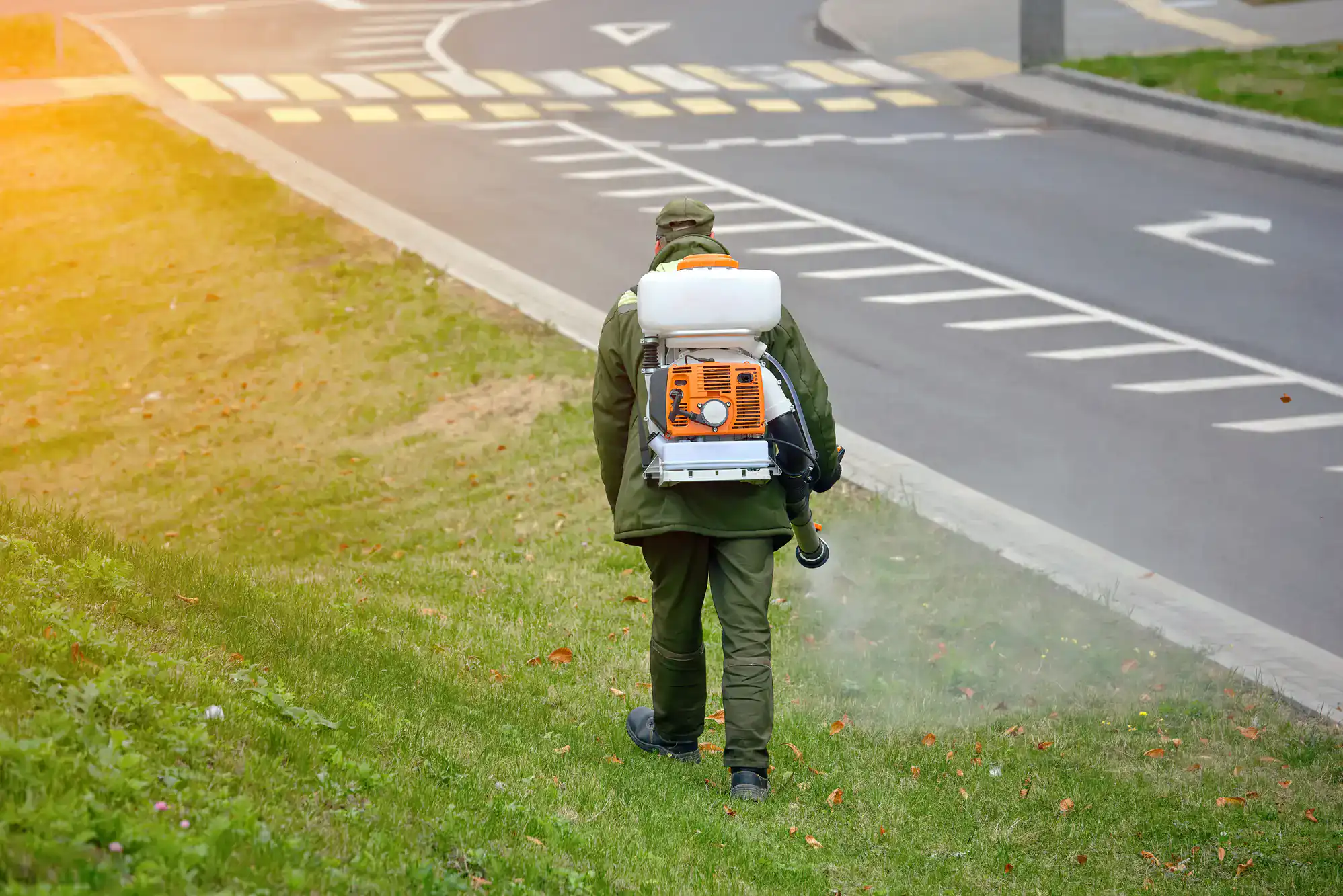
Applications go out at the right intervals typically five to six rounds through the season using our custom-blended fertilizer formulated specifically for Long Island’s soil conditions. If your lawn needs aeration, we use hydraulic core aerators that pull deeper cores than the consumer-grade equipment most operators use. If it needs overseeding, we time it to the fall window when soil temperatures in central Suffolk are ideal for germination. Every step has a reason behind it, and we’re happy to explain any of it.
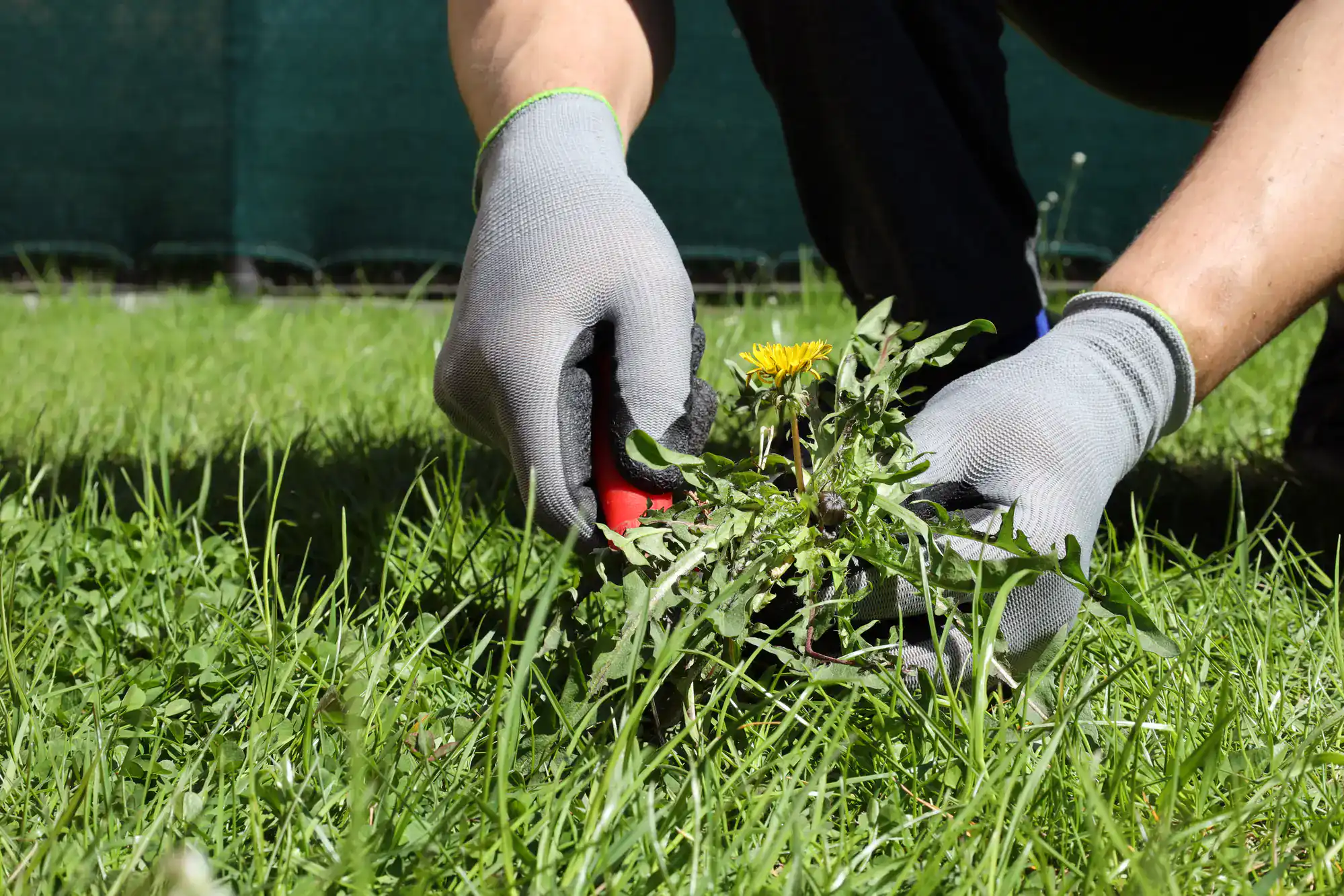
Ready to get started?
The core of what we do is a full-season fertilization and weed control program, but that’s a starting point not a ceiling. Most Holbrook lawns need more than feeding and spraying. The housing stock here is largely from the 1960s and 70s, which means compacted soil, thatch buildup, and turf that’s been through decades of wear. Core aeration and overseeding are a standard part of how we restore and maintain lawns in this area, not an upsell you have to ask for.
Grub control is another one that matters specifically here. Japanese beetle grubs are a documented problem throughout Suffolk County, and the damage pattern is the same every year eggs laid in summer, larvae feeding on root systems through late summer, brown patches showing up in August or September that peel back like a carpet. Preventative treatment applied at the right time in the season stops that cycle before it starts.
For lawns that are too far gone for a maintenance program alone, we do full lawn restoration and new lawn installs from seed something most treatment-only companies can’t offer. We also handle nutgrass and bentgrass control, which are persistent problems that generic programs rarely touch effectively. New York State bans phosphorus in lawn fertilizer without a confirming soil test, and Suffolk County’s groundwater regulations are strict for good reason. Every program we build accounts for that because the aquifer under Holbrook is the same one that supplies your drinking water.
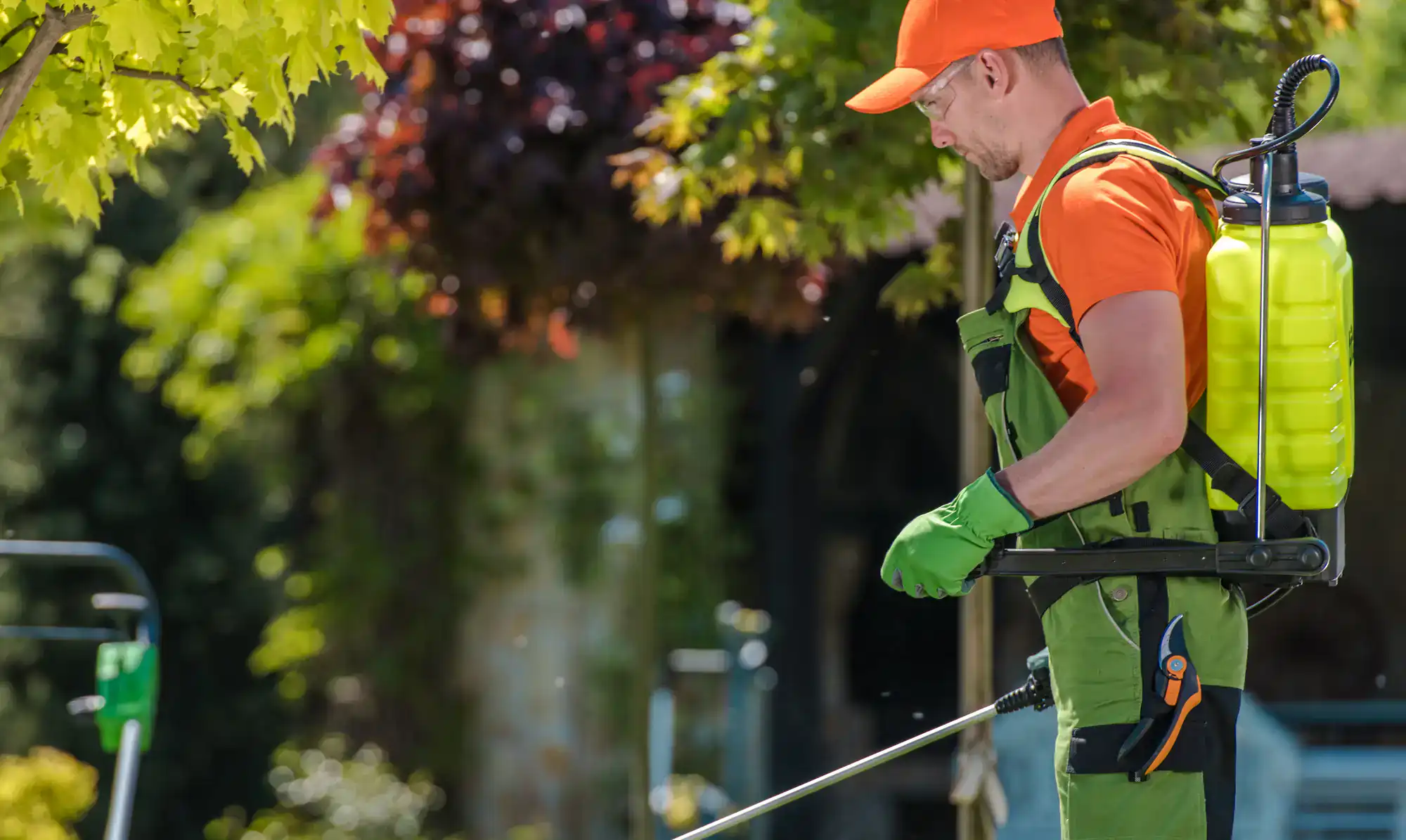
A full-season program typically runs five to six applications from spring through fall, timed around soil temperature and Suffolk County’s fertilizer blackout period. That means the first application goes out after April 1st when the blackout lifts and soil temps are climbing toward the 55°F threshold that triggers active grass growth. From there, applications are spaced to match the lawn’s growth cycle not just a fixed calendar interval.
Each round serves a specific purpose. Early spring focuses on pre-emergent crabgrass control and the first feeding. Summer applications shift toward grub prevention and spot weed control. Fall is when the most important work happens core aeration, overseeding, and a late-season feeding that helps roots store energy before dormancy. The exact mix depends on what your lawn actually needs, which is why we assess before we schedule.
The most common complaint we hear from Holbrook homeowners who’ve been on a national chain program is that nobody shows up on time, the gaps between applications stretch well past what was promised, and when something goes wrong there’s no one local to call. That’s a structural problem with how national chains operate large territories, high crew turnover, and customer service that’s disconnected from the people actually treating your lawn.
Every technician we send is a New York State DEC-licensed pesticide applicator a credential that requires completing a 30-hour training course and passing a state exam. We also use a custom-blended fertilizer formulated specifically for Long Island’s soil conditions, not the same product being used in Ohio and Connecticut. And when you call us, you’re reaching someone who knows your lawn, knows Holbrook, and has been doing this work in Suffolk County since 1987.
Early to mid-September is the ideal window for core aeration and overseeding in Holbrook. Soil temperatures in central Suffolk typically drop into the 50s by late September, which is the sweet spot for cool-season grass germination warm enough for seed to sprout, cool enough that heat stress isn’t a factor. Waiting too long into October cuts into the germination window, and the seed may not establish before the first frost.
Aeration should always come before overseeding. The cores pulled by a hydraulic aerator create direct channels for seed-to-soil contact, which is what drives germination rates. Spreading seed over compacted, unbroken turf is largely a waste of time and money. If your lawn has sections that have thinned out under mature trees which is common in Holbrook’s older neighborhoods those areas may also need a shade-tolerant seed blend rather than the standard tall fescue mix used in full-sun zones.
Yes, and they’re worth understanding before you sign anything. Suffolk County prohibits fertilizer applications between November 1st and April 1st, with fines up to $1,000 for violations. The restriction exists because grass is dormant during that period and can’t absorb nutrients anything applied goes straight into the groundwater. Long Island relies entirely on a sole-source aquifer for drinking water, so runoff from off-season or over-application isn’t just a lawn problem, it’s a public water supply problem for Holbrook and the surrounding communities.
New York State also bans phosphorus in lawn fertilizer unless a soil test confirms a deficiency. That means any company applying a generic phosphorus-containing product to your Holbrook lawn without a soil test may be violating state law on your property. A licensed professional knows these rules and builds programs around them. If a company you’re considering can’t explain the blackout period or the phosphorus restriction, that’s a red flag worth taking seriously.
In most cases, it can be fixed without a full replacement but the right approach depends on what caused the damage. Bare patches from grub activity need the underlying pest problem addressed first, otherwise you’re reseeding into a lawn that will just get damaged again the following summer. Thin areas under mature trees are usually a combination of root competition, shade, and soil compaction all three need to be addressed together for the overseeding to take.
If the damage is widespread enough that a standard overseeding program won’t get you where you want to be, we do full lawn restoration and new lawn installs from seed. That’s not something most treatment-only companies offer. For Holbrook homeowners dealing with lawns that have been patched repeatedly over the years and still look uneven, a proper restoration graded, seeded, and put on the right maintenance program from the start is often the cleaner and more cost-effective long-term answer.
New York State requires any company applying pesticides or fertilizers to residential turf to employ NYS DEC-licensed pesticide applicators. The license requires completing a 30-hour training course and passing a state exam it’s not a registration or a business license, it’s a credential tied to the individual doing the work. You can verify a company’s licensing status directly through the New York State DEC’s pesticide applicator database, which is publicly searchable online.
The reason this matters in practice is that unlicensed applicators are more likely to use incorrect products, wrong application rates, or off-label treatments all of which can damage your lawn and, given Holbrook’s position above Suffolk County’s sole-source aquifer, potentially contribute to groundwater contamination. Every technician we send to a Holbrook property holds this license. It’s not a marketing point it’s the legal and professional standard we hold ourselves to on every single visit, and it’s something you have every right to ask any company before they set foot on your lawn.
Useful Links
Other Services we provide in Holbrook