
Hear from Our Customers
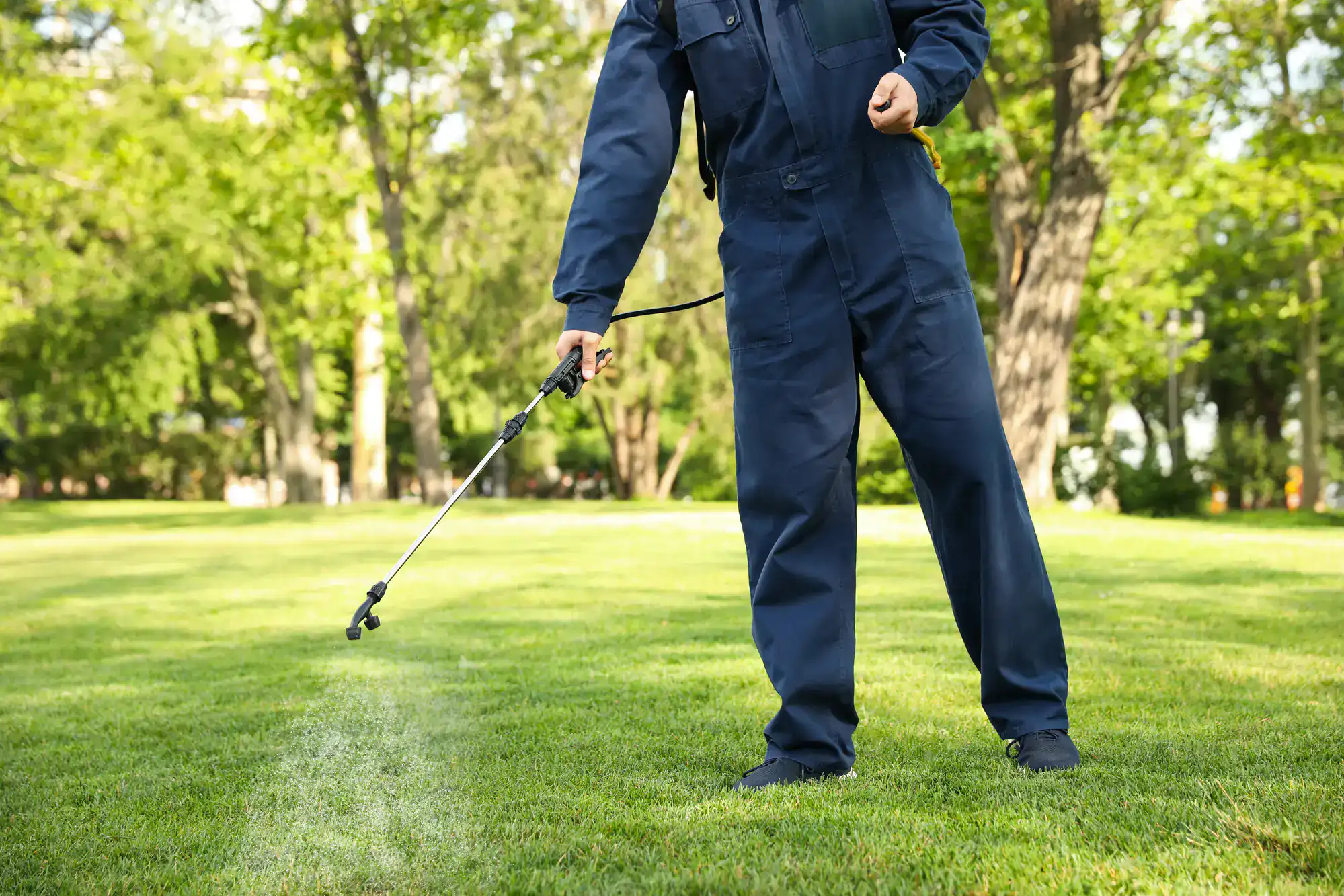
When your lawn treatment program is actually built for your soil, the difference shows up fast. Thicker turf, fewer bare patches, weeds that stop coming back not because we applied more product, but because the right product went down at the right time in the right amount. That’s what a custom program does. That’s what generic doesn’t.
Medford sits squarely in the Central Pine Barrens zone, which means your soil is sandier and faster-draining than most of Long Island. Nutrients applied at the wrong rate or the wrong formulation don’t stick around long enough to do anything useful they move straight through the root zone and keep going. A fertilizer blend calibrated for that reality isn’t a luxury. In Medford, it’s the baseline requirement for getting real results.
And because your home is likely one of the highest-value assets you own Medford’s average single-family sale price crossed $920,000 in 2024 a lawn that looks the part isn’t just curb appeal. It’s a direct reflection of how well the property is maintained. A dense, healthy lawn signals to every neighbor, every visitor, and every future buyer that this home is cared for. That matters here.
We’ve been operating in Medford and across Suffolk County since 1987 long before most of Medford’s current housing stock changed hands for the first time. That’s not just a number. It’s decades of treating lawns in communities like Eagle Estates, working with the same fast-draining Pine Barrens soils, and learning exactly what works here versus what looks good on paper.
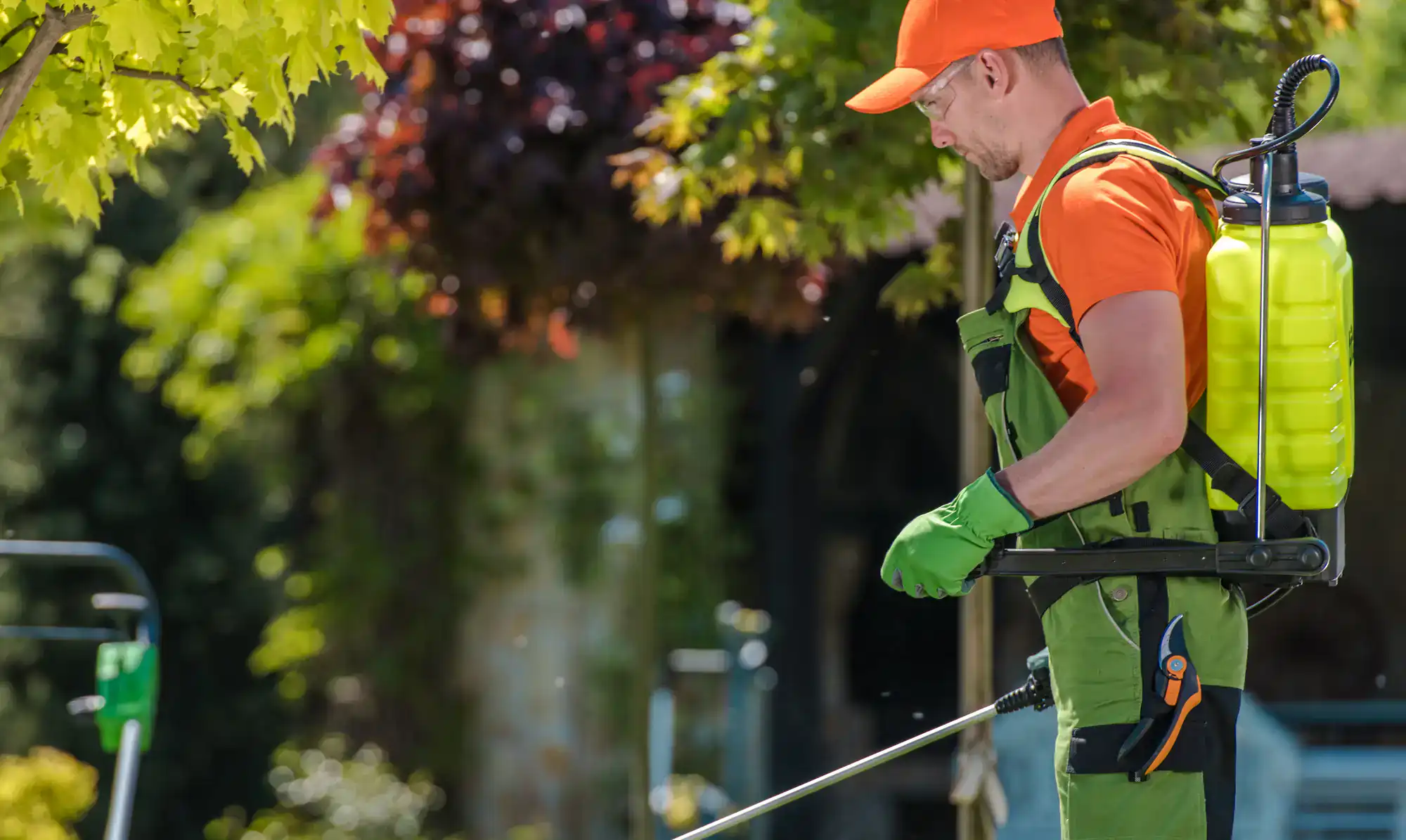
Every technician who shows up at your property is a New York State DEC-licensed pesticide applicator. That’s a state-mandated credential not a marketing badge and it matters especially in Medford, where the Pine Barrens aquifer runs directly beneath your neighborhood and supplies drinking water to Suffolk County residents. You deserve to know the person treating your lawn understands that responsibility.
Five fully wrapped trucks run across Suffolk County, so you always know who’s on your property. No unmarked vans, no anonymous crews. Just licensed professionals doing the work, every time.

It starts with your lawn not a template. Before anything goes down, we assess your property for grass type, soil condition, weed pressure, and any damage from prior treatments or pests. In Medford, that often means accounting for compaction in older subdivision lots, grub activity from Japanese beetles (a consistent problem in sandy Pine Barrens soils), and the kind of drought stress that hits cool-season grasses hard during Long Island summers.
From there, we build a custom program around your lawn’s specific needs. That includes the timing and formulation of each fertilizer application using our proprietary blend, which is formulated specifically for Long Island’s sandy, fast-leaching soils along with weed control, grub prevention, and any aeration or overseeding your lawn requires. Fall is the most important window in the Medford treatment calendar, and that’s when we schedule core aeration and overseeding using hydraulic equipment that pulls deeper, more consistent cores than anything a homeowner can rent.
Suffolk County’s fertilizer blackout runs November 1 through April 1, and every application in your program is scheduled around that regulation. No guessing, no violations, no risk to the aquifer your family drinks from. When the season ends, your lawn is set up to come back stronger in spring not just surviving, but actually improving year over year.
Ready to get started?
Our full treatment programs cover everything a Suffolk County lawn actually needs across the growing season fertilization, weed control, grub prevention, core aeration, overseeding, and where necessary, full lawn restoration or new lawn installation from seed. That last part matters more than most people expect. If a previous company damaged your lawn with incorrect applications, or grubs worked through the root zone last fall and left you with dead patches going into spring, restoration is a real option. You don’t have to live with it.
The fertilizer going into your lawn isn’t an off-the-shelf product. It’s a custom blend we make specifically for Lawn Master, formulated to work with Long Island’s sandy soil profile with the slow-release nitrogen ratios that Cornell Cooperative Extension recommends for this region. That’s the kind of detail that separates a program that produces results from one that just keeps the lawn alive.
For Medford homeowners in areas like The Pines or along Patchogue-Yaphank Road where lot sizes and soil depth vary, we adjust the program accordingly. Larger lots with more sun exposure need different scheduling than shaded quarter-acre subdivision yards. Hydraulic aerators and seeders handle the fall work at a depth and consistency that consumer-grade equipment simply can’t match. And if you’ve been dealing with nutgrass, crabgrass, or bentgrass common nuisances across Medford’s older lawns we address those specifically, not just treat them as a footnote.
Suffolk County Local Law 41-2007 prohibits fertilizer applications from November 1 through April 1. That blackout period exists specifically to protect the Pine Barrens aquifer system that runs beneath Medford and supplies drinking water to Suffolk County residents. It’s not a suggestion violations carry fines up to $1,000, and the regulation applies to both homeowners and lawn care professionals operating in the county.
In practice, this means your treatment calendar runs from early April through late October. The most important windows are spring (typically April through May, when soil temperatures hit 55°F and grass comes out of dormancy) and fall (September through October, when cool-season grasses are actively growing and aeration, overseeding, and fertilization have the biggest impact). Summer applications are lighter and more protective in nature, since cool-season grasses like tall fescue and Kentucky bluegrass the dominant types on Medford lawns stress in the heat. A well-timed program accounts for all of this, not just when it’s convenient to schedule a truck.
The most common reason is soil. Medford’s position in the Central Pine Barrens zone means the underlying soil is extremely sandy it drains fast, warms fast, and leaches nutrients fast. If the fertilizer going into your lawn is a standard off-the-shelf formulation with a high percentage of fast-release nitrogen, a significant portion of it moves through the root zone before the grass can absorb it. The lawn gets a brief green flush and then fades, which is often mistaken for a watering problem or a product failure when it’s actually a formulation mismatch.
The fix isn’t more fertilizer it’s the right fertilizer. Cornell Cooperative Extension recommends that 50 to 70 percent of nitrogen applied to Long Island lawns be slow-release, specifically because of this leaching dynamic. A custom-blended product calibrated to Long Island’s soil chemistry holds nutrients in the root zone longer, which means the grass actually gets to use them. Thin, patchy results after fertilization are almost always a sign that the program wasn’t designed for Medford’s specific soil type.
In Medford, brown patches in late summer and early fall are frequently caused by Japanese beetle grubs not drought, not disease, and not a watering issue. Adult beetles lay eggs in the soil during July, larvae hatch and begin feeding on grass roots through August and September, and by the time the damage becomes visible as brown, spongy turf that pulls up easily, the grubs have already done significant work underground. Medford’s sandy Pine Barrens soils are particularly hospitable to grub populations, which is why this is a recurring problem across the hamlet.
The key is timing. Preventive grub control applied in late June or early July before larvae hatch and begin feeding is far more effective than reactive treatment after damage is visible. If you’re already seeing brown patches in fall, the turf in those areas may need overseeding or targeted restoration once the grubs are addressed. A licensed applicator can assess whether the damage is grub-related or something else before any product goes down, which matters because treating the wrong problem wastes time and money.
For most Medford lawns particularly those in established subdivisions like Eagle Estates or The Pines where soil compaction has built up over decades core aeration and overseeding once per year in the fall is the standard recommendation. Fall is the optimal window because cool-season grasses are actively growing, soil temperatures are still warm enough for germination, and there’s less competition from summer weeds. Aerating in spring is possible but generally less impactful for the grass types that dominate Medford lawns.
The equipment matters as much as the timing. Hydraulic core aerators pull deeper, more consistent plugs than the walk-behind or tow-behind units available at equipment rental shops. Deeper cores mean better pathways for air, water, and nutrients to reach the root zone which is especially important in Medford’s sandier soils, where surface compaction can form a crust that resists water penetration even though the soil underneath drains freely. Pairing aeration with overseeding using a hydraulic seeder gives new seed the best possible contact with the soil and dramatically improves germination rates compared to broadcast spreading alone.
The honest answer depends on what you’ve experienced so far. If you’ve been buying bags from the hardware store and applying them yourself, you’ve probably noticed that the results are inconsistent a green flush after each application, but no real improvement in turf density or weed pressure year over year. That’s not because you’re doing it wrong. It’s because the products available to consumers aren’t formulated for Medford’s specific soil conditions, and the application timing is based on general guidelines that don’t account for Suffolk County’s regulatory blackout period or the local growing calendar.
A professional program removes all of that guesswork. The right product goes down at the right time in the right amount, and the program adjusts based on what your lawn actually needs not what the bag says to do. Over two to three seasons, the difference in turf density, weed suppression, and overall health is significant. For homeowners in Medford where property values have climbed sharply and curb appeal has a real dollar value, the return on a professional program is easy to justify. The cost of repairing a lawn damaged by incorrect DIY applications is almost always higher than the cost of doing it right from the start.
Start with licensing. In New York State, anyone applying pesticides commercially including weed control and grub treatments is required to hold a DEC Category 3A or 3B pesticide applicator certification. That requires a 30-hour training course and a passing score on a state exam. It’s a legal requirement, not an optional credential, and it’s especially relevant in Medford where the Pine Barrens aquifer sits directly beneath the community. An unlicensed applicator using the wrong product or the wrong rate isn’t just doing poor lawn work they’re introducing chemicals into the groundwater that Medford residents drink from. Ask for the license number before anyone sets foot on your property.
Beyond licensing, look for local tenure and a program that’s actually customized. A company that has been treating Suffolk County lawns for decades understands the soil profile, the local pest pressure, the regulatory calendar, and the seasonal patterns that define how Medford lawns behave. A national franchise operating from a manual written for a national average doesn’t have that. Neither does a new company that’s been around for three seasons. The difference between a program built for your lawn and a template applied to your lawn shows up in the results usually within the first full season.
Useful Links
Other Services we provide in Medford