

Hear from Our Customers
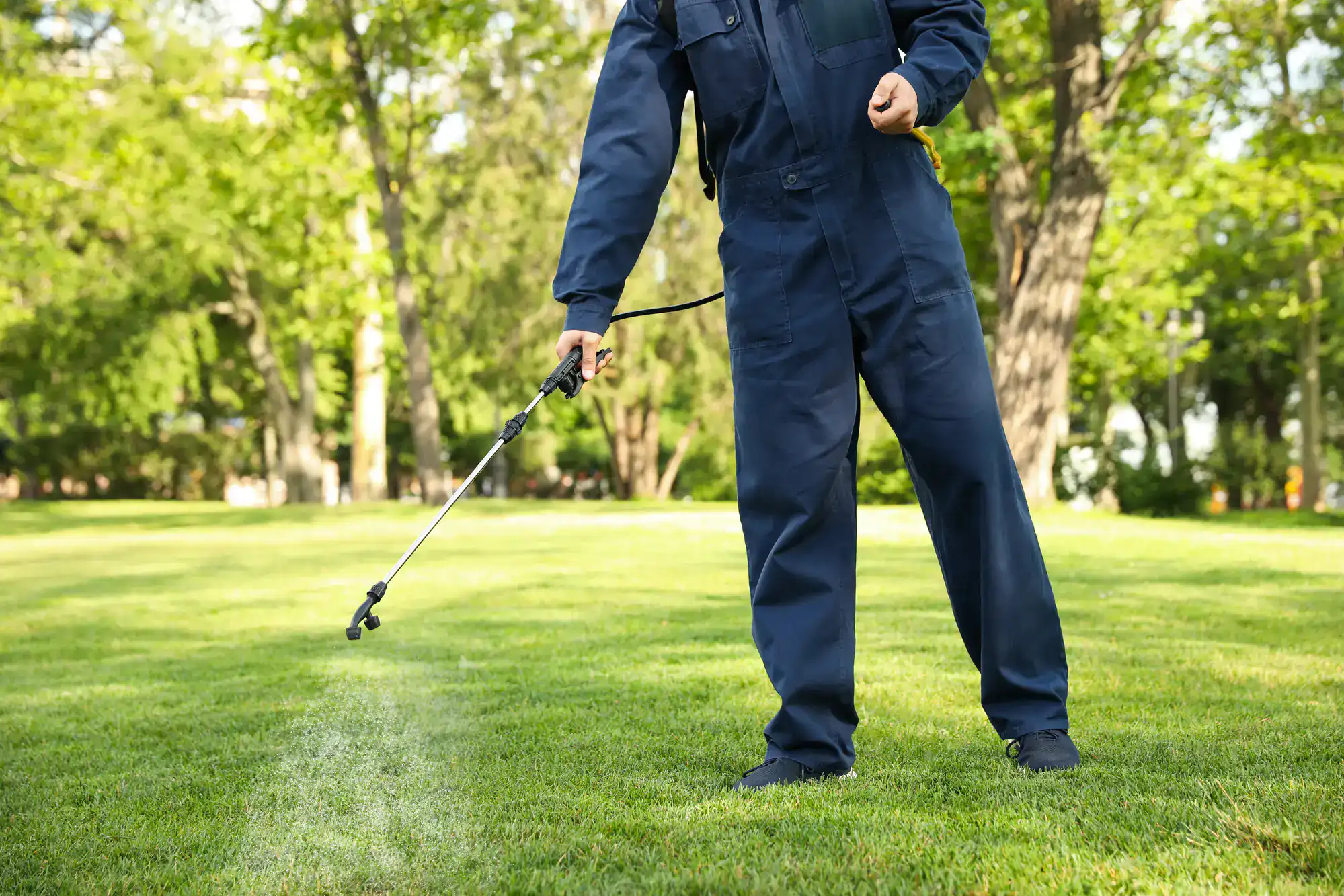
Most lawn treatment programs look fine on paper. The problem shows up around July, when your grass starts thinning out, the sandy soil has already leached through half the nutrients, and the company you hired is three weeks behind on their visit schedule. That’s not a lawn care program that’s a subscription to frustration.
Miller Place lawns face a specific set of conditions that generic programs aren’t built for. The glacial sandy loam soil along the North Shore drains fast, which means fertilizer disappears from the root zone quicker than it would in heavier soil further inland. Properties north of Route 25A, closer to the bluffs and the Sound, also deal with salt air stress that can desiccate turf and cause browning that’s easy to misread as drought damage. If your lawn care provider doesn’t understand that difference, they’re treating the wrong problem.
When the program is actually calibrated to your lawn your soil, your grass type, your sun and shade exposure the results are different. Grass that fills in properly through fall, holds color longer into the season, and doesn’t require expensive restoration the following spring. That’s what a custom-tailored program from a licensed professional delivers, and it’s what Miller Place homeowners with $600,000-plus properties deserve to expect.
We’ve been treating residential lawns throughout Miller Place and the surrounding North Shore since 1987 which means we were working in this area before most of the developments south of Route 25A were even built. That’s not a marketing number. It’s the kind of track record that only comes from consistently doing the work right, year after year, in the exact soil conditions and seasonal patterns that define this part of Long Island.
Every visit is performed by a NYS DEC-licensed pesticide professional not seasonal labor, not a rotating crew. The fertilizer we use on your lawn is a custom blend formulated specifically for our programs and Long Island’s soil chemistry. And the equipment hydraulic aerators, professional seeders is a step above what most local operators bring to the job.
From the older Cape Cods near North Country Road to the newer homes further south toward County Road 83, we’ve treated lawns throughout this corridor for decades. The trucks are fully wrapped and easy to spot. The expertise behind them is even easier to verify.

It starts with understanding what you’re working with. Before any product goes down, we build the program around your specific lawn grass type, soil conditions, existing weed or pest pressure, sun exposure, and any problem areas that need targeted attention. For Miller Place lawns, that assessment often picks up on things like sandy soil nutrient leaching, signs of grub damage from Japanese beetles, or salt stress on properties closer to the Sound. Those aren’t details a generic program accounts for. This one does.
From there, applications are scheduled around the actual growth cycle of your grass, not a calendar that works for a national company’s logistics. Suffolk County’s fertilizer blackout period runs November 1 through April 1 a county law that prohibits fertilization while grass is dormant, because product applied during that window doesn’t feed your lawn, it leaches into the groundwater. Every program we create is built around that window. Timing matters here, and fall is especially critical: September through early November is when cool-season grasses store energy in the root system for winter, and aeration with overseeding during that stretch delivers more return than almost any other investment you can make in your lawn.
You’ll know who’s coming, when they’re coming, and what we’re applying. Invoices are handled online with credit card payment. No mystery, no runaround.
Ready to get started?
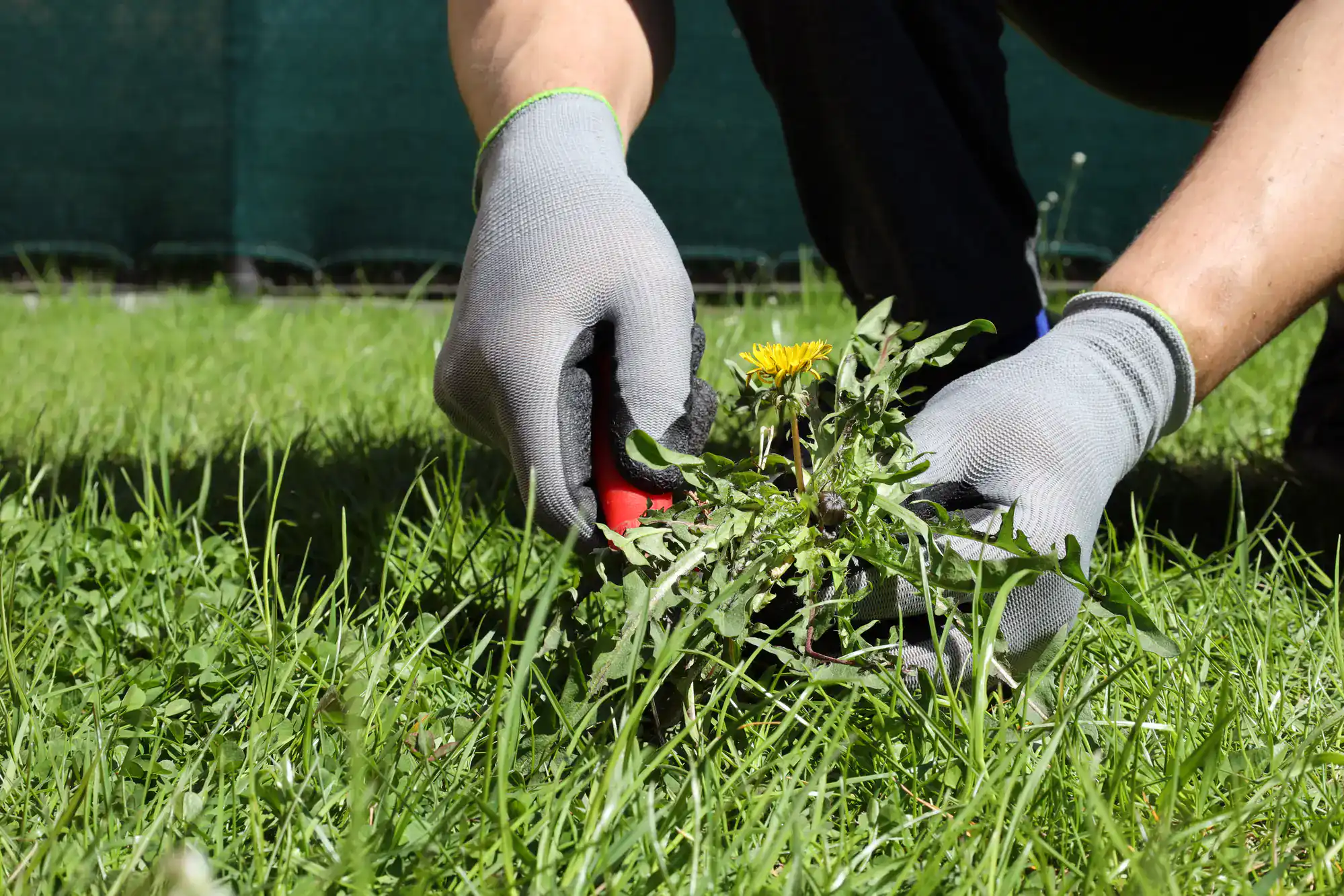
Our programs cover the full range of what a North Shore lawn requires to stay healthy through the season. Fertilization uses a custom-blended product formulated specifically for Long Island soil chemistry not the same commercial bag every other company is pulling off a shelf. Weed control targets the specific pressure your lawn faces, including crabgrass, which thrives in Miller Place’s warm, sandy, fast-draining soil, and broadleaf weeds that take hold in thin or stressed turf. Pre-emergent and post-emergent applications are timed to the actual conditions on the ground, not a generic schedule.
Grub control is a standard part of the conversation for Suffolk County lawns. Japanese beetle grubs feed on grass roots through late summer and fall, and the damage they cause irregular dead patches that look like drought stress is one of the more common misdiagnoses on North Shore properties. Catching it early with the right treatment prevents the kind of root destruction that requires full lawn restoration to fix.
Speaking of restoration we do that too. If your lawn is past the point where maintenance alone can turn it around, new lawn installation from seed is available. Most lawn treatment companies don’t offer that. For homeowners in Miller Place dealing with a lawn that’s been neglected, damaged, or simply never established correctly, it’s the difference between a workaround and an actual solution.
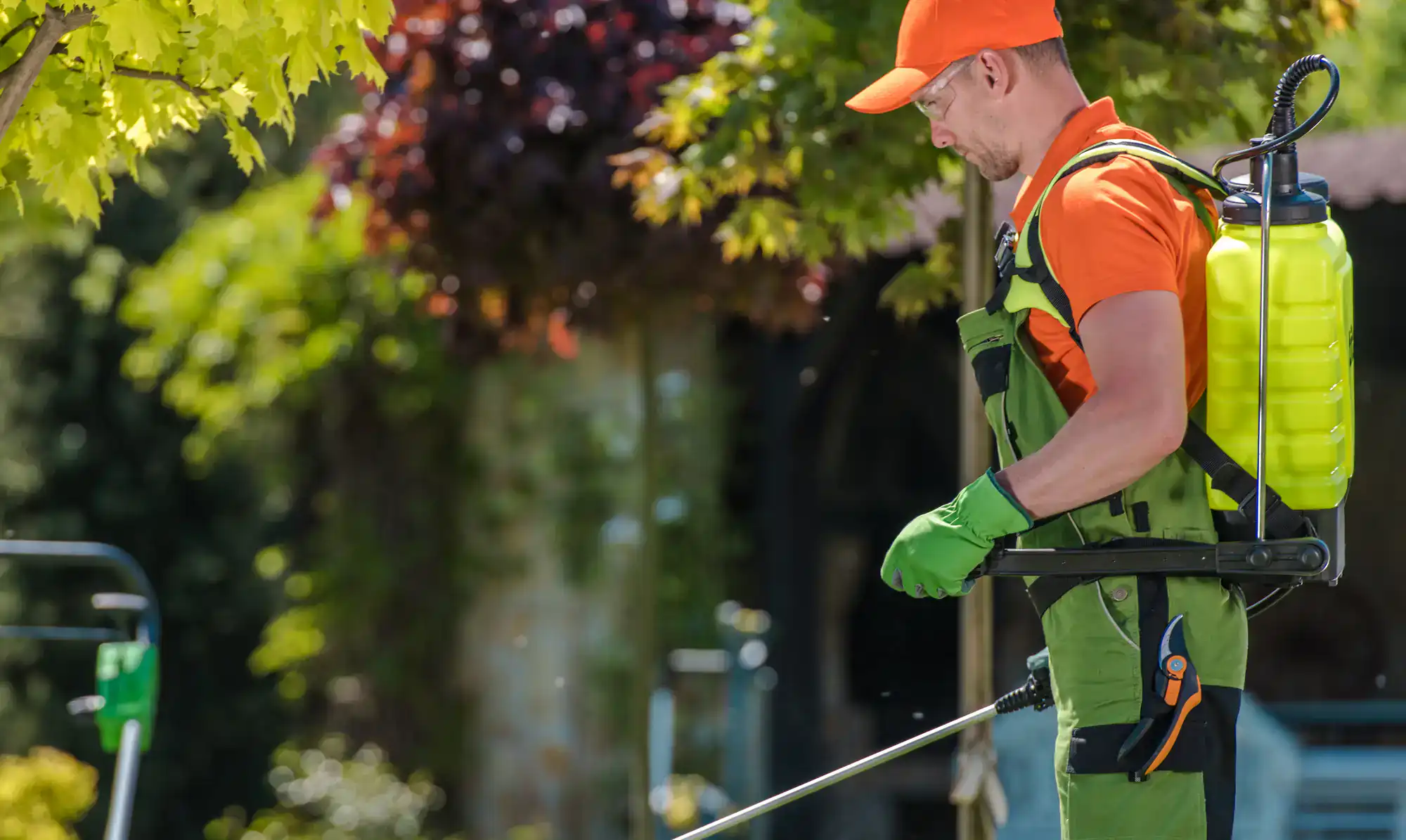
The most common reason is the soil itself. Miller Place sits on glacial sandy loam a fast-draining soil type that doesn’t hold nutrients the way heavier clay-based soils do. When you apply a standard fertilizer to sandy loam, a significant portion of it leaches through the root zone before the grass can fully absorb it. The result is a lawn that looks okay for a few weeks after treatment and then starts fading again before the next application.
The fix isn’t more fertilizer it’s the right fertilizer applied at the right rate and timing for this specific soil type. Our custom-blended product is formulated with Long Island’s soil chemistry in mind, using slow-release nutrient ratios that stay in the root zone longer. Pairing that with fall aeration and overseeding ideally in September or October when cool-season grasses are actively growing gives your lawn the structural foundation it needs to hold density through the following season.
The symptoms look almost identical, which is why grub damage gets misdiagnosed so often. Both cause irregular patches of brown, thinning, or dead grass but the cause and the fix are completely different. The easiest way to tell them apart is to grab a section of affected turf and try to pull it up. If it peels back like a loose rug with no root resistance, grubs have been feeding on the root system. Drought-stressed grass stays anchored even when brown.
Japanese beetle grubs are a documented problem throughout Suffolk County, including Miller Place and the surrounding North Shore. Adults lay eggs in the soil during summer, and the grubs feed on grass roots from late summer through fall which is exactly when homeowners tend to chalk up the damage to heat and dry conditions. By the time the damage is visible, the feeding is already well underway. Treating for grubs proactively in early summer, before the damage accumulates, is significantly more effective than trying to recover a lawn after the fact.
Suffolk County Local Law 41-2007 prohibits lawn fertilization from November 1 through April 1. The law exists because Long Island’s drinking water comes entirely from groundwater the sole-source aquifer beneath the Island and fertilizer applied to dormant grass doesn’t get absorbed by the turf. It leaches straight through the sandy soil into the water supply. Violations carry fines up to $1,000.
In practical terms, this means your last fertilization of the season needs to happen before November 1, which makes the September and October window the most important stretch of the lawn care year. That’s when cool-season grasses tall fescue, Kentucky bluegrass, perennial ryegrass, which are the dominant types in Miller Place are actively growing and storing energy in their root systems for winter. A well-timed fall application followed by aeration and overseeding sets your lawn up to come out of dormancy in a significantly stronger position the following spring. Missing that window means starting behind.
That depends on what you’ve experienced with them before. The honest answer is that national chains are built around volume large territories, rotating technicians, standardized programs. For some homeowners, that’s fine. For others, especially those dealing with the specific conditions that Miller Place lawns face, the generic approach produces generic results.
The issues that come up most often with national providers in this area are inconsistent technician quality, programs that aren’t adjusted for local soil conditions, and customer service that routes through a call center when something goes wrong. Miller Place’s sandy loam soil, salt air exposure near the Sound, and grub pressure all require site-specific knowledge that a standardized national program isn’t designed to deliver. If you’ve already been through that cycle and you’re looking for something different, the comparison isn’t really about price it’s about whether the program is actually built around your lawn or around a franchise playbook.
For the cool-season grasses that make up the majority of Miller Place lawns, the fall window specifically late September through mid-October is the best time for aeration and overseeding. Soil temperatures are still warm enough to support germination, air temperatures have dropped out of the summer stress range, and the grass is entering its most active root growth phase of the year. Seed put down during this window has the best chance of establishing before the ground hardens.
Core aeration is especially valuable in Miller Place because of the soil compaction that builds up in sandy loam over time, even though it drains well. Compaction restricts the movement of water, air, and nutrients to the root zone aeration opens that up. We use hydraulic aerators that pull deeper, more consistent cores than the lighter consumer-grade equipment many smaller operators use, which translates directly into better results. Overseeding immediately after aeration takes advantage of the open channels in the soil and significantly improves seed-to-soil contact.
It matters more than most homeowners realize. New York State requires anyone applying pesticides or herbicides to residential turf for hire to hold a NYS DEC pesticide applicator license a credential that requires completing a 30-hour training course and passing a state exam. It’s not a general business license or a certification anyone can buy. It’s a regulated credential that demonstrates the applicator knows how to identify pest and weed problems correctly, select the right products, and apply them at rates that are safe and effective.
The practical reason this matters for your lawn is accuracy. The wrong product applied at the wrong rate doesn’t just fail to solve the problem it can damage turf, create chemical resistance in weeds over time, or cause issues that take a full season to recover from. On a property in Miller Place where home values are in the $600,000 range and lawn restoration isn’t cheap, the difference between a licensed professional and an unlicensed crew is a real financial consideration, not just a regulatory one. Every Lawn Master technician holds this license. That’s not a bonus it’s the baseline.
Useful Links
Other Services we provide in Miller Place