
Hear from Our Customers
The whole point of having a yard in Central Islip is being able to use it kids outside after school, the dog running around, summer evenings without constantly checking yourself for ticks. Right now, if you’re not on a treatment program, you’re essentially sharing your lawn with whatever walked in from Connetquot River State Park Preserve the night before. That 3,473-acre wildlife corridor runs right along the eastern edge of this community, and the deer, mice, and other small mammals moving through it carry ticks in every stage of their lifecycle.
The risk isn’t abstract. New York State reported over 19,000 Lyme disease cases in 2023 alone a 146% spike in a single year and Suffolk County is consistently one of the highest-risk counties in the state. A Columbia University study found that 56% of ticks on Long Island carry Lyme disease. Central Islip’s interior location also means hotter, more humid summers than waterfront communities, and ticks thrive in humidity. The conditions here are genuinely favorable for them from April through November.
A proper flea and tick control program changes that. Your yard becomes a place where your kids can play without you scanning every inch of their skin afterward. Your dog can go outside without you pulling something off their coat every time. That’s the difference between actually enjoying your property and being anxious about it every time the weather warms up.
We’ve been operating in Suffolk County since 1987 that’s before the former psychiatric center grounds in Central Islip were redeveloped into the townhouses and government complexes that define the community today. Before Fairfield Properties Ballpark opened on Court House Drive. Before a lot of the homeowners on these streets were even looking at properties here.
That kind of tenure isn’t just a number. It means the people treating your yard have seen every variation of Long Island’s tick seasons, know what properties near the Connetquot Park border actually deal with, and aren’t learning the area on your dime. Every job is backed by owner-level expertise not a rotating crew dispatched from a regional call center. We also employ NYSDEC-licensed pesticide professionals, which is the legal requirement in New York State for commercial pesticide application and something not every company in this market can honestly claim.
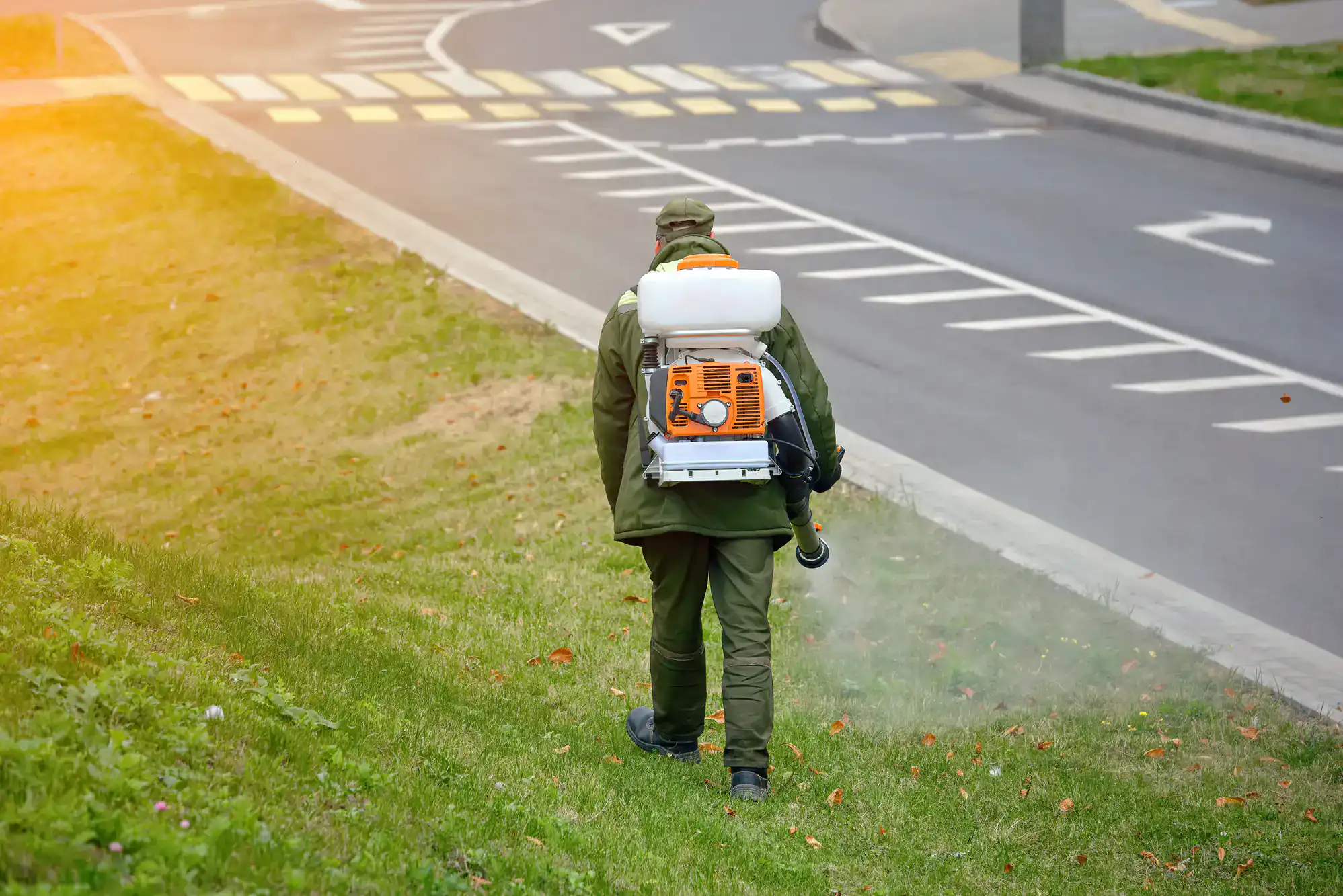
It starts with your specific yard not a template. Central Islip properties vary more than people realize. A ranch home on a quarter-acre lot with ornamental plantings along the fence line has different harborage zones than a townhouse near the LIRR station or a park-facing property on the east side of town with deer walking through the backyard. Before anything gets applied, we shape the approach around what your property actually looks like and where the real exposure points are.
From there, treatment typically begins in April right when overwintered adult ticks become active as temperatures push past 50 degrees. That timing matters because the nymphal tick peak hits in May and June, and those nymphs are poppy-seed-sized. By the time most homeowners notice a problem, the highest-risk window is already open. Applications run every 30 days through October, covering the full active season including the fall surge of adult blacklegged ticks that catches a lot of people off guard in September and October.
For flea treatment, we focus on breaking the lifecycle not just knocking down the adults you can see. Our products include Insect Growth Regulators that prevent eggs and larvae from maturing, which is the part store-bought sprays almost always skip. If fleas have already gotten inside, older Central Islip homes with carpeted interiors and finished basements give them exactly the warm, insulated environment they need to persist year-round. We address that directly, not ignore it.
Ready to get started?
Every treatment program we build is customized around your yard’s specific conditions lot size, landscape layout, proximity to wooded edges or the park preserve border, and how much wildlife pressure you’re actually dealing with. If your property backs up to Connetquot State Park or sits near one of the greenway corridors in the northern part of Central Islip, your program will reflect that. If you’re in a newer townhouse development with a smaller footprint, we calibrate the approach accordingly. There’s no single package that gets handed to every homeowner in Central Islip regardless of what their yard looks like.
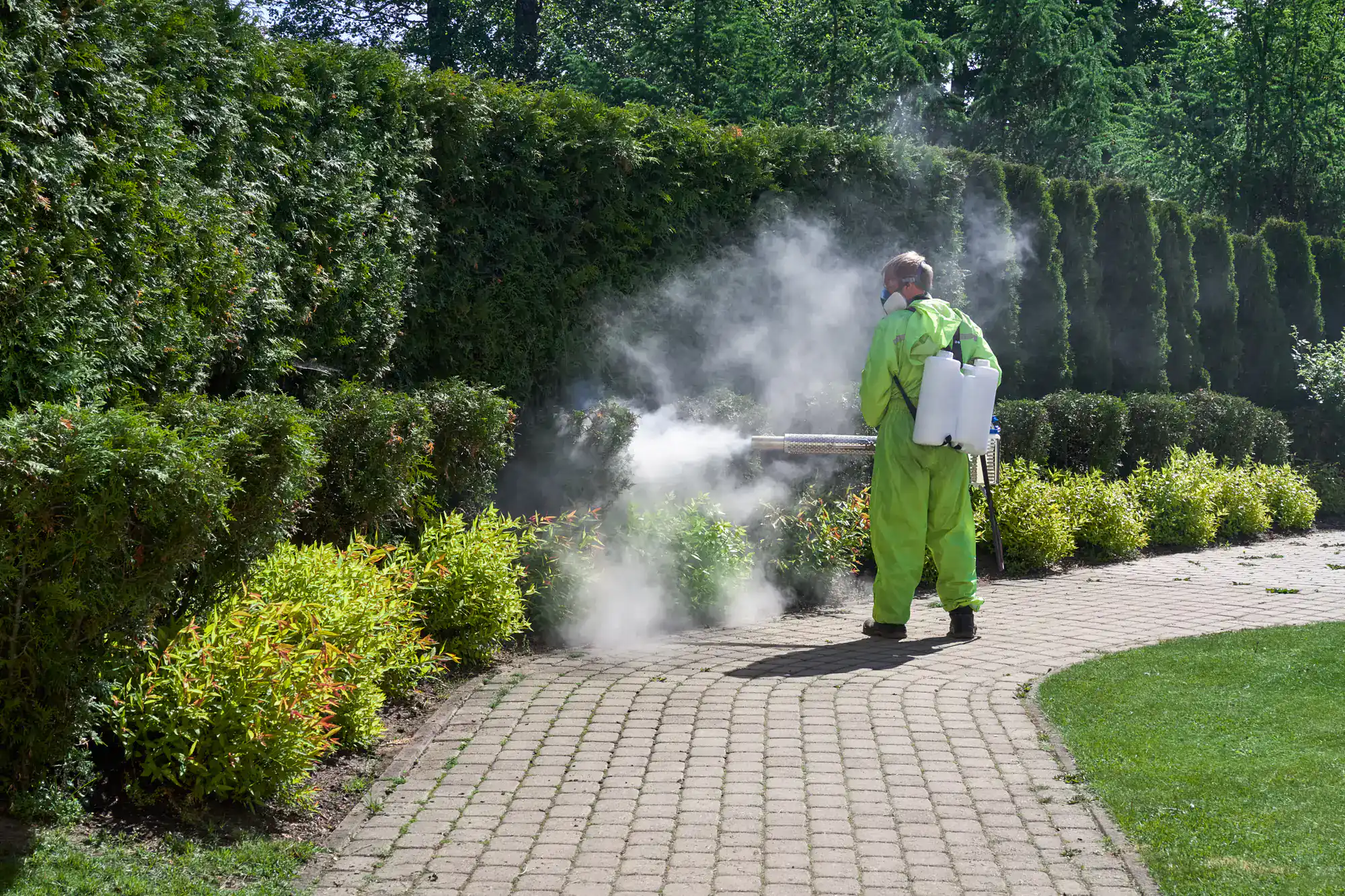
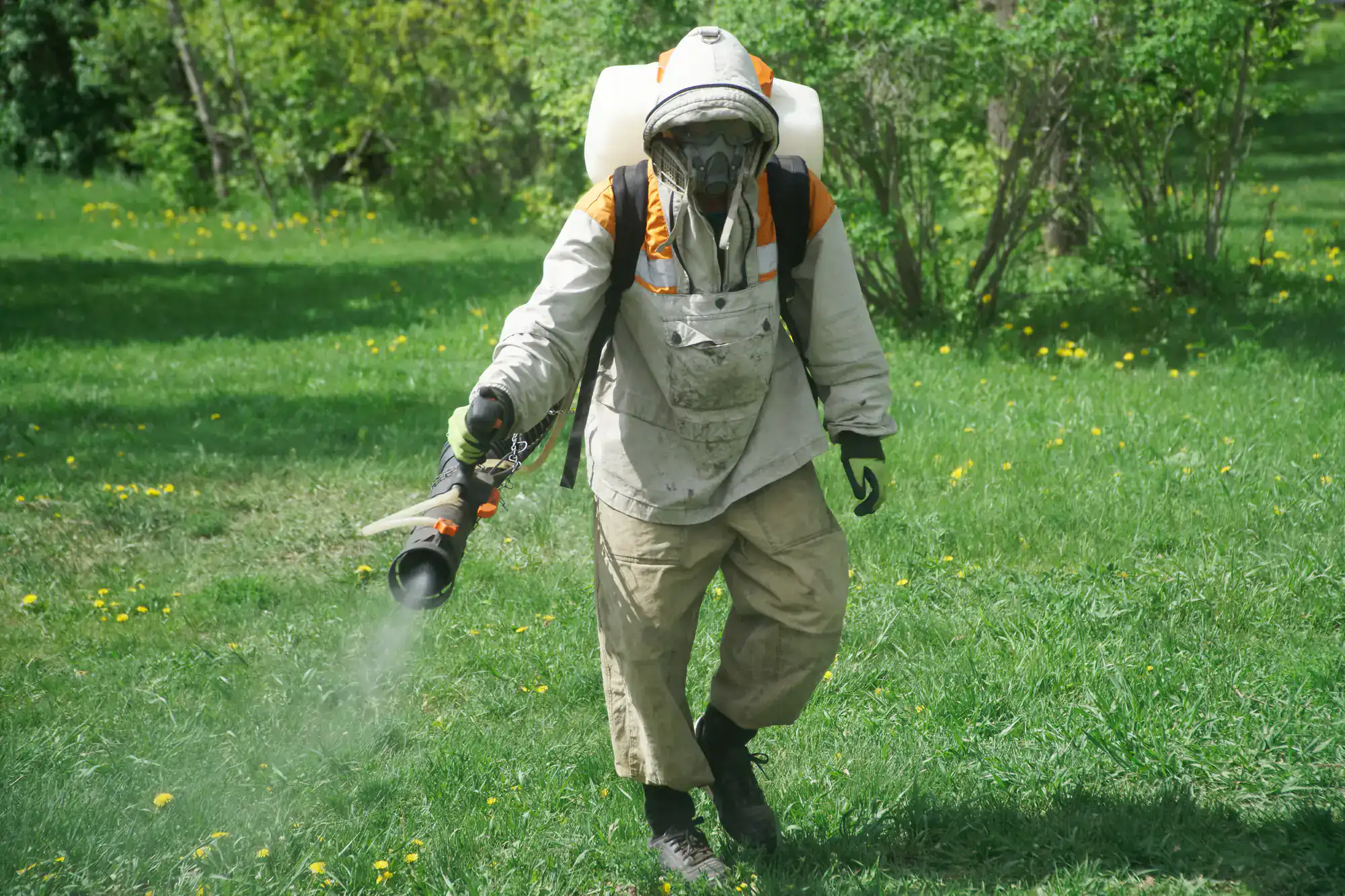
All applications are performed by NYSDEC-licensed pesticide professionals not unlicensed labor sent out to cover more stops in a day. That distinction matters for both legal compliance and actual results. Licensed applicators are trained in targeted application: treating fence lines, mulched beds, the perimeter transition zone, under decks, and the wooded edges where ticks actually concentrate not just broadcasting product across open lawn.
Suffolk County has three active tick species: deer ticks (the primary Lyme vector), American dog ticks, and lone star ticks. All three are addressed in a complete seasonal program. Products we use are safe for re-entry once dry, typically within 30 to 60 minutes, which means your kids and your dog don’t need to stay off the yard for the rest of the day. We also offer online invoice payment, so scheduling and settling up doesn’t require a phone tag marathon.
The right time to start is April earlier than most people expect. On Long Island, overwintered adult ticks become active as soon as temperatures consistently hit 50 degrees, which typically happens in early April. If you wait until you see a tick or find one on your dog, you’ve already missed the opening of the highest-risk window.
The nymphal deer tick peak runs from May through June. Nymphs are roughly the size of a poppy seed, which makes them extremely difficult to spot on skin or in pet fur before they’ve already attached. Central Islip’s interior location means the community doesn’t get the same temperature moderation that waterfront towns along Great South Bay or Long Island Sound do summers run hotter and more humid, which extends and intensifies tick activity. Starting in April and running through October gives you full-season coverage, including the fall adult tick surge in September and October that a lot of homeowners don’t realize is coming.
Yes once the product has dried, your yard is safe for re-entry. That typically takes 30 to 60 minutes depending on temperature and humidity on the day of treatment. We’ll tell you the specific re-entry window before our technician leaves, so there’s no guessing involved.
The products we use are applied in a targeted way along fence lines, under deck edges, in mulched ornamental beds, and at wooded perimeter zones not broadcast-sprayed across your entire lawn indiscriminately. That precision is part of what separates a licensed pesticide professional from a store-bought spray-and-hope approach. Central Islip has a high proportion of households with children under 18 and a strong dog-owning community, so this is one of the most common questions that comes up and it’s a fair one. Professional application, done correctly by someone with an active NYSDEC license, is both effective and safe for the people and animals who use your yard.
A minimum of three applications gets you baseline coverage. Six applications one per month from April through October gives you full-season protection without gaps. The reason frequency matters is that each treatment provides roughly four to six weeks of residual protection. Once that window closes, tick populations in your yard can rebound, especially if you’re dealing with ongoing wildlife pressure from nearby areas like Connetquot River State Park Preserve.
Central Islip’s tick season doesn’t follow a simple bell curve. There’s an adult tick surge in spring, a nymphal peak in late spring and early summer, continued activity through the summer months from lone star and dog ticks, and then another adult blacklegged tick surge in the fall. A program with gaps in it leaves you exposed during at least one of those peaks. If your property borders the park or has consistent deer activity in the backyard, erring toward more frequent applications is the smarter call not an upsell.
They address different parts of the same problem, and in many cases you need both. Yard treatment targets the source the environment where fleas are picking up on your pets and hitching a ride inside. Treating the yard breaks the infestation cycle before it gets indoors. Interior treatment addresses what’s already established inside the home, which in older Central Islip properties many built in the 1950s through 1970s with carpeted floors and finished basements can be a more persistent problem than people expect.
Flea pupae can remain dormant in carpet fibers for months and hatch when they detect warmth or vibration. That’s why some homeowners treat once, think the problem is gone, and then see fleas reappear weeks later. A complete approach uses Insect Growth Regulators (IGRs) that prevent eggs and larvae from reaching adulthood, not just products that knock down the adults you can see. The combination of exterior yard treatment and targeted interior application focused on pet resting areas, carpet edges, and baseboards is what actually resolves an established flea problem rather than just suppressing it temporarily.
You can, but the results are usually limited and not because the products are necessarily weak. The issue is application. Store-bought tick sprays are typically applied to open lawn surfaces, which is not where ticks concentrate. Ticks live in the transition zones: the shaded edge between your mowed lawn and your mulched beds, under deck boards, along fence lines, in leaf litter, and in the dense ornamental plantings around the foundation of your house. Most homeowners applying a consumer product miss most of these areas entirely.
There’s also the lifecycle issue. Consumer products target active ticks. They don’t include the Insect Growth Regulators used in our professional programs that interrupt the lifecycle at the egg and larval stage. On a property in Central Islip with real deer pressure especially on the east side of town near the park the tick population is being continuously replenished from outside your yard. A single store-bought application applied to the wrong areas won’t hold up against that. A licensed professional who knows where to treat and what products to use at each stage of the season will get you meaningfully better results.
Yes and those properties are some of the most important ones to have on a consistent program. The eastern edge of Central Islip runs directly along Connetquot River State Park Preserve, a 3,473-acre protected natural area with old-growth forest, freshwater wetlands, and stable populations of white-tailed deer and small mammals. Deer carry adult ticks. Mice, voles, and chipmunks carry nymphal ticks. Properties along that border are dealing with a continuous source of tick pressure that doesn’t go away between treatments the way it might in a more insulated suburban setting.
We’ve been operating throughout Suffolk County since 1987 and are familiar with the specific conditions these properties deal with including the transition zone between maintained lawn and wooded park edge, which requires targeted treatment rather than a standard perimeter spray. If your home faces the preserve or sits on one of the streets that backs up to it, the program we build for your yard will account for that directly. The goal is a treatment approach that actually matches the exposure level your property has, not one designed for a typical quarter-acre lot with no wildlife corridor next door.
Useful Links
Other Services we provide in Central Islip